

Protection from violence and harassment cannot wait for formalization, new ILO briefs stress
The research examines why workers in the informal economy face heightened risks of violence and harassment and highlights promising practices to strengthen prevention, protection and access to remedies, including through the transition to formality.
2 October 2026
GENEVA (ILO News) – Limited access to labour and social protection, unclear or dispersed employer responsibilities, as well as barriers to labour inspection, complaint mechanisms or other avenues for redress can leave workers in the informal economy particularly exposed to violence and harassment, according to two new International Labour Organization (ILO) policy briefs.
The publication, titled Preventing and Addressing Violence and Harassment in the Informal Economy and through Formalization and published in two separate briefs, examines the issue from complementary perspectives. The first brief identifies factors that can heighten vulnerability and sets out key principles under international labour standards. The second presents promising practices showing how governments, employers and workers and their organizations, and other actors can strengthen prevention, protection and access to remedies, including through formalization.
Their central message is that protection from violence and harassment, including gender-based violence and harassment, should not wait for formalization. Immediate action should be pursued alongside gradual, inclusive and gender-responsive pathways to formality that strengthen labour and social protection, representation, accountability and access to remedies.
“Informality matters because it can magnify conditions in which violence and harassment take place or go unaddressed – including economic insecurity, gaps in protection and enforcement, and limited voice and representation,” said Florence Bonnet, ILO Informal economy specialist, one of the authors. “Prevention and protection from violence and harassment cannot be postponed until formalization; immediate measures and longer-term efforts to facilitate transition to formality should reinforce one another.”
How informality can compound vulnerability
Violence and harassment are a global world-of-work challenge. ILO, Gallup and Lloyd’s Register Foundation research found that 23 per cent of people in employment had experienced physical, psychological or sexual violence and harassment at work during their working life. While comparable global evidence specifically covering workers in the informal economy remains limited, research indicates that conditions associated with informal employment can heighten vulnerability.

Economic insecurity can make it harder for workers to refuse work, leave abusive situations or risk losing income by reporting abuse. Gaps in legal coverage or enforcement, restricted access to social protection and justice, discrimination and stigma, and limited worker organization and representation can further increase power imbalances. Women and groups in situations of vulnerability can face compounded risks where informality intersects with gender inequality and other forms of discrimination.
Risks heightened by where and how people work
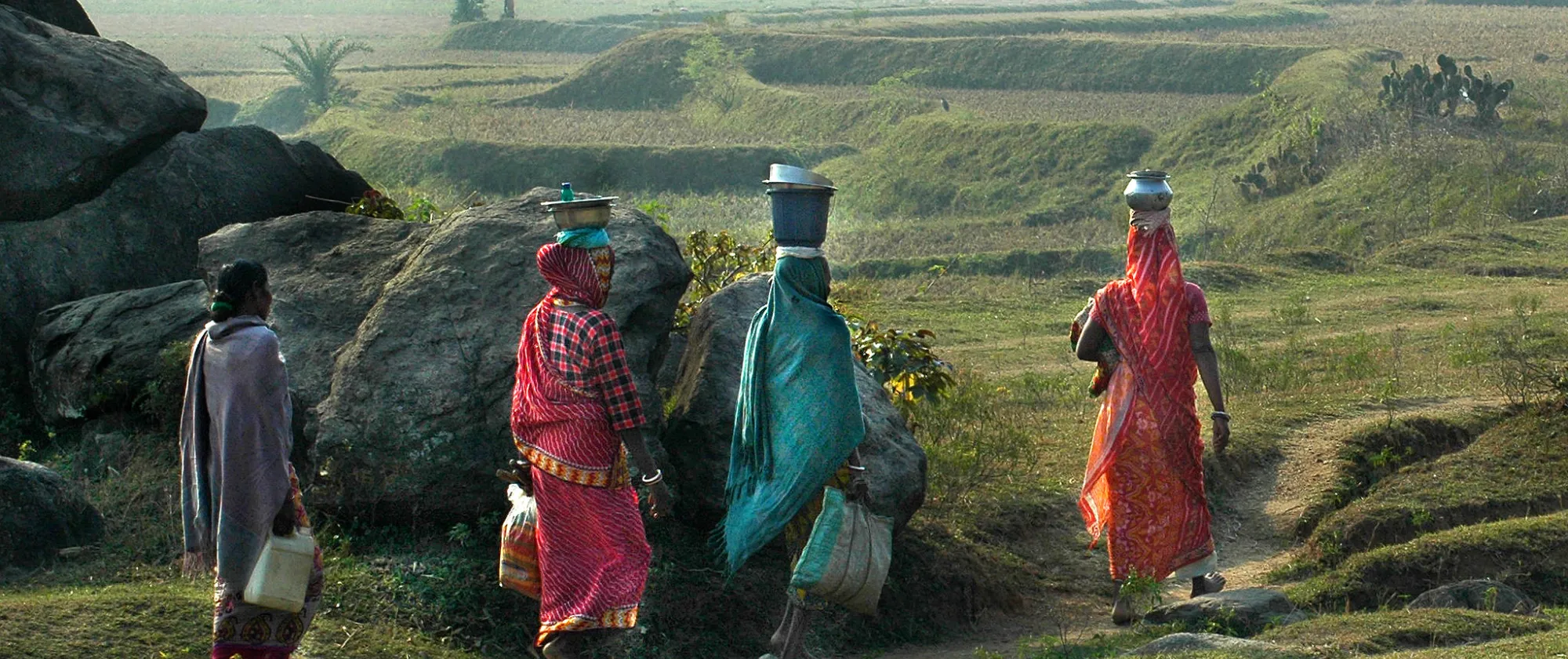
In low- and middle-income countries, over 60 per cent of informal work takes place away from fixed, visible business premises, including in private homes and public spaces. Women in informal employment are substantially more likely than men to work in their own or someone else’s home. Domestic and home-based workers may work in isolation, while street vendors, waste pickers and others in public spaces can face risks involving clients, the public or authorities, as well as unsafe infrastructure and working conditions.

“The ILO Convention No. 190 reflects the changing nature of work, and that violence and harassment can happen well beyond a traditional physical workplace,” said Valentina Beghini, ILO Legal Specialist, Violence, harassment and non-discrimination co-author of the briefs. “The world of work extends to all the places where people are and go because of their work. This is particularly important for workers in the informal economy: prevention and protection measures need to reach them where they actually work.”
Protection should not depend on formal status
International labour standards provide a mutually reinforcing framework for addressing these challenges.
The ILO Transition from the Informal to the Formal Economy Recommendation, 2015 (No. 204) calls for measures to address rights and protection deficits in the informal economy, alongside transition to formality. It calls on Members to respect, promote and realize fundamental principles and rights at work and extend occupational safety and health protection.
The Violence and Harassment Convention, 2019 (No. 190) and Recommendation No. 206 protect workers and other persons in the world of work in both the formal and informal economy. Convention No. 190 recognizes the right of everyone to a world of work free from violence and harassment and establishes a framework for prevention, protection and remedies.
“Formalization remains fundamental to advancing decent work, but workers cannot be asked to wait for formal status before their right to a world of work free from violence and harassment is addressed,” Bonnet said. “Improving rights and protection in the informal economy can support the transition to formality, while formalization can help extend and sustain those protections.”
From principles to promising practices
The second brief highlights country experiences, including extending legal protection to informal workers, incorporating violence and harassment into occupational safety and health frameworks, adapting labour inspection and enforcement, creating accessible complaint and support mechanisms, and strengthening organization, representation and inclusive social dialogue.
The examples show there is no single model for effective protection. Measures need to reflect specific sectors, occupations and work arrangements and, in line with Convention No. 190, follow an inclusive, integrated and gender-responsive approach.
They also highlight the role of social dialogue. Employers’ and workers’ organizations, organizations of informal-economy workers and other collective structures can help identify risks, improve access to remedies, negotiate safer conditions, strengthen representation and support the transition to formality.
“What comes through clearly is that there is no one-size-fits-all approach,” Beghini said. “Prevention and protection measures need to reflect the realities of different sectors, occupations and work arrangements, while ensuring that workers in the informal economy are effectively reached.”
The two briefs underline that preventing and addressing violence and harassment in the informal economy is both an immediate protection imperative and part of the broader transition to formality and decent work.
Additional details
References
- DOI: N/A
Related content

Topic portal
Informal economy
Topic portal
Violence and harassment in the world of work