


THAMM Plus
New evidence to strengthen skills mobility pathways in tourism and hospitality
Preliminary findings from an ILO-supported skills needs and mismatch study are informing cooperation between Egypt, Germany and Italy to better align skills development with labour market demand and support fair, effective labour mobility pathways under the EU–Egypt Talent Partnership.
8 April 2026
Cairo, Egypt (ILO News)- The International Labour Organization (ILO), through the European Union-funded “Towards a Holistic Approach to Labour Migration Governance and Labour Mobility” (THAMM Plus) programme, is supporting evidence-based cooperation under the EU–Egypt Talent Partnership to strengthen the alignment between skills supply and labour market demand in the tourism and hospitality sector.
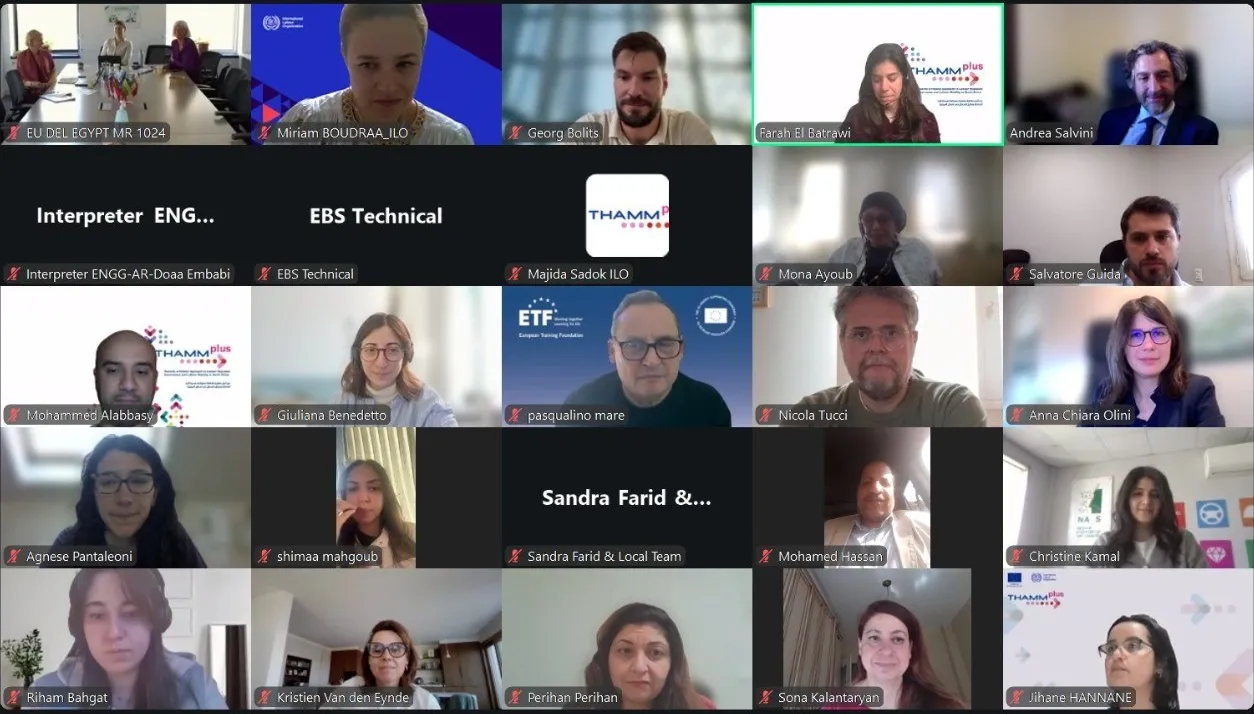
As part of the preparatory process for the National Technical Forum on Tourism and Hospitality, the ILO convened an online webinar to present and discuss the preliminary findings of the Skills Needs Assessment and Skills Mismatch Study between Egypt, Germany and Italy. The study provides a shared evidence base to support structured dialogue and decision-making under the Talent Partnership framework.
The preliminary findings provide insights into labour demand trends, recruitment practices, working conditions, and current and emerging skills gaps across Egypt, Germany and Italy. They highlight not only labour shortages, but also the complexity of labour market dynamics, including differences in recruitment systems, employer capacities, regional disparities and the way work is organized within the sector.
By grounding the National Technical Forum process in evidence, the study is expected to help stakeholders identify practical areas for cooperation to strengthen skills partnerships, enhance labour market responsiveness and promote fair and effective mobility pathways between Egypt and the European Union.
The webinar brought together more than 80 participants from Egypt and Europe, including government institutions, social partners, private sector representatives, training providers, and international and development partners. Their participation contributed to validating the preliminary analysis, sharing ongoing reforms, and identifying areas requiring further refinement.
Opening the session, Sophie Vanhaeverbeke, Head of Cooperation at the Delegation of the European Union to Egypt, and Karim Abouelenein, Minister Plenipotentiary and Director of Migration, Refugees and Combatting Human Trafficking Affairs at the Ministry of Foreign Affairs, International Cooperation and Egyptian Expatriates, highlighted the strategic importance of the tourism and hospitality sector within the EU–Egypt Talent Partnership. They underscored its dual role in addressing labour market needs in European Union Member States while supporting employment and skills development in Egypt.
Miriam Boudraa, THAMM Plus Regional Project Manager, provided an overview of the National Technical Forum process and emphasized its role in fostering structured dialogue among key stakeholders and supporting evidence-based decision-making under the Talent Partnership framework.
The methodological framework and preliminary findings of the study were introduced by Laura Schmid, ILO Skills and Employability Specialist, who outlined the ILO’s approach to skills anticipation, with particular emphasis on the importance of integrating a labour migration perspective.
The preliminary findings were presented by the study’s international experts, Andrea Salvini and Georg Bolits, covering Italy and Germany respectively, alongside national consultant Sandra Farid, who presented the Egypt component.
An interactive discussion, facilitated by Farah El Batrawi, ILO THAMM Plus National Coordinator, provided an opportunity for participants to reflect on the findings, share ongoing reforms, and raise practical considerations from both institutional and private sector perspectives. The exchange contributed to validating the analysis while highlighting areas requiring further refinement.
The webinar marked an important step in grounding the National Technical Forum discussions in a shared evidence base. Its outcomes will inform the upcoming phases of the process and support the development of concrete actions to strengthen skills partnerships, enhance labour market responsiveness, and promote fair and effective mobility pathways between Egypt and the European Union.
Related content

THAMM Plus
Towards a holistic approach to labour migration governance and labour mobility in North Africa
Relevant projects
THAMM Plus
Towards a holistic approach to labour migration governance and labour mobility in North Africa