

Equal pay
Moldova and Ukraine step up efforts to close the gender pay gap
A high-level ILO training in Turin has equipped national stakeholders from Moldova and Ukraine with practical tools to promote equal pay for work of equal value.
5 August 2025
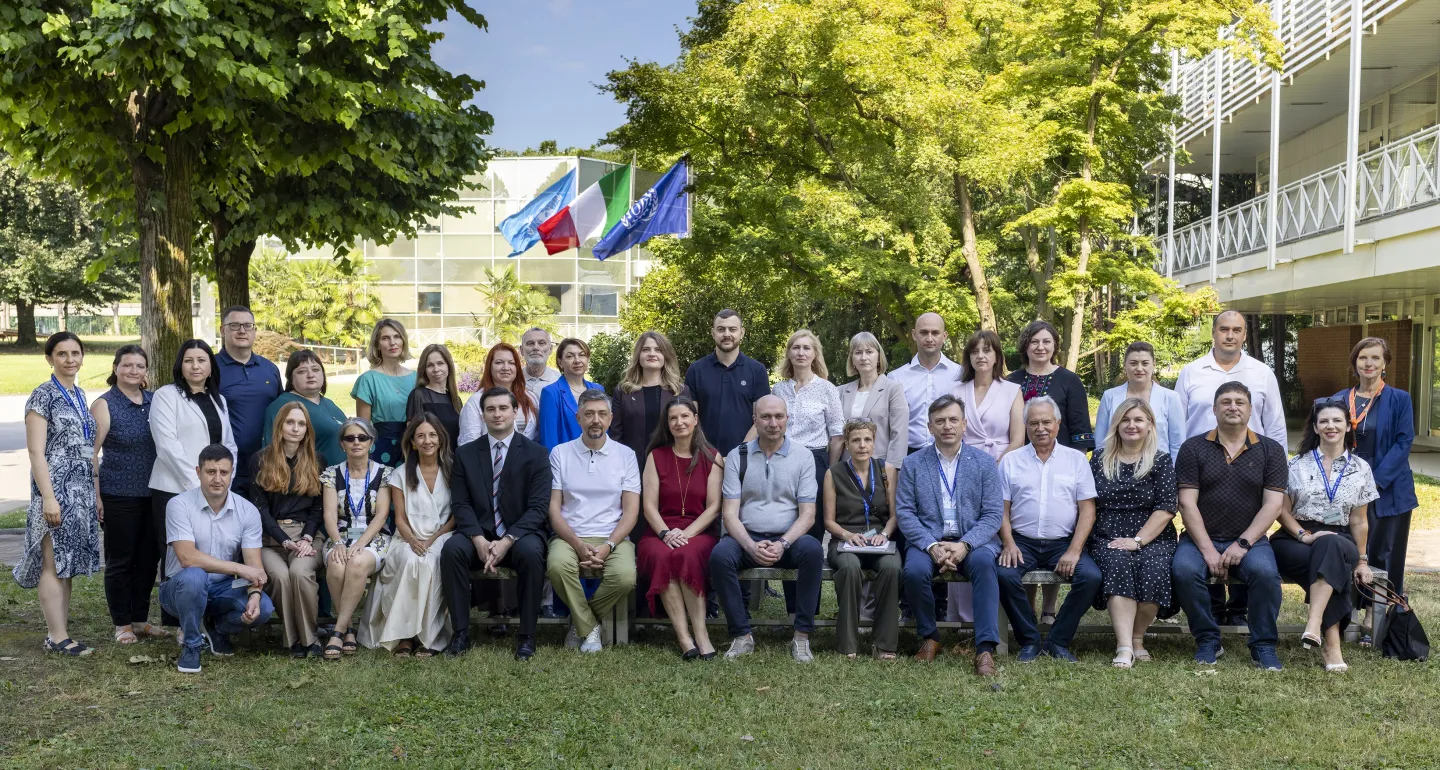
TURIN (ILO News) – Policymakers and trade union and employers’ representatives from the Republic of Moldova and Ukraine took part in a high-level training programme on equal pay organized by the International Training Centre of the ILO (ITCILO), in collaboration with the ILO. The blended course, titled “Achieving equal pay: Key concepts and practical approaches,” ran from 23 June to 18 July 2025 and brought together 25 participants.
The training aimed to strengthen the capacity of national stakeholders to address gender-based pay gaps and promote the principle of equal pay for work of equal value.
Following a three-week online phase (23 June – 11 July), which included live webinars, interactive readings, and technical discussions on the fundamentals of pay equity, the drivers of gender-based pay gaps, and international legal and policy frameworks, a one-week face-to-face course (14–18 July) was held at the ITCILO Campus in Turin, Italy.
Moldovan and Ukrainian participants engaged with international experts on reviewing practical tools, legal standards, and methodologies to advance pay equity. The programme covered the ILO Equal Remuneration Convention (No. 100), the ILO’s job evaluation and pay gap measurement tools, and the EU Pay Transparency Directive, highly relevant to Moldova and Ukraine, both EU candidate countries.
The training also featured case studies from Sweden, Portugal, Switzerland, and Spain with a focus on translating international standards into national practice. Sessions highlighted the critical role of wage-setting policies and collective bargaining in closing the gender pay gap. The training aimed to build the capacity of social partners to apply the principle of “equal pay for work of equal value” within collective agreements and wage-setting processes.
The programme fostered cross-border learning, with participants jointly developing tripartite national roadmaps to promote pay equity. These included legal reforms, capacity building for wage and bargaining committees, and practical guidance for labour inspectors.
The activity was held under the project “Enhance Peace and Prosperity through Women’s Leadership and Inclusion (Women for Peace and Prosperity),” with financial support from the Government of Switzerland and the ILO.