

Technical Cooperation
International good practices to promote gender equality at work
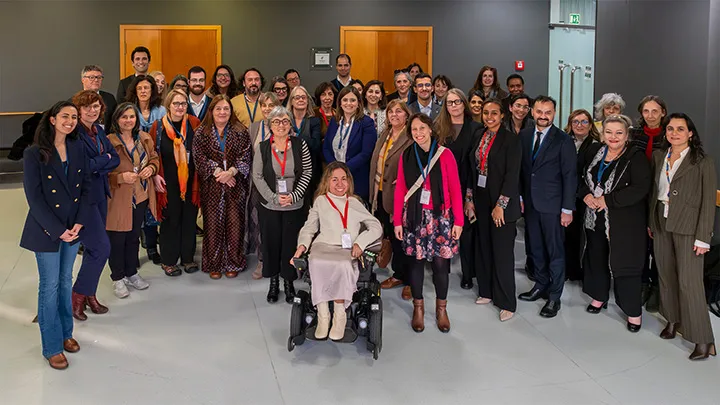
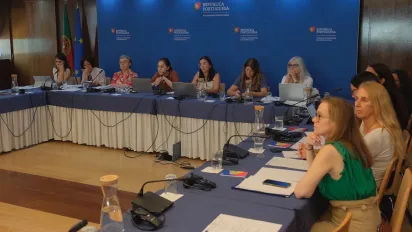
Equal pay, gender-based occupational desegregation and gender-responsive budgeting were among the topics discussed at the international workshop held in Lisbon on 3 March, which brought together more than 20 European and international experts with the aim of sharing good practices and strengthening cooperation in promoting gender equality at work in Portugal.
4 March 2026
LISBON (ILO News) – The International Workshop Promoting Policies for Work Life Balance and Gender Equality in the labour market in Portugal included the participation of European networks working on the coordination of equality bodies, labour inspection and public employment services, in addition to more than 40 national participants from public institutions in the areas of labour, employment, social security and gender equality, as well as representatives of the Portuguese social partners.
From the presentations by the participating countries and authorities, Austria, Belgium, Costa Rica, Spain, Italy, Norway, Portugal and Sweden, several priority areas for action emerged to accelerate progress in gender equality at work and work–life balance.
Among the main conclusions was the need to establish gender equality as a cross-cutting political priority, going beyond the scope of specific bodies. This objective should be embraced by all areas of government and by each institution, which requires ensuring a sufficient number of focal points to guarantee the effectiveness and reach of the actions. The importance of moving from institutionally neutral approaches towards inclusive gender perspectives was also highlighted, in order to better reflect the gender division of labour and make public policies more responsive to the needs and objectives they seek to address.
The production and use of information were identified as strategic resources. Data collection and its analyses should be guided by clear objectives: understanding reality, informing decision-making and improving interventions. Furthermore, more detailed and accurate data increases the capacity to design public policies that are better tailored to actual needs. Effective intervention depends on a rigorous understanding of reality. Monitoring and the evaluation of public policies, programmes and plans were also identified as essential processes to ensure effectiveness and relevance. For these processes to fulfil their purpose, it is necessary to clearly define their objectives, responsibilities and the use of results, ensuring that the invested resources generate a proportional return.
The discussions also highlighted the need to equip the different areas of intervention, such as labour inspection, enforcement of legislation and employment services, with working tools suited to their specific mandates.
Finally, the importance of continuous, structured and comprehensive training processes was emphasised, involving all actors in the world of work: employers, trade unions and labour administration authorities. Ongoing training was identified as crucial for strengthening the quality of interventions and promoting alignment among the different actors, ensuring greater consistency in responses.
The workshop was organised as part of the project “Promoting work–life balance and gender equality policies in the labour market in Portugal”, funded by the European Commission and jointly organised by the ILO, CITE and DGERT.
You may also be interested in
Technical Cooperation
Promoting gender equality and work life balance in the Labour Market in Portugal

Gender equality
A partnership for a more gender-responsive labour market in Portugal