

ILO supports Senegal in advancing inclusive skills development for persons with disabilities
On April 24, 2026, Senegalese stakeholders validated an action plan on inclusion of people with disabilities in vocational and technical training (VTT). Organized by the Ministry of Employment and Vocational and Technical Training (MEFPT), with technical and financial support from the International Labour Organization (ILO) and Norway under the Global Skills Programme, this event marks a key milestone in building a more inclusive and accessible skills development system in Senegal.
27 April 2026
Engaging Key Stakeholders
Dakar (ILO news) – Implemented by the International Labour Organization in partnership with the Ministry of Employment and Vocational and Technical Training (MEFPT) and funded by Norway through the Global Skills Programme, the workshop aimed to present the results of an assessment on disability inclusion in TVET and validate the 2026–2030 national action plan developed with stakeholders. The initiative aligns with Senegal’s National Transformation Agenda 2050 and international commitments, including ILO Convention No. 159 and the Sustainable Development Goals 4 and 8.
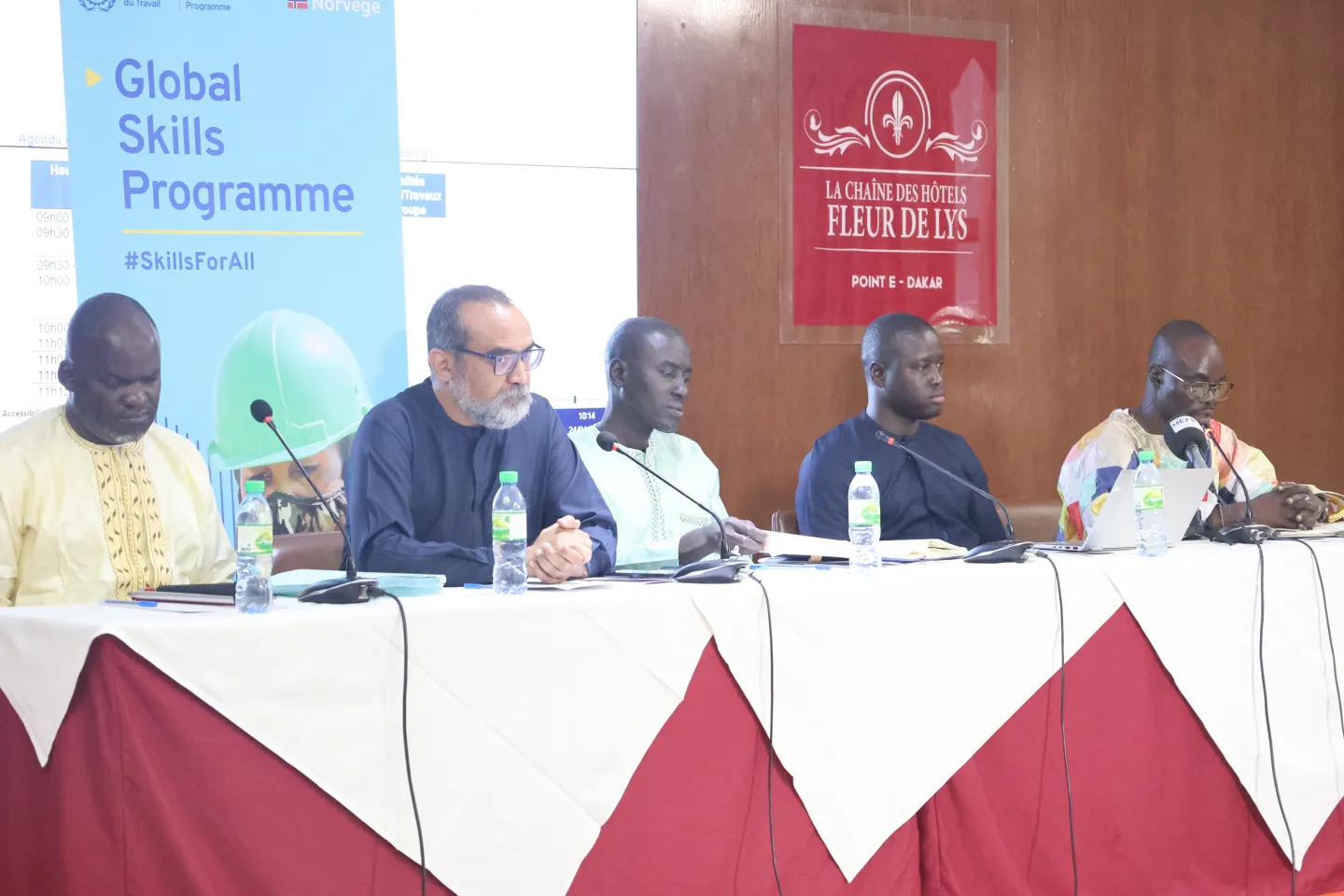
The opening ceremony, presided over by the representative of the Director-General of Technical and Vocational Education and Training reaffirmed the commitment of public authorities and partners to advancing inclusive vocational training in Senegal. Representatives from government institutions, organizations of persons with disabilities, employers’ and workers’ organizations, technical partners, and the International Labour Organization highlighted the need to strengthen inclusion mechanisms, improve accessibility of training environments and materials, and build the capacities of trainers to better respond to the needs of persons with disabilities.
An assessment highlighting persistent challenges
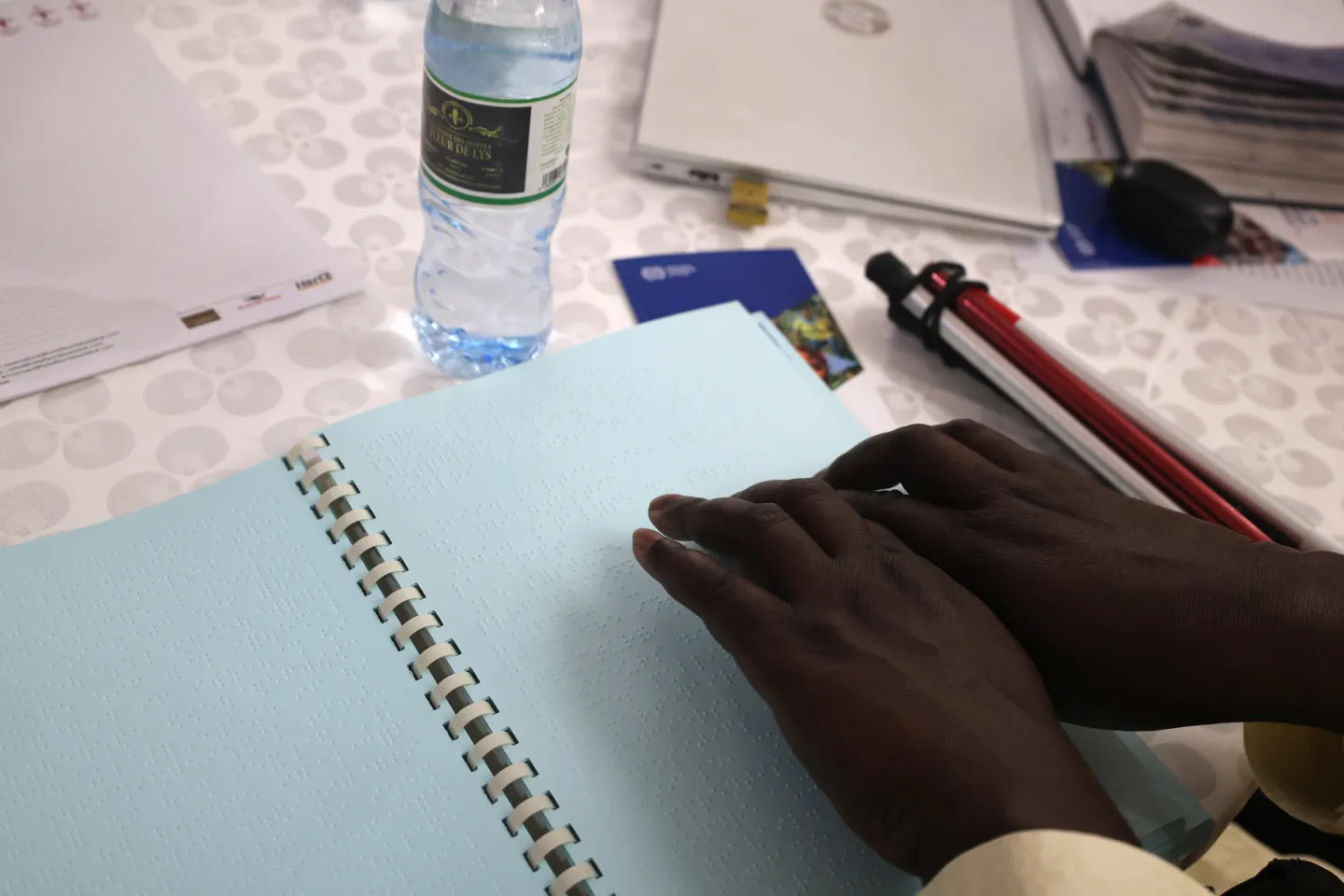
The workshop also presented the findings of an assessment on the inclusion of persons with disabilities in TVET. While progress has been made, the study identified several persistent challenges, including limited accessibility of training infrastructure, insufficient adaptation of learning materials, limited specialized training for instructors, and barriers to the labour market integration of persons with disabilities.
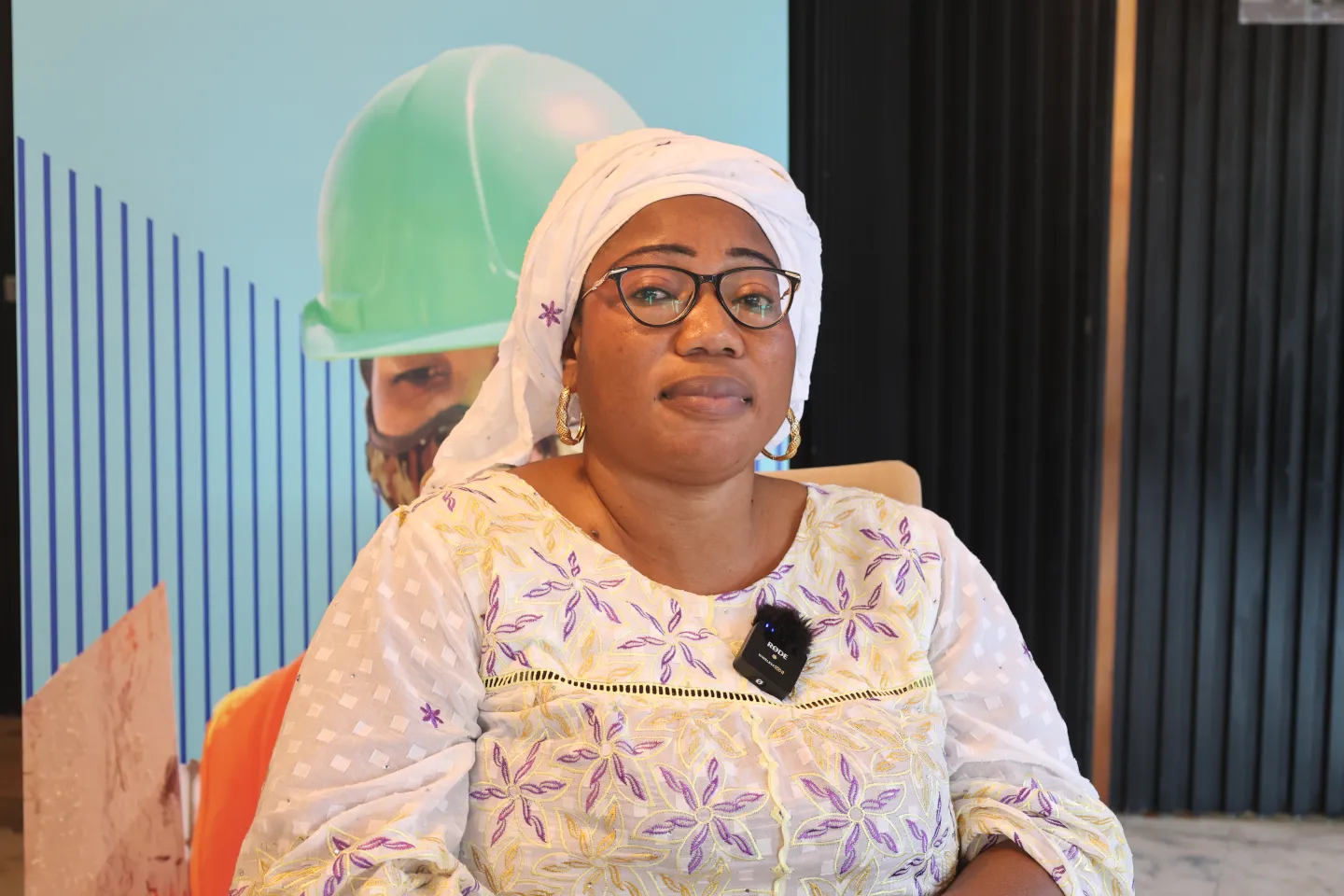
“Our main barrier to vocational training is access,” explained Isseu Gaye, Women’s Chair of the Federation of People with Disabilities. “Many training centres are not adapted to our needs. I had to stop my studies because the classrooms were inaccessible. This initiative through Global Skills Programme is therefore very important for addressing these inequalities.”
A framework for action built around five strategic priorities
In response to the findings, stakeholders validated a framework document and a 2026–2030 national action plan on the inclusion of persons with disabilities in TVET. The framework is structured around five strategic priorities: governance, sustainable financing, accessibility and capacity building, the transition from training to employment, and social and territorial inclusion. Together, these measures aim to strengthen equitable access to skills development and employment opportunities for persons with disabilities in Senegal.
Fruitful Discussions and Concrete Recommendations
Discussions during the workshop highlighted persistent challenges related to the participation of persons with disabilities in training programmes, as well as the accessibility of training institutions and learning materials. Participants also stressed the importance of adapting training standards, and promoting equitable access to training opportunities across regions.
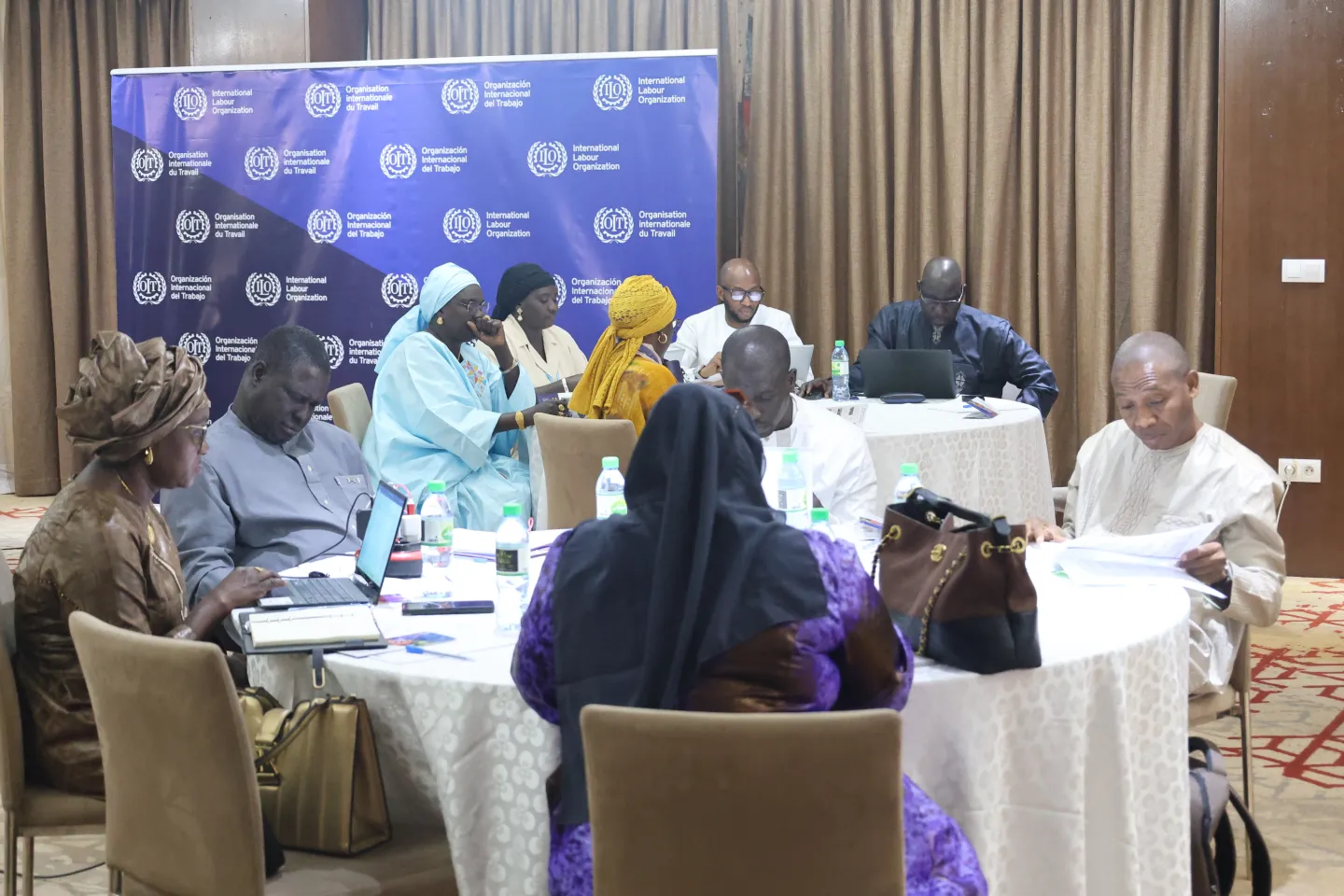
Working groups organized around the five strategic priorities enabled participants to develop concrete recommendations, which were later shared and discussed in plenary, reinforcing collective ownership of the proposed actions.
A decisive step toward greater inclusion
The workshop concluded with a shared validation of the assessment findings and the identification of priority actions to strengthen disability inclusion in TVET. Participants also endorsed a costed national action plan aimed at promoting the inclusion of persons with disabilities in public vocational training and employment opportunities.
A Commitment to Action
The workshop demonstrated the strong commitment of the Senegalese authorities and their partners to advancing inclusive vocational and technical education in Senegal. The validation of the assessment and the 2026–2030 action plan marks an important step from dialogue to action, paving the way for more accessible training and employment opportunities for persons with disabilities.
Related content
ILO Global Skills Programme

ILO's Africa Skills Hub