

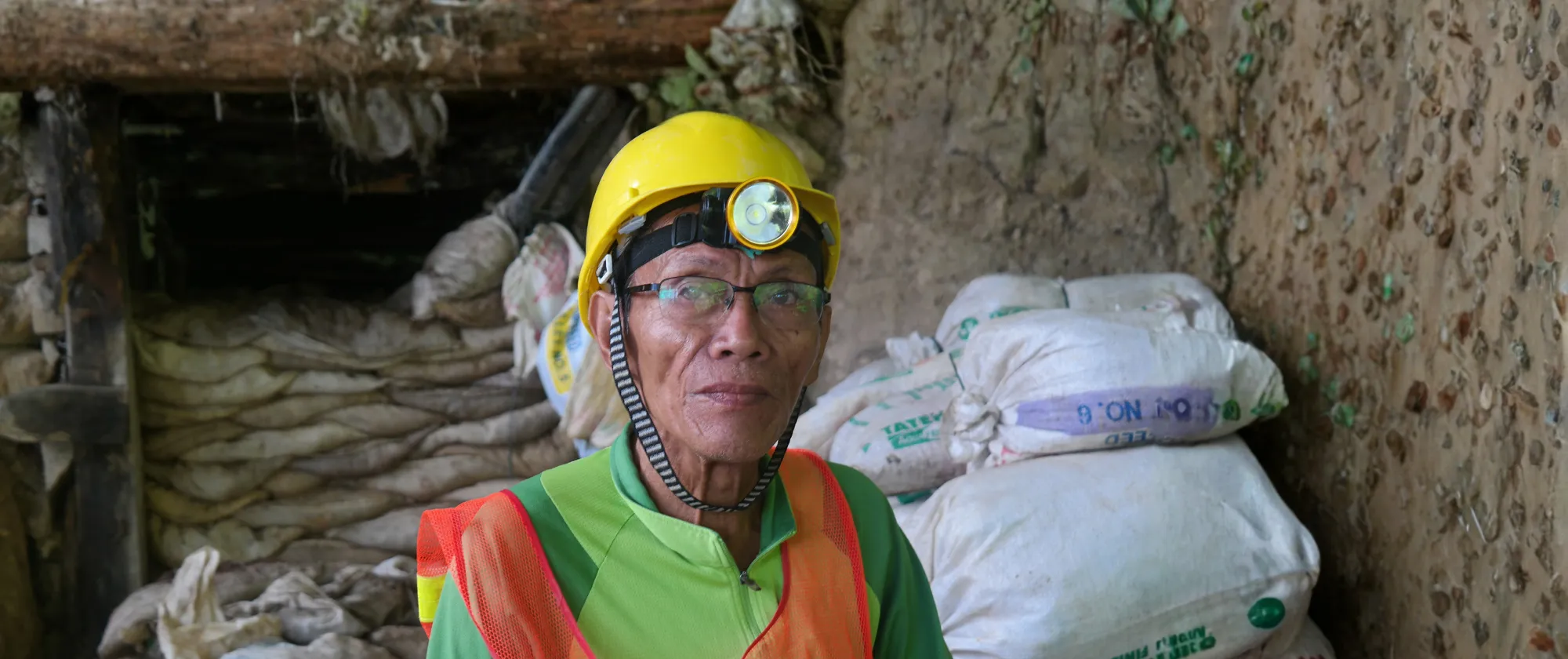
Responsible business conduct
ILO, partners launch initiative for responsible Philippine nickel supply chains
New initiative comes as rising demand for critical minerals puts greater focus on decent work, responsible business conduct and sustainable production in the Philippines.
3 September 2026
MANILA (ILO News) - A new initiative to strengthen responsible nickel supply chains in the Philippines comes at a crucial time as global demand for critical minerals rises and businesses face greater expectations to protect workers and address risks across their supply chains.
Nickel is essential to stainless steel, batteries, industrial alloys and energy storage technologies. It also plays an important role in the clean energy transition.
For the Philippines, a major nickel producer and exporter, growing demand offers opportunities for jobs, investment and local economic development. It also increases the need for strong labour governance, safe working conditions, responsible business practices, and greater transparency and accountability across the supply chain.
“The Philippines’ nickel sector offers significant opportunities for investment, business development and quality job creation as demand grows. But sustainable growth must go hand in hand with decent work, respect for labour rights, safe and healthy working conditions, environmental sustainability, and meaningful dialogue with workers and affected communities,” said Khalid Hassan, Director of the International Labour Organization (ILO) Country Office for the Philippines.
The ILO, with support from the Government of Japan, launched the Responsible, Inclusive and Sustainable Nickel Supply Chains Project (RISSC-Nickel) in Manila on 2 September 2026.
The project will work with government, employers, workers, industry and civil society to strengthen labour governance, responsible business conduct and decent work across the Philippine nickel supply chain.
Occupational safety and health, labour inspection and enforcement, subcontracting, worker representation and access to remedy are among the concerns identified by partners. Greater transparency and traceability, as well as stronger human rights due diligence, are also priorities.
These issues are becoming more important as companies face growing expectations to identify and address labour and human rights risks throughout their operations and supply chains.
The Department of Labor and Employment (DOLE) stressed that the benefits of industry growth should extend to workers and communities.
“The future of the Philippine nickel industry must be measured not only by its economic contribution, but also by its impact on workers, communities and sustainable development,” said DOLE Undersecretary Carmela Torres.
The project also recognizes that decent work and responsible business practices can support stable and sustainable mineral production.
“Providing a safe environment and protection for mine workers also contributes to the stable and sustainable production of minerals. A mining industry that provides safe and decent work is better positioned to maintain stable operations and develop sustainable production over the long term,” said Suzuki Yuki, First Secretary and Labour Attaché of the Embassy of Japan in the Philippines.
During the launch, partners examined developments in the Philippine mining industry, global supply chain trends and the changing expectations around responsible sourcing. They also discussed how stronger social dialogue, worker representation, transparency and accountability can support a more sustainable nickel industry.
The Mines and Geosciences Bureau underscored the need to balance economic opportunities with social and environmental responsibility.
“Sustainable business development is not only about production volumes. It is fundamentally about the people, communities and environments that make this industry possible,” said Larry Heradez, Director of the MGB.
The launch brought together perspectives on the labour, industry and governance challenges shaping the nickel supply chain.
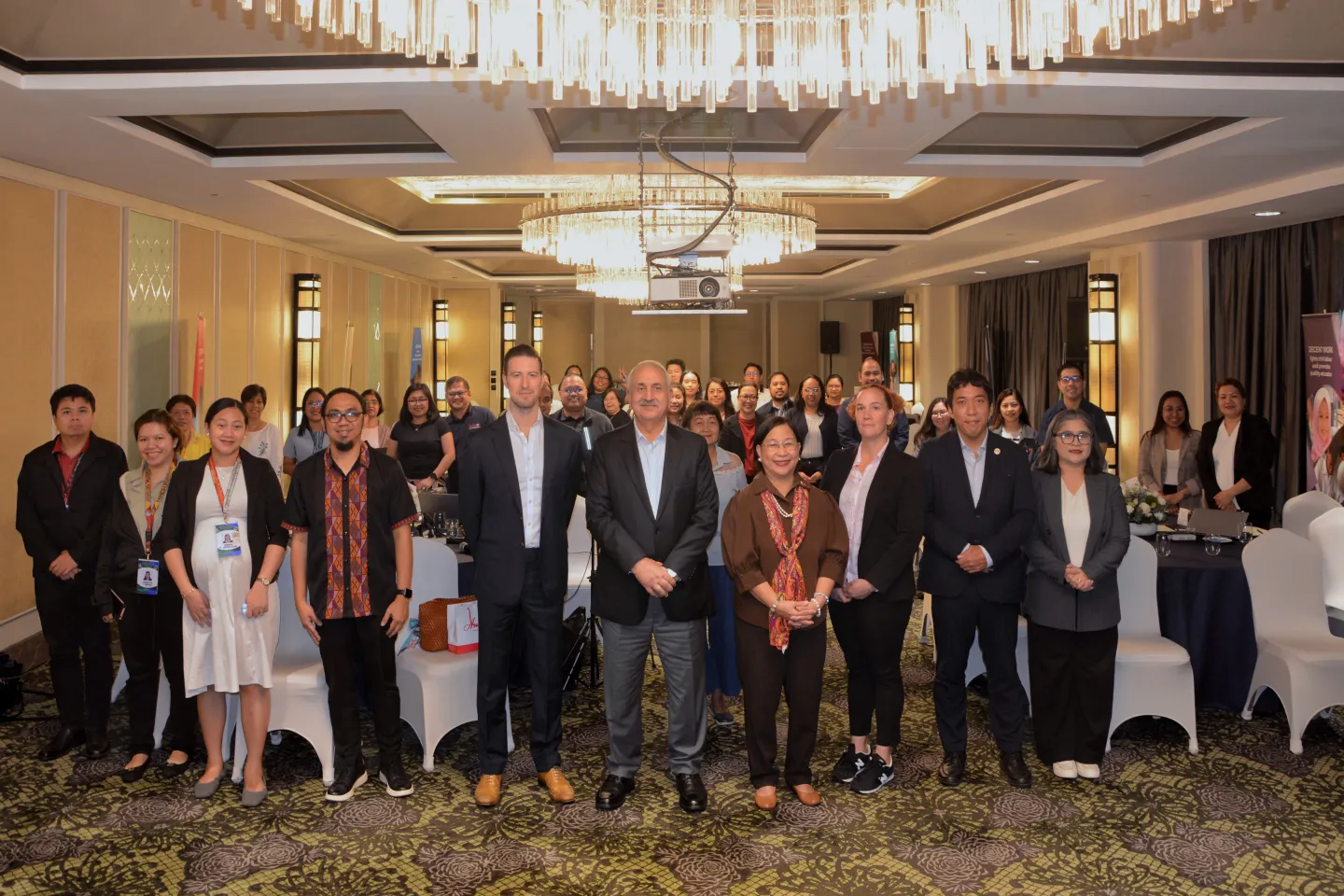
David Williams, RISSC-Nickel Project Manager, outlined how the project will respond to evolving expectations on labour rights, human rights due diligence, responsible business conduct and supply chain transparency. ILO Regional Coordinator for Decent Work in Global Supply Chains Valkyrie Hanson placed these priorities within the wider green and digital transitions, where demand for critical minerals continues to grow.
The industry and governance dimensions were also examined. Teodorico Lapitan Marquez Jr. of the Mines and Geosciences Bureau provided an overview of the Philippine nickel sector and recent policy developments. Mary Ann Rodolfo, National Coordinator of the Philippine Extractive Industries Transparency Initiative, pointed to transparency and accountability as important safeguards for responsible mineral development.
From the employers’ perspective, Jelermina Roxas-Gorospe, Deputy Director General of the Employers Confederation of the Philippines (ECOP), stressed the role of social dialogue and cooperation in turning these priorities into concrete improvements for workers, enterprises and communities.
These inputs, together with priorities identified by government, employers, workers, industry and civil society, will guide the project implementation through 2028.
The project will overall support cooperation across the nickel supply chain so that growing demand for Philippine nickel contributes to decent work, responsible business conduct and sustainable development.
Additional details
References
- DOI: N/A
Relevant projects
Supply Chains, Responsible Business Conduct
Responsible, Inclusive, and Sustainable Nickel Supply Chain in Indonesia (RISSC-Nickel)
Supply Chains, Responsible Business Conduct
Responsible, Inclusive and Sustainable Nickel Supply Chains in the Philippines (RISSC-Nickel)

Supply Chains, Responsible Business Conduct
Responsible, Inclusive and Sustainable Nickel Supply Chains (RISSC-Nickel)