

Supply Chains, Responsible Business Conduct
Responsible, Inclusive and Sustainable Nickel Supply Chains (RISSC-Nickel)
Funded by the Government of Japan, the RISSC-Nickel project aims to advance decent work and respect for fundamental principles and rights at work in nickel supply chains by strengthening labour governance, catalysing enterprise-level improvement pathways, and aligning supply-chain actors around responsible business conduct.
Duration
1 April 2026 - 31 March 2028
Development partner(s)
Government of Japan (Ministry of Health, Labour and Welfare, MHLW)
Reference
RAS/26/03/JPN
Location
Philippines and Indonesia
Key Industry Facts
Global nickel production
has grown by nearly two-thirds in the last decade.
Indonesia and the Philippines
are the world’s two largest nickel producers.
Indonesia
has become a major global hub for nickel refining and processing
The Philippines
is the world’s biggest exporter of nickel ore.
- Nickel is vital to our industrial future and energy transition needs. It is used widely in the production of stainless steel, EV batteries and energy storage, aerospace, and electrification technologies.
- Global nickel production has grown by nearly two-thirds in the last decade, fuelling an industry boom in major nickel producing countries.
- Indonesia and the Philippines are two of the largest nickel producers globally. The Philippines is the world’s biggest exporter of nickel ore, whilst Indonesia has become a major global refining and processing hub.
- The nickel industry’s boom has also come with associated decent work challenges. Addressing them is vital to ensuring an inclusive and resilient industry future.
Countries covered
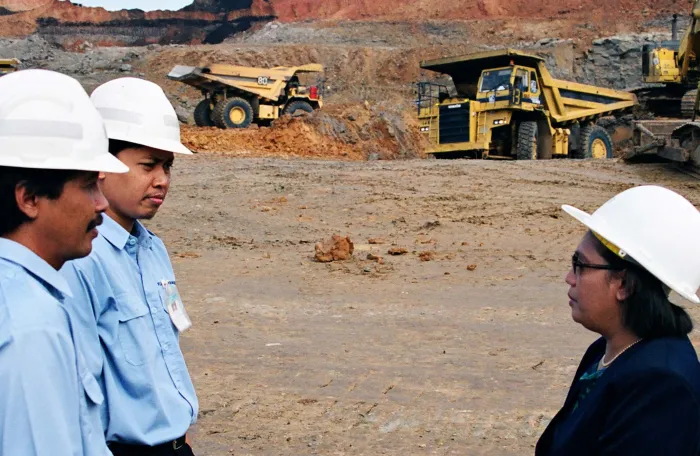
Indonesia
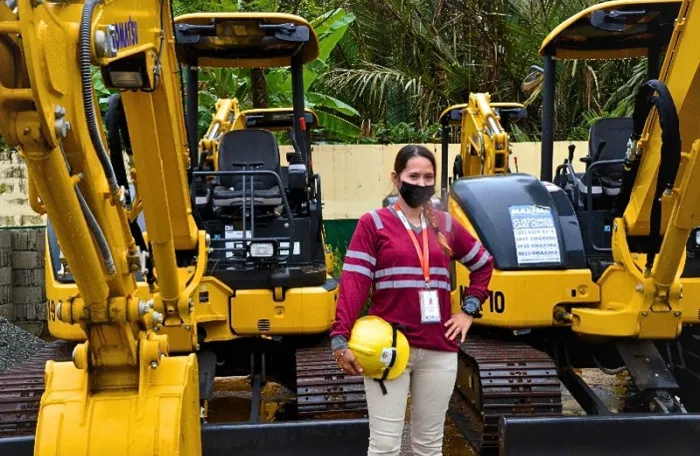
The Philippines
Expected Results
Decent Work and Responsible Business Conduct are more consistently enabled and reinforced in nickel supply chains, supporting stronger respect for fundamental principles and rights at work and more inclusive and sustainable national development.
Change should be visible in several key areas:
- Improved sectoral labour governance and compliance frameworks
- Growing industry uptake of new RBC models and approaches
- A coherent national policy vision for industry development
- Greater stakeholder alignment and collaboration for a more responsible nickel supply chain