

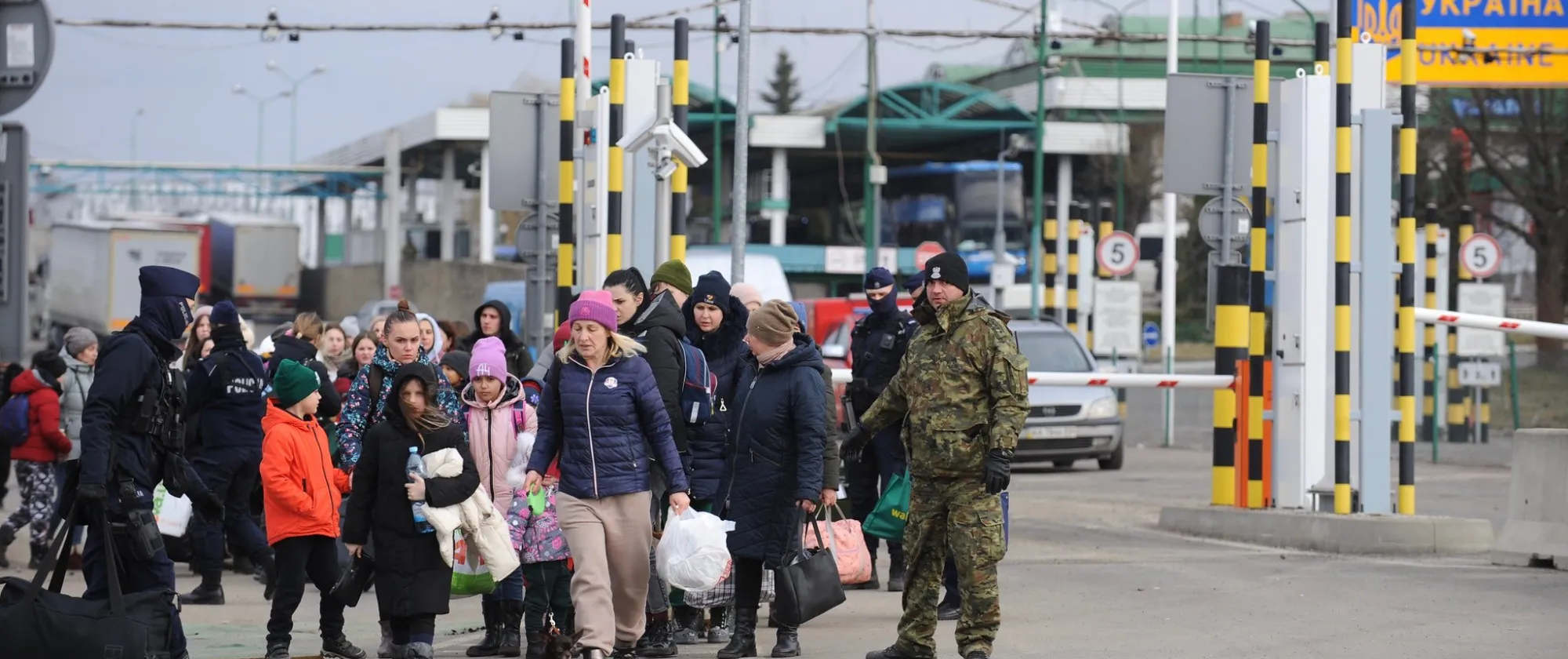
High employment, low wages: The economic reality of Ukrainian refugees
Analysis report reveals that despite increasing employment rates, Ukrainian refugees in neighbouring countries continue to face significant economic challenges. With 40 per cent living below the poverty line due to high housing costs, the need for targeted support is more urgent than ever. In the long run, better skills matching and improvements in wages would likely decrease poverty.
16 April 2025
GENEVA (ILO News) – A new inter-agency report sheds light on the persistent economic challenges faced by Ukrainian refugees in ten neighbouring countries. Despite an improvement in their overall economic situation since last year, a staggering 40 per cent of these refugees still live below the poverty line when high housing costs are taken into account, despite a 28 per cent rise in refugee wages.
The report highlights that while employment rates among refugees have risen to nearly match those of host populations, the quality of these jobs remains a significant concern.
Approximately 60 per cent of employed refugees are working in sectors unrelated to their previous experience, with minimal wage premiums for higher education levels. This mismatch between skills and employment sectors points to widespread underemployment and significant barriers to achieving economic stability.
“The wage premium for refugees with higher education is only 16 per cent, compared to 78 per cent for the host population. Neither refugees nor host countries should lose out on the economic opportunity of this highly skilled workforce”, said David Mosler, ILO Crisis Policy and Data analyst and co-author of the report.
The findings reveal that the financial vulnerability of refugees has tangible impacts on their daily lives. Many report feeling unsafe, insecure in their housing, and frequently missing out on essential healthcare. The situation is particularly dire for vulnerable groups such as older adults and individuals with disabilities, who also face most difficulty in accessing the labour market.
The report calls for targeted support from governments, development, and humanitarian actors to address these issues. Recommendations include designing support programs that consider the high poverty levels among refugees, accounting for housing cost disparities, and promoting employment opportunities that match refugees' skill levels. As women face particular challenges, stronger support to alleviate their care burden and access to more flexible working arrangements, such as telework and sliding hours, would be desirable.
As the international community continues to support Ukrainian refugees, this report underscores the urgent need to focus not just on employment rates, but on the quality and sustainability of the jobs available to this resilient population.
The joint report was launched on 11 April 2025 by all participating agencies – ILO, IOM, UN Women and UNHCR – under the platform of the Regional Refugee Response for the Ukraine Situation.
Related content

Topic portal
Crisis situations and response