

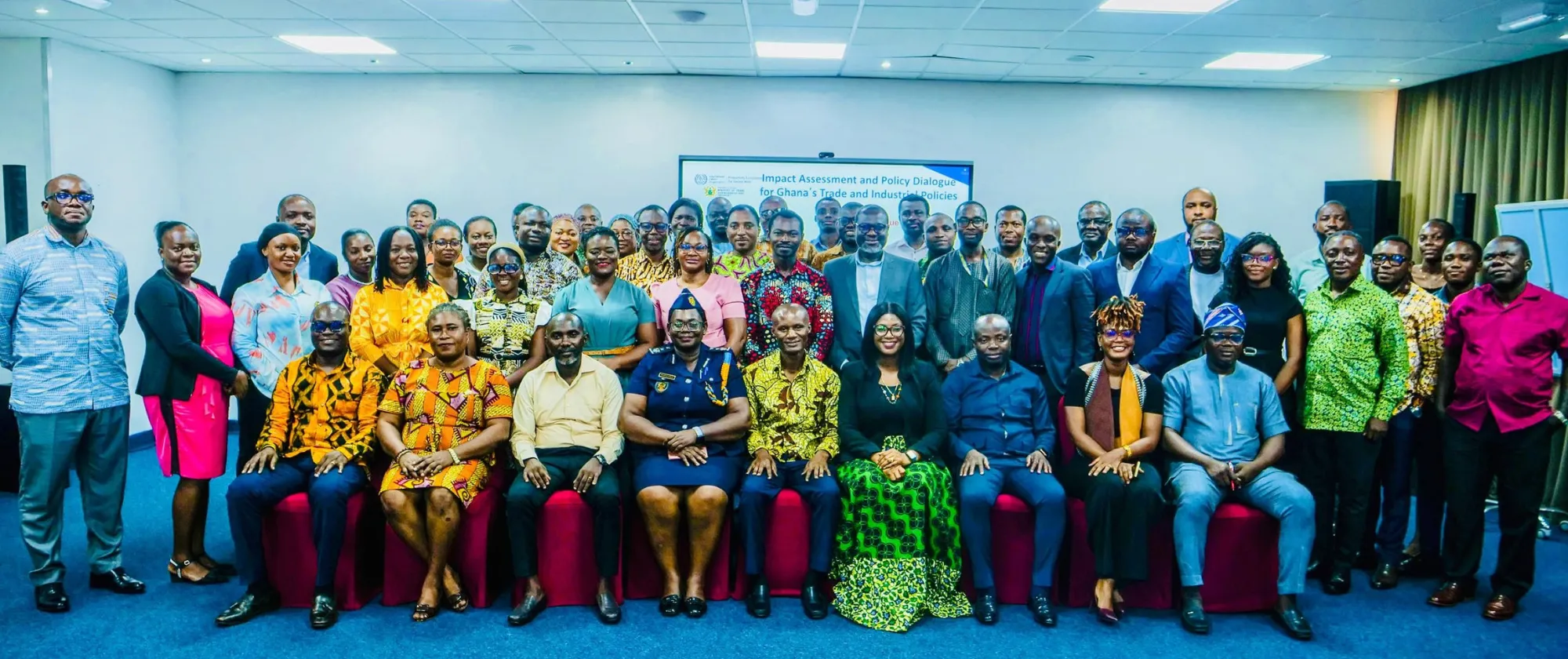
Ghana takes steps towards sustainable development through policy review dialogue on Trade and Industry
The Government of Ghana, in collaboration with the International Labour Organization (ILO), has initiated a comprehensive review of trade and industrial policies through a national stakeholder dialogue aimed at boosting productivity, employment, and sustainable development.
12 January 2026
Accra (ILO News) - The Ministry of Trade, Agribusiness and Industry, with technical support from the ILO’s Productivity Ecosystems for Decent Work Project, has launched a national stakeholder dialogue to review Ghana’s Trade and Industrial Policies. The initiative seeks to assess the impact of existing policies on productivity, employment, and inclusive economic growth.
The maiden dialogue brought together senior government officials, employers’ and workers’ organizations, development partners, financial institutions, the chamber of commerce, and academia. Key institutions represented included the Ministry of Finance, National Development Planning Commission, Ghana Export Promotion Authority, Bank of Ghana, and African Development Bank.
The review process will combine broad-based consultations with an evidence-based assessment of policy effectiveness. Findings will inform revisions to Ghana’s Trade Policy (2005) and Industrial Policy (2010), both designed to enhance manufacturing competitiveness, expand productive employment, and foster inclusive growth.
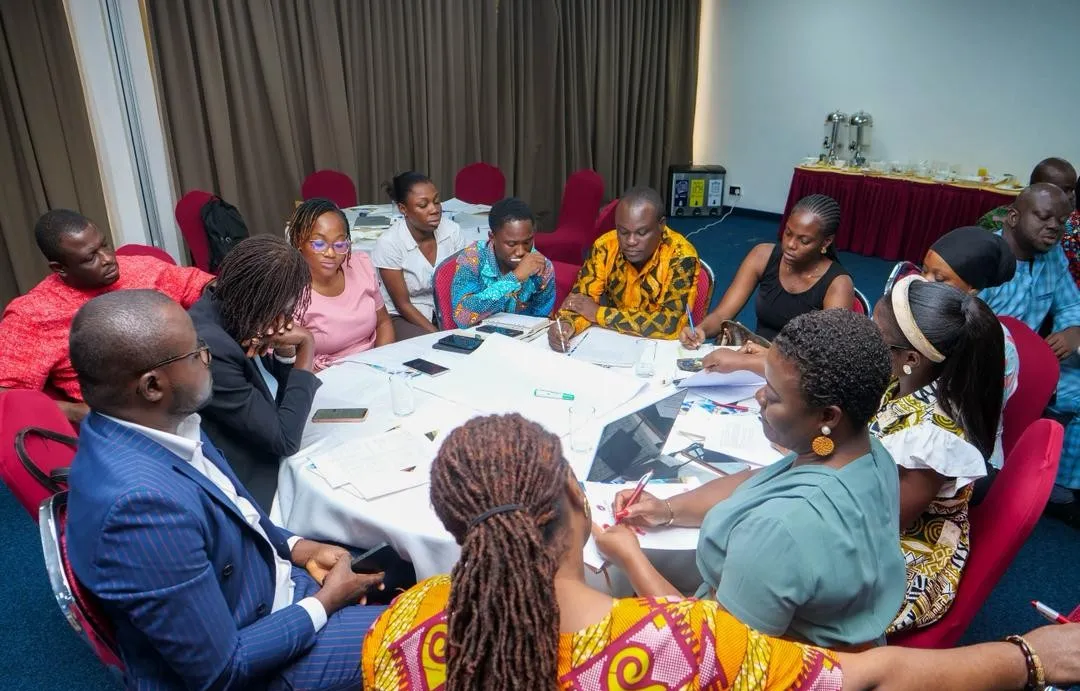
Speaking at the event, Mr. Noah Tumfo, Chief Director of the Ministry, acknowledged progress in export promotion and SME(Small and Medium-sized Enterprise) support but noted persistent challenges such as financing constraints, institutional coordination gaps, and monitoring weaknesses. “Addressing these challenges requires an objective, evidence-based assessment of what has worked well, what has not, and why,” he emphasized.
Speaking on behalf of Ms Vanessa Phala, the ILO Country Office Director for Nigeria, Ghana, Liberia, Sierra Leone and Liaison Office for ECOWAS, Enoch Cudjoe remarked “Inclusive policy dialogue is essential to ensure that trade and industrial strategies deliver decent work and sustainable growth. This review will provide practical, evidence-based recommendations to strengthen Ghana’s competitiveness while creating quality jobs.”
The ILO, in partnership with the Council for Scientific and Industrial Research (CSIR), will lead the impact assessment, focusing on competitiveness, employment creation, value addition, and sustainability. Stakeholders highlighted priority areas, including technology and innovation, labour productivity, gender equity, and reliable industrial data for wage determination.
This dialogue marks a significant step toward aligning Ghana’s trade and industrial policies with national development priorities and global economic realities. Further consultations will validate findings and ensure practical, inclusive recommendations for policy revision.
Relevant projects
Productivity
Productivity Ecosystems for Decent Work Project
Productivity ecosystems for decent work
Productivity Ecosystems for Decent Work Programme Ghana