

Green jobs
Turning adversity into opportunity thanks to biochar
In northern Côte d'Ivoire, Diallo Koundja and his family, asylum seekers from Burkina Faso, are regaining hope and dignity thanks to an ILO project on biochar.
6 August 2025
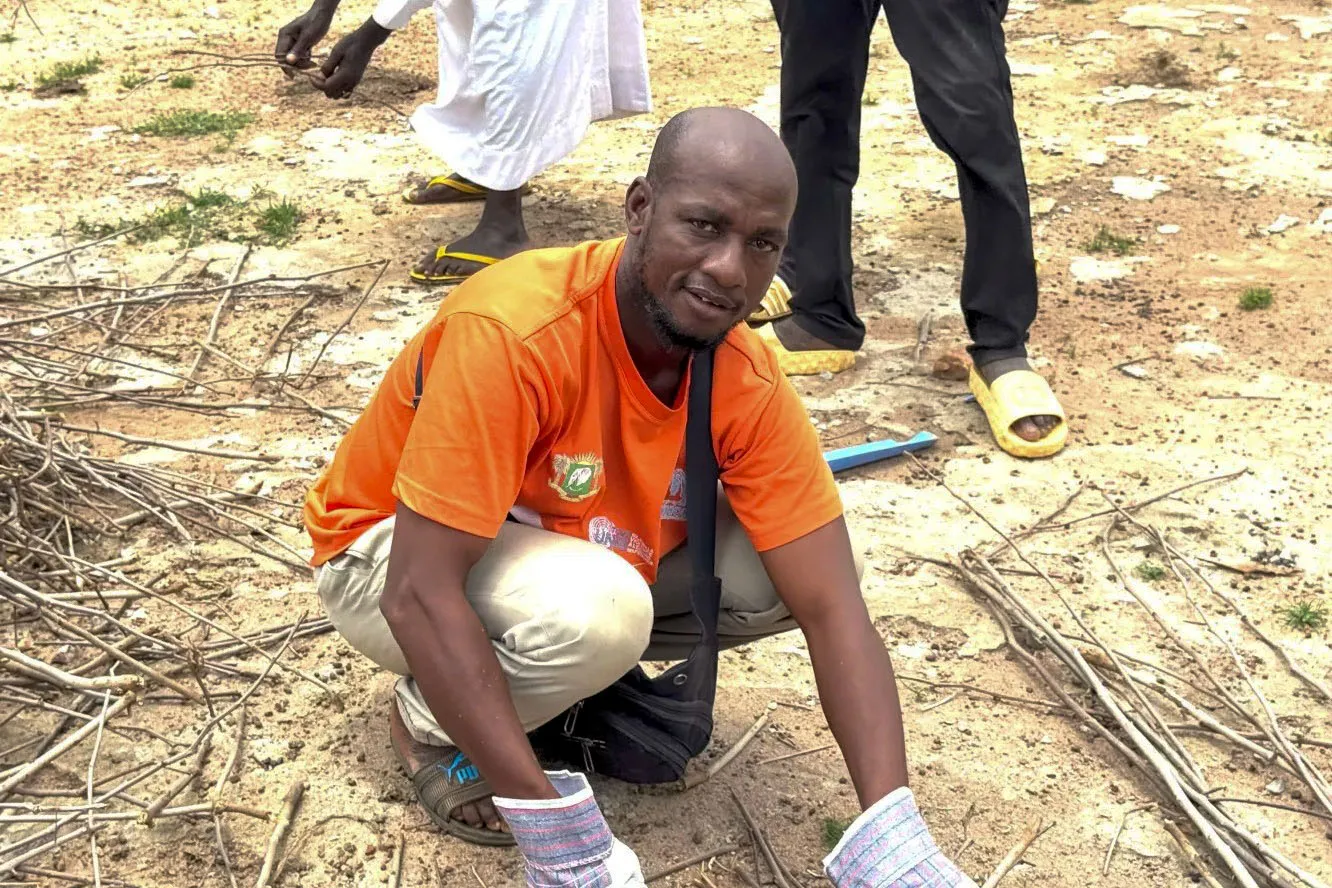
ABIDJAN (ILO News) – Father of seven children, Diallo Koundja left everything behind in Burkina Faso to escape insecurity. For the past two years, he has been living with his family at the Nioronigué asylum seekers' site in the municipality of Ouangolodougou, in northern Côte d'Ivoire.
In this cramped space, living conditions remain precarious. Access to water, land and opportunities still depends largely on humanitarian aid. Limited resources are putting social cohesion between refugees and host communities to the test.
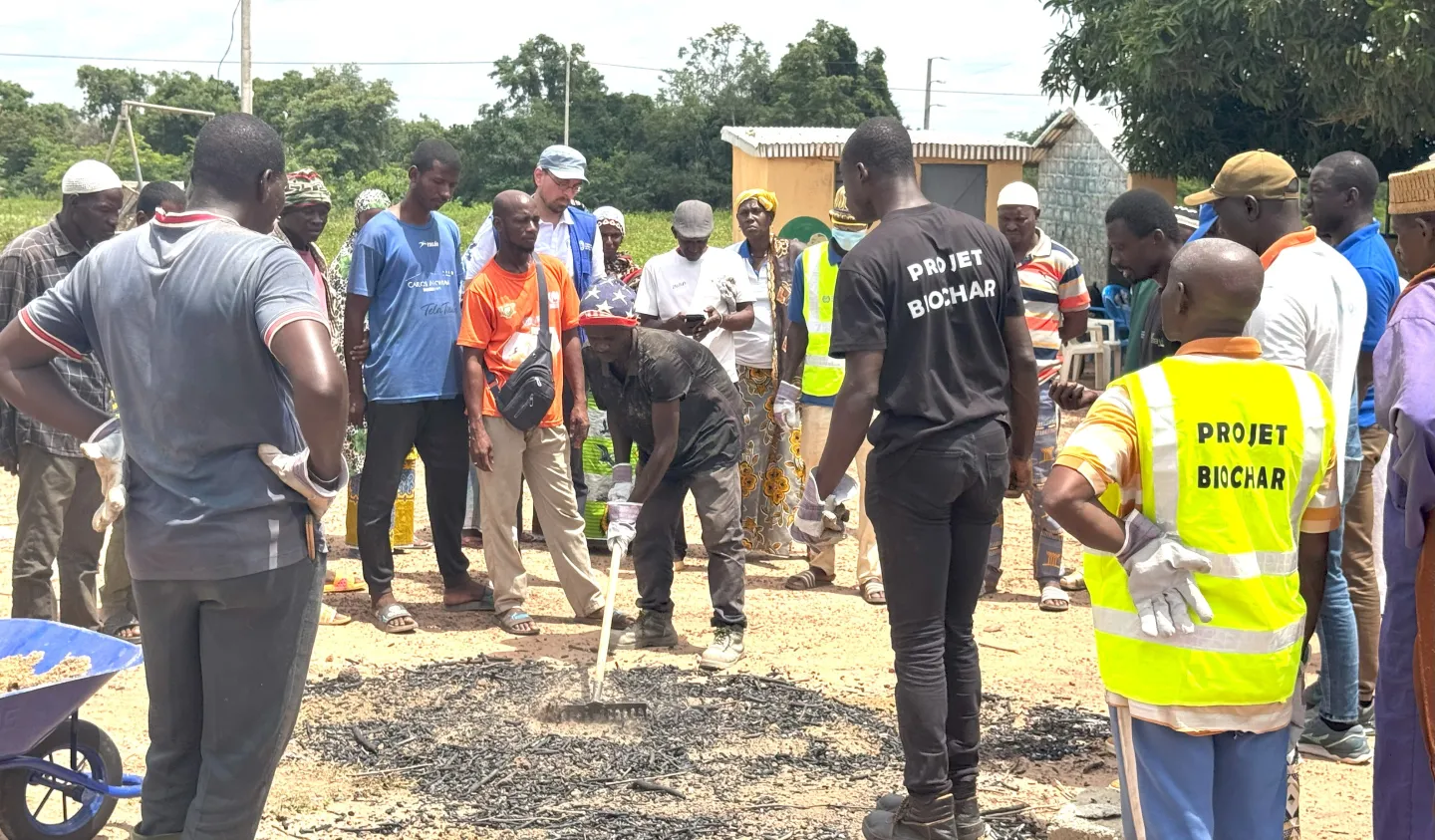
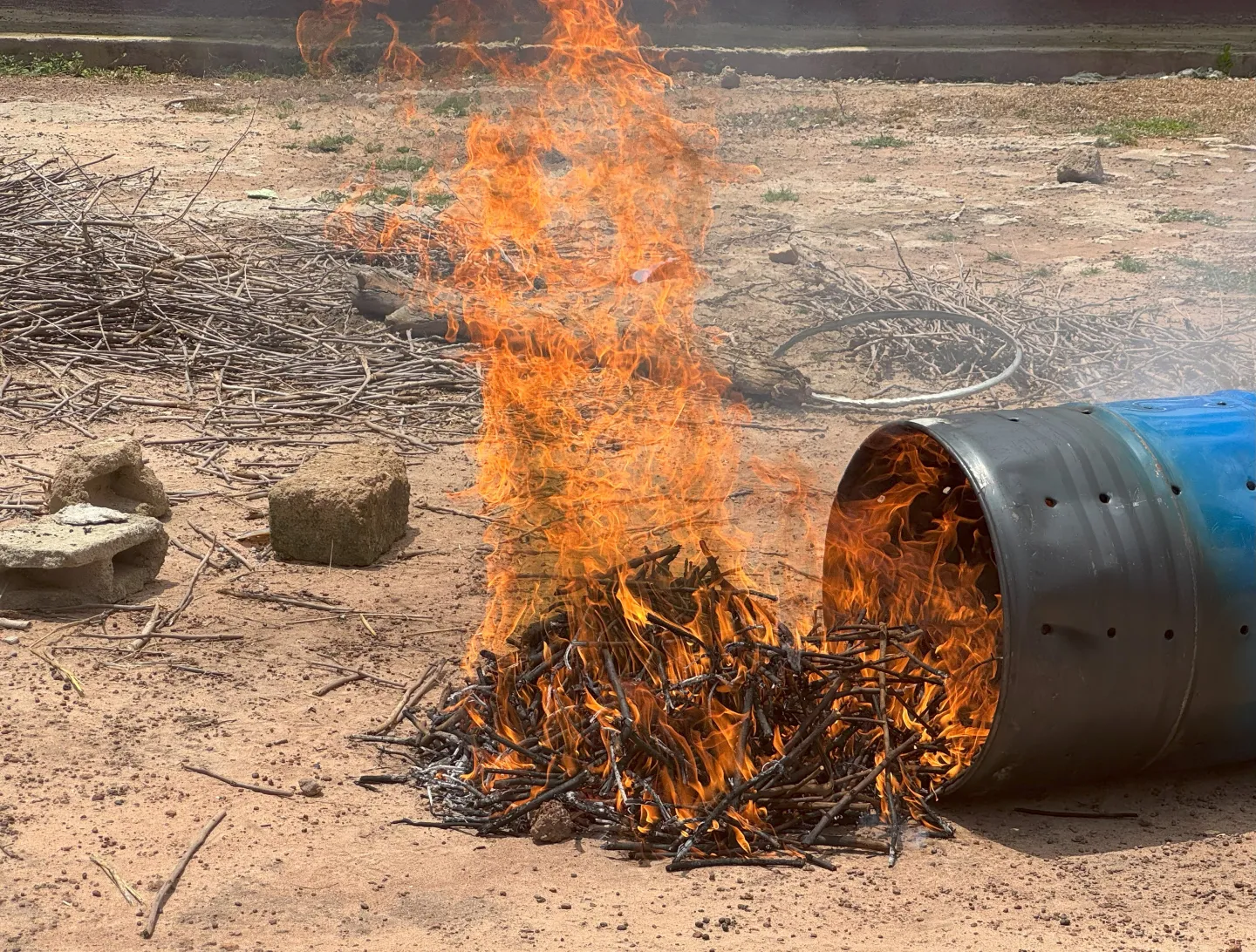
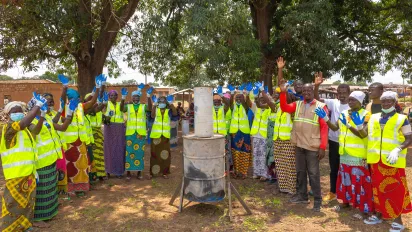
It is in this difficult context that an initiative by the International Labour Organization (ILO), supported by the Japanese people, is bringing new hope. Through the project ‘Green Jobs for Youth to Respond to the Refugee Crisis in Northern Côte d’Ivoire,’ the ILO is offering an innovative solution: transforming agricultural waste into organic soil enrichment to enrich the soil, improve productivity and reduce dependence on chemical fertilisers.
This technology, known as biochar, is changing the game for refugees like Diallo.
Biochar: a lever for economic empowerment for refugees
For Diallo, this project represents much more than just an economic activity. “I welcome this project with great satisfaction. Having mastered the biochar production process thanks to the ILO, I will turn it into a lucrative business with my family. I plan to produce more biochar and sell it to cotton, corn and sorghum farmers in the region,” he says with conviction.
Although he and the other asylum seekers do not yet have land to cultivate, they see this activity as a real opportunity to build their financial independence. Diallo even dreams of setting up a biochar sales outlet to provide a sustainable supply to local farmers.
Social cohesion at the heart of the biochar project
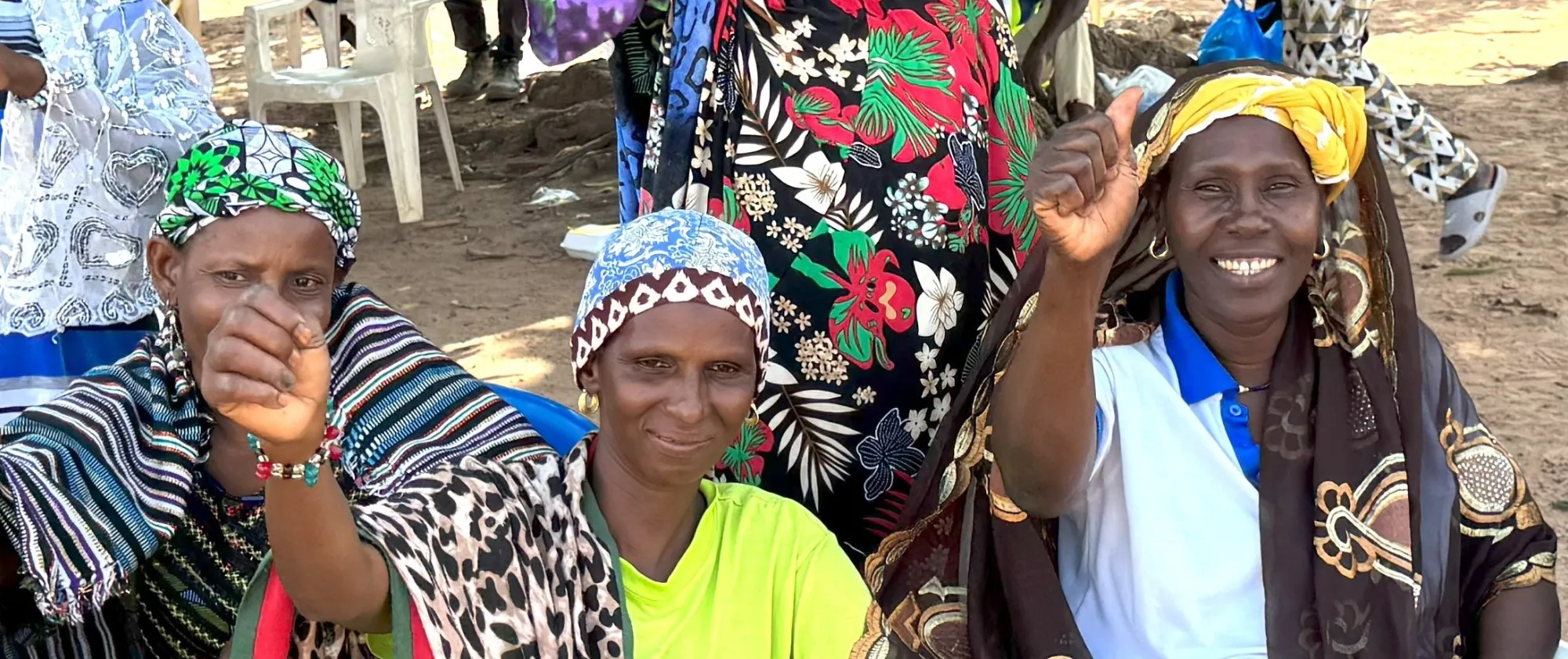
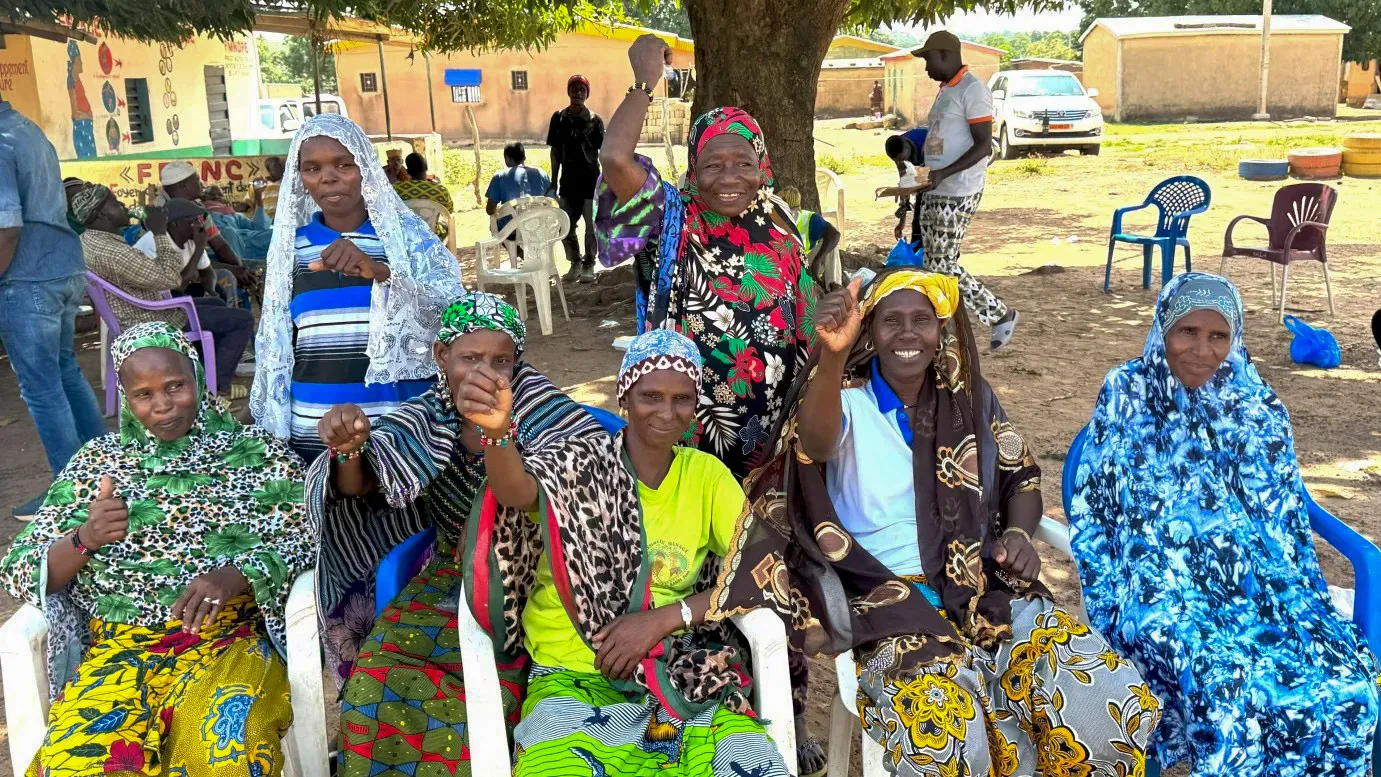
Beyond the economic prospects, the project acts as a catalyst for peace and social cohesion. At the Nioronigué site, the first cooperatives are taking shape, bringing together asylum seekers and host communities around a common goal: to promote local resources for shared development.
With these cooperatives, cohesion is strengthened and coexistence is more peaceful.
Diallo Koundja, asylum seeker
Thanks to biochar, hope is returning to Diallo and his family. Far from being a simple agricultural technique, biochar has become a lever for resilience, for rediscovered dignity and for social dialogue that makes it easier to live together.
A local solution to a global challenge
This ILO project perfectly illustrates how local solutions can respond to global challenges such as climate change, forced displacement, food insecurity and poverty. Here, biochar becomes much more than an agricultural technique; it is a tool for resilience, social dialogue and human transformation.
By enabling Diallo and his family to support themselves, this project led by the ILO and Japan does more than just provide training; it transforms lives. It gives asylum seekers like Diallo the means to rebuild their lives with dignity, alongside their new neighbours, for a shared future.
Related content
Green Jobs for Youth to Respond to the Refugee Crisis in Northern Côte d’Ivoire
Partnering for development
Japan – ILO Partnership
Relevant projects
Green Jobs for Youth to Respond to the Refugee Crisis in Northern Côte d’Ivoire