

Green Jobs for Youth to Respond to the Refugee Crisis in Northern Côte d’Ivoire
Empowering women, young people and refugees through climate-smart jobs
Duration
17 March 2025 - 16 March 2026
Budget
USD 990,099
Development partner(s)
Ministry of Foreign Affairs of Japan
Reference
CIV/24/02/JPN
Location
Kong and Ouangolodougou, Tchologo Region, Northern Côte d’Ivoire
The Challenge
Northern Côte d’Ivoire, particularly the Tchologo region, has become a major destination for refugees fleeing violence and insecurity in neighbouring Burkina Faso. As of late 2024, more than 68,000 refugees had crossed the border, with over 23,000 of them settling in Tchologo alone. Most are women and children. These arrivals have put added pressure on already vulnerable host communities. Poverty is widespread as nearly 63% of people in the region live below the poverty line, and employment opportunities, especially for youth, are scarce.
At the same time, the region is struggling with the growing effects of climate change. Rising temperatures and erratic rainfall have taken a toll on agriculture, the main source of income for most families. Traditional farming methods are no longer enough to support rural livelihoods. A new approach is urgently needed, one that can both boost economic opportunities and help communities adapt to the changing climate.
Our Solution: Green Jobs with Biochar
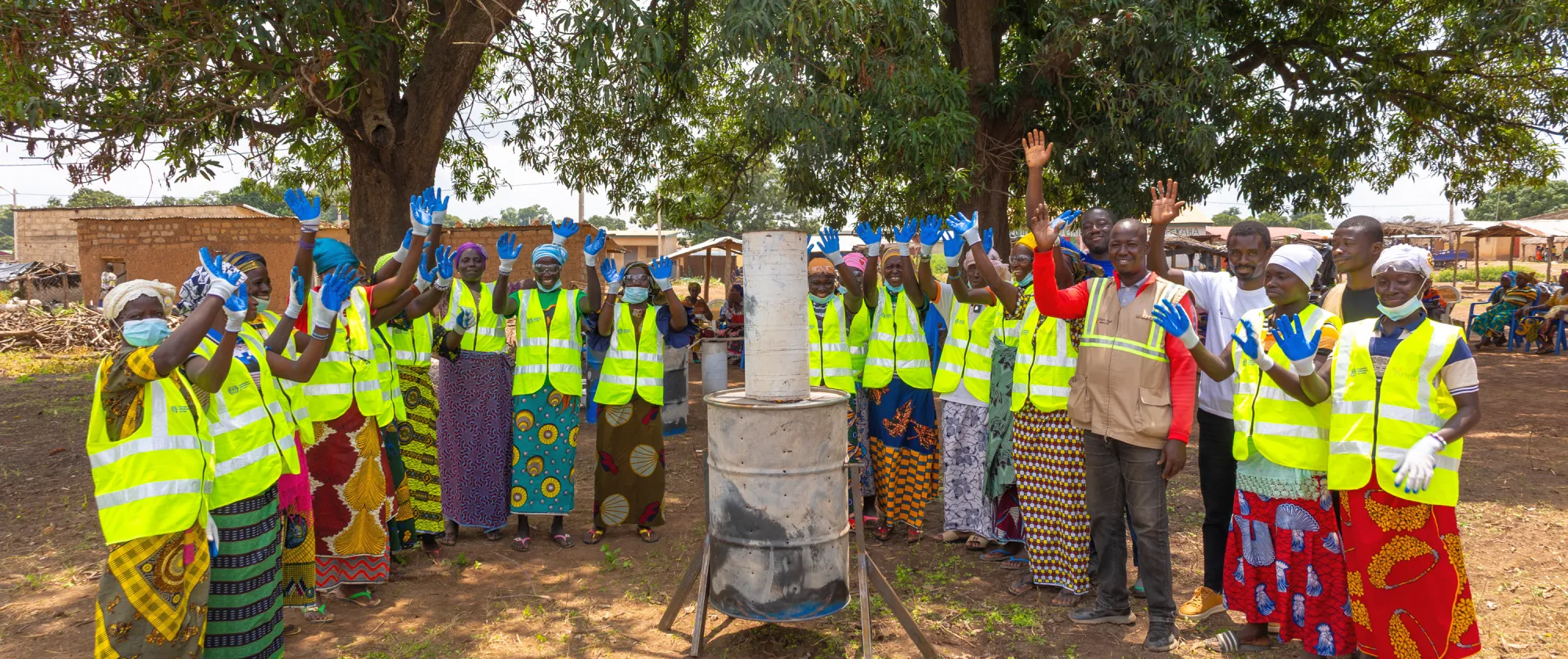
The ILO, with support from the Government of Japan, is launching this innovative project that connects climate action with job creation. It turns cotton stalks, which are normally agricultural waste, into opportunity:
- It traps carbon in the soil, helping to reduce greenhouse gas emissions.
- It improves soil health, boosting productivity for farmers.
- It creates green jobs, especially for young women and men from both refugee and host communities.

The project will...
- Support the creation of 24 youth-run biochar business units (5 people each, aged 18–40)
- Ensure 40% women’s participation.
- Groups trained in biochar production, entrepreneurship, and marketing.
- Over 27,000 indirect beneficiaries, including cotton farmers and their families.
What the Project Delivers
Skills for Sustainable Jobs
Youth will receive hands-on training in biochar production and entrepreneurship tailored to local needs.
Support to Launch Green Businesses
Coaching and mentorship will help each youth group set up and run their business, following Decent Work principles.
Private Sector Collaboration
Companies like Olam Agri (Mitsubishi Group) will be involved to ensure training corresponds to real labour market needs.
Social Cohesion and Peacebuilding
Refugees and host community members will work together, building mutual trust and cooperation.
Climate Action and Innovation
By promoting biochar, the project supports Côte d’Ivoire’s goal to reduce greenhouse gas emissions by over 30% by 2030.
Research and Development
A study on carbon savings will provide the foundation for potential carbon market participation.
A Model of Inclusive Partnership
This project is made possible through funding by the Government of Japan, building on a shared commitment to:
- Promote peace and economic inclusion.
- Create green jobs for youth.
- Support innovation in agriculture.
- Involve Japanese institutions and private companies.
- Build lasting ties between Japan and Africa.
The project also aligns with Japan’s commitment under the TICAD 8 Tunis Declaration and contributes to its Women, Peace and Security agenda by prioritizing women’s economic inclusion.
Why Biochar?
- Improves soil health and crop yields.
- Reduces greenhouse gases.
- Creates income and business opportunities.
- Reinforces social cohesion between refugees and host communities.
- Empowers women and youth in rural areas.

Key outcomes
- 👥 120 youth trained and employed
- ♀️ 40% women ♂️ 60% men
- 🌿 1 ton of cotton stalks = up to 1 ton CO₂ captured
- 📈 Over 5,400 cotton farmers and their families reached
- 🌍 4 SDGs addressed: SDG 1 (No Poverty), SDG 8 (Decent Work), SDG 13 (Climate Action), and SDG 16 (Peace, Justice and Strong Institutions)
This project is proof that when we invest in young people, innovation, and inclusion, we plant the seeds of peace and prosperity.
Funded by
News and stories
Green jobs
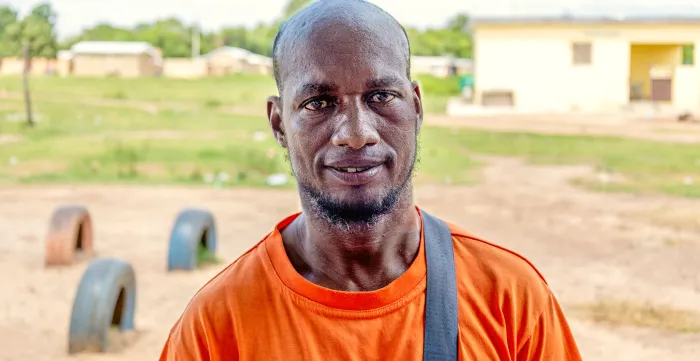
Turning adversity into opportunity thanks to biochar