

Child labour
Climate-smart cocoa project funded by the Government of Japan helps tackle child labour in Ghana
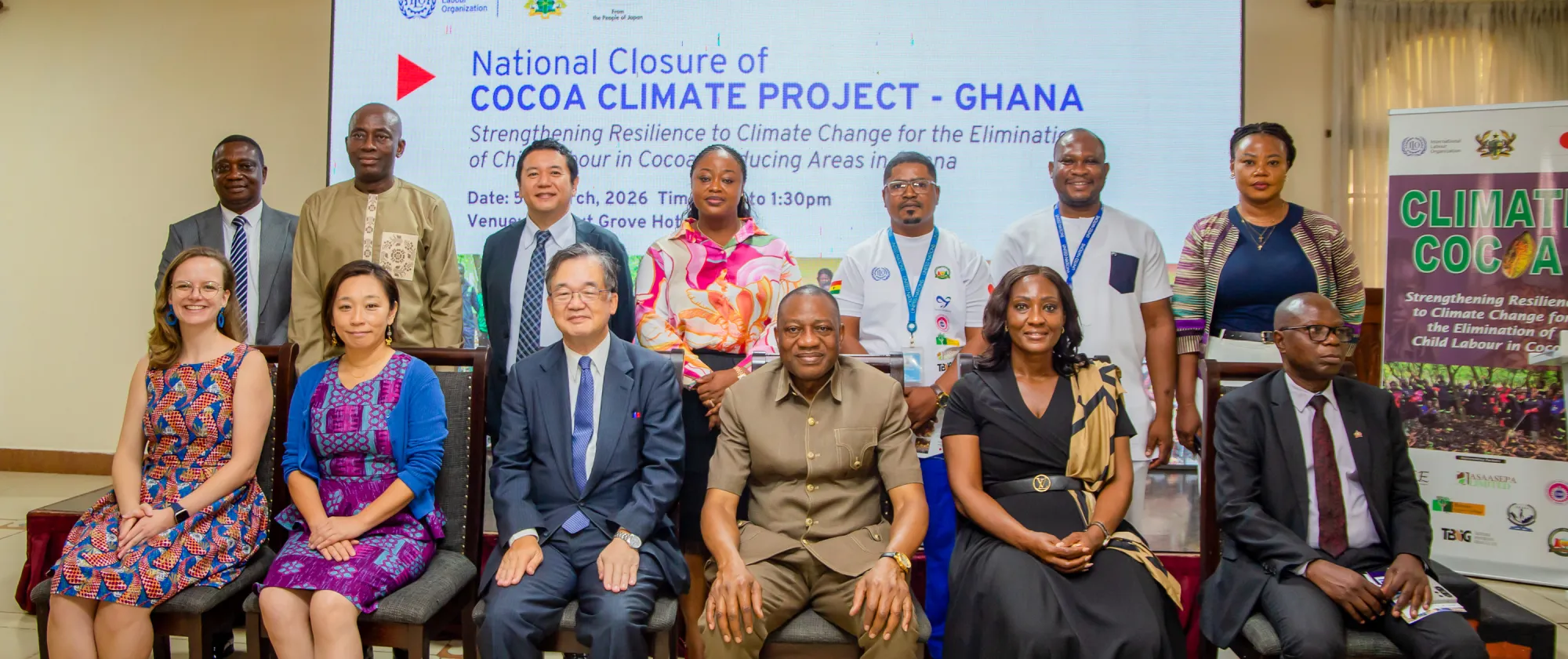
The national closure event highlights how climate-smart agriculture and the Child Labour Free Zones approach can strengthen livelihoods and accelerate progress toward eliminating child labour in cocoa-growing communities.
9 March 2026
ACCRA (ILO News) – A project supported by the Government of Japan has helped cocoa-growing communities in Ghana strengthen livelihoods and reduce the risk of child labour through climate-smart agriculture and community-based child protection systems.
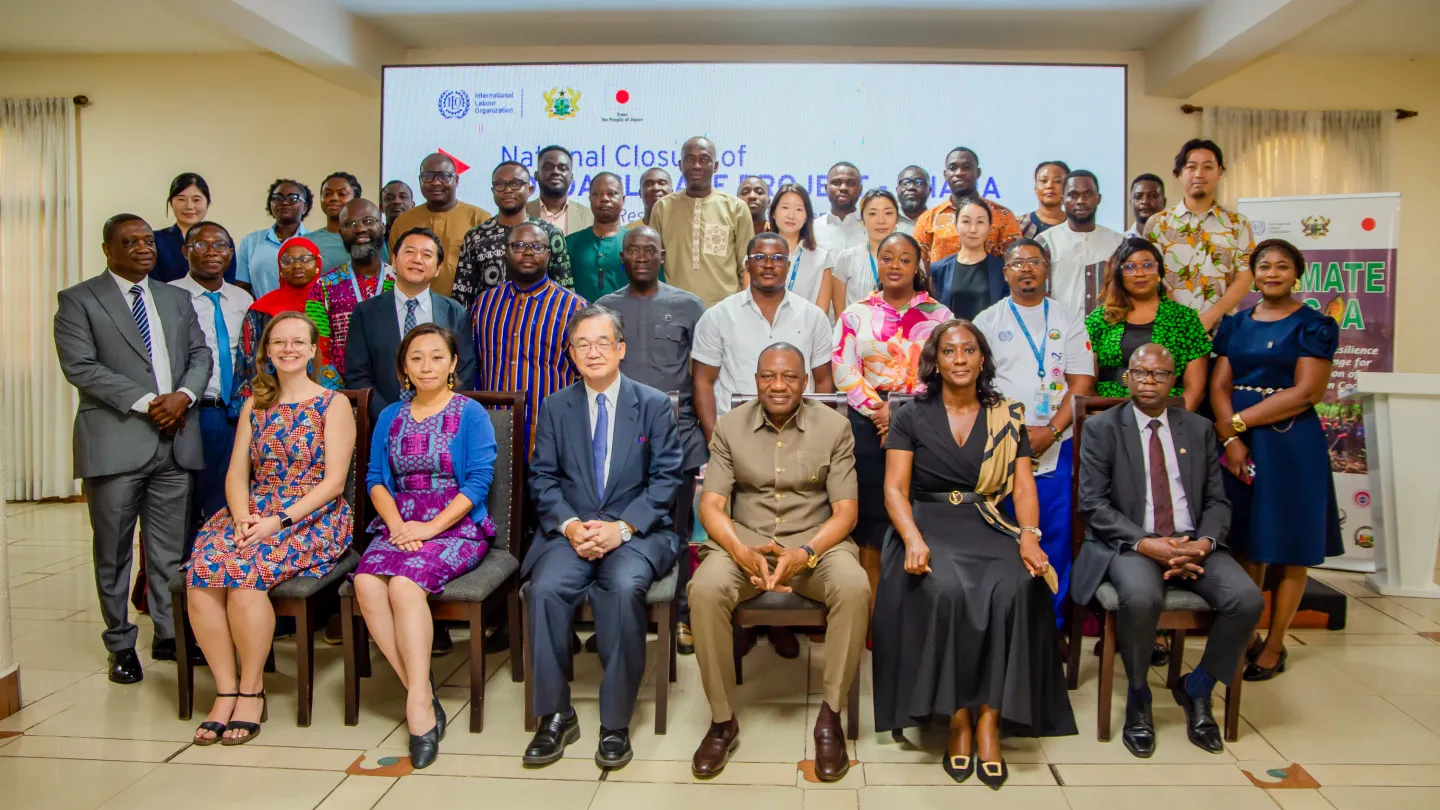
The CLIMATE-Cocoa Project funded by the Government of Japan, implemented by the International Labour Organization (ILO) in partnership with the Government of Ghana and national stakeholders, concluded with a national closure event in Accra. The event brought together representatives from government, workers’ and employers’ organizations, the donor community, development partners, civil society, the private sector and district authorities to review results and discuss opportunities to scale up successful approaches in Ghana’s cocoa sector.
Implemented from March 2025 to February 2026 in Bibiani in the Western North Region of Ghana, the project addressed the root causes of child labour by linking climate action, sustainable livelihoods and child labour prevention. The initiative aligns with Ghana’s National Plan of Action for the Elimination of Child Labour (NPA III) and contributes to Sustainable Development Goal Target 8.7 to eradicate child labour.
Child labour in cocoa-growing communities continues to be driven by interconnected challenges including poverty, low household incomes, declining soil fertility and limited access to sustainable livelihood opportunities. Climate change has further reduced cocoa productivity and weakened the resilience of farming households, increasing the risk that families resort to negative coping strategies, including child labour.
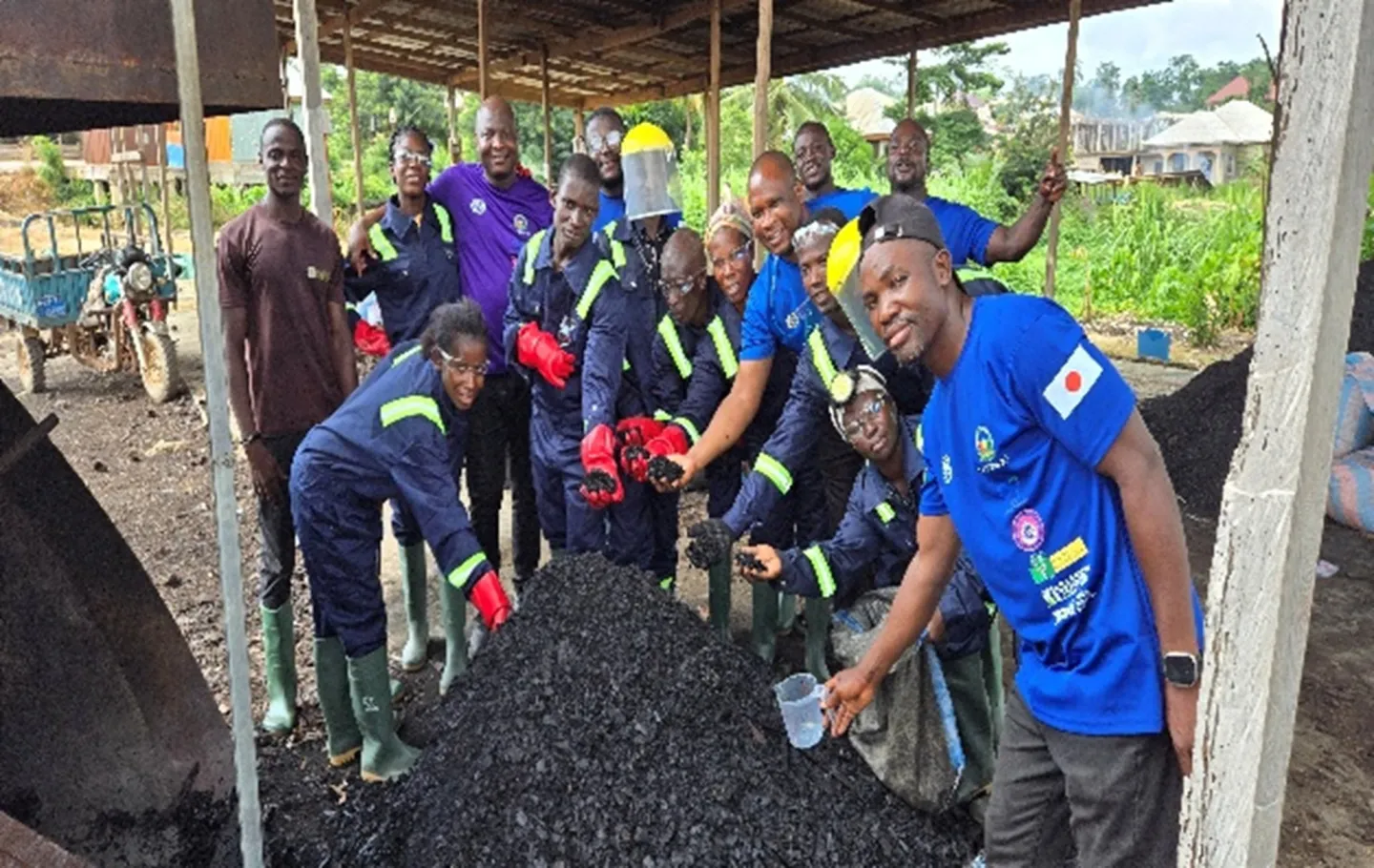
To help address these challenges, the project introduced biochar – produced from cocoa pod husks – as a climate-smart solution to restore soil fertility and improve cocoa productivity. Farmers were trained to produce and apply biochar using locally available resources, helping improve soil health, increase yields and reduce emissions.
In total, 45 tons of biochar were produced, and 262 farmers were supported with biochar application. Demonstration plots and production sites were established, while a carbon credit mechanism introduced in partnership with implementing agencies aims to sustain biochar production beyond the project’s duration.
At the community level, the initiative also strengthened the Child Labour Free Zone (CLFZ) approach. Child protection committees were reinforced, community child monitoring registers were established and children identified as being at risk of child labour were supported. The project also improved access to education, including through the provision of bicycles to vulnerable children and improvements to school infrastructure.
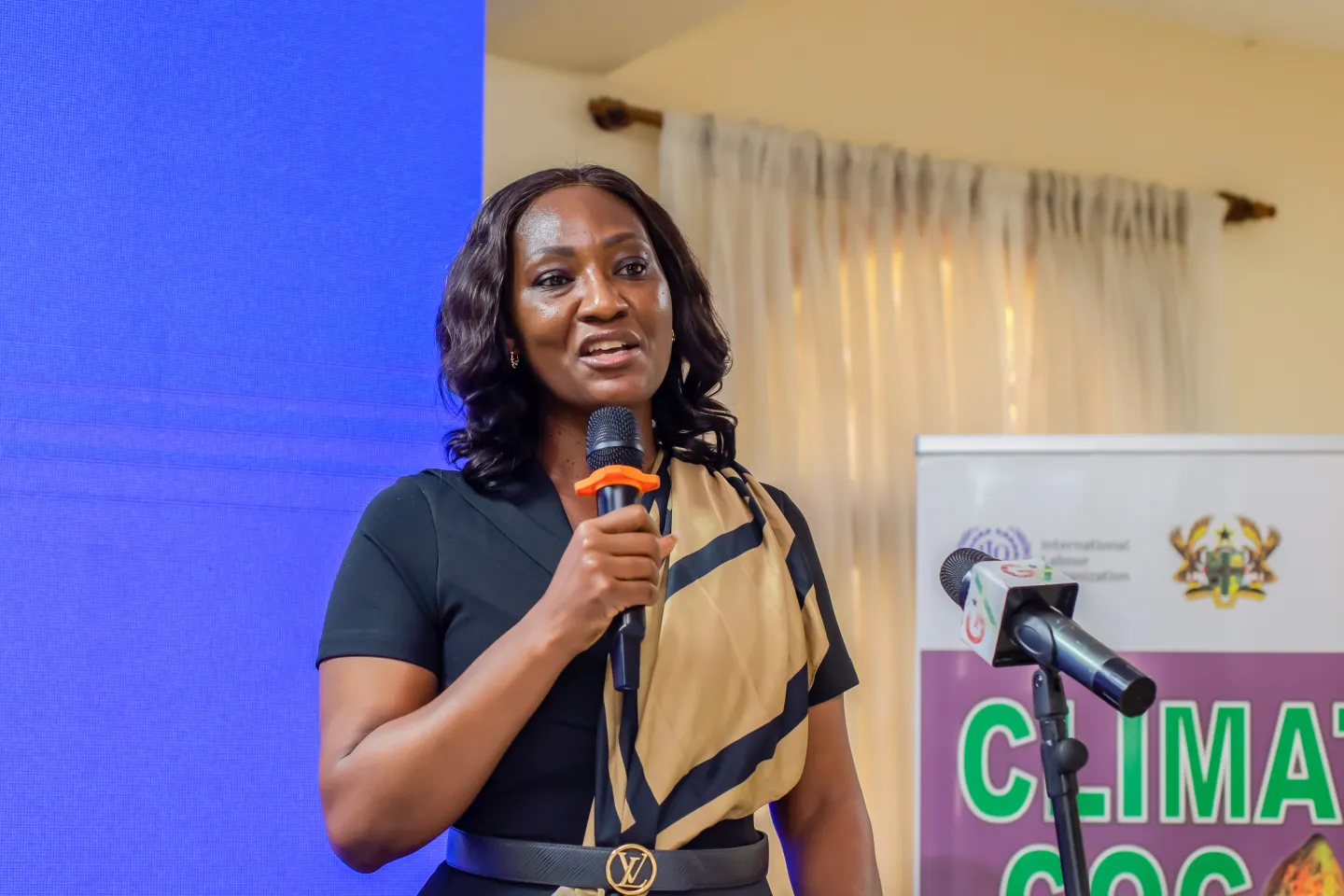
“The CLIMATE-Cocoa Project shows that tackling child labour requires integrated solutions,” said Vanessa Phala, ILO Country Director for Nigeria, Ghana, Liberia, Sierra Leone and Liaison Office for ECOWAS. “By combining climate-smart cocoa production, improved family livelihoods and the establishment of Child Labour-Free Zones in Bibiani, we addressed key drivers of child labour while advancing Ghana’s commitments under SDG Target 8.7 and its climate agenda. This achievement reflects the power of partnership—bringing together government, civil society and development partners to strengthen national systems and deliver greater impact for communities.”
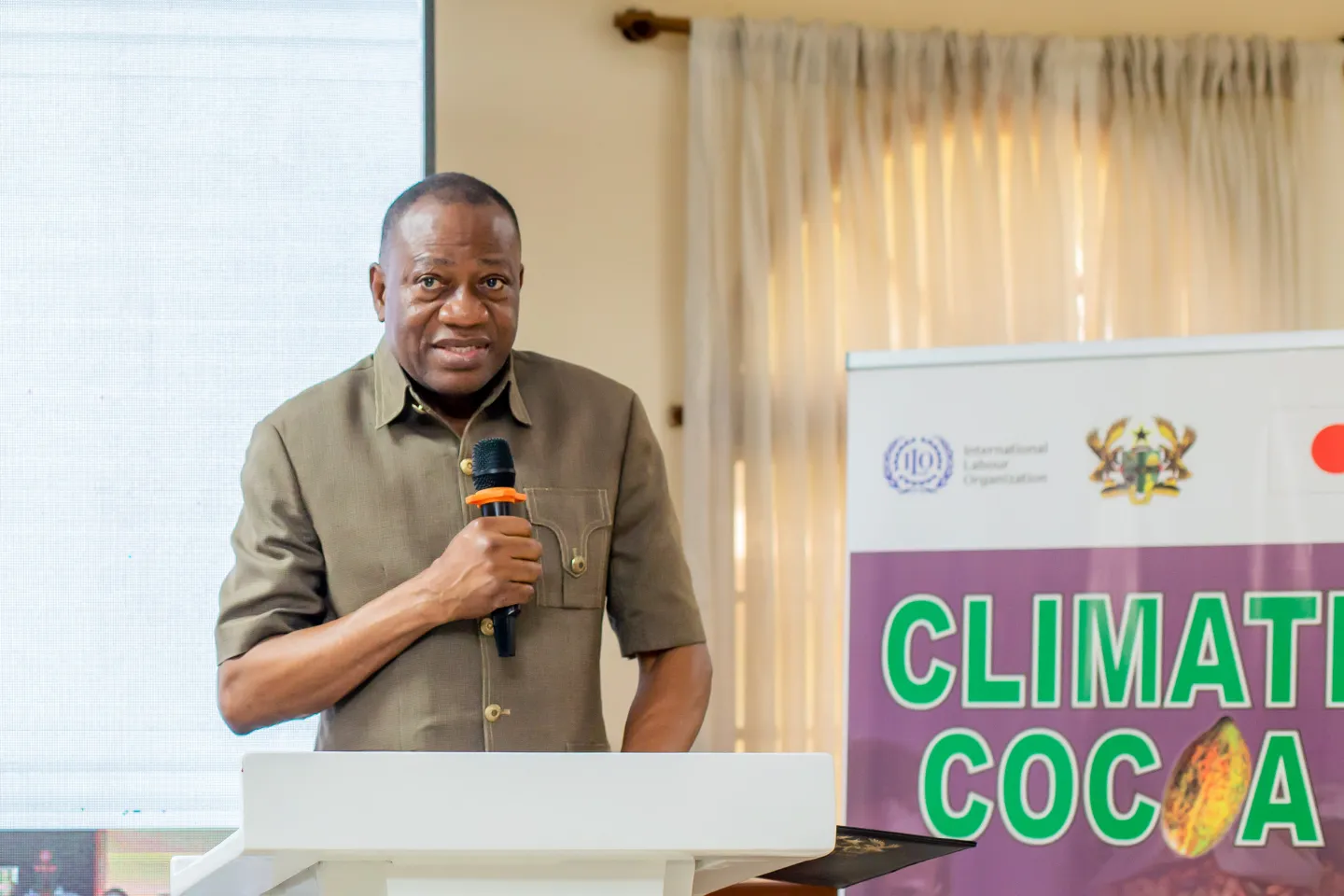
Ghana’s Minister of Labour, Jobs and Employment, Honourable Dr Abdul-Rashid Pelpuo, said the initiative had provided a practical platform for advancing the country’s efforts to eliminate child labour.
“The CLIMATE Cocoa Project has served as a practical vehicle for implementing the Government’s mandate to eliminate child labour,” he said. “The progress we celebrate today reflects strong collaboration across institutions and partners. Our goal now is to apply the lessons learned across cocoa-growing regions so that Ghana’s cocoa sector becomes a global model that is productive, climate-smart and free from child labour.”
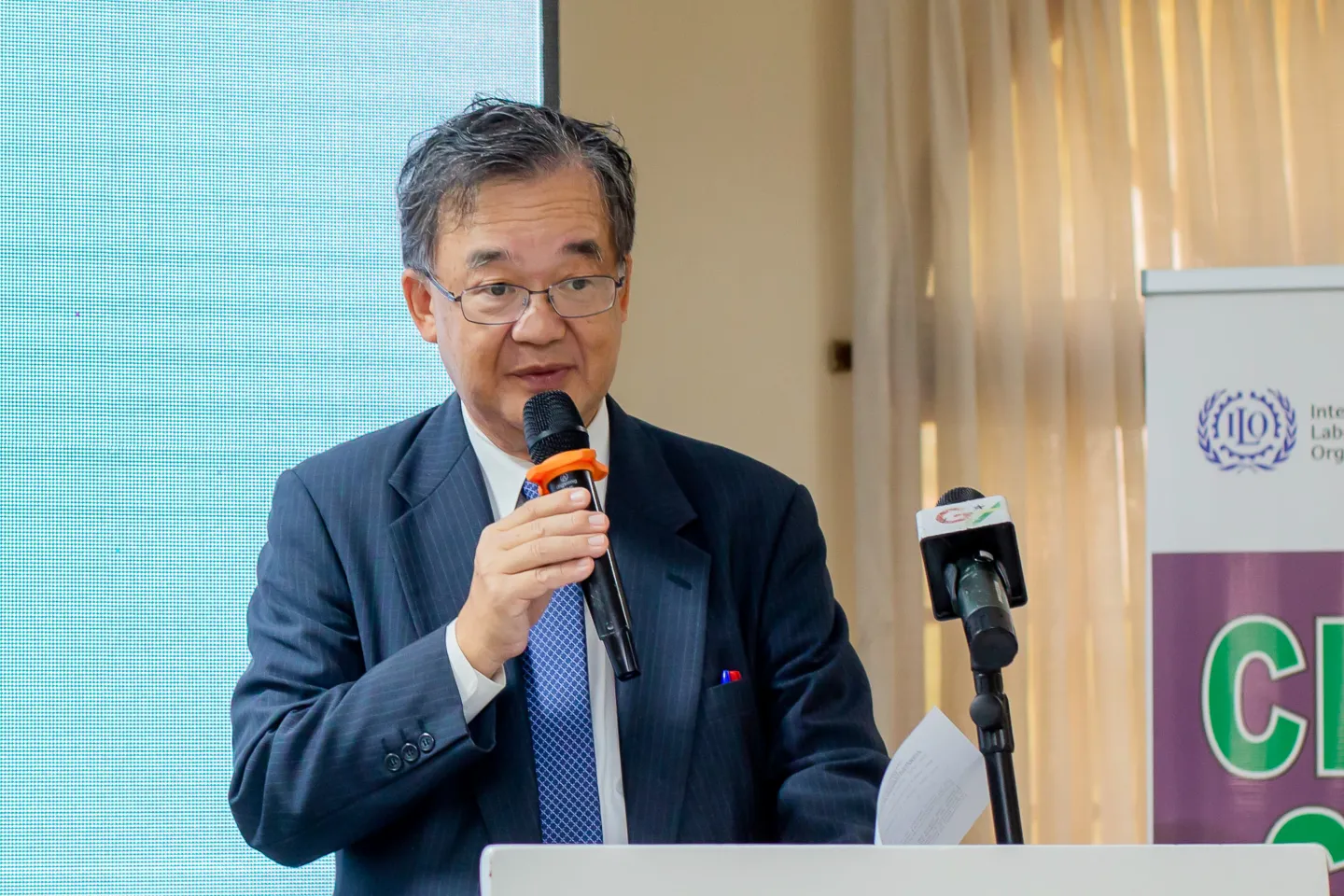
The Ambassador Extraordinary and Plenipotentiary of Japan to Ghana, His Excellency Mr Hiroshi Yoshimoto, said the project demonstrated the importance of addressing the underlying drivers of child labour.
“One of the aspects I truly appreciate about this project is its comprehensive approach to tackling child labour by addressing not only the symptoms but also the underlying causes,” he said. “Ghana’s cocoa touches the lives of many people in Japan through the products made from it. This shared benefit must never come at the expense of children.”
The Chief Representative of the Japan International Cooperation Agency (JICA) Ghana Office, Suzuki Momoko, said sustained collaboration would remain essential to eliminating child labour.
“Eliminating child labour is not a task accomplished overnight, but the continued commitment demonstrated here is already helping to shape a better future for children in Ghana,” she concluded. “JICA stands firmly with the International Labour Organization, the Government of Ghana, the private sector and communities as a committed partner in our shared goal of a Ghana free from child labour.”
Participants at the closure event reaffirmed their shared commitment to advancing decent work, climate resilience and the elimination of child labour in Ghana. The CLIMATE-Cocoa Project was recognized as an example of how climate-smart agriculture and strengthened community protection systems can work together to tackle the root causes of child labour and promote sustainable, child-labour-free cocoa production.
Find out more:
- For more information about the CLIMATE-Cocoa Project and its results, visit the project page or download the project results flyer
- For more information on Japan’s support to the International Labour Organization, visit the ILO–Japan partnership page
Related content

Strengthening resilience to climate change for the elimination of child labour in cocoa producing areas in Ghana
Climate Cocoa Project
Climate Cocoa Project: Results at a Glance
Relevant projects
Strengthening resilience to climate change for the elimination of child labour in cocoa producing areas in Ghana