

International Day for the Eradication of Poverty
Youth driving change: Skills development and decent work to break the poverty cycle
To mark the International Day for the Eradication of Poverty, the ILO shares the stories of Patricia (Peru) and Fátima (Mexico), two young women who show how skills development and decent work can break the cycle of poverty.
17 October 2025
LIMA (ILO News) – For the International Labour Organization (ILO), eradicating poverty means ensuring decent work for all, especially for young people who often face greater barriers. Together with our tripartite constituents – governments, employers and workers – the ILO promotes skills development, employability, formalization and labour market inclusion as key drivers of sustainable development.
To mark the International Day for the Eradication of Poverty, celebrated every year on 17 October, the ILO Regional Office for Latin America and the Caribbean is sharing the stories of two young women who show how training, cooperation, job opportunities and decent work can change lives and break the cycle of poverty.
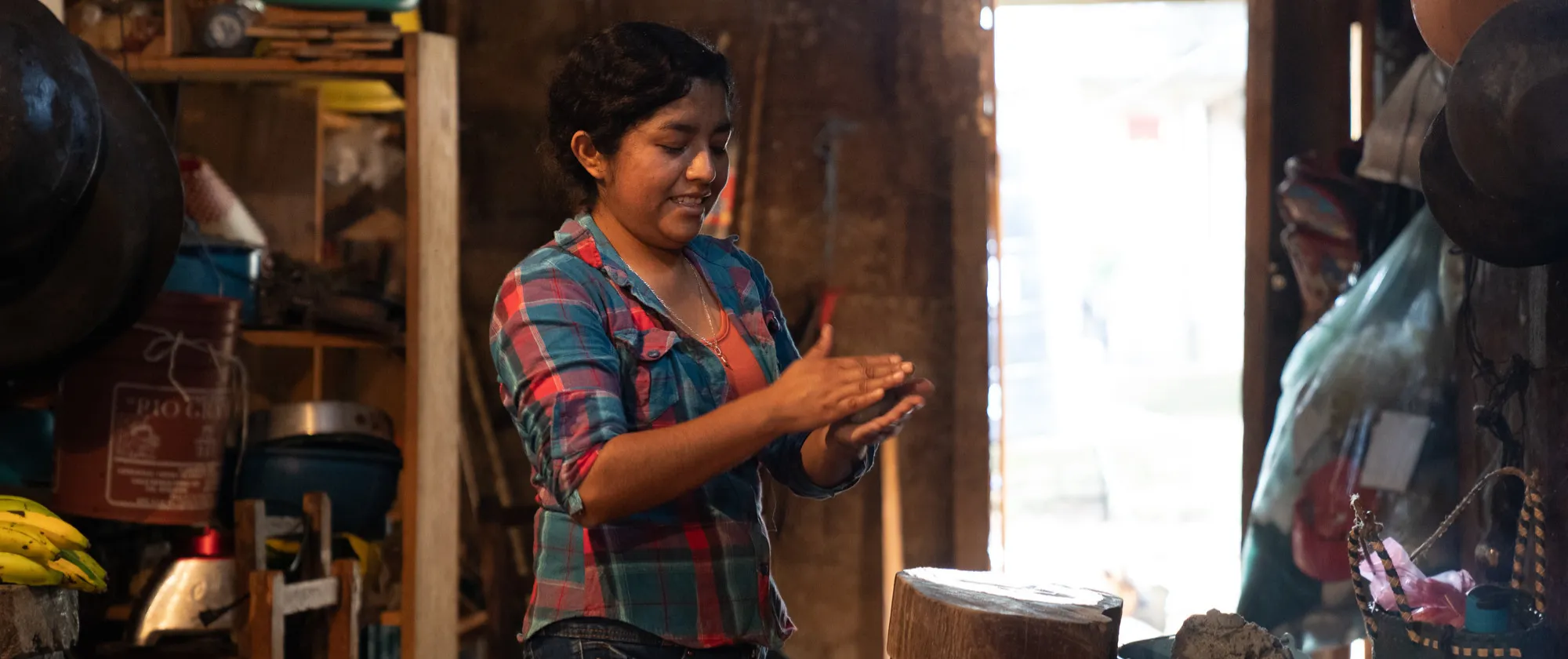
Patricia (Peru), office software technician and graphic designer

At age 17, Patricia – a survivor of human trafficking – was welcomed into a residential care centre run by the National Comprehensive Programme for Family Welfare (INABIF) in Lima, Peru. There, she joined a pilot project on economic integration under the “Partnerships in Action to End Child and Adolescent Trafficking” initiative. The project was implemented by the Ministry of Women and Vulnerable Populations and the Ministry of Labour of Peru, with technical assistance from the ILO (2017–2024) and support from the United States Government.
Today, more than two years after leaving the centre, Patricia reflects on her journey:
When I arrived at the centre and felt the care and protection of the people working there, I finally had the chance to pause and reflect on everything I had been through.
They taught us about financial education, and I understood how I had also been economically exploited, even through so-called ‘loans’. In the entrepreneurship workshops, I developed my first business plan. I remember how excited I was when they told us a company would support selected projects.
I thought of my mother, who had always worked as a street vendor selling vegetables in Huánuco, a city in the centre of Peru. I dreamed she could have her own shop. I included a refrigerator in the business plan, explaining it would help her preserve products and avoid losing income. Thanks to support from INABIF, the ILO and BELCORP, that dream came true. When I left the centre, we opened our shop together. It has grown, and now my mother runs it full time, having left street vending behind.
With the support of American Airlines, ALTERNATIVA and the ILO, I trained in office software and graphic design and received a laptop. Today, I work in mobile phone sales. I feel capable and motivated. My goal is to open a new store with my sister; we’re saving up. I also want to study accounting and digital marketing.
Before, I didn’t have access to job opportunities. Technical training opened the door to my first business and then to formal employment. I’m proud of myself. My family and I no longer feel poor – and I know this is just the beginning.”
— Patricia, 21, Peru.
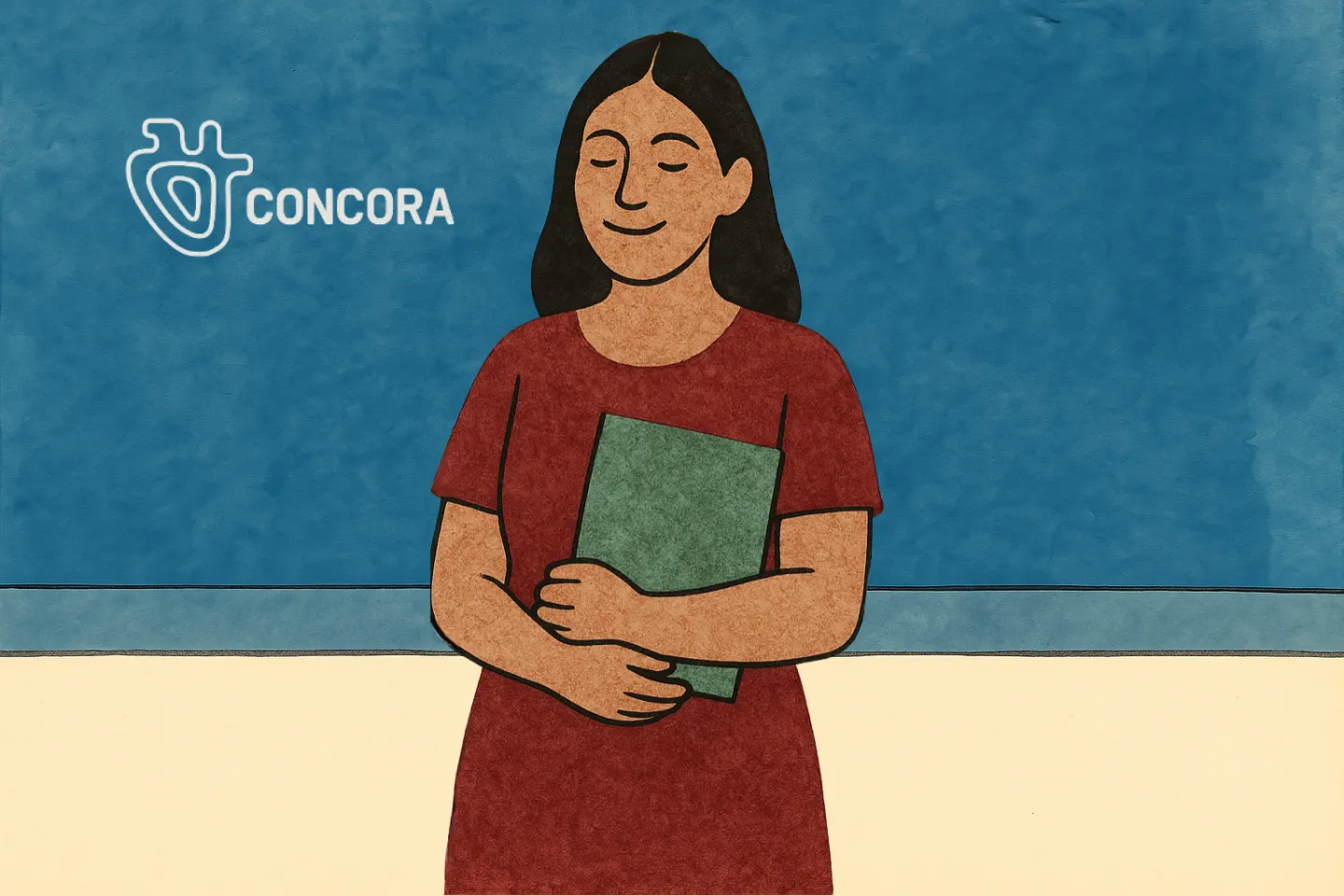
Fátima Gaytán (Mexico), CEO of CONCORA
“My mother told me she had to work from a young age to make ends meet. When my brother and I were born, she always made huge efforts to give us the opportunities she never had. Watching her fulfil her dream of earning a master’s degree at 40 was deeply inspiring. It showed me she was someone who breaks barriers – and that I needed to do the same, not just for me but for others too.
I’m now in my final semester of a dual degree in Law and International Relations at Tecnológico de Monterrey, Mexico.”
During the COVID-19 pandemic, Fátima joined a virtual network of young people from across Latin America offering peer-led workshops on mental health, education and livelihoods.
“That’s when I discovered the power young people have to co-create, support one another and generate real opportunities.
I realised that when young people come together, we can change the course of our communities and help eradicate poverty.”
This experience led to the creation of CONCORA, a youth-led initiative launched during the pandemic to amplify young people’s voices, understand their needs, and place human beings at the centre of development.
“Our vision is for Latin American talent to stop being the exception and become the new norm.”
Today, CONCORA is a virtual training and employability platform that helps young people identify their skills, interests and aspirations. Based on this assessment, each participant receives a tailored “compass pathway” to strengthen their skills and connect with decent work opportunities.
“We also partner with companies offering job placements and seed capital. So far, we’ve awarded scholarships to over 70 young people for programmes abroad. Many now have decent jobs and a renewed life project.”
Fátima recognises that social entrepreneurship brings challenges.
“Funding is a constant hurdle, and being a young woman makes it even harder. But each story of transformation we support proves that it’s worth it.”
In 2024, Fátima won the Ideathon for Social Justice, organized by the ILO Regional Office for Latin America and the Caribbean. The award included a scholarship to attend the ILO’s Decent Jobs for Youth Academy in Turin, in July 2025.
“That experience connected me with other young people from around the world who are also creating decent job opportunities. I learned that the journey of social entrepreneurship and advocacy is not walked alone – we build it together, by listening to each other and writing a collective story, where young people are both the authors and protagonists of change.”
— Fátima Gaytán, 23, Mexico