

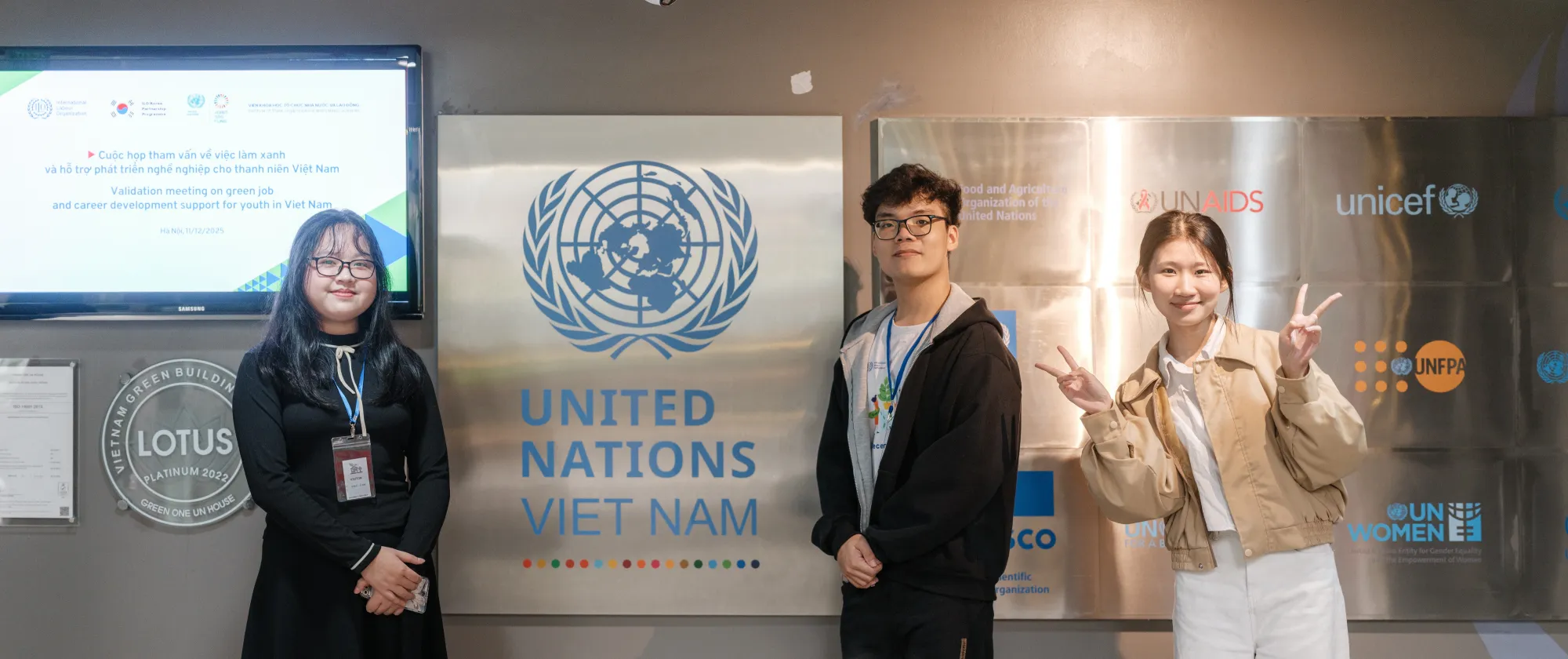
Youth employment
Youth at the heart of the discussion on green transition: Turning potential into actions
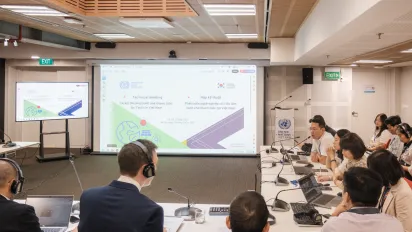
Tripartite partners and young people discuss a draft research on green jobs and youth career development, contributing perspectives to strengthen policies and systems that support youth access to decent work and opportunities in Viet Nam’s green transition.
11 December 2025
HA NOI (ILO News) - Viet Nam advances toward a greener economy. The potential for new opportunities is clear, but so is the need for greater investment in job creation, active labour market policies, and skills development. Without targeted measures and effective career support system, young people will continue to face barriers in accessing green job opportunities.
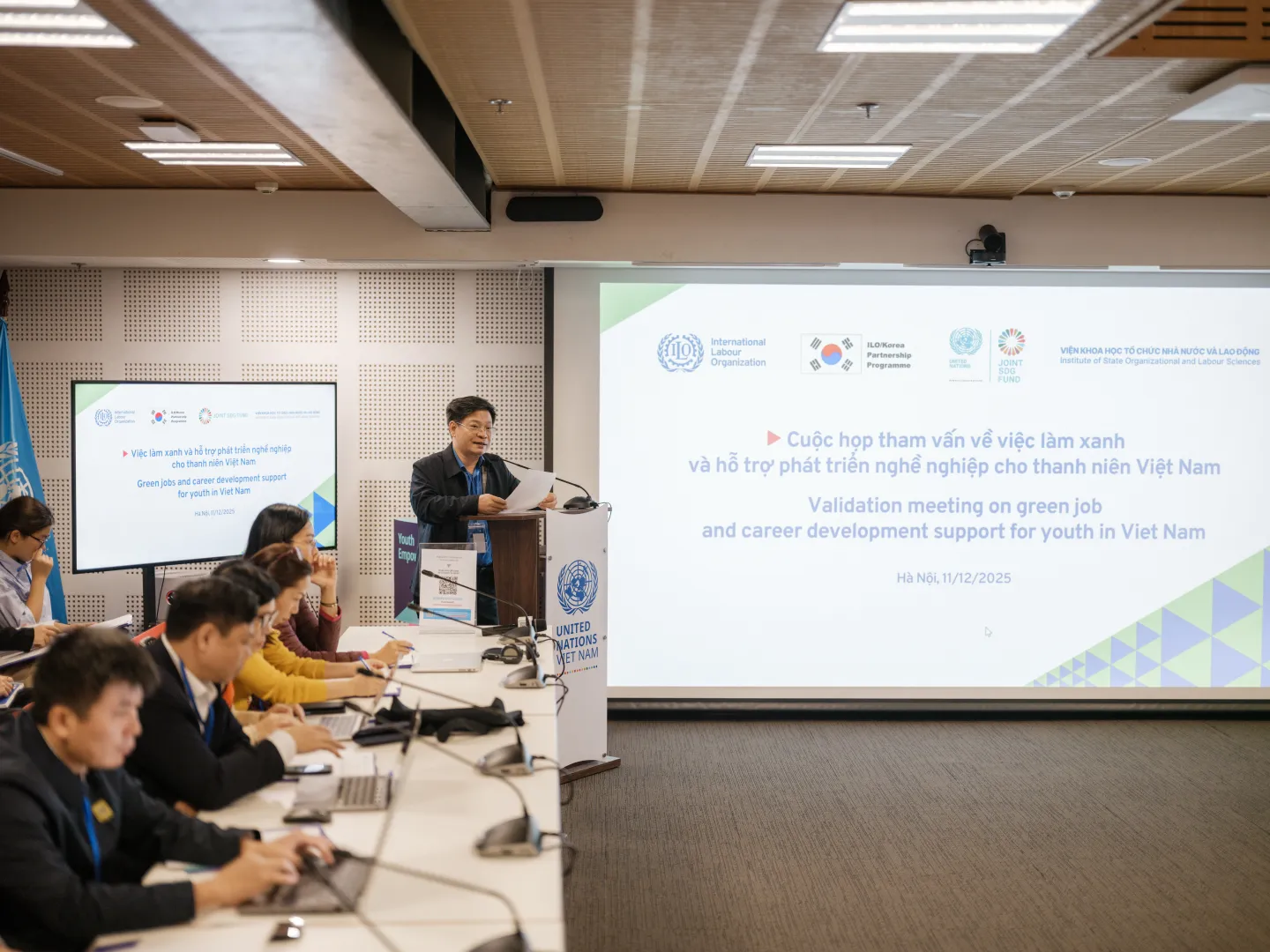
This was the central topic of a recent validation meeting on the draft research report on green jobs and career development support for youth, organized by the International Labour Organization (ILO) in collaboration with the Institute of State Organization and Labour Science (ISOL) under the Ministry of Home Affairs (MOHA). The research assesses green jobs and youth career development systems in Viet Nam to inform system-wide recommendations, potential interventions, and actionable plans that enhance youth access to decent work and green jobs.
The data shows persistent challenges. Youth unemployment remains significantly higher than the overall rate, underscoring the vulnerability of young people in the labour market. According to the data from the National Statistics Office (NSO), the youth unemployment rate reached 9.0 per cent in the third quarter of 2025, while 1.6 million young people aged 15-24, 11 per cent of the youth population, are not in education, employment, or training (NEET). Many of jobs held by young people are informal, lacking employment contracts and social protection.
Research findings presented during the meeting highlight systemic barriers. Green jobs for youth remain limited, unevenly distributed, mainly concentrated among those with higher education levels, highlighting the need to expand opportunities for other youth groups. In 2023, green jobs accounted for only 3.0 per cent of youth employment.

Key obstacles include shortages of STEM background, awareness and skills gaps needed for green jobs, limited career guidance, a small-scale green labour market, and persistent gender inequalities. Meanwhile, 30 per cent of youth employment are potential green jobs, this represents a clear opportunity for young people but but it requires bold investment in the future of work and human resource development.
“Youth must be at the centre of the green transition,” said Ms. Sinwon Park, Director of ILO Viet Nam. “Without targeted policies and investments, we risk leaving behind a generation that could drive sustainable growth.”

Without targeted policies and investments, we risk leaving behind a generation that could drive sustainable growth.
Sinwon Park, Director of ILO Viet Nam
“It is important to improve labour market information system (LMIS) and make it more accessible so that workers, including young people can access the most up-to-date information and job market trends to guide their career development pathways,” - said Ngo Xuan Lieu, Director of the National Employment Service Centre under the Department of Employment, Ministry of Home Affairs (MOHA).
Ta Khanh Linh, a member of the ILO – Korea Youth Network, shared: “I was grateful to be in the discussion and represent the youth network to provide feedback on the draft research report. I hope the final report will include strong recommendations for youth.”
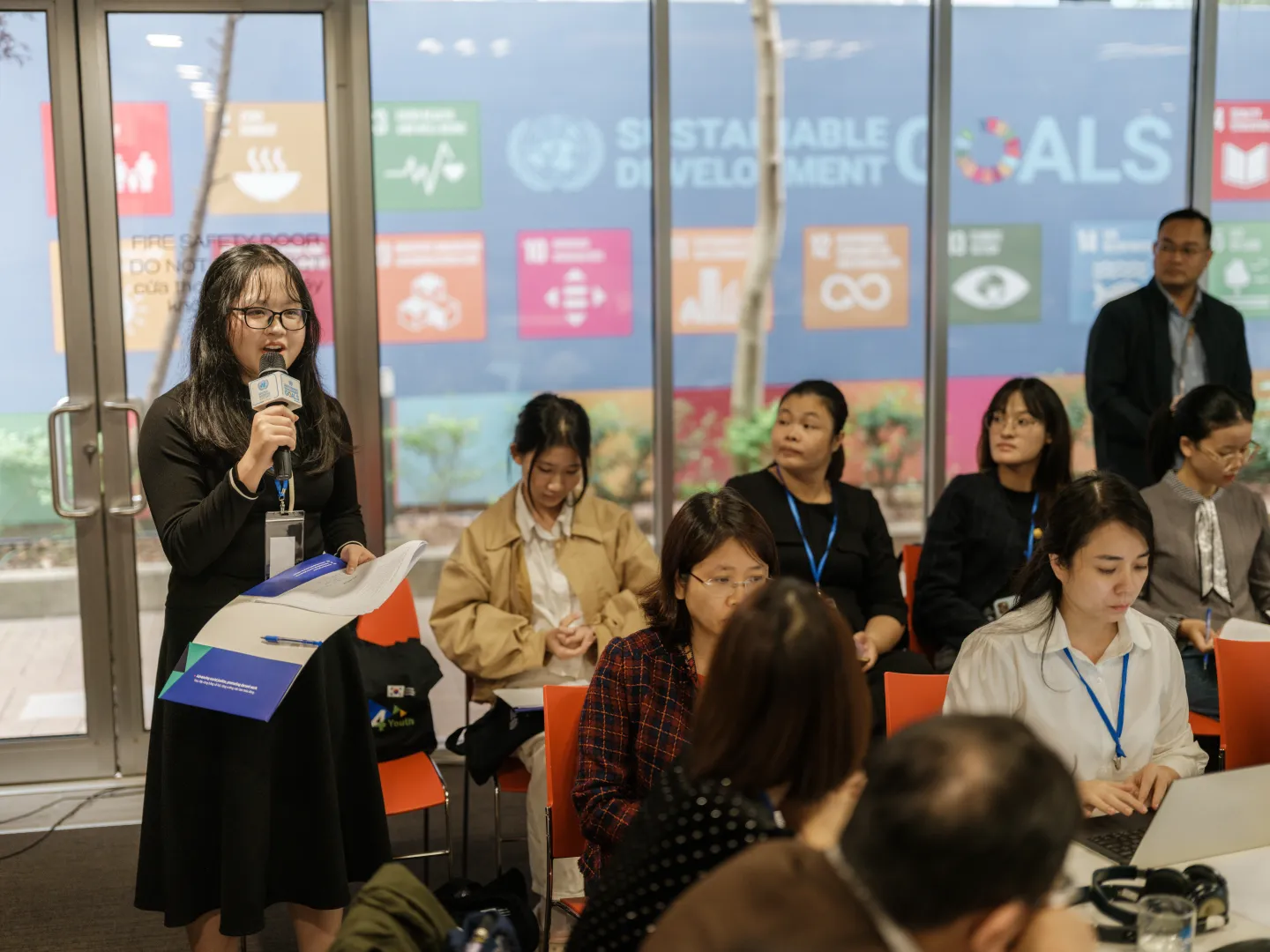
Her comment highlights an increasing aspiration for inclusive policies, practical measures, and concrete action plans that “ensure young people are not only consulted but actively co-create solutions in accessing decent work opportunities in the green economy” – emphasized by Shin Hochul, CTA of the ILO-Korea Partnership Programme.

The meeting concluded with a proposal to develop a roadmap that will potentially increase the shared access of green jobs opportunities for youth, strengthen career guidance and training, and ensure gender equality and decent work in the transition to a greener economy.
This initiative is supported by the ILO-Korea Partnership Programme and the UN Joint Programme on Employment and Social Protection in the Context of Green and Demographic Transitions in Viet Nam under the Joint SDG Fund.

Related content
Country portal
Viet Nam

Youth Employment
Promoting Integrated Youth Employment Programme in Viet Nam
Youth Employment
Supporting career pathways for young people in Viet Nam’s green economy

International Youth Day 2025
Film screening sparks youth dialogue on green jobs and decent work

Global Employment Trends for Youth 2024
Number of youth not in employment, education, or training (NEET) a cause for concern, despite falling jobless rate
Youth Employment
From education to decent jobs: Why career development support matters for Viet Nam’s youth?