


Skills and Lifelong Learning in Africa
From training to transformation: how skills are driving growth in Malawi's horticulture and dairy sectors ?
From a harmonized curriculum to results on the ground in horticulture and dairy
6 October 2026
A classroom can change a life. But when knowledge gained in training is put into practice on farms, in training institutions and in communities, it can help transform entire sectors.
In Malawi, the ILO Global Skills Programme Training of Trainers (TOT) on the harmonized curriculum for the horticulture and dairy sectors is already generating tangible results.
The training brought together 52 participants from 14 institutions, including TVET institutions, universities, NGOs, private-sector organizations and public agricultural and veterinary services. Participants came from 9 districts across Malawi’s three regions, with women representing 30 per cent of participants.
The objective was clear: to make the harmonized curriculum a practical tool that connects skills development with the needs of farmers, businesses and young people.
Skills that increase productivity
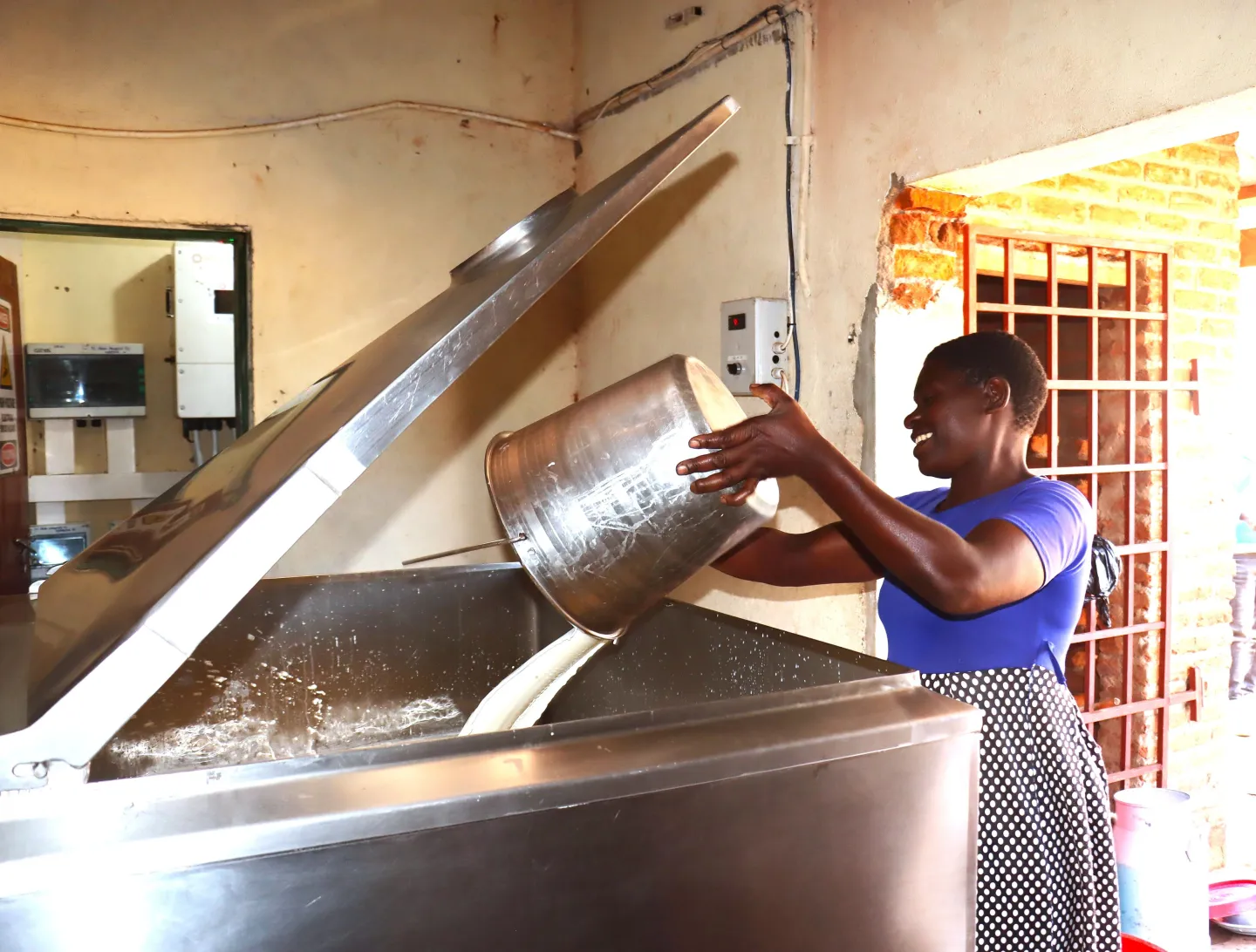
In the dairy sector, knowledge gained through the training has contributed to improved farming practices and increased productivity. In some cases, farmers have recorded production increases of up to 150 per cent. The Chisitu Bulking Group in Mulanje District and Thunga Bulking Group in Thyolo District are among those reporting improvements.
These results demonstrate how practical skills in animal feeding, health, breeding, milk handling and farm management can directly contribute to productivity and household incomes.
Transforming horticulture training
In horticulture, the Corporate Institute for Horticulture (CIH) is using the harmonized curriculum to strengthen Competency-Based Education and Training (CBET).
The approach places greater emphasis on practical learning, enabling young people to develop skills that respond directly to the realities of the sector and the world of work.
By connecting classroom learning with practical experience, training institutions can better prepare young people to produce, manage enterprises, solve problems and innovate.
A multiplier effect
One of the most promising results is the multiplier effect created through the Training of Trainers model. Within just 5 months, 2 participants, Clara Kamlomo and Thoko Mweneungu, had already transferred the knowledge and skills they acquired to more than 200 young people.
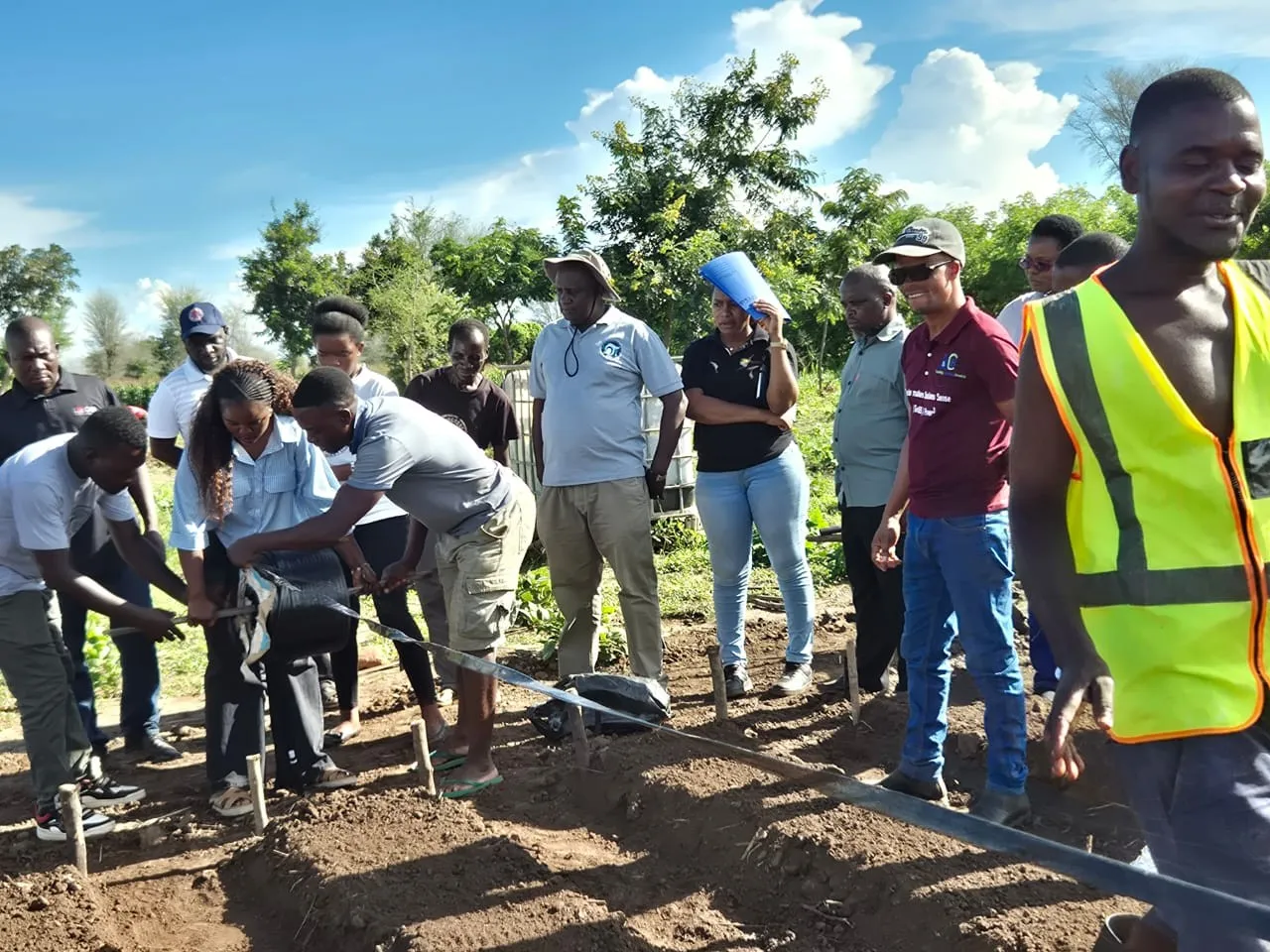
Their experience demonstrates how investing in trainers can extend the reach of skills development far beyond the original training group, into institutions, communities, farms and youth programmes.
Strong institutions, lasting impact
The sustainability of the initiative is strengthened by national ownership. The Ministry of Agriculture, Ministry of Labour and Technical Education, Vocational and Entrepreneurship Training Authority (TEVETA) are supporting and sustaining the harmonized curriculum.
This institutional commitment is essential to embedding the results within Malawi’s wider skills development and agricultural training systems.
Support from the Norwegian Agency for Development Cooperation (Norad) also highlights the importance of investing in skills as a driver of productivity, economic development and opportunities for decent work.
Measuring impact beyond the classroom
The success of the programme is not measured only by the number of people trained. It is measured by what happens afterwards: increased dairy production, more practical training, knowledge reaching hundreds of young people, and institutions continuing the work. From 52 trained participants to more than 200 young people reached, from classrooms to farms, Malawi is demonstrating how relevant and practical skills can drive productivity, opportunity and agricultural transformation.
When skills are connected to the real needs of the economy, training does not end when the classroom closes, it becomes a catalyst for change.
Additional details
References
- DOI: N/A
Related content
ILO Global Skills Programme

ILO's Africa Skills Hub