

A market systems development model
Making hay last in Kajiado
In Kajiado County, Kenya, the hay problem is not only how much farmers grow, but when they can sell it. A farmer-owned cooperative is testing whether storage can become a business
30 September 2026
KAJIADO, Kenya (ILO News) – After the long rains, Kajiado’s plains turn green and hay producers race to cut and bale Rhodes grass. Most sell immediately into a crowded market at low prices. Months later, the grass is gone and those same bales are scarce.
During the 2022 drought, the price of a 15-kilogram bale rose from about 150 Kenyan shillings to 400 shillings in six months – approximately US$1.16 to US$3.08 at current exchange rates – and some livestock keepers took loans to keep their animals alive.
Livestock trade is worth around 3.2 billion Kenyan shillings a year in Kajiado – approximately US$24.6 million at current exchange rates – but the sector is highly exposed to drought. More than a million animals died in the county from 2020 to 2022.
Timing compounds the problem. Producers flood the market at harvest, while buyers tend to act late, with purchases driven largely by animal losses at the peak of drought. In between, Ilaramatak Cooperative estimates that poor storage and handling destroy between 40 and 60 per cent of hay after harvest.
Kajiado has barns built by individuals, communities and the county. But a barn is not a business. Someone has to buy hay at harvest, finance it while it waits, protect its quality and find a buyer. With limited access to credit and commercial skills, many barns are underused.
Testing a commercial model
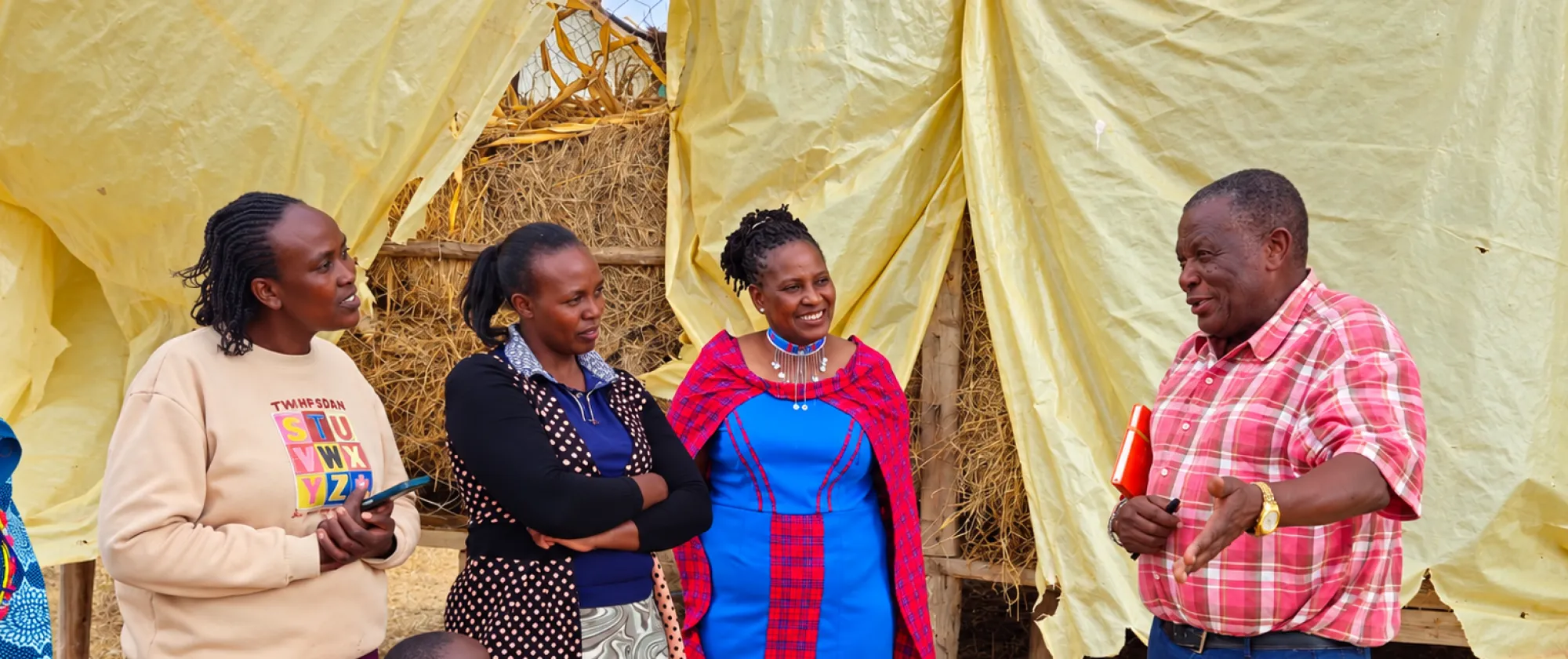
Ilaramatak Mechanization and Marketing Cooperative Society is stepping into that gap. Its Chairperson, Paul Nchake, is a livestock keeper who has produced and conserved fodder for years.
Since mid-2026, the cooperative has worked with an International Labour Organization-supported project to test hay aggregation and storage as a business.
The cooperative buys hay from registered producer groups under agreements covering volume, quality, price and payment. It grades bales for moisture, density and mould, stores them across a network of barns and sells to feedlots, dairies, traders, ranches and institutions as demand rises.

So far, it has mapped producers, trained farmers in handling and storage and identified more than 20 barns, with agreements under negotiation.
The International Labour Organization supports the testing of the model, while Ilaramatak makes the commercial decisions and carries the risk. The aim is a business model that can continue without project funding.
The approach reflects Kajiado’s largely arid, pastoral and rain-fed conditions. Drought-tolerant Rhodes grass stores well and, as communal rangeland is subdivided and fenced, more families are feeding animals on smaller plots. Aggregation could turn the practice of conserving hay while it is plentiful into a viable market service.
Women as market actors
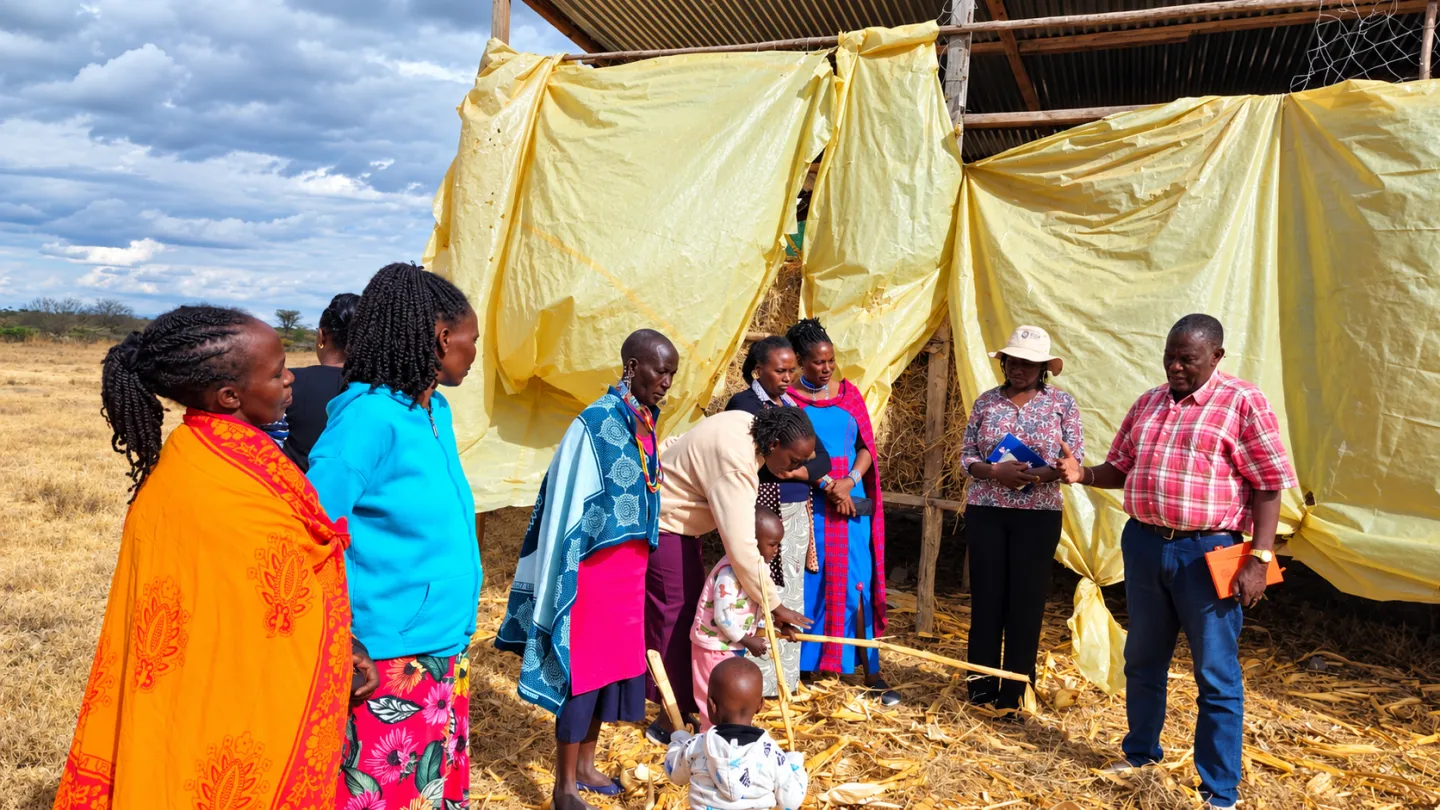
Maasai women contribute more labour to livestock production than men, yet in many pastoral communities men control the income from livestock and few women own land. Women’s groups in Kajiado Central are using table banking to buy livestock of their own and become more active in fodder production.
This makes the storage market a gender question. Who signs supply agreements, whose name is on the payment, and who is trained and hired at the barns will help determine whether women gain income and influence, or only more work.
The intention is to treat women as suppliers, workers, traders and barn managers, not only as beneficiaries. One of the barns identified is already run by a Maasai women’s cooperative.
If the model works, producers could sell at better times, fewer bales would be lost and storage, grading and transport could create more regular work, supported by training in occupational safety and health. Reliable supplies of stored fodder could also help livestock keepers prepare for the dry season and reduce pressure on rangelands during drought.
These potential benefits have not yet been demonstrated. They are what the pilot will test.
The question being tested
Can commercially managed aggregation and storage turn seasonal fodder surpluses into a reliable year-round market for producers and livestock owners?
The interest goes beyond one cooperative. If Ilaramatak can show that hay bought at harvest can be stored well and sold profitably in the dry season, other cooperatives, barn owners, lenders and investors may follow, turning Kajiado’s underused barns into a business opportunity.
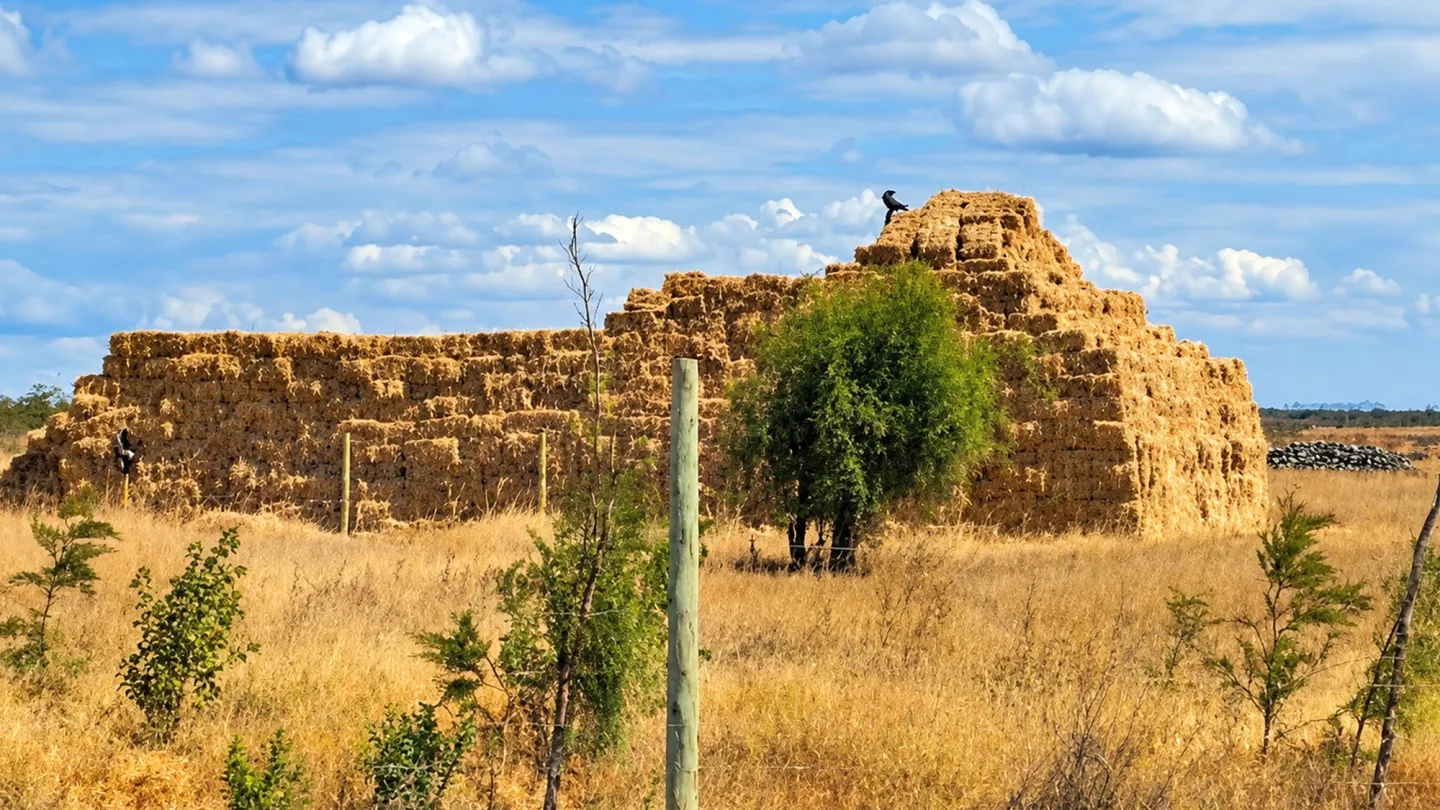
In a county where the next drought is a matter of when, not if, it is a question worth answering. On the way to an interview with the Enape Women’s Group, the project team came across a huge stack of harvested hay bales lying uncovered in an open field in Kajiado County. With El Niño rains projected to begin in October 2026, the sight underscored a critical challenge for fodder producers: without proper storage, valuable feed risks being damaged by rain, leaving farmers with less quality fodder to sustain their livestock through the next dry spell.
About the project
The International Labour Organization’s Public-Private Development Partnership (PPDP) Phase II project, funded by the Swedish International Development Cooperation Agency (Sida), works in Nakuru, Kajiado and Narok counties to promote inclusive, decent employment and productive livelihoods. The project brings together public institutions, private sector actors and communities to strengthen market systems in the fodder and tourism sectors, with a focus on creating better opportunities for women, persons with disabilities and young people. The project applies a market systems development approach.
Additional details
References
- DOI: N/A
Related content

Kenya's fodder sector skills assessment
Skills gap assessment in the fodder sector that promotes inclusive decent employment and productive livelihood in Nakuru, Narok and Kajiado...
A market systems development model
From feed outfit to business incubator
Small farms, big impact
More than grass: the women helping build Kenya's fodder economy
Relevant projects
Public-private development partnerships for inclusive decent employment and productive livelihoods