

A market systems development model
From feed outfit to business incubator
An agribusiness in Nakuru, Kenya is testing an ILO-supported incubation model to help new enterprises enter the silage market, creating business opportunities while bringing quality livestock feed closer to dairy farmers.
28 September 2026
NAKURU, Kenya (ILO News) – Standing beside a field of Super Napier almost ready for cutting, Antony Ndungu explains why he believes small farms can become profitable businesses.
“You don’t need a big piece of land. What I advise farmers, especially small-scale farmers, is that you can make your small farm profitable and sustainable.”
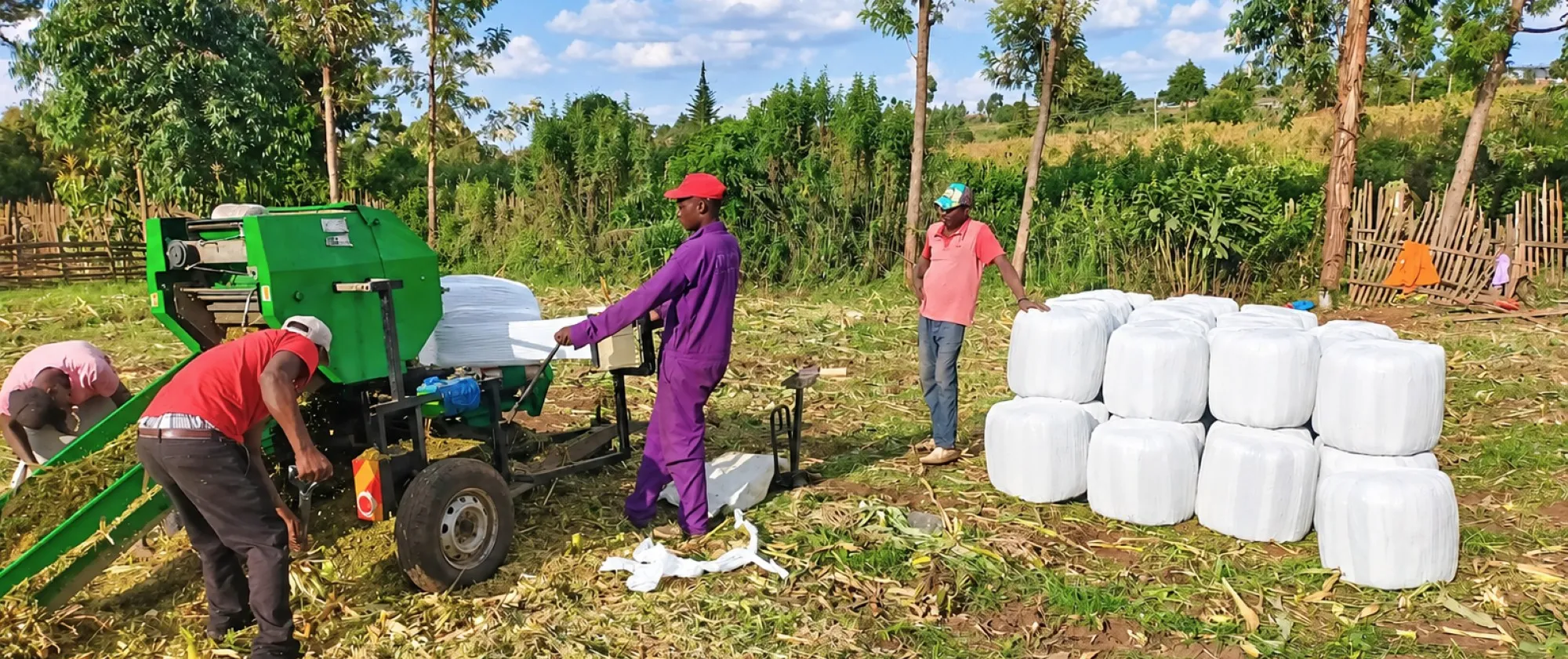
Ndungu leads Nduwa Farm Products, an animal feed business he started in 2003 with one employee. Today, it employs ten full-time staff and produces silage while also supplying feed millers and building and repairing farm machinery.
Now, the business is testing whether the experience it has built over two decades can help other entrepreneurs enter the silage market.
Strong demand, uneven supply
Nakuru is one of Kenya's leading dairy counties. According to the county government, it produced 326 million litres of milk in 2025, with more than 54,000 farmers organized in 27 active dairy cooperatives. As more farmers keep cows under zero-grazing systems, they increasingly depend on purchased feed.
A fodder market systems analysis carried out under an International Labour Organization project found that Nakuru, like neighbouring Narok and Kajiado, faces a feed deficit. The analysis projects that feed challenges will increase significantly by 2035.
Rongai and Njoro are the county’s main fodder-producing areas, and silage processing is expanding there. Some dairy cooperatives buy standing maize from farmers, turn it into silage and supply it to members through deductions from their milk payments. Most of these arrangements are informal, however, with no contracts to secure future supply.
Producing quality silage also requires skilled workers. The analysis found that most processing workers have no training in machine operation or feed formulation. Farmer groups often lack the capital to buy choppers, while ensiling materials are expensive and difficult to find locally. Few businesses offer machinery services, and repair services can be difficult to access.
Meanwhile, many dairy farmers consider silage expensive and do not necessarily connect its use with higher milk yields.
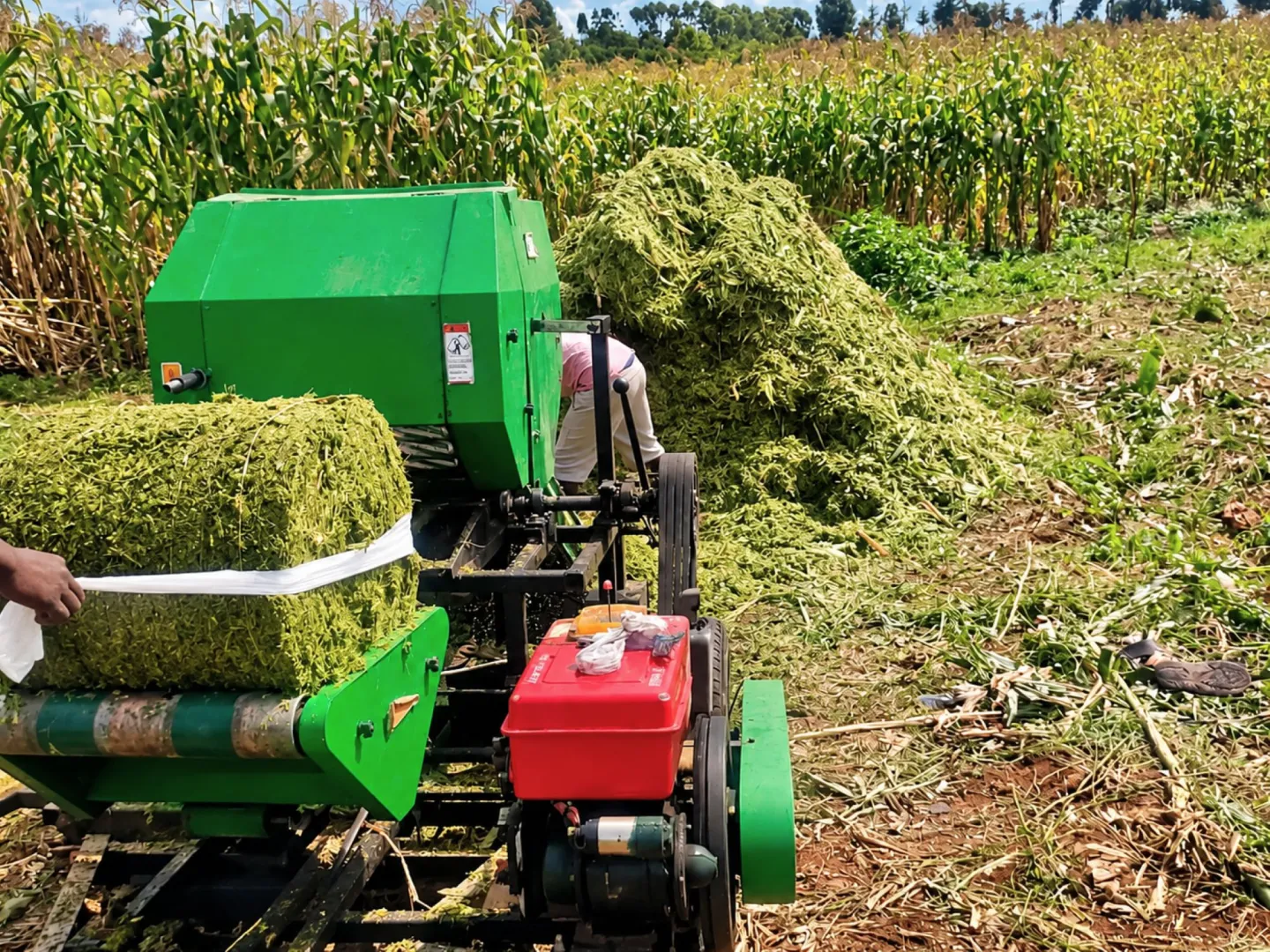
Production is also seasonal and largely tied to the maize harvest. The analysis identifies grass silage, including Super Napier and Brachiaria, as one way to develop a more consistent supply. “You don’t have to buy expensive maize silage,” Ndungu says. “A very small cost will give you maximum profit.”
A business relationship, not a handout
Nduwa Farm Products is now testing an incubation and franchising model with support from the International Labour Organization.
Prospective entrepreneurs are screened and selected before receiving training in silage production, business management and occupational safety. They are then mentored through a full production cycle. Together with Nduwa Farm Products, they will develop common operating procedures and quality standards so that farmers know what they are buying.
After incubation, once they are up and running, the new enterprises are expected to produce and sell silage in their own areas. In return for continued technical support, access to equipment and market links, they will pay Nduwa Farm Products an agreed fee or a share of their revenue.
If successful, the model could provide benefits for each party. Nduwa Farm Products would gain a new line of business. New enterprises would have a shorter route into the market, while farmers could gain access to quality feed closer to home.
The International Labour Organization, through the Public-private development partnerships for inclusive decent employment and productive livelihoods Phase 2 project, is helping to design the model, support training and track results, with the aim of developing a commercially viable relationship that can continue after project support ends.
Opening the door wider
The market systems analysis found that women and young people face barriers to land, finance and productive assets. These barriers keep many of them out of the more profitable parts of the fodder trade. It also found that cooperative silage production in Nakuru has the potential to create work for women and young people in aggregation, machinery services and value addition.
Selection for the incubation model is designed with these barriers in mind. Entrepreneurs are recruited through women’s groups and cooperatives, while selection criteria seek to avoid unnecessary requirements for land ownership or collateral. The model also opens opportunities in sales and distribution, where women are already active in the fodder trade.
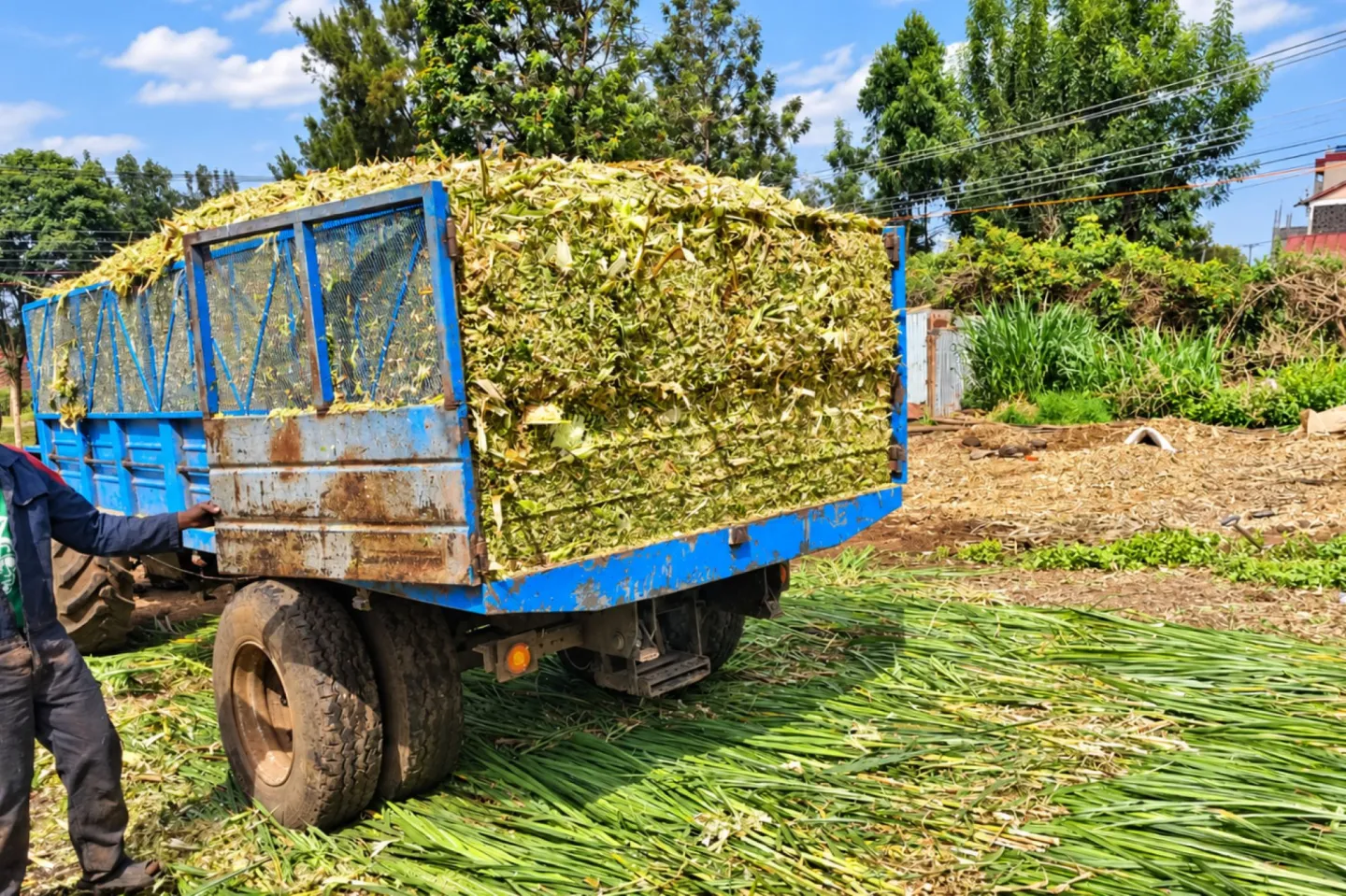
Safety and inclusion requirements are incorporated into the franchise operating procedures.
Nduwa Farm Products is currently incubating 17 enterprises: seven led by men, five led by women, three cooperatives and two enterprises led by persons with disabilities.
Early days
The model is still being tested. A similar approach is under way in Narok, where the market works differently. In Nakuru, the project will track sales, buyer relationships, enterprise performance and jobs. The test now is whether the model works commercially.
Can Nduwa Farm Products pass on its know-how and still turn a profit? Can the new enterprises produce consistently and find customers? Can dairy farmers get quality silage at a price that works for them? Will the incubated franchises scale?
For Ndungu, success will ultimately be measured in income. If the model works, he says, it should mean “more money in the pocket for all market actors involved”.
About the project
The International Labour Organization’s Public-Private Development Partnership (PPDP) Phase II project, funded by the Swedish International Development Cooperation Agency (Sida), works in Nakuru, Kajiado and Narok counties to promote inclusive, decent employment and productive livelihoods. The project brings together public institutions, private sector actors and communities to strengthen market systems in the fodder and tourism sectors, with a focus on creating better opportunities for women, persons with disabilities and young people. The project applies a market systems development approach.
Additional details
References
- DOI: N/A
Related content

Kenya's fodder sector skills assessment
Skills gap assessment in the fodder sector that promotes inclusive decent employment and productive livelihood in Nakuru, Narok and Kajiado...

Our impact, their story
Why we helped build Kenya’s first fodder curriculum
Relevant projects
Public-private development partnerships for inclusive decent employment and productive livelihoods