

Community based tourism
Making community tourism work better for the communities that host it
The ILO is working with Kenya’s community tourism network to test how locally rooted tourism experiences can reach formal markets while creating more inclusive opportunities for women, young people and persons with disabilities.
1 October 2026
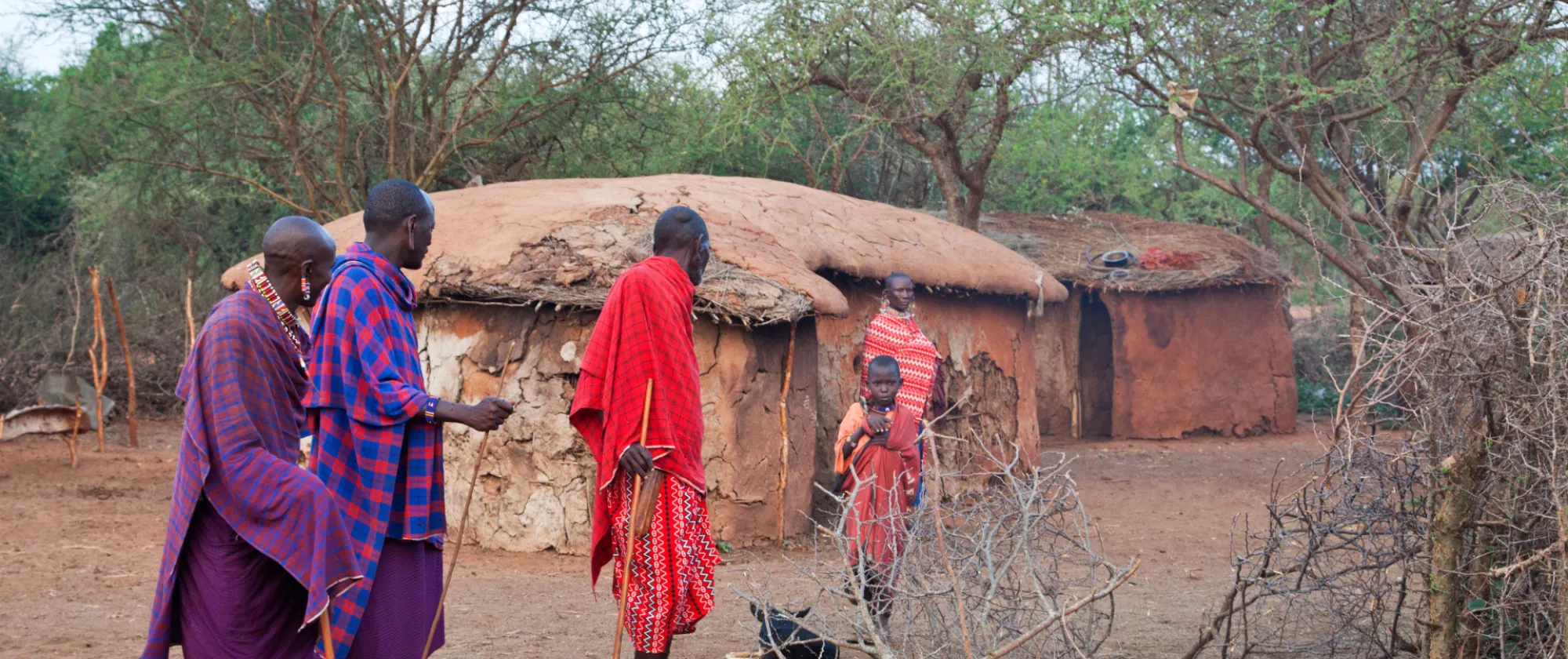
NAIROBI (ILO News) - Across Kenya, communities hold many of the experiences that make tourism memorable: cultural knowledge passed between generations, traditional food, crafts, stories, landscapes and locally guided encounters with nature.
But for the community providing it, turning that experience into reliable income requires much more: a product that can be priced, booked, delivered consistently and connected to the tourism market.
That is the gap the Kenya Community Based Tourism Network (KECOBAT) is working to bridge with support from the International Labour Organization (ILO).
KECOBAT is a national network representing community-based tourism enterprises across Kenya. Through the ILO’s Public-Private Development Partnership (PPDP) Phase II project, it is testing an approach designed to help community tourism groups develop market-ready experiences while ensuring that women, young people and persons with disabilities have opportunities to participate and benefit.
From community experience to tourism product
Community tourism groups may already have cultural knowledge, traditional food, crafts, stories, landscapes and locally guided activities that visitors value. What they may lack are the links and systems that turn those assets into products that tour operators can confidently sell.
The challenges can include product design, quality standards, basic infrastructure, pricing, marketing, booking arrangements and connections with the wider tourism industry. The costs of permits, training and infrastructure can create additional barriers.
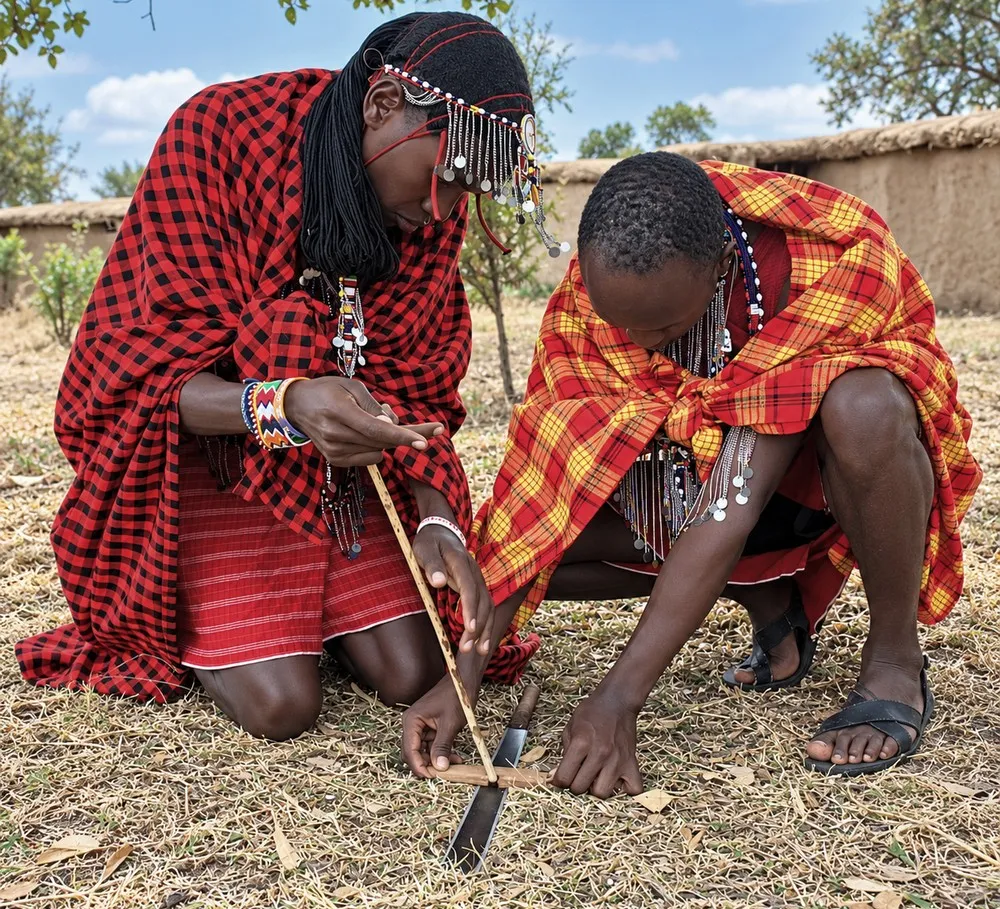
The pilot will work with six community tourism groups – two each in Nakuru, Narok and Kajiado counties. KECOBAT will help participating groups develop low-cost day experiences built around existing community spaces and activities, such as guided walks and craft workshops, while strengthening quality and operational readiness and connecting the resulting products with tour operators.
The aim is to test whether a collective approach can help community organizations overcome challenges that may be difficult to tackle alone: developing a product, meeting market expectations and establishing a reliable route to paying visitors.
Who gets to participate?
Making community tourism more commercially viable raises another question: who gains access to the opportunities it creates?
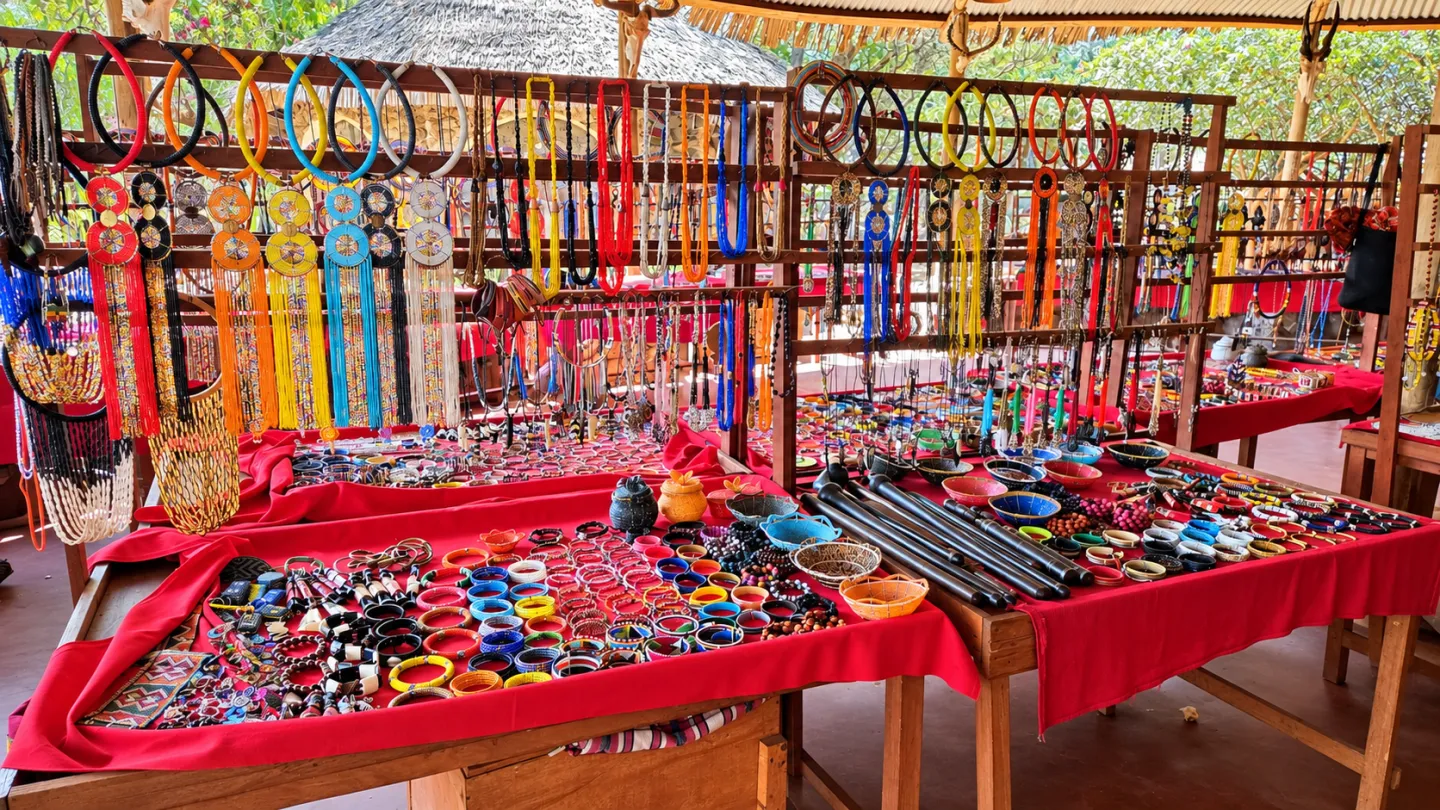
A gender analysis conducted for PPDP Phase II identified differences in the roles women and men often play in community tourism. Women are strongly represented in activities such as beadwork and also contribute through food, traditional medicine, dance and storytelling.
However, activities such as guiding and safari services may offer higher returns, while stronger market connections can also influence who captures more value.
The analysis also identified barriers that can affect women’s and young people’s participation in formal associations and decision-making. In some communities, customary systems may limit access to or control over resources, while women and young people can be underrepresented in tourism and conservancy boards.
Care responsibilities can create further constraints. Time spent on unpaid care can reduce opportunities to attend training, travel, engage consistently with visitors or take up work involving irregular hours.
The result can be a tourism economy in which women participate extensively but have less access to the activities, assets and decisions associated with higher earnings.
Designing inclusion from the start
The approach being tested is therefore not based on the assumption that benefits will automatically be shared equally once a tourism product becomes commercially successful.
Instead, inclusion is being built into the design of the pilot. The project’s Gender Action Plan calls for participating groups led by women, young people and persons with disabilities to be represented in the selection process. It also sets participation and leadership targets intended to increase access to paid and decision-making roles.
That distinction matters. Participation is not only about being present in a tourism activity. It is also about who receives income, who has access to skills and market connections, and who has a say in how an enterprise develops.
For persons with disabilities, the pilot also provides an opportunity to consider participation at the design stage rather than after products and services have already been developed.
When the tourist pays, who benefits?
Commercialization brings another question into focus: where does the money go?
A tourism experience taking place in a community does not automatically mean that the community benefits fairly from the income it generates.
The pilot therefore includes plans for transparent revenue-sharing and community reinvestment mechanisms. The intention is to explore how tourism income can support local employment and skills while also contributing to the continued development of the experience itself.
This makes community benefit part of the business model rather than something assumed to happen simply because visitors spend money locally.
Testing what can work
The model is deliberately designed to be low-cost and replicable. Its success will depend on several things happening at once: visitors wanting the experiences, community organizations being able to deliver them consistently, tour operators seeing commercial value and revenues creating value for the people involved.
If that happens, the approach could provide a basis for other community tourism groups to adopt similar models.
But commercial success will be only part of the test. The other question is where the opportunities and income go – and whether women, young people and persons with disabilities gain greater access to paid work, decision-making and the value created by tourism in their own communities.
About the project
The International Labour Organization’s Public-Private Development Partnership (PPDP) Phase II project, funded by the Swedish International Development Cooperation Agency (Sida), works in Nakuru, Kajiado and Narok counties to promote inclusive, decent employment and productive livelihoods. The project brings together public institutions, private sector actors and communities to strengthen market systems in the fodder and tourism sectors, with a focus on creating better opportunities for women, persons with disabilities and young people. The project applies a market systems development approach.
Additional details
References
- DOI: N/A
Related content
Inclusive growth through a Market Systems Development (MSD) approach
Expanding Impact: Public-Private Development Partnerships (PPDP) project enters phase 2 in Nakuru, Kajiado, and Narok Counties
Gender and inclusion champions
Who is missing? Making Kenya’s fodder and tourism sectors more inclusive
A market systems development model
From feed outfit to business incubator
Relevant projects
Public-private development partnerships for inclusive decent employment and productive livelihoods