Voices of Action - Child labour
A library in Argentina protects children from labour in informal settlements
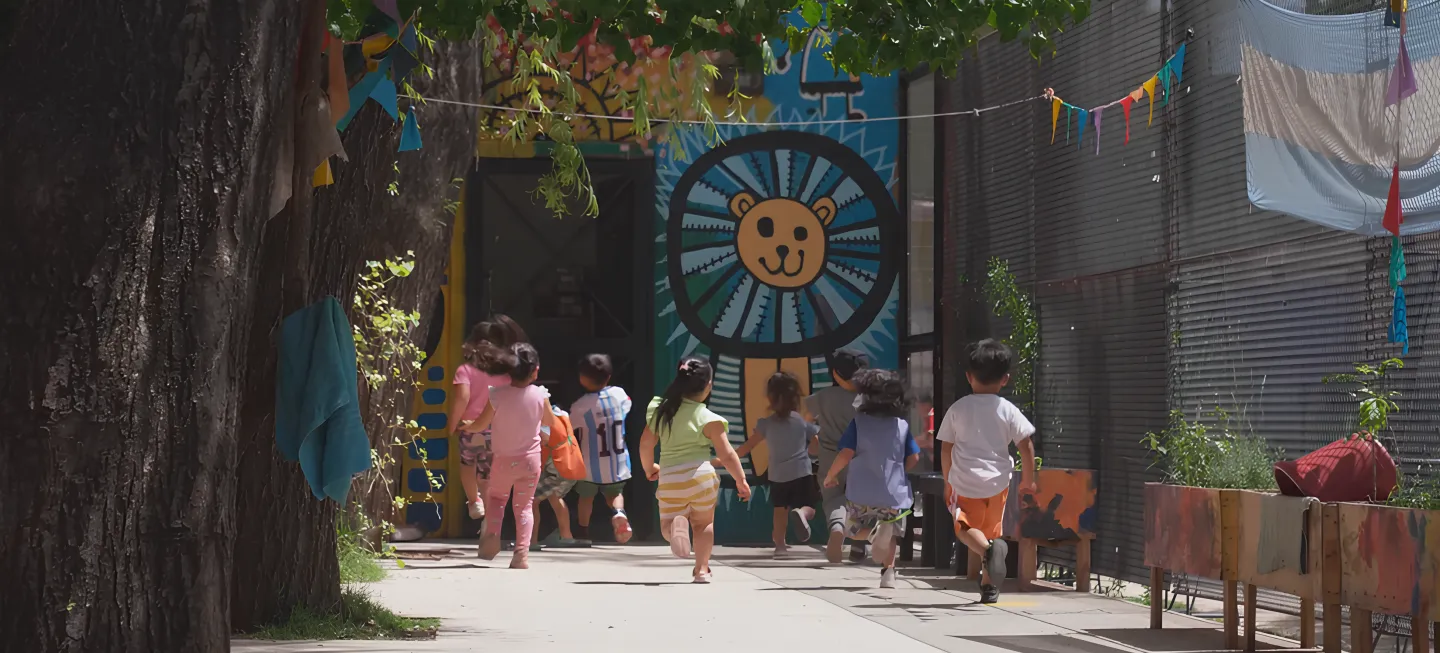
Located near a waste-picking area in José León Suárez, Buenos Aires Province, Argentina, a community library offers books, care, and a safe alternative to the streets and child labour.
6 February 2026
BUENOS AIRES (ILO News) - In José León Suárez, an area of the Greater Buenos Aires metropolitan region facing persistent poverty and social vulnerability, many low-income families rely on scavenging or informal work to survive. Amid these challenges, children can find a safe haven of "books and colours" at La Carcova Popular Library.
"The library plays various roles,” says its founder, Waldemar Cubilla. “It offers children a less violent transit through life."
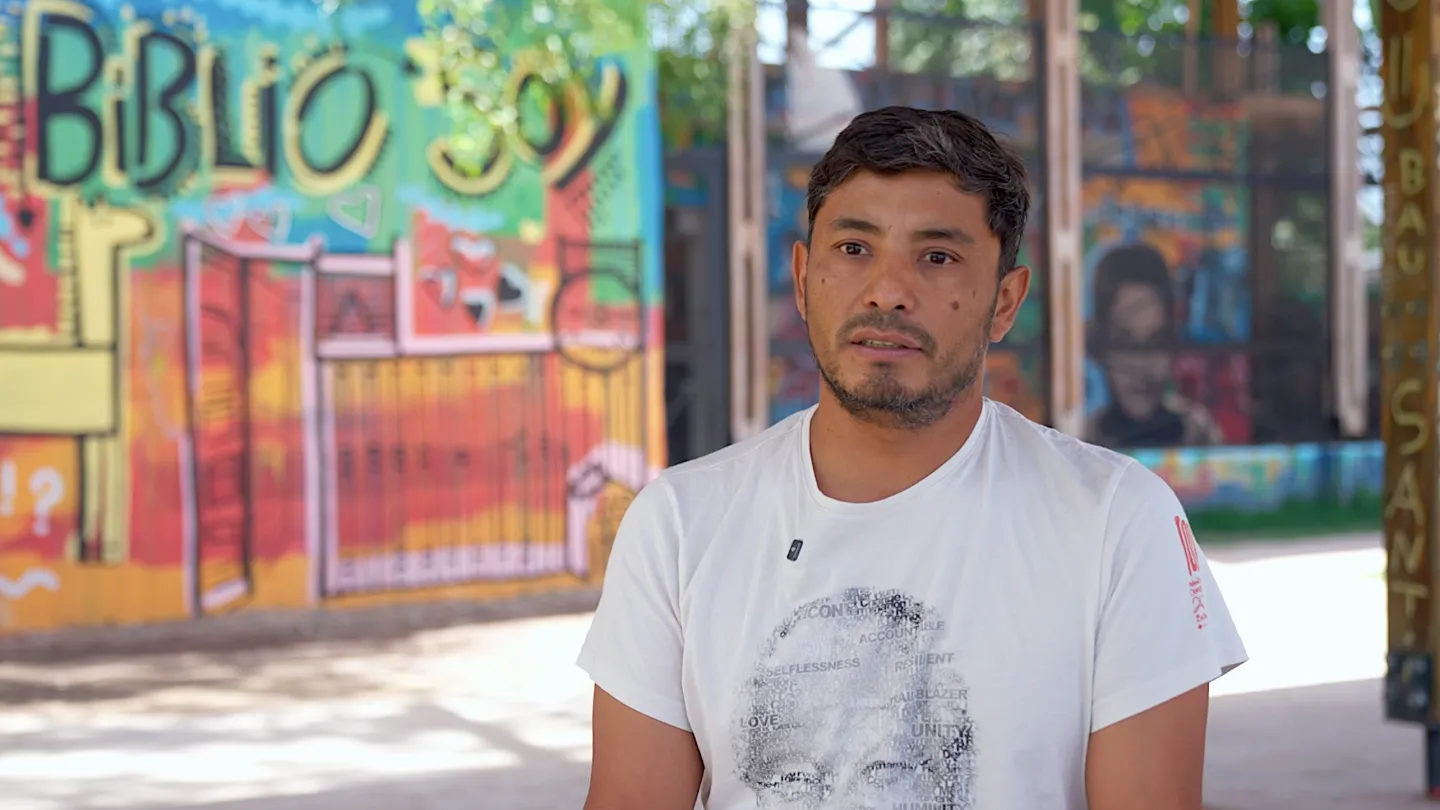
Established in 2012 following the clean-up of a former dump site, the library has grown into a vibrant space for learning, play, and reading. Since then, it has become a community hub for education and a concrete alternative to child labour.
This initiative is featured in Between Books and Community Care, a short film commissioned by the International Labour Organization (ILO) as part of its Voices of Action global series. The series features work by journalists producing impactful stories on child labour from around the world and was released ahead of the 6th Global Conference on the Elimination of Child Labour, to be held from 11 to 13 February 2026 in Marrakech, Morocco.
The film, directed by journalist Noelia Leiva, showcases how education and care spaces can serve as an integrated strategy to prevent child labour and exploitation, bringing together families, public institutions, civil society, and the private sector.
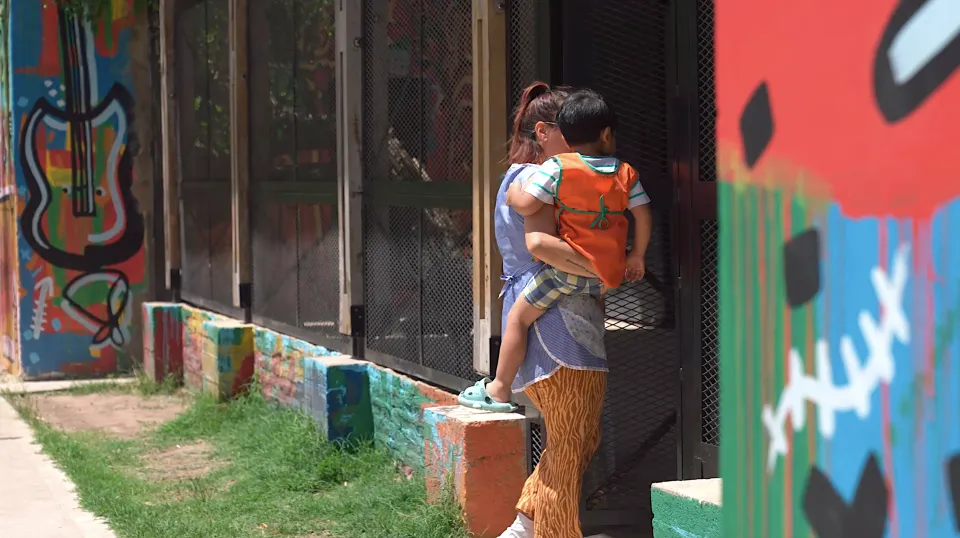
Through coordination with Buenos Aires COPRETI (the Provincial Commission for the Prevention and Eradication of Child Labour), the library also functions as an Early Childhood Space, offering care, education, health, and gender-related support in low-income neighbourhoods.
“If mothers did not bring their children here, their daughters and sons would have to go to work with them — to street markets or to ‘cirujear’. Many mothers sell tortillas at night,” explains Yanina Benitez, Coordinator of Early Childhood Space "Todo a su tiempo" and a member of the library.
"Our foundational demand was to take hours away from the time children spent on the streets, on street corners, or in child labour. We need to coordinate with the State, work alongside organizations, and involve the private sector to build a three-way alliance against child labour," says Gisela Péres, Director of the La Carcova Popular Library and founder of the Early Childhood Space "Todo a su tiempo".
"For us, the library is a space of care but also of transformation, a commitment to a decent future. All our efforts are aimed at making sure that in adulthood, our children have a good memory”, adds Waldemar Cubilla.
Strengthening action to address child labour
Across Latin America and the Caribbean, an estimated 7.3 million children are engaged in child labour. Globally, the figure reaches 138 million, with more than half involved in hazardous work that endangers their health, safety, and development.
Against this backdrop, Argentina has earned international recognition for its long-standing commitment to combating child labour. The country ratified the ILO’s fundamental conventions — Convention No. 138 on the minimum age for admission to employment in 1996 and Convention No. 182 on the worst forms of child labour in 2001. By doing so, Argentina established the essential standards for protecting children and adolescents from situations that undermine their full development and the exercise of their rights.
Despite significant progress in regulatory and institutional frameworks, child labour persists and continues to require sustained and coordinated interventions. According to the 2016 EANNA national survey, one in every 10 girls and boys under the age of 15 engages in some form of work, a proportion that doubles in rural areas.
In response, the ILO in Argentina continues to support the country’s efforts to end child labour by promoting an integrated approach that brings together care centres, decent work for adults, strengthened education and care policies, and social dialogue among governments, employers’ and workers’ organizations. The goal is clear: prevent, address, and eliminate child labour while promoting safe and regulated work for adolescents.