


Spotlight Interviews with Co-operators
Interview with Nataša Žugić, Director of the housing cooperative "Pametnija Zgrada" (Smarter Building) in Belgrade, Serbia
“Spotlight Interviews with Co-operators” is a series of interviews with co-operators from around the world with whom ILO officials have crossed paths during the course of their work on cooperatives and the wider social and solidarity economy (SSE). On this occasion, the ILO interviewed Nataša Žugić, Director of the housing cooperative "Pametnija Zgrada" (Smarter Building) in Belgrade, Serbia.
26 September 2025
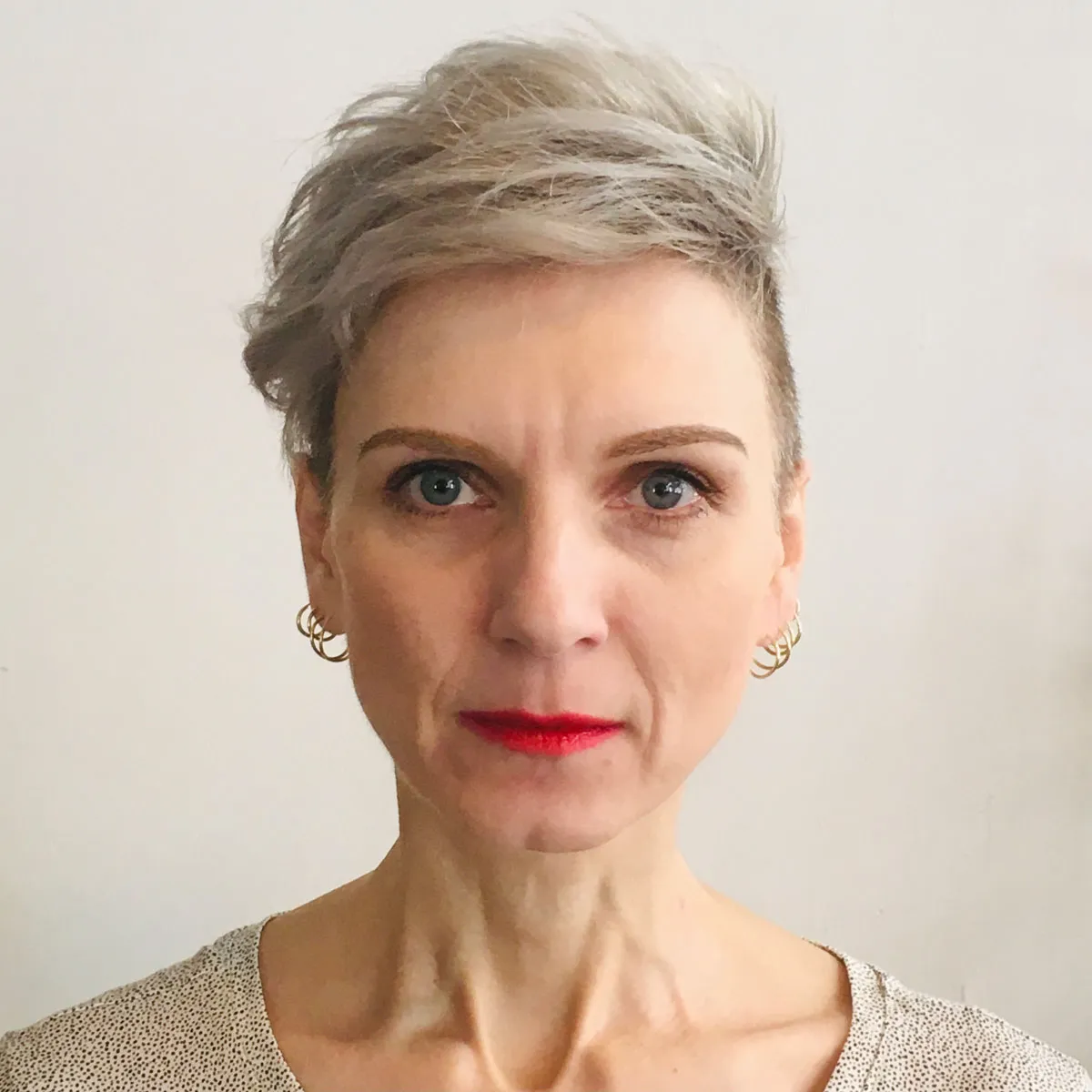
Could you tell us about your background, how you became involved in a housing cooperative and how Pametnija Zgrada began?
I have been working in residential design for nearly two decades, a period marked by major economic changes in Serbia and a deepening housing crisis with homes becoming increasingly unaffordable for many. During this time, I witnessed the rise of the investor-driven residential construction model that often prioritized profit over people’s diverse needs, treating housing mainly as a speculative asset rather than recognizing it as a basic human right. I strongly believe this model is unsustainable and that an alternative approach is necessary — one that prioritizes people’s needs and fosters community.
In 2012, I joined Who Builds the City, a platform established in Belgrade to bring citizens’ voices into urban development. Later that year, the platform launched Pametnija Zgrada (Smarter Building), an initiative to explore collective approaches to housing accessible to citizens who are excluded due to prevailing market conditions.
Throughout 2013, I participated in workshops that defined the core principles of Pametnija Zgrada. Sessions with titles such as All for One, One for All, Equality in a Society of Inequality, and Smarter than Ownership and Profit, examined the balance between individual and collective interests, challenges of citizen participation across socio-economic backgrounds, the role of profit, and the preparation of cooperative housing regulations.
That same year, the Belgrade municipality of Savski Venac launched the MILD Home competition for modular, affordable and self-build housing. Together with the Pametnija Zgrada team, we submitted Nova moba za ovo doba (A New Collective Effort for This Era), which was selected as one of three winning proposals and later presented at the URBANIZE festival in Vienna. In 2019, following years of research into housing issues, advocacy and organizing, the housing cooperative Pametnija Zgrada was formally established. Becoming a member was a natural step for me, as I envision my future home within the model we are developing.
What makes Pametnija Zgrada different within the wider housing context in Serbia?
Pametnija Zgrada is the first registered housing cooperative in Serbia in nearly twenty years. Today, it brings together 17 members of different ages, professions, and family situations, all united by the conviction that housing is a basic human right rather than a privilege. Our goal is to create a community rooted in solidarity, mutual support and long-term sustainability.
While construction of our first building is still ahead, we recognize how the cooperative model differs fundamentally from the dominant investor-driven approach. Housing units remain in collective ownership, combining partial member investment with cooperative leasing to ensure long-term affordability and protection from speculation. Residents take part in designing and managing their building and community, while the cooperative oversees financing, construction, and maintenance. Energy efficiency is among core principles from the outset, with “passive house” standards significantly reducing long-term costs.
What has been done by Pametnija Zgrada to advance the cooperative housing model?
To advance the cooperative housing model, we have carried out extensive public outreach in collaboration with Who Builds the City through our program, The Center for New Housing Cooperatives. The Center serves as a bridge, connecting individuals interested in cooperative housing with organizations engaged in promoting housing equality, labour rights and the social and solidarity economy. It also opens pathways for professionals to contribute their knowledge and expertise.
In 2024, the Center organized a series of events, including public lectures, discussions, workshops, and a study visit to Vienna and Budapest, where our members learned directly from established cooperatives such as Bikes & Rails, Wohnprojekt Wien, Schlor and Zuglo Collective House.

Building on this momentum, in October 2024 we organized the exhibition HOW AND WHERE WILL WE LIVE? Belgrade Meets the New Wave of Housing Cooperatives in Barcelona. Over four weeks, the exhibition featured 13 public events, drew more than 200 participants from five countries and gained national media attention, further amplifying the conversation on cooperative housing in Serbia.
Our aim is to strengthen public understanding of cooperative housing, attract new pioneers, and create the conditions for systemic support of affordable, sustainable, and socially just housing in Serbia.
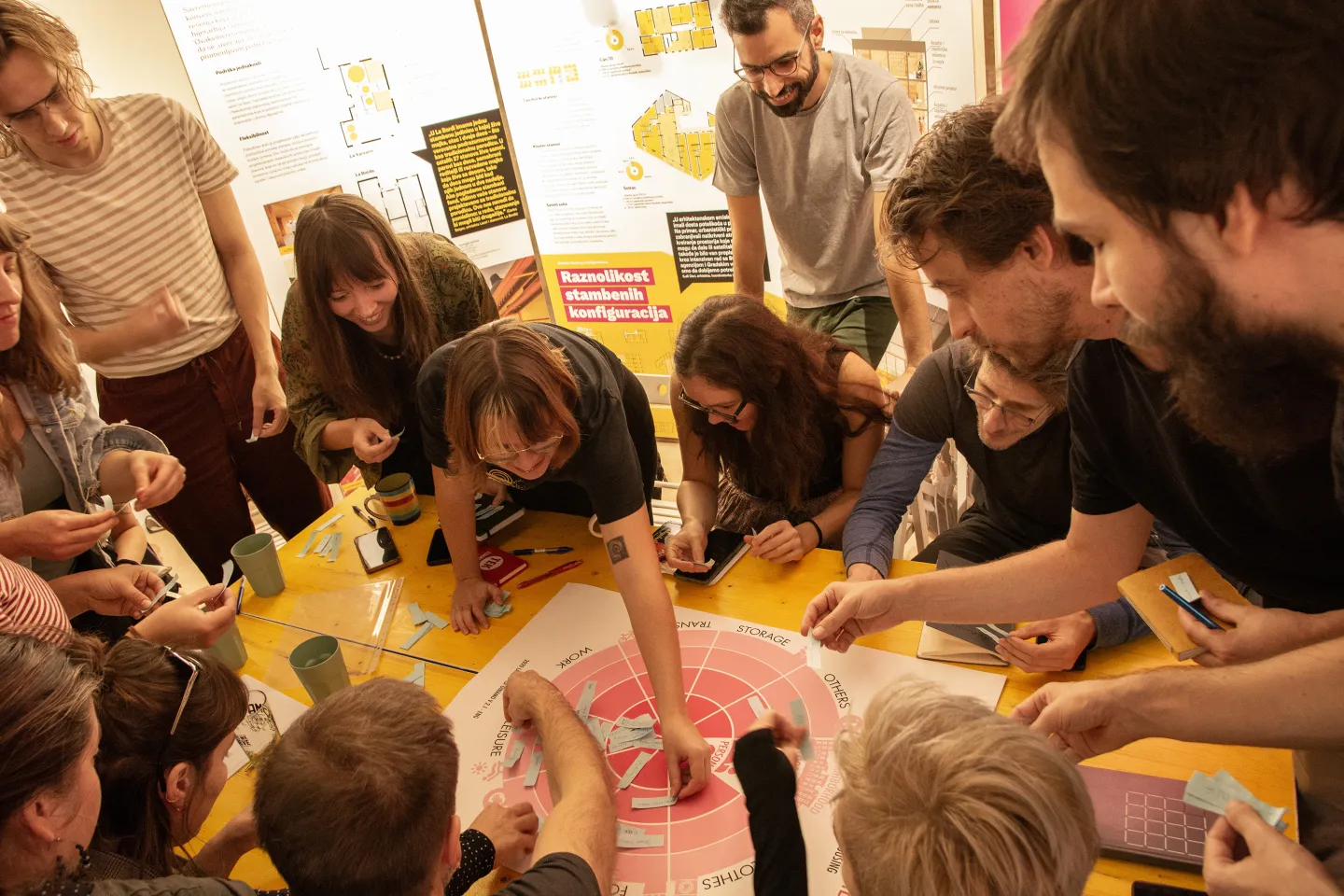
Pametnija Zgrada is part of the MOBA Housing Cooperative. What does the network do and how does it support your work and connect cooperative housing projects across the region?
Established in 2017, MOBA is a network of pioneering community-led housing initiatives across Central and Southeastern Europe, including cooperatives from Belgrade, Budapest, Ljubljana, Prague and Zagreb. Supported by The Cooperative for Ethical Financing (ZEF), UrbaMonde and World Habitat, the network collaborates to address challenges in affordable and accessible housing. It was officially registered in 2020 as a European Cooperative Society, with Pametnija Zgrada as a founding member.
The network supports its members through shared expertise, capacity-building, financial instruments, and other resources to launch pilot housing projects across Central and Southeastern Europe. Its initiatives prioritize delivering viable, affordable housing that reflects household income, accommodating labour mobility, integrating work and home life, and responding to diverse household structures and demographics.
A key tool in development is the MOBA Accelerator, a financing instrument designed to provide short-term funding for construction and asset establishment. Once fully operational, it will improve access to larger conventional mortgage financing, addressing the lack of traditional financing partners and supporting sustainable cooperative housing across the region.
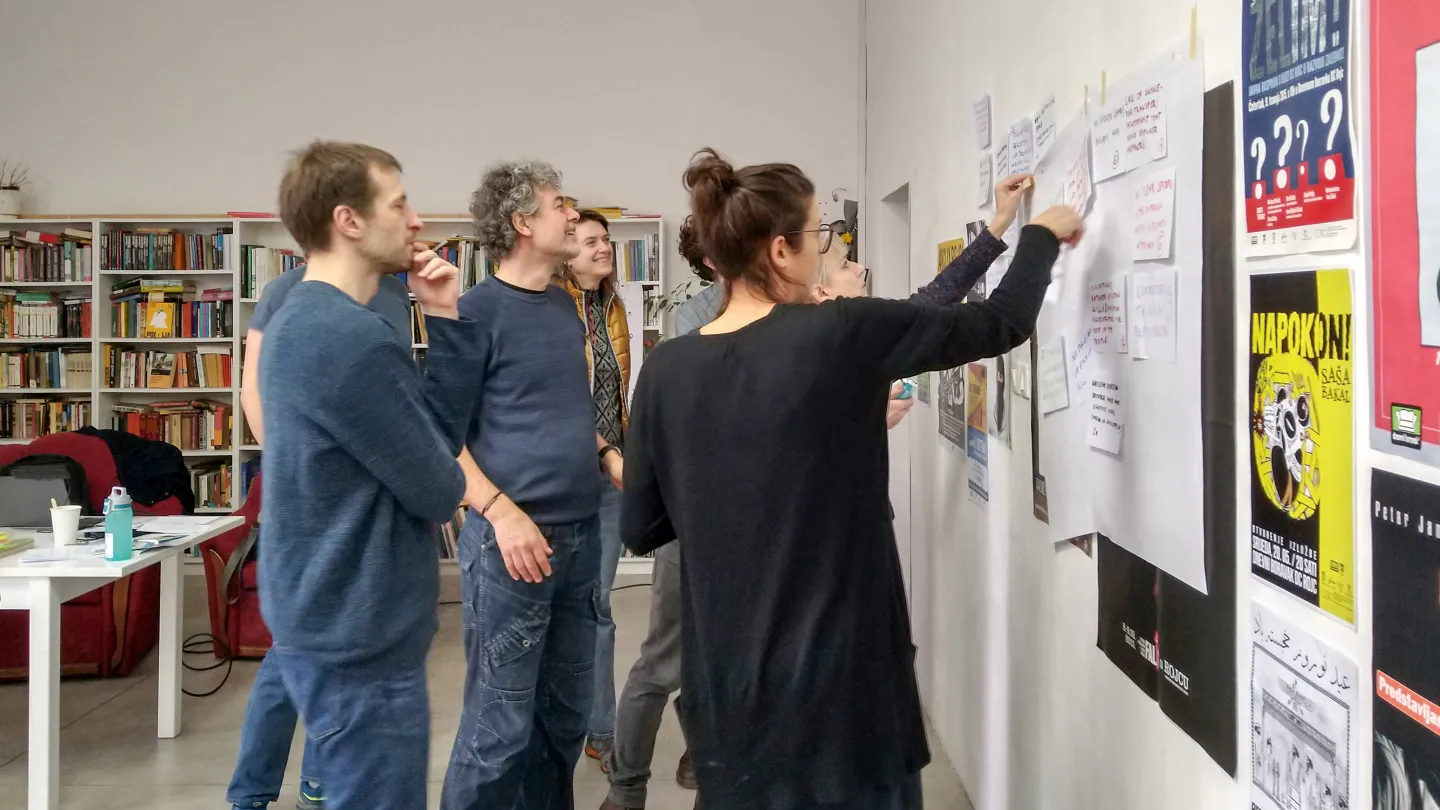
What are the main challenges you have faced in developing a housing cooperative, and how do you address them? What gaps still need to be filled for the development of housing cooperatives in Serbia?
One of the major challenges is access to financing, as traditional banks do not have instruments adapted to collective ownership or non-profit principles. The broader economic and policy context, characterized by inequality and limited support measures, makes mobilizing capital and sustaining operations a continuing challenge. Legal frameworks, designed for conventional real estate, add further complexity and require ongoing advocacy.
Internally, we are strengthening member capacities, improving communication, and gradually forming a group of future residents for the pilot project by defining their needs and exploring responsive models. Public understanding of cooperative housing remains limited, making outreach essential to convey its principles and benefits. Attracting committed members is therefore a priority.
Ensuring long-term sustainability adds another challenge. While energy-efficient construction reduces operating costs, balancing affordability with the expenses of building and maintaining housing requires careful planning.
All of this occurs within a wider landscape of systemic housing challenges - high costs relative to incomes, limited affordable rental options, and demographic pressures - requiring innovative models, persistent advocacy, public engagement, and regional collaboration.

What are the priorities for the future development of the Pametnija Zgrada cooperative? What lessons from its experience could be useful for other housing cooperatives?
We are currently identifying a location for our pilot project — the first cooperative housing building of its kind in Serbia. Recognition and support from Belgrade municipalities or relevant state authorities, including favorable land access, could significantly accelerate progress.
We are also open to partnerships with private landowners who are interested in supporting this cooperative housing model, whether by making land or properties available on favourable terms and sharing resources or by joining the cooperative community.
Looking ahead, broader political and societal change could further strengthen the environment for cooperative housing. Currently there is growing public demand in Serbia for transparency, accountability and solidarity, which — if reflected in supportive legal and policy frameworks — would create more conducive conditions for realizing our vision: a cooperative building built by and for the community, reflecting shared values, mutual support and collective growth.
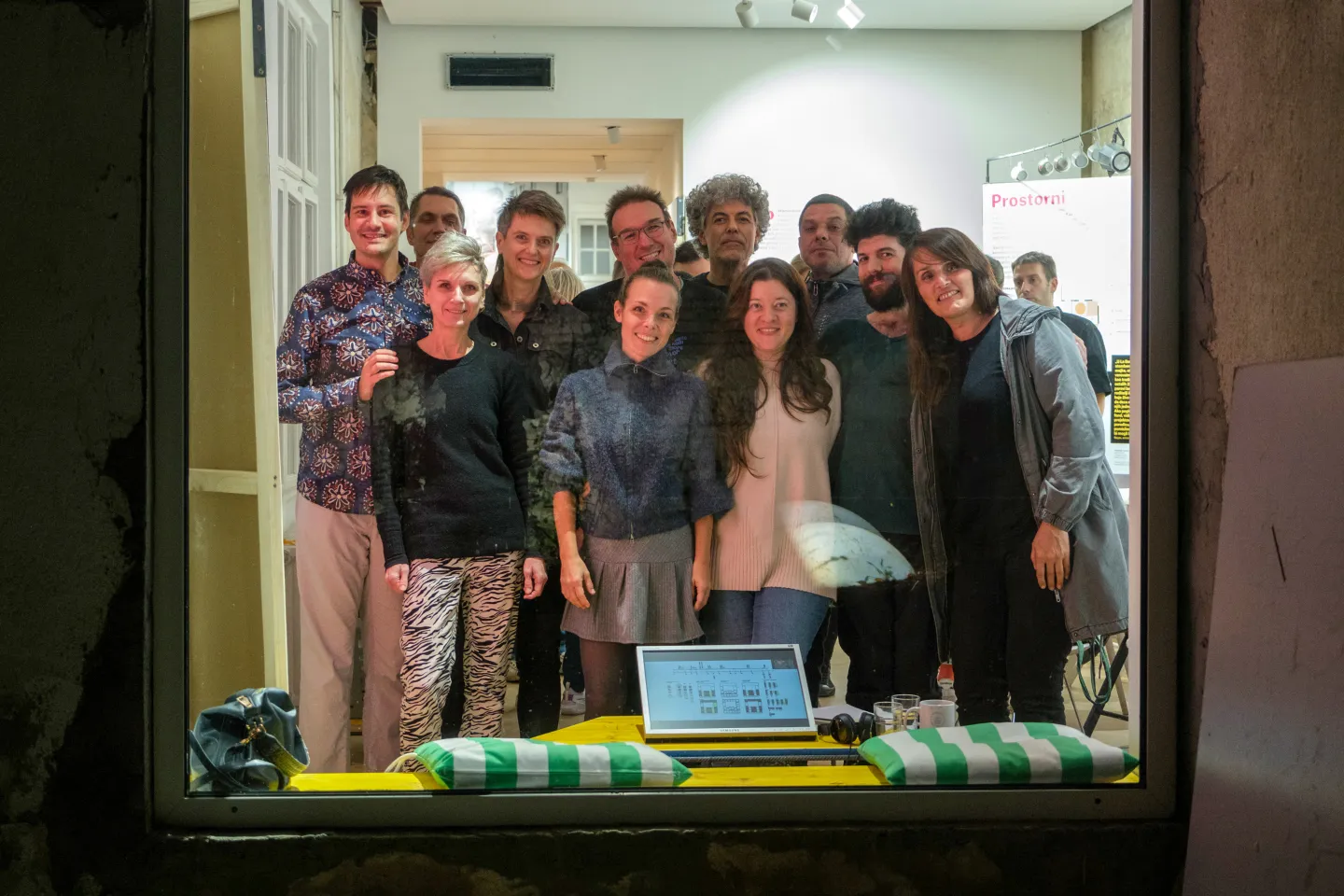
The views expressed in this interview are those of the interviewee and do not necessarily reflect the official position or policies of the International Labour Organization.
Related content:
- Interview with Guido Schwarzendahl, CEO of Bauverein Halle & Leuna eG, and President of Cooperative Housing International
- Interview with Christian Bengtzelius, Head of Owner Relations and International Affairs at Riksbyggen (cooperative housing organization in Sweden)
- Cooperative housing for refugees in Greece

More Spotlight Interviews with Co-operators
Inspiring stories, insights and thought-provoking reflections from cooperative and social and solidarity economy (SSE) actors from across regions and sectors
Stay tuned
To keep updated on the latest Spotlight Interviews with Co-operators, you can also:
- Visit ILO topical portals on cooperatives ilo.org/coop & the SSE ilo.org/sse
- Sign up for ILO COOP/SSE monthly newsletter
- Follow @ILOCOOPSSE on LinkedIn, X, Facebook and Instagram
You may also be interested in

ILO Guidance and resources
The social and solidarity economy: Law and policy

ILO Guidance and resources
Cooperatives and the social and solidarity economy: Education and training

International Year of Cooperatives 2025: ILO Engagements