

Spotlight Interviews with Co-operators
Interview with Christian Bengtzelius, Head of Owner Relations and International Affairs at Riksbyggen
“Spotlight Interviews with Co-operators” is a series of interviews with co-operators from around the world with whom ILO officials have crossed paths during the course of their work on cooperatives and the wider Social and Solidarity Economy (SSE). On this occasion, the ILO interviewed Mr. Christian Bengtzelius, Head of Owner Relations and International Affairs of Riksbyggen, a cooperative housing organisation in Sweden.
20 January 2025
Could you tell us about yourself and how you got involved working in cooperatives and in the social and solidarity economy in general?
I started my career as a construction worker and then got involved in the union to represent my colleagues for a better working environment and higher wages. This led to me starting as an ombudsman for the construction workers union in Stockholm. After a few years I was elected chairman. That's where my involvement began, which today has led to me having the role of association manager and be a part of the management of the cooperative housing organization Riksbyggen with 2,500 employees and 4,300 housing cooperatives.
What does the Riksbyggen do and how does the Riksbyggen practice the cooperative values?
Riksbyggen is a Swedish cooperative organization that focuses on housing development and property management. It was founded in 1940 to address Sweden’s housing shortages and improve living conditions. Riksbyggen is guided by cooperative principles, which prioritize democracy, participation, and social responsibility. Here’s how we embody these values:
- Housing cooperatives that are part of Riksbyggen have a say in decision-making processes, ensuring a democratic and inclusive approach to governance.
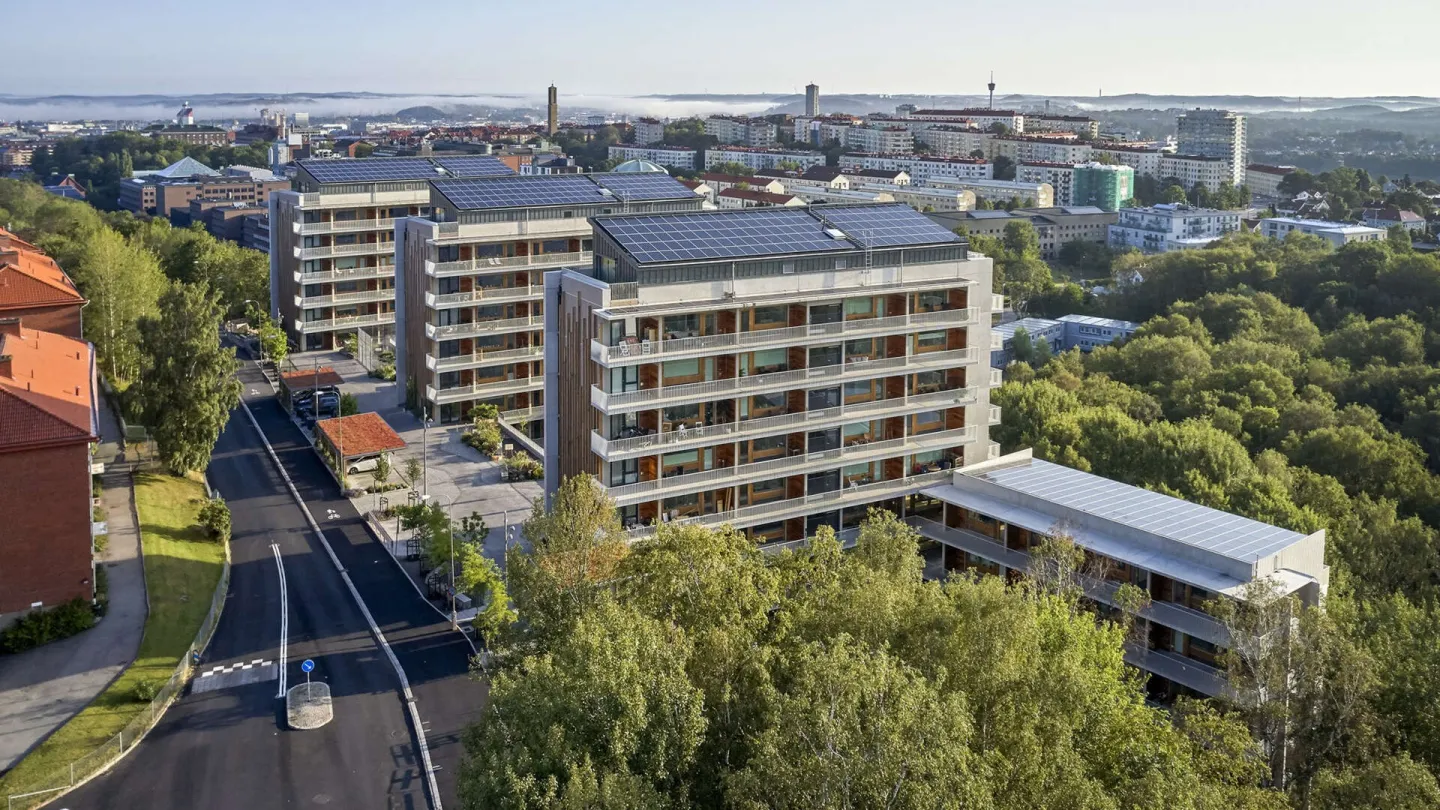
- Riksbyggen actively promotes environmental sustainability, such as reducing carbon emissions and integrating green energy.
- We also engage in community development and aim to create housing that benefits society.
- The organization invests in educating its members and employees about cooperative values, sustainability, and property management, ensuring informed and engaged stakeholders.
- As a cooperative, Riksbyggen prioritizes the well-being of our members and residents over maximizing profits, aligning with the principle of mutual benefit. Riksbyggen collaborates with trade unions, municipalities, and other organizations to promote housing availability and affordability, demonstrating a commitment to collective problem-solving.
By integrating cooperative principles into its operations, Riksbyggen strives to create housing solutions that balance economic, social, and environmental sustainability while fostering community and member involvement.
What are the biggest challenges you face in developing sustainable cooperative housing solutions, and how do housing cooperatives, like Riksbyggen, contribute to addressing Sweden's housing challenges?
Some of the Biggest Challenges in Developing Sustainable Cooperative Housing Solutions include:
- The increasing cost of materials, labour, and land makes it challenging to develop affordable and sustainable housing while maintaining high environmental standards.
- Implementing sustainable solutions (e.g., energy-efficient technologies, green roofs, and renewable energy) can increase upfront costs, which may conflict with affordability for members.
- While energy-efficient solutions are essential, transitioning to net-zero housing and integrating renewable energy systems at scale is technically and financially challenging.
- Complex or outdated regulations and zoning laws can delay projects or limit the ability to innovate in sustainable design.
- Securing land in urban areas, where housing demand is highest, is competitive and expensive, limiting opportunities to build cooperative housing.
- Educating people about the benefits of cooperative housing and sustainable living can be a challenge, especially in areas where traditional property ownership is more common.
- Access to long-term financing that supports both affordability and sustainability can be difficult. Cooperatives often rely on member investments, which may not cover significant upfront costs for sustainable innovations.
Housing cooperatives operate on a non-profit basis, prioritizing members’ needs over profits. This helps mitigate the affordability crisis by offering cost-effective housing options compared to market-based alternatives. Riksbyggen integrates environmentally friendly practices such as energy-efficient buildings, renewable energy sources, and biodiversity-focused urban design. These efforts align with Sweden’s ambitious climate goals. Cooperatives empower members to actively participate in decision-making, ensuring the housing solutions are community-driven and tailored to residents’ needs.
Through initiatives like senior housing and adaptable living spaces, cooperatives address demographic challenges, such as an aging population and changing family structures.
By working with municipalities, unions, and environmental organizations, housing cooperatives help bridge public and private efforts to address Sweden’s housing shortages. Riksbyggen invests in cutting-edge technologies, such as solar power, smart energy systems, and green roofs, to lower environmental impact while reducing long-term costs for residents.
By focusing on sustainability, affordability, and community involvement, housing cooperatives like Riksbyggen play a vital role in addressing Sweden’s housing challenges while setting an example for other countries facing similar issues.
How are housing cooperatives like the Riksbyggen in Sweden adapting to meet the evolving needs of residents, such as demographic shifts, urbanization, and climate change?
We are proactively adapting to the evolving needs of residents by implementing strategies that address demographic shifts, urbanization, and climate change. By focusing on sustainable development, innovative housing solutions, and community engagement, they contribute significantly to creating resilient and inclusive living environments. These efforts are supported by government policies that promote cooperative housing models, provide financial incentives for sustainable construction, and facilitate access to land in urban areas. Through this collaborative approach, housing cooperatives play a vital role in meeting the changing demands of society while promoting environmental sustainability and social well-being.
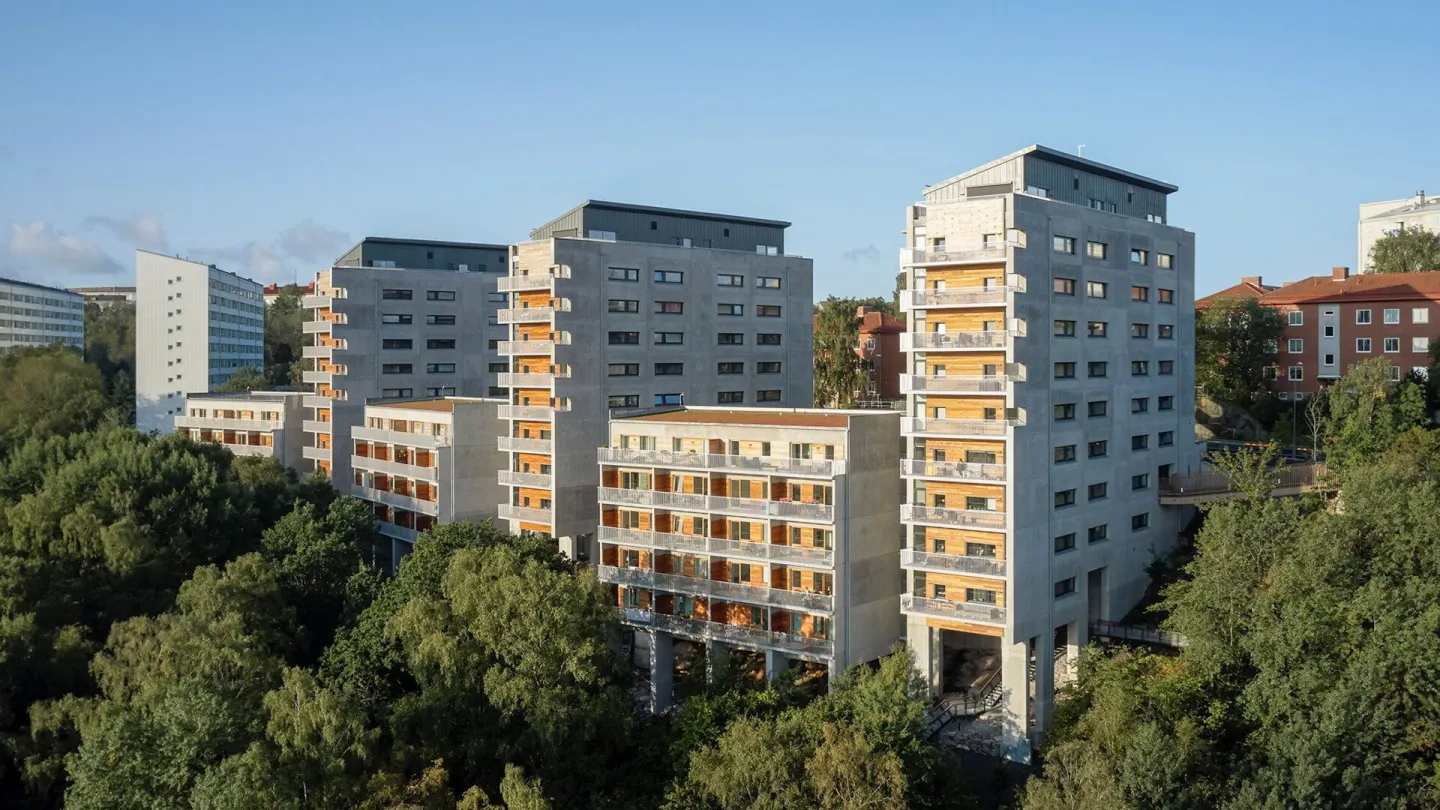
How does Riksbyggen integrate sustainability and innovation into its building and management processes?
Riksbyggen integrates sustainability and innovation into its building and management processes through a comprehensive approach that encompasses energy efficiency, advanced technology, and environmentally conscious construction practices. Riksbyggen employs artificial intelligence to monitor and analyze energy consumption, enabling precise adjustments that enhance efficiency and reduce waste. And by investing in system development and AI, Riksbyggen offers service packages that assist housing cooperatives in optimizing long-term energy use, achieving savings between 10-20 per cent. Riksbyggen adopts a holistic approach by conducting sustainability analyses for each project, considering factors like energy use, indoor environmental quality, and building materials. Emphasizing resource efficiency and the appropriate use of materials, they aim to reduce climate impact throughout the building’s life cycle.
What roles do government policies and regulations play in supporting housing cooperatives in Sweden?
Government policies and regulations in Sweden play a crucial role in supporting housing cooperatives by providing a legal framework that ensures their stability and growth. This framework facilitates the development and management of cooperative housing, enabling organizations like Riksbyggen to offer sustainable and affordable living options. However, it’s important to note that there is no direct government financial assistance for housing cooperatives in Sweden. Members typically finance a significant portion of development costs, with the remainder raised through loans from private financial institutions. Overall, the supportive legal environment and financial mechanisms provided by the Swedish government have been instrumental in the success and proliferation of housing cooperatives, contributing to a diverse and resilient housing market.