

Impact story
ILO-led renovation transforms a market in southern Somalia into a hub of dignity and opportunity
Previously neglected and run-down, Sigaale Market has become a vibrant hub of commerce and dignity, thanks to a renovation project that restored critical infrastructure and helped to improve livelihoods, and bring renewed hope to displaced and vulnerable communities in Baidoa, south-central Somalia.
4 August 2025
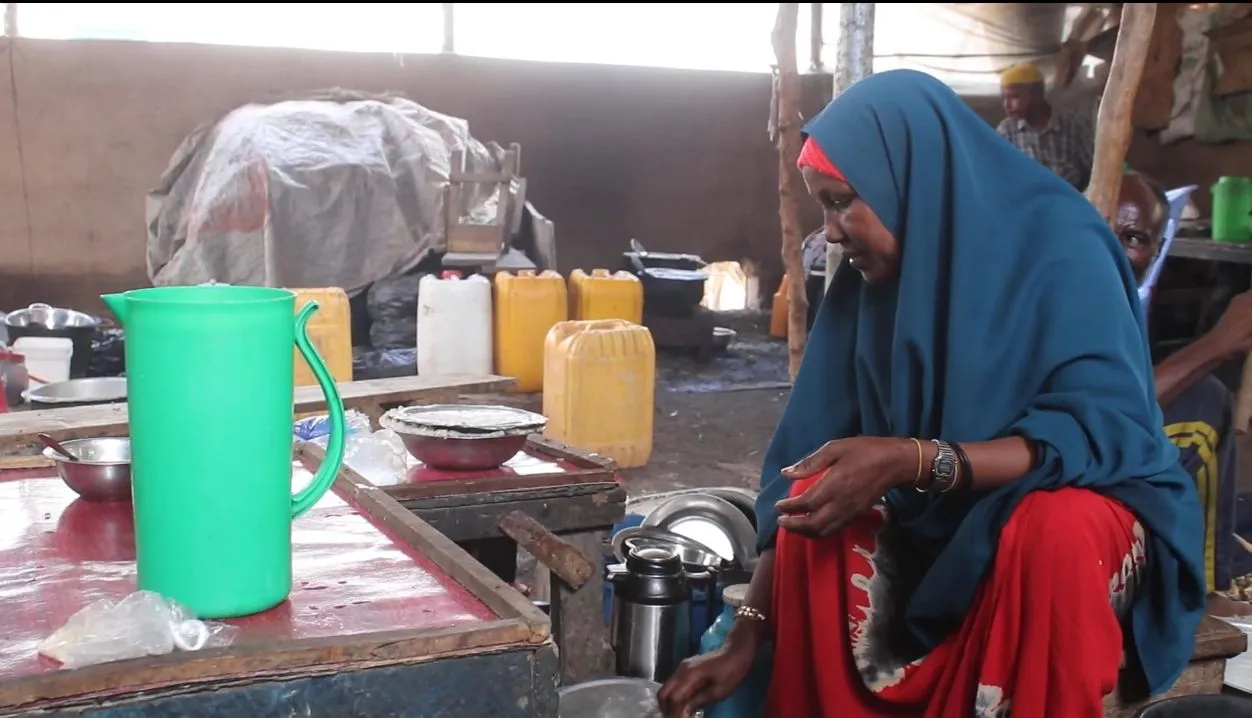
BAIDOA, Somalia (ILO News) – As dawn breaks over Baidoa in South Western Somalia, and the call to morning prayers echoes through the city, Amina Mohamed, a mother of four who is internally displaced, prepares for another day of trade at the newly renovated Sigaale Market. This has been her routine for the past year, and it is a testament to the market’s remarkable transformation.
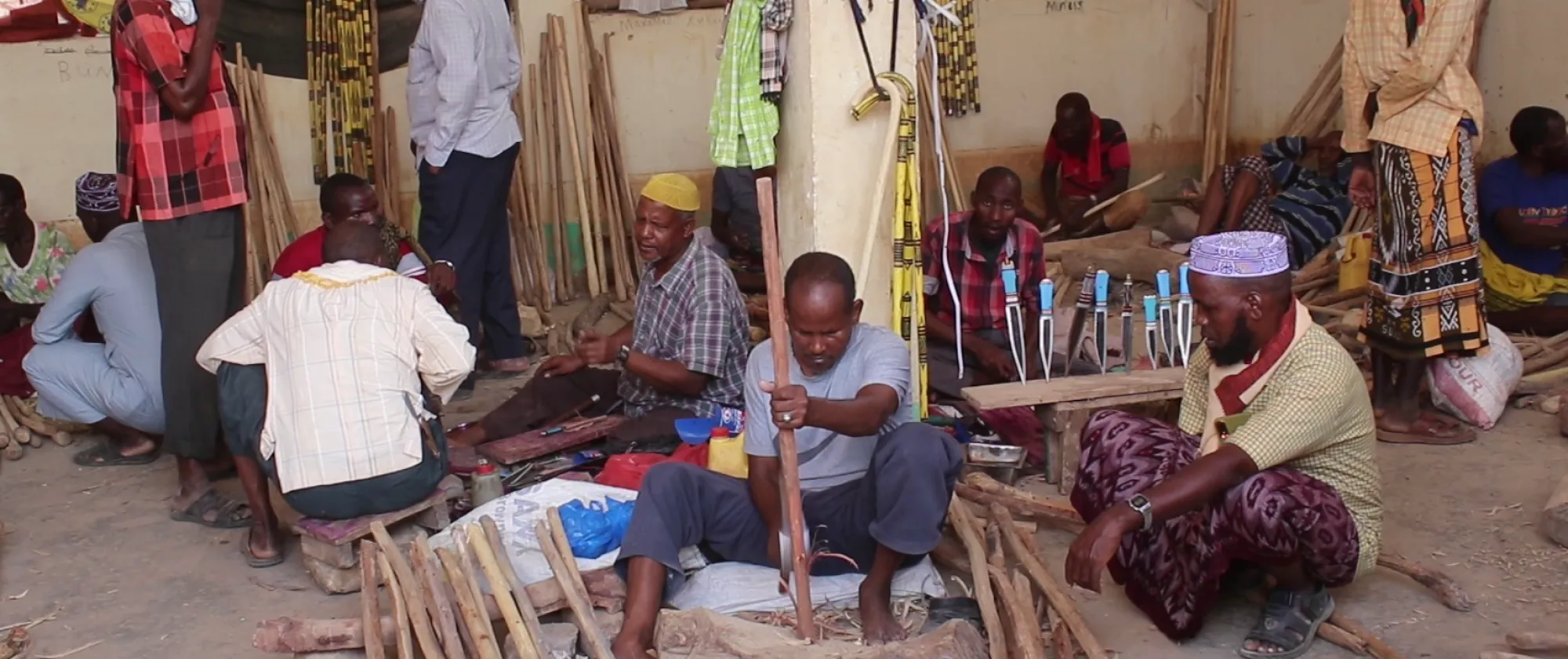
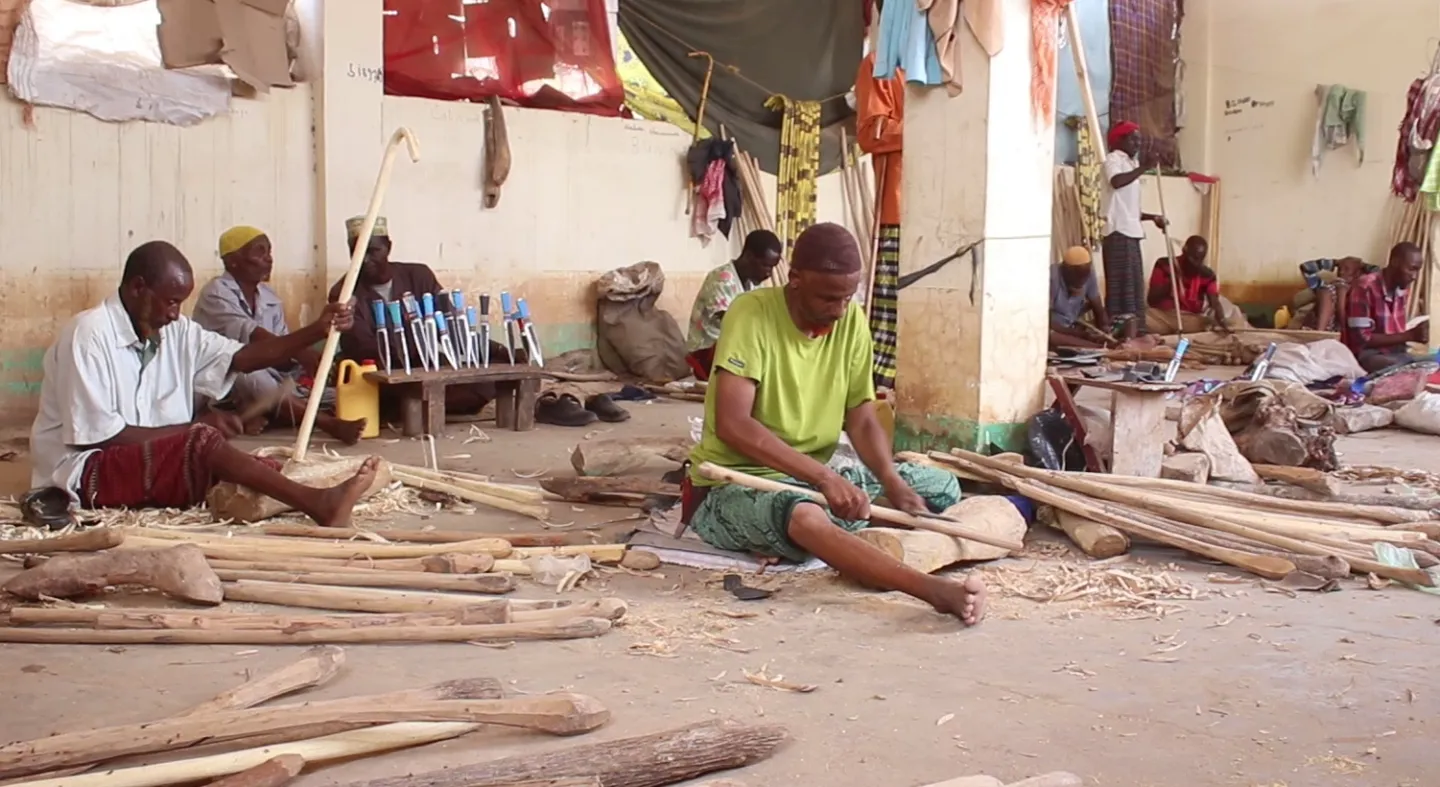
Once a neglected space, Sigaale Market is now a vibrant hub of activity. Its stalls brim with colourful produce, handcrafted tools glint in the morning sun, and its corridors, once deserted, pulse with life. The market has become the beating heart of the community’s revival.
Amina carefully arranges tomatoes on her wooden stall. "Two years ago, this place was nearly abandoned," she recalls. "The roof leaked, the ground was always wet, and customers stayed away."
Her story mirrors that of many in Baidoa, especially returnees and displaced families. Years of conflict and climate shocks had left the infrastructure in ruins and hope in short supply. Sigaale Market, once the town’s bustling trading artery, had deteriorated into a dilapidated shell. For people like Amina, survival was a daily struggle.
But in 2024, change arrived. Through the International Labour Organisation (ILO), with funding from the KfW Development Bank, the Employment Intensive Investment Programme (EIIP) launched an initiative, not just to rebuild, but to reimagine, public spaces like Sigaale Market.
The initiative led the transformation of the market, from a neglected space into a vibrant hub of commerce and dignity. This involved expanding the market to accommodate more vendors and improving the structure so traders could continue their work uninterrupted, even during rain.
"People have embraced this beautiful structure," says Abdi Abdullahi Keinan, an ILO National Officer based in Baidoa.
"Before, traders would flee when it rained," "Now, they continue their work uninterrupted. We also expanded the market to accommodate more vendors who once had to endure the scorching sun. Today, nearly every stall in the market is occupied, and the air hums with energy. "This initiative created jobs for those who had nowhere else to turn," Keinan adds.

In another section of the market, blacksmiths craft and sharpen essential tools. Aweys Maalim Hilaal, one of the traders, reflects on the changes: "The difference between the old market and the new one is night and day. Before, we lacked toilets, proper stalls, and protection from the rain. Now, we have it all."
Aweys, who supports a family of 15, notes that while his income has remained steady, his working conditions have improved dramatically. "Now, I work with confidence. There’s no theft, no violence, just peace," he explains.
The renovation has also brought dignity and safety. With sturdy stalls and sanitation facilities, traders operate in cleaner, more organised spaces. "We welcome the community warmly," Aweys adds. "This market belongs to all of us."
Hawa Ali Mohamed, a 39-year-old shop owner and mother of five, shares her sentiment. "Business is much better now," she says. Though her income hasn’t surged, she appreciates the improved infrastructure and steady stream of customers. "The cleanliness and maintenance are excellent," she affirms.
Like Amina, Hawa was employed during the market’s rehabilitation. Registered through the camp management system, she earned fair wages and found renewed purpose in the project.
Most of the occupants here are elderly and vulnerable, many from minority clans. Sixty-eight per cent are elderly, 13% are women, and in total, 93 individuals now work here.

The revival of Sigaale Market is not only about economic gains. It is also about communal trust and reconciliation. Displaced people, returnees, and locals worked side by side, forging not just a marketplace but a space of healing and unity.
"When I look at this market now, I feel proud," says Hawa. "Every brick, every path reminds me, we built this. We made it happen."
Today, Sigaale Market stands as a testament to resilience, community spirit, and the power of opportunity. More than a market, it is the beating heart of a new beginning.
About the Project and the Partners
The renovation of Sigaale Market was made possible through the collaborative efforts of the International Labour Organization (ILO), the German Federal Government via the KfW Development Bank, and the South-West State’s Ministry of Public Works and Ministry of Labour. Implemented under the Employment-Intensive Investment Programme (EIIP), the initiative not only revitalised a critical economic space but also exemplified how infrastructure can serve as a platform for inclusive growth, local empowerment, and dignified employment. By working hand-in-hand with community leaders, elders, and local authorities, the project ensured that the market’s transformation reflected the needs and aspirations of Baidoa’s most vulnerable populations.