

Child labour
From fields to futures: The Ugandan women building a brighter tomorrow
Women participating in the ACCEL Africa project in Uganda have transformed their village by combining savings, education and community care to combat child labour and promote brighter futures for their children.
27 October 2025
LIWULUKO, UGANDA (ILO News) – In the green hills of Sironko district in eastern Uganda, a group of women are quietly transforming their community. What began as an initiative to tackle child labour through training in financial literacy and agriculture has blossomed into something much more powerful, a model of grassroots resilience and hope.
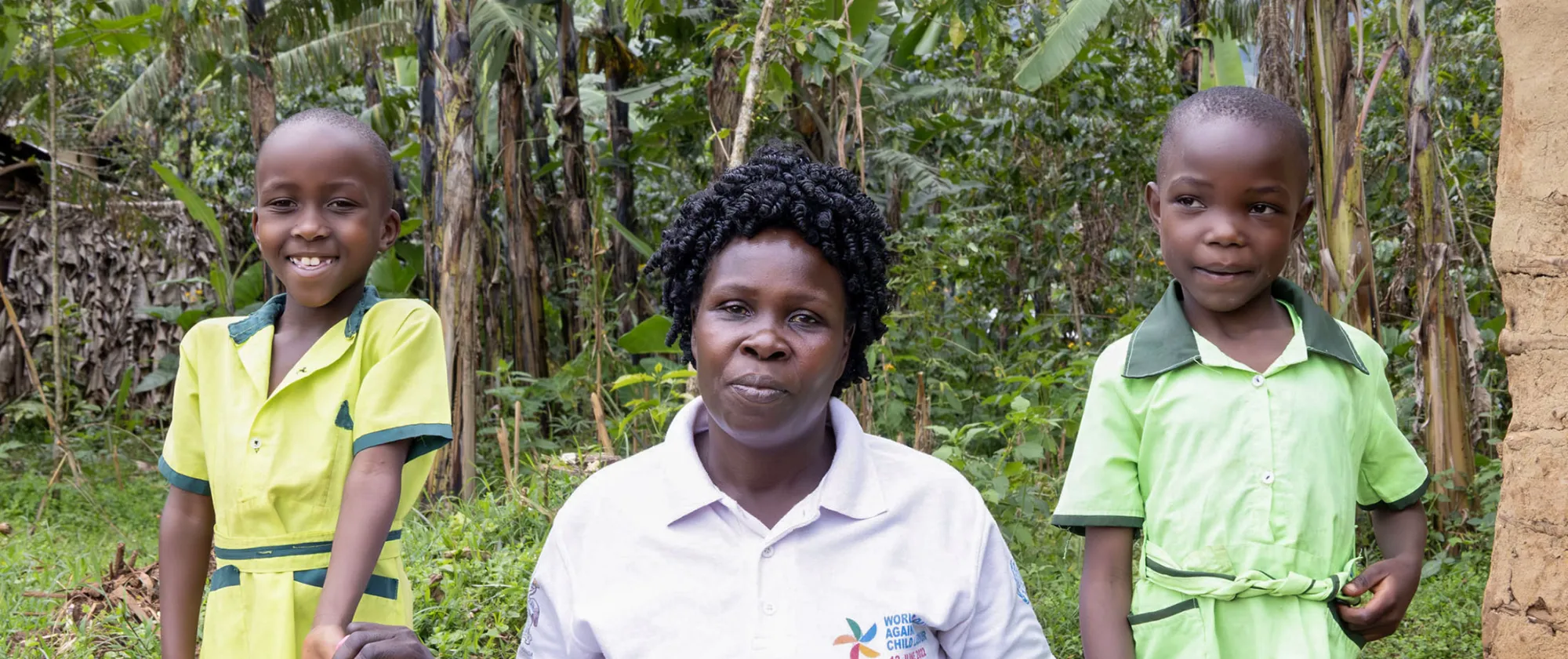
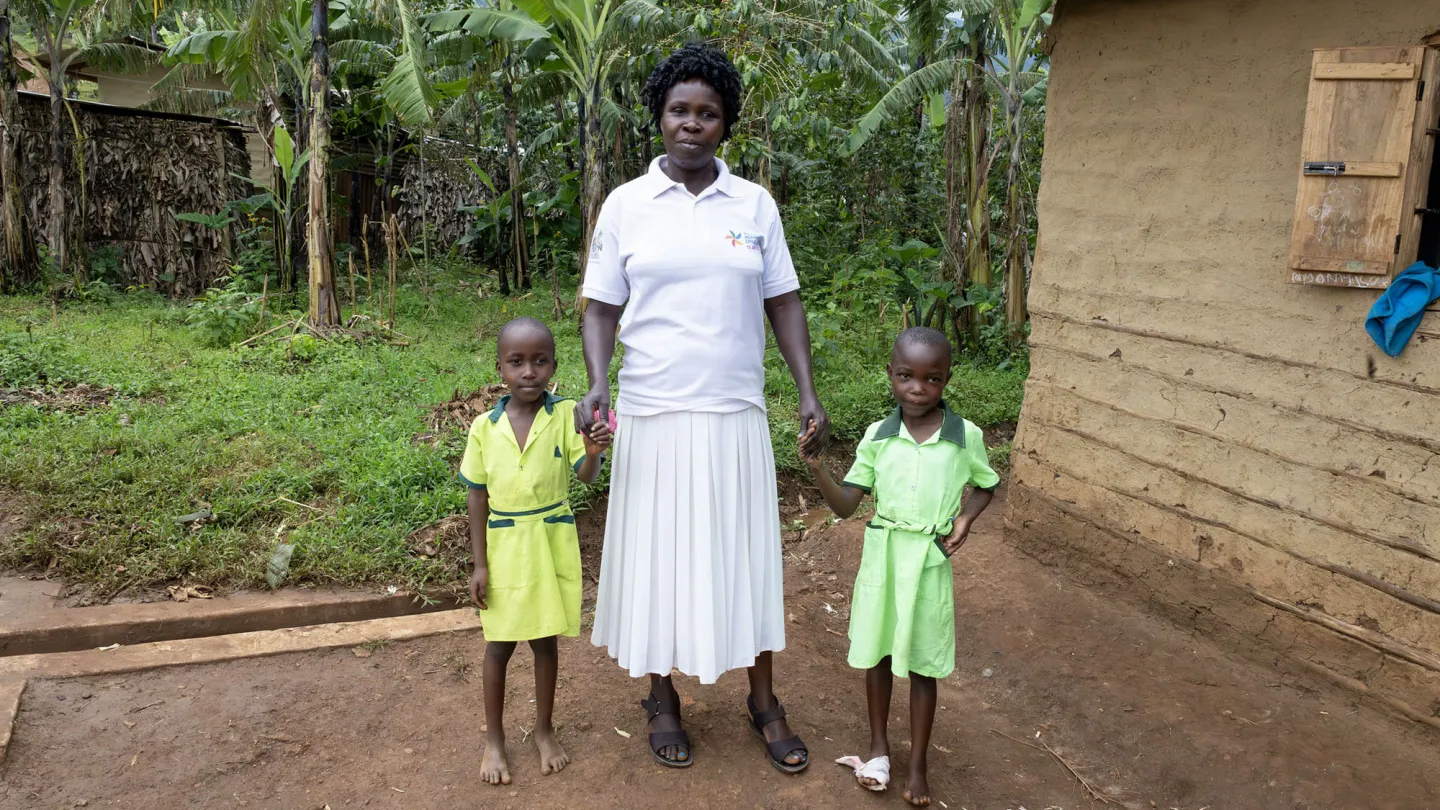
The project, implemented under the Accelerating Action for the Elimination of Child Labour in Supply Chains in Africa (ACCEL Africa) project and funded by the Ministry of Foreign Affairs of the Netherlands, helped women like Namboozo Oliver to reimagine what their lives and those of their children could be.
“I didn’t know we were subjecting our children to child labour,” Oliver said, recalling the days when her 10-year-old carried heavy bananas to market to support the family. “Now I know that we need to let children be children. They need to go to school, to grow well, and to dream.”
Banking on each other
Through ACCEL Africa, the women of Liwuluko village formed a savings and loan group, where members contribute funds regularly and can take out small loans to invest in income-generating activities. The initiative taught them how to manage their small businesses, plan family budgets, and improve farming methods.
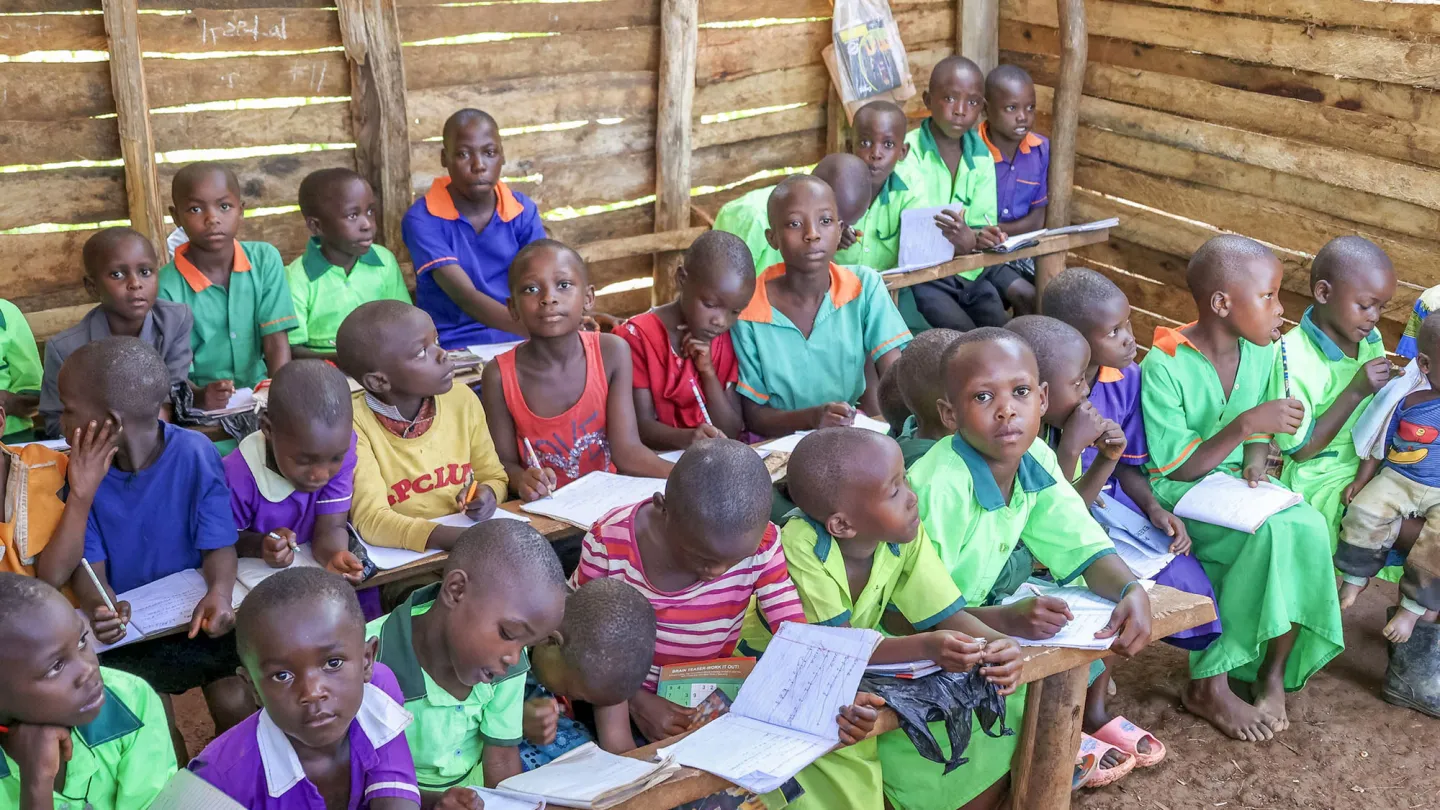
But perhaps the most remarkable outcome was one the women envisioned and built entirely on their own: a community childcare center. With little more than their pooled savings and sheer determination, the women created a space where young children can be taken care of in the morning time, while their parents worked. For mothers working long days on farms or running roadside stalls, this was life changing.
“Before the childcare center, we had to bring our children to the fields, where they often ended up helping with the work,” said Rebecca, one of the volunteers at the childcare center. “But now, they are learning. We see them growing in confidence, speaking better, and even teaching their parents new words.”
The school runs on community effort, with volunteer teachers offering lessons in basic numeracy and literacy. Children also receive a simple lunch or tea to ensure they don’t go hungry, a small intervention with a huge impact on their development and desire to learn.
“I like school because we sing and learn spelling,” said 6-year-old Amina, smiling shyly. “When I grow up, I want to be a nurse.”
Keeping children in school and out of labour
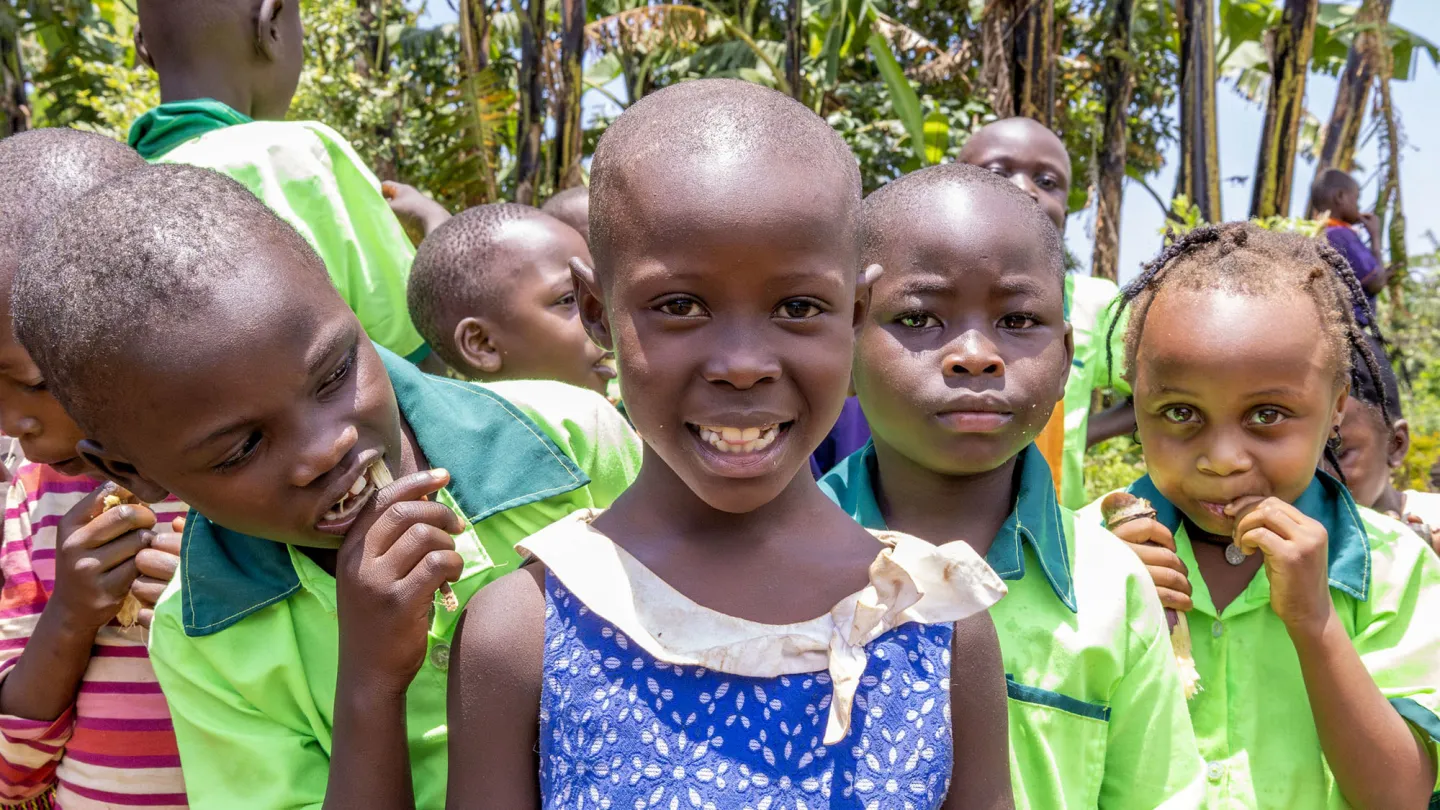
The broader objective of the ACCEL Africa project is to combat child labour in supply chains, especially in agriculture. In Sironko district, where coffee farming dominates, children have often been pulled from school to help in the fields. But with new awareness and support, families are making different choices.
“The community didn’t always realise that certain tasks, like fetching heavy firewood or spraying dangerous pesticides, could be harmful to children,” said Angelica Munoz, the knowledge management officer for the project. “Now they understand the risks and the importance of education.”
As a result, more children are staying in childcare center, and parents are reporting improved relationships with their children. “My children come home and greet me in English: ‘How are you?’” Oliver laughs, “it brings me pride!”
A sustainable model of change
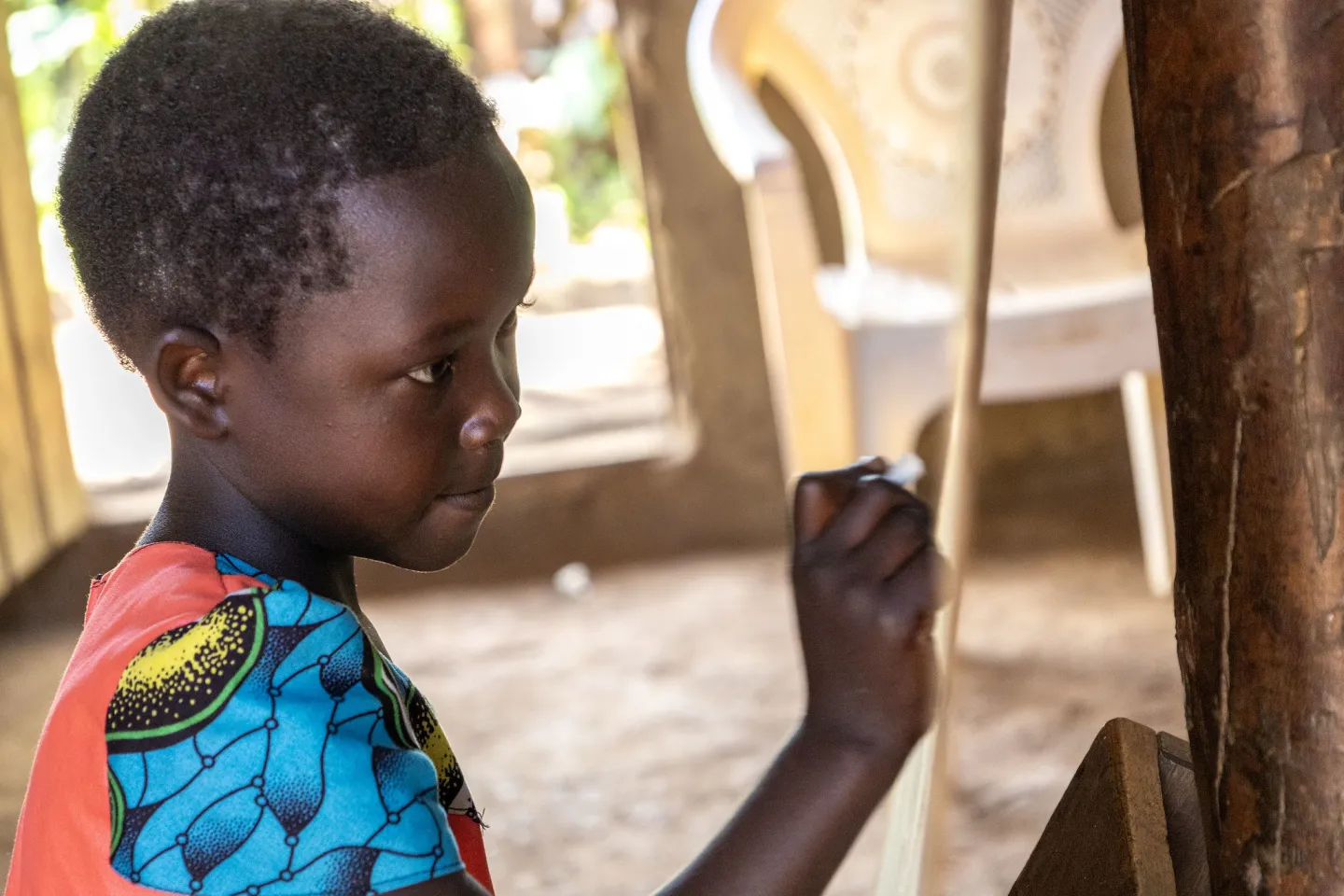
What makes the story of Liwuluko exceptional is its sustainability. This is not an intervention driven from the outside, but one rooted in local leadership and collective responsibility.
The childcare center continues to operate through savings contributions and in-kind support. As more parents witness its benefits, community interest and participation have grown. Building on these achievements, ACCEL Africa will continue to support community-driven initiatives like this one, strengthening women’s economic empowerment and promoting improved livelihoods for families working on the coffee and tea supply chains in Uganda.
Yet, lasting change requires collective commitment. Governments, local leaders, the private sector and development partners all have a role to play in sustaining and scaling up these community models. By investing in women’s leadership, supporting early childhood education and care, and creating decent work for adults, we can help build a generation free from child labour. Together, we can turn the story of Liwuluko into the story of every community across Africa.
For Oliver, the transformation is deeply personal. “Before, life was hard. We didn’t know how to plan, and we didn’t understand the value of schooling,” she said. “Now, we have hope. We have dreams, for ourselves and for our children.”
Related content
Accelerating action for the elimination of child labour in supply chains in Africa (ACCEL Africa)
Relevant projects
Accelerating action for the elimination of child labour in supply chains in Africa (ACCEL Africa)