

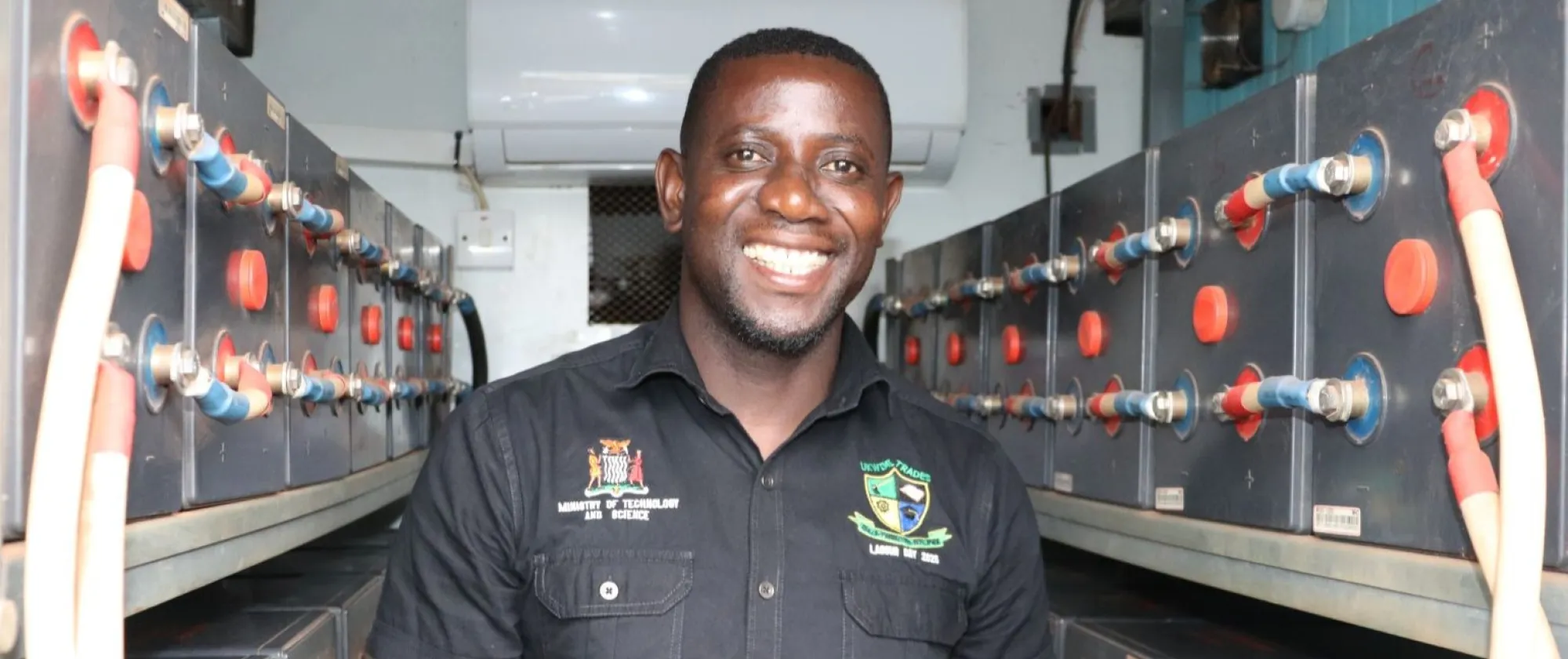
Empowering TVET instructors to drive Zambia’s clean energy transition
Zambia is empowering Technical Vocational and Education Training (TVET) instructors to lead its clean energy transition through a UN-backed training programme. The initiative equips educators with skills to integrate renewable energy into curricula, fostering innovation, jobs, and sustainable livelihoods.
6 December 2025
Chipata, Zambia (ILO News) – Zambia has taken a major step toward a sustainable energy future with the successful completion of a four-day capacity enhancement event for Technical Vocational and Education Training (TVET) instructors.
The event was undertaken under the auspices of the United Nations (UN) Joint Sustainable Development Goals Fund (JSDGF) project titled “Accelerating Deployment and Adoption of Renewable Energy Technologies in Zambia.”
Being implemented throughout 2025, the project executed in selected districts of the Eastern Province of Zambia — Petauke, Mambwe, Lundazi, and Chipata districts— by the International Labour Organization (ILO), United Nations Development Programme (UNDP), and United Nations International Children’s Emergency Fund (UNICEF).

The initiative is contributing towards enhancing energy access and support Zambia’s clean energy transition by promoting inclusive renewable energy enterprises.
These enterprises are currently limited and often economically unsustainable. By building the capacity of TVET instructors, the project seeks to create a skilled workforce capable of driving renewable energy adoption and innovation.
During the intensive capacity enhancement event in Chipata, instructors gained practical knowledge and technical skills to integrate renewable energy technologies into their curricula. This will ensure that future graduates are better prepared to meet the demands of Zambia’s evolving energy sector.
Dalitsani Ngulube of Lundazi Trades Training Institute said the training has equipped learners with entrepreneurship skills in the adoption and acceleration of the deployment of renewable energy sources.
Ngulube added that the learners pledged to support inclusive clean energy enterprises to become economically viable and sustainable.
“This training has broadened my understanding of renewable energy and its potential to transform communities. I am eager to apply these insights in my teaching and inspire students to embrace clean energy solutions,” he said.

Meanwhile, Stella Choongo from the same institute described the capacity enhancement event as an eye-opener, stating that the training included aspects of gender mainstreaming in the adoption of renewable energy solutions.
“The sessions were practical and relevant. I now feel confident to guide students in installing and maintaining solar systems, which will help create green jobs and improve livelihoods in communities. They emphasized the role youths and women play in the deployment of alternatives sources of energy,” Stella said.

Another participant, Micheal Nqumayo of Chipata Trades Training Institute noted that training empowered instructors with skills needed to be champions of the acceleration and adoption of the deployment of alternative energy sources in the province.
Nqumayo has since called for the engagement of partners and stakeholders to scale up renewable energy solutions and create sustainable livelihoods.
“The collaboration between UN agencies and local training institutions gives us hope that Zambia can lead in sustainable energy deployment and job,” he said.

Gideon Muchawa said the instructors have gained valuable tools to integrate renewable energy into their programmes.
“The training will empower our students and strengthen local enterprises,” Muchawa said. “This training will help us produce graduates who can innovate and contribute to the renewable energy sector.”
