

Micro, small and medium enterprises set to power Zambia’s clean energy future
Over 40 Micro, Small, and Medium Enterprises (MSMEs) across Zambia’s Eastern Province are set to benefit from a hands-on training in renewable energy technologies this October.
27 September 2025
Implemented by the International Labour Organization (ILO) in collaboration with United Nations Development Programme (UNDP) and United Nations International Children’s Emergency Fund (UNICEF), the initiative is part of the United Nations Joint Sustainable Development Goals (JSDG) Fund Project which is contributing towards accelerating adoption and deployment of clean energy and promoting green jobs across the four target districts of Eastern Province.
The MSMEs were selected following a rigorous screening exercise conducted from 22 to 26 September 2025, which involved physical inspections and evaluations of enterprises operating in the renewable energy sector across Petauke, Chipata, Mambwe, and Lundazi districts.
The training is part of the UNJSDG Fund Project titled: “Accelerating the Adoption and Deployment of Renewable Energy Technologies in Zambia.”
Running from January to December 2025, the initiative aims to empower local businesses, promote sustainable energy solutions, and contribute to Zambia’s national development goals.
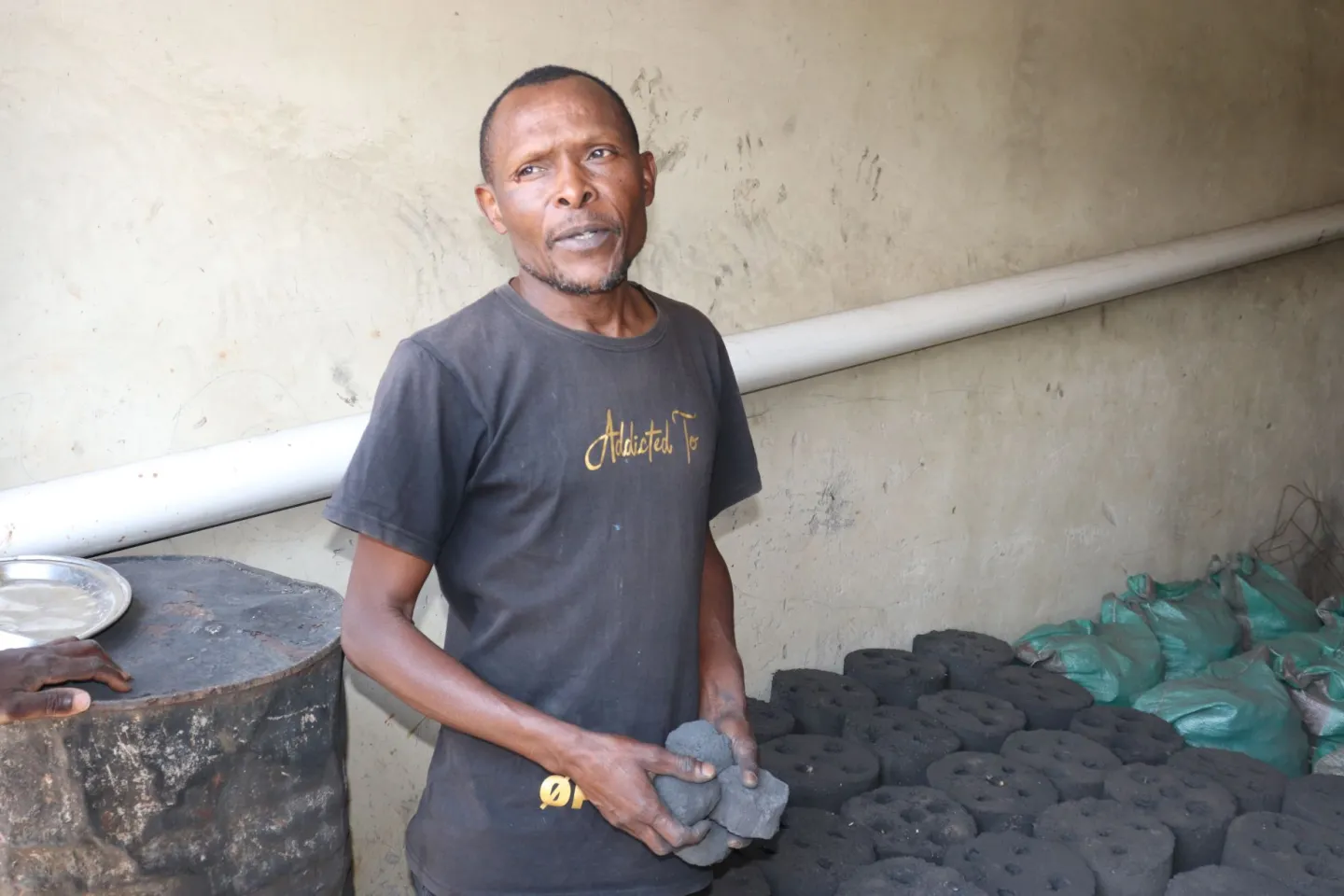
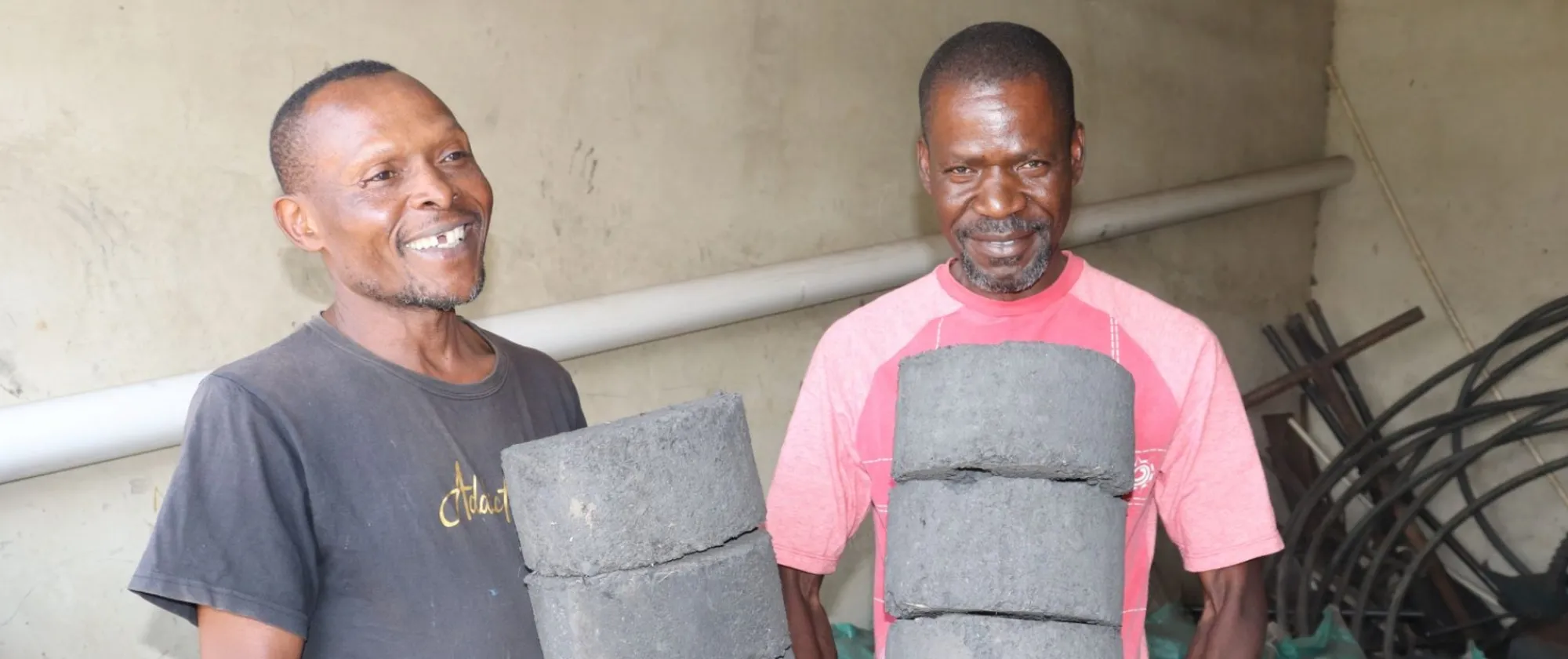
Christopher Mbewe, founder of Munyeko Charcoal Briquette in Chipata, is among the selected entrepreneurs preparing for the October training.
His enterprise specializes in producing eco-friendly charcoal briquettes made from agricultural waste such as; maize stalks, sugar cane wastes, groundnut shells, and sawdust, offering a cleaner and more sustainable alternative to traditional charcoal.
“The upcoming training is a game-changer for us,” said Christopher Mbewe. “We have always wanted to improve our production efficiency and expand our briquette business to all districts in Eastern Province, but we lacked the technical know-how. Now, we’re ready to grow, create jobs, and help others thrive.”
Now, we’re ready to grow, create jobs, and help others thrive.
Christopher Mbewe, founder of Munyeko Charcoal Briquette in Chipata
Munyeko Charcoal Briquette not only reduces deforestation by offering a renewable energy source, but also empowers local farmers by purchasing agricultural residues that would otherwise go to waste.
With improved skills and access to better technology, Christopher Mbewe hopes to scale up production, enhance product quality, and reach new markets across Zambia.
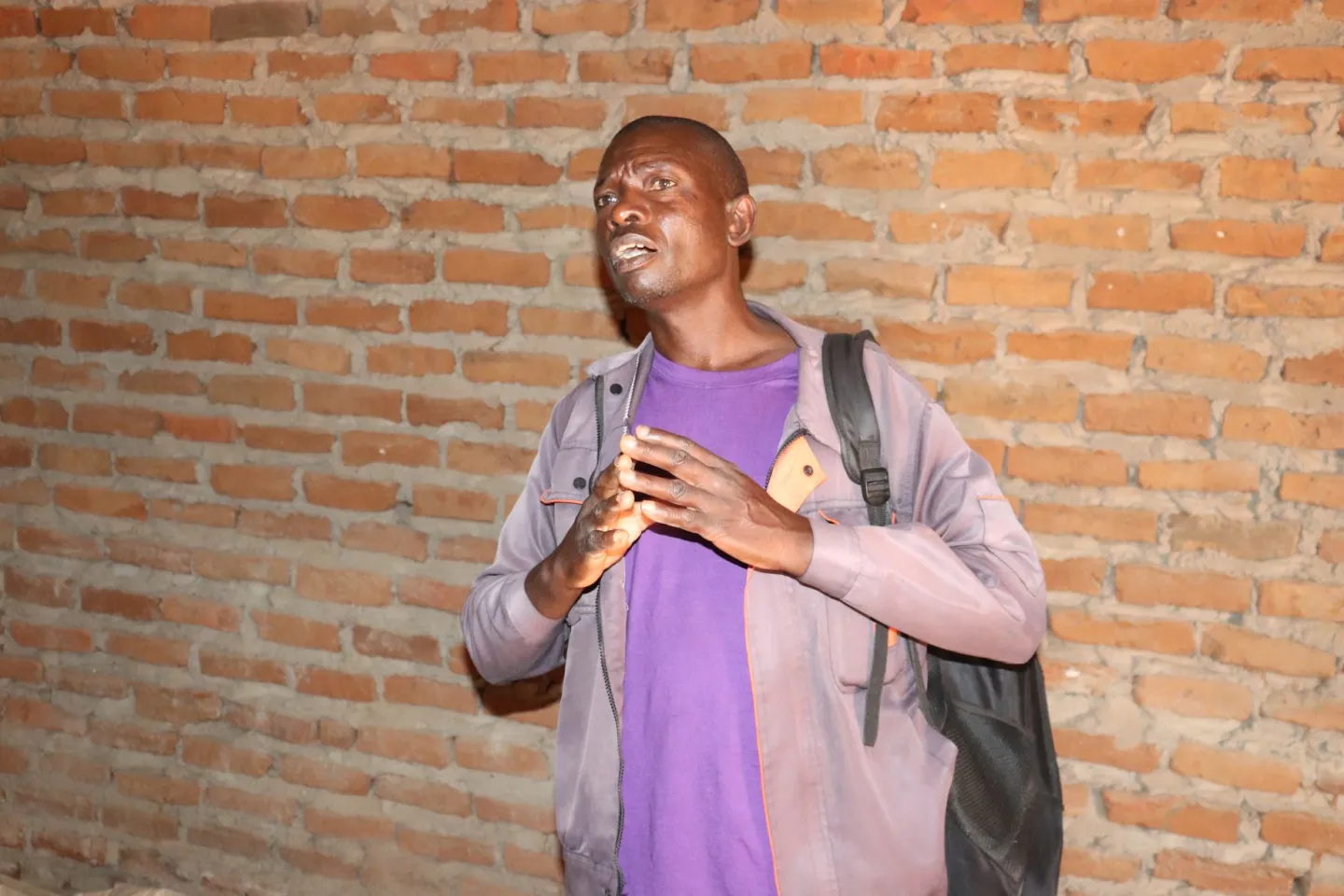
Support for the initiative has also come from community leaders and cooperatives within the Ngoni chiefdom. Julius Zulu, Business Development Manager of Mpezeni Multipurpose Co-operative in Chitaza Village, welcomed the training programme, emphasizing its potential to uplift rural communities and promote environmental sustainability.
“Empowering our local businesses with renewable energy skills is a step toward sustainable development,” said Julius Zulu. “I encourage our youth and entrepreneurs to embrace this opportunity and lead the way in preserving our land and creating jobs.”
The cooperative, which operates under the guidance of Paramount Chief Mpezeni, has already begun piloting renewable energy projects in the region.
These include the installation of solar-powered maize mills, solar water pumps for smallholder farmers, and clean cookstove distribution to reduce reliance on traditional charcoal. The cooperative also supports youth-led innovations in bioenergy and solar lighting for off-grid households.
With the upcoming training, Julius Zulu hopes to strengthen the cooperative’s technical capacity and expand its reach across Eastern Province.
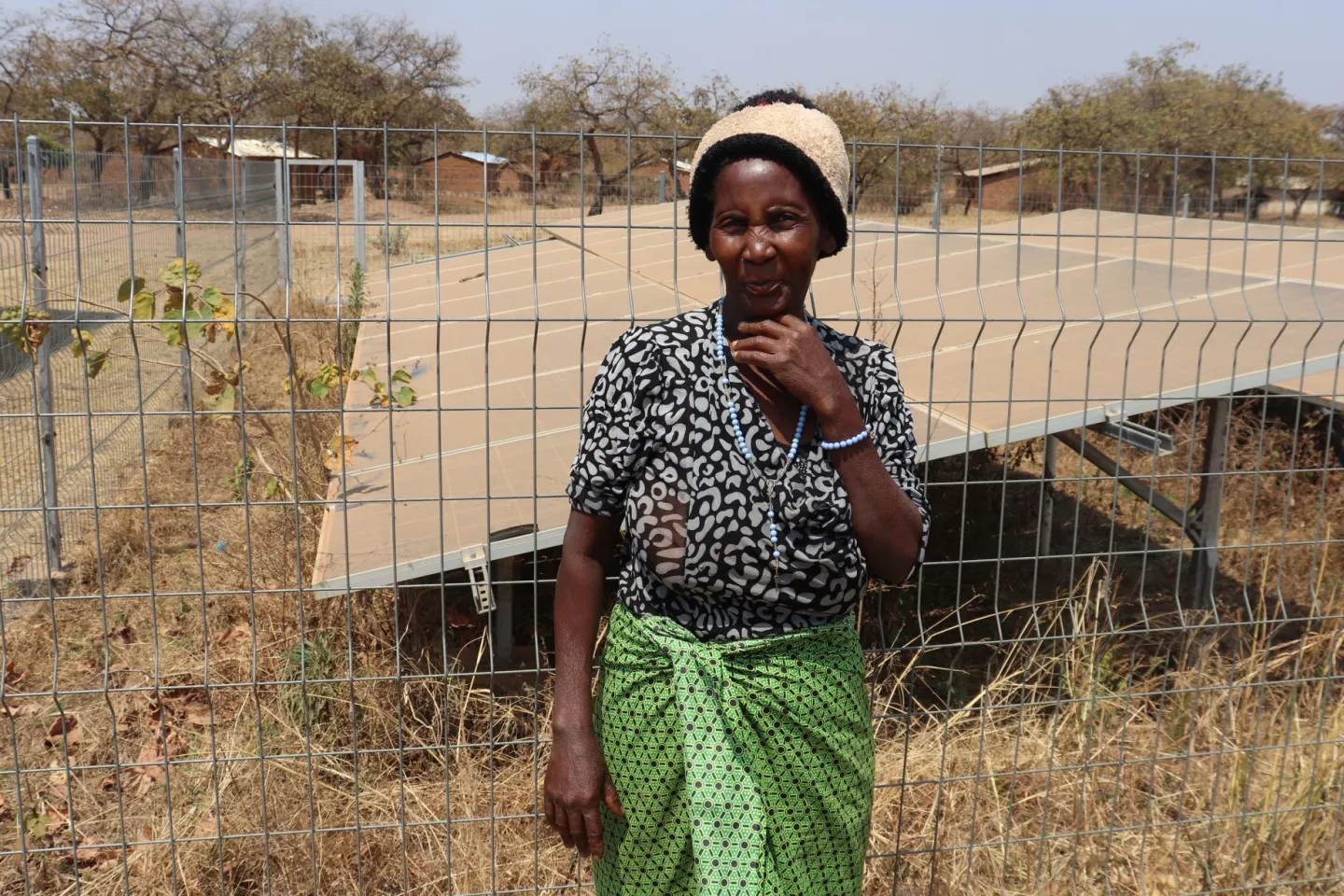
Matildah Muziya, chairperson of the Kambila Savings and Credit Co-operative Society, a women-led co-operative running a solar-powered hammer mill plant and solar irrigation system in Chimwata Village in the same area, has welcomed the initiative.
“The training will make us more productive because only one person has been trained on how to manage the solar-powered hammer mill. It will be good to have all of us trained,” said Matildah Muziya.
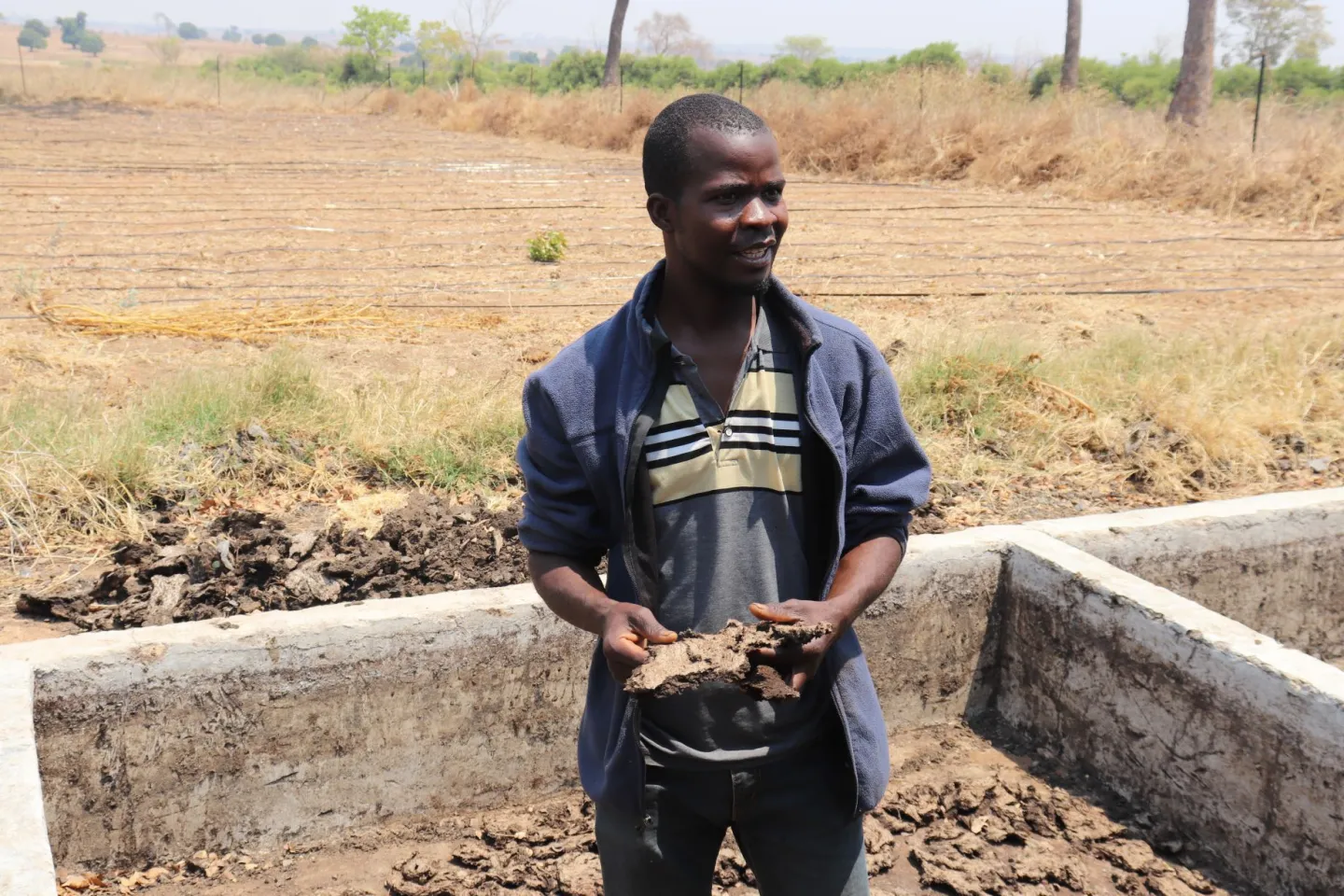
In Petauke District, the Nkhundye Community Biogas Project in Nkhundye Village is another promising initiative set to benefit from the upcoming capacity building enhancement.
Located in Senior Chief Kalindawalo’s area, the intervention focuses on converting organic waste—such as livestock manure— into clean biogas for cooking and heating, offering a sustainable alternative to firewood and charcoal.
George Sakala, Project Officer for the initiative, emphasized the importance of the training for improving technical capacity and long-term sustainability.
“The training will help us enhance our knowledge and improve the management of renewable energy systems,” said George Sakala. “We want to expand biogas use in surrounding communities and reduce dependence on firewood and charcoal.”
The project currently supplies biogas to about 50 households across five villages, helping reduce indoor air pollution and deforestation. With support from the upcoming training, the team aims to scale up operations to 150 households, including schools and health centres.
In addition to biogas, the project is also providing portable water reticulation services using solar-powered kiosks, reaching over 1,200 people in the surrounding communities.
With improved skills and technical support, the Nkhundye team hopes to become a model for community-led renewable energy solutions in rural Zambia.
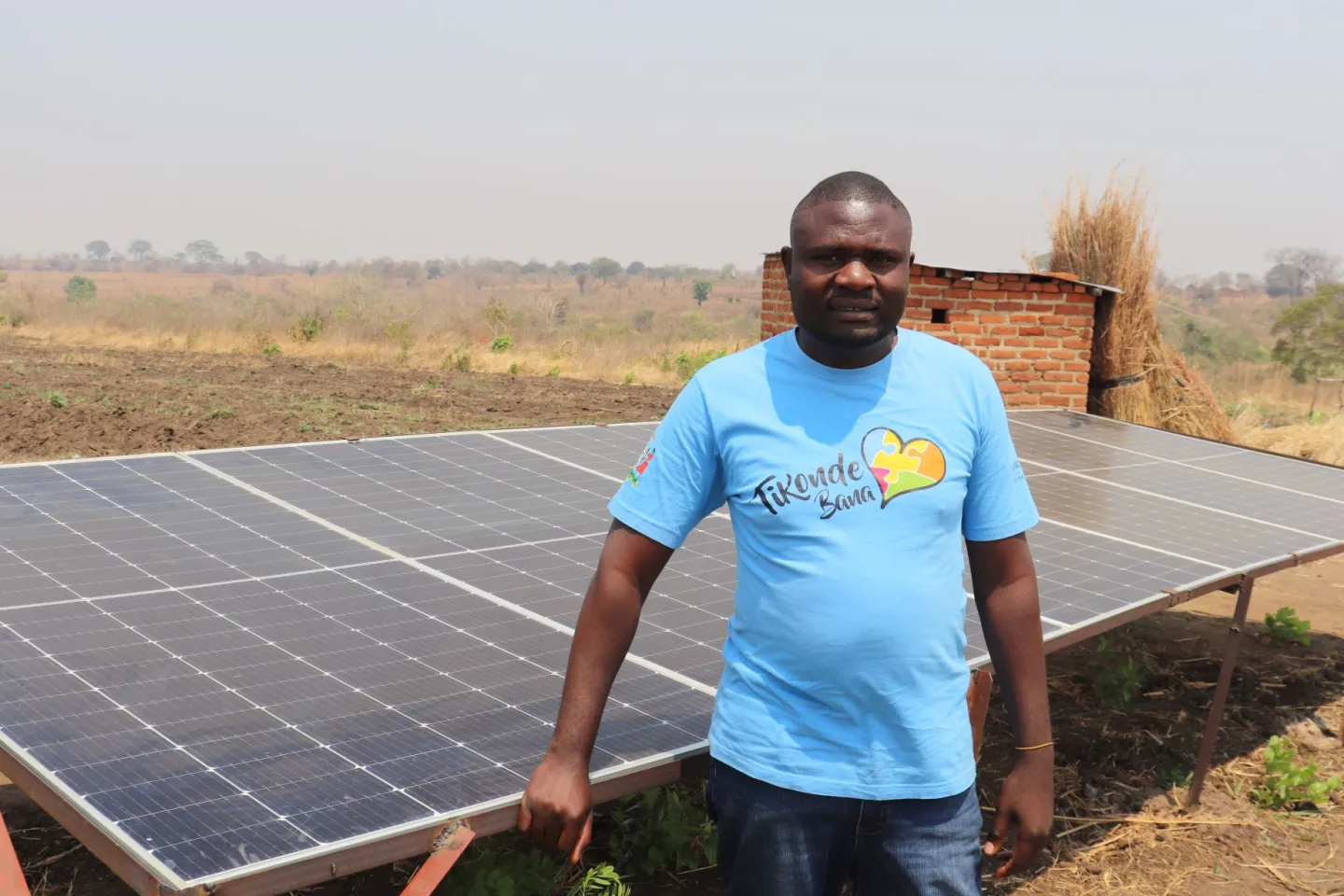
In Petauke’s Kalando Village, located in Mumbi Chiefdom, entrepreneur Shadreck Banda is using solar-powered irrigation to transform small-scale farming into a thriving business.
Shadreck Banda, 37, who grows maize, sunflowers, onions, tomatoes, and vegetables, supplies both the local market and urban centres, including Lusaka’s Soweto Market.
He welcomed the upcoming training, noting its potential to boost productivity and expand his enterprise.
“This training will be very beneficial,” said Shadreck Banda. “It will help me improve my solar irrigation systems and become more efficient in managing my farm. With better knowledge, I can grow more, earn more, and even support other farmers in my area.”
Shadreck Banda’s work demonstrates how renewable energy can directly support food security, income generation, and climate resilience in rural communities.
With enhanced technical skills, he hopes to scale up operations and introduce solar-powered solutions to neighbouring farms.
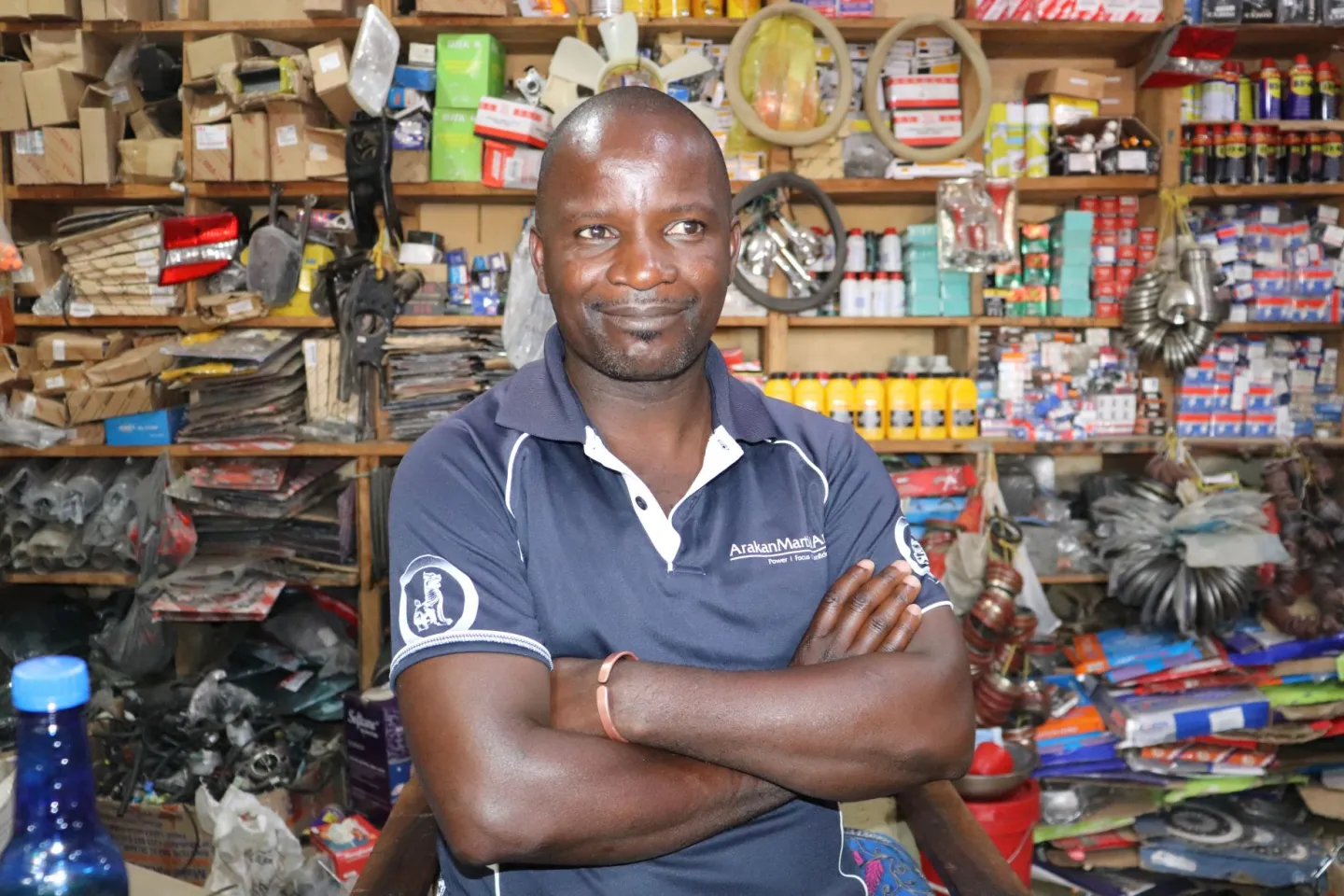
In Lundazi District, Mabvuto Nyirenda, owner of Magre Trading, is looking forward to the training as a critical step toward improving customer service and technical support in the renewable energy market.
His business supplies solar products to rural households, many of whom rely on solar lighting and charging systems, due to limited access to the national grid.
“There is a real need for this training,” said Mabvuto Nyirenda. “Many of our customers buy solar products but do not know how to install or use them properly. With the right technical knowledge, I will be able to guide them better and ensure they get the most out of their investment.”
Mabvuto Nyirenda hopes the training will not only enhance his own skills but also allow him to train others in his community, creating a ripple effect of knowledge and improved energy access in remote areas of Lundazi.