


Empower small businesses with knowledge- ignite Zambia’s clean energy future
Micro, Small and Medium Enterprises (MSMEs) are central to the promotion of decent work, economic growth and social justice. Despite their significance, MSMEs face the triple challenge of low productivity, poor working conditions and high vulnerability to economic, political and environmental shocks. Women, young workers and entrepreneurs operating in the informal economy are particularly vulnerable and face additional constraints.
24 June 2025
CHIPATA, Zambia (ILO News) - In Zambia’s Eastern Province, a clean energy project is bringing hope to communities—but it’s also revealing a major challenge: many Micro, Small, and Medium Enterprises (MSMEs) have inadequate skills and knowledge needed to fully benefit from renewable energy.
The United Nations (UN) Joint Sustainable Development Goals (JSDG) Fund is supporting a one-year joint initiative implemented by International Labour Organization (ILO), United Nations Development Programme (UNDP), and United Nations International Children’s Emergency Fund (UNICEF) called “Accelerating Deployment and Adoption of Renewable Energy Technologies in Zambia” Is contributing towards facilitating communities switch to renewable energy and improve livelihoods.
Solar mini-grids are now powering businesses like hammer mills, welding shops, salons, and block-making machines. Entrepreneurs are seeing real benefits—more reliable power, better services, and new job opportunities. However, despite these gains, many Micro Small and Medium Enterprises (MSMEs) are struggling to make their enterprises competitive as well as enhance their capacities to create decent and productive work.
Most small business owners have little or no training in renewable energy. They often don’t understand how to maintain solar equipment, manage energy costs, or use clean energy efficiently. This inadequacy of business skills especially is limiting their ability to grow and enhance their competitiveness.
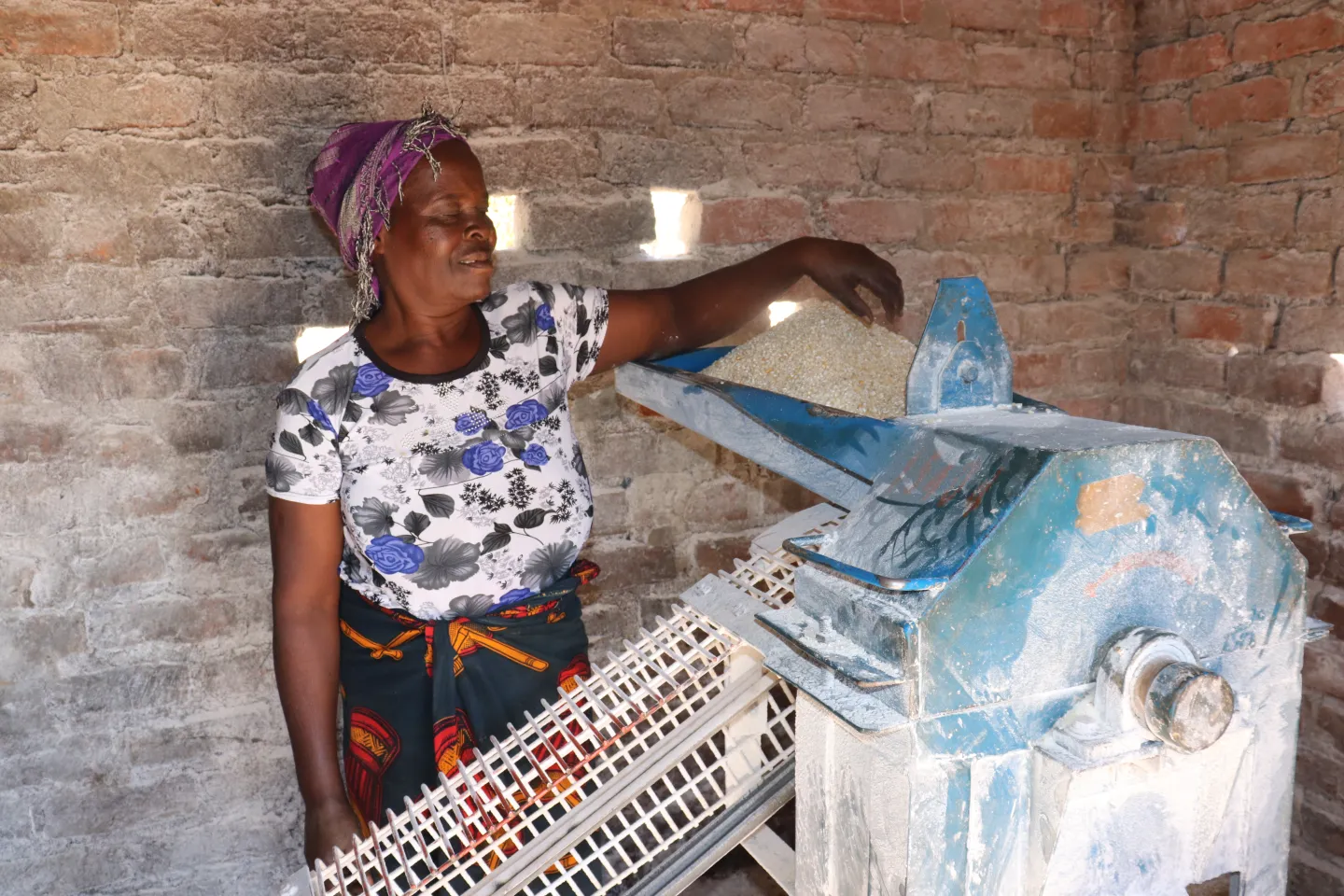
For example, Gertrude Phiri, who runs a solar-powered hammer mill in Chitandika Village of Chipangali District, says the energy is reliable but expensive.
“The tariffs are high. We need subsidies and training to make solar more affordable and manageable,” she says.
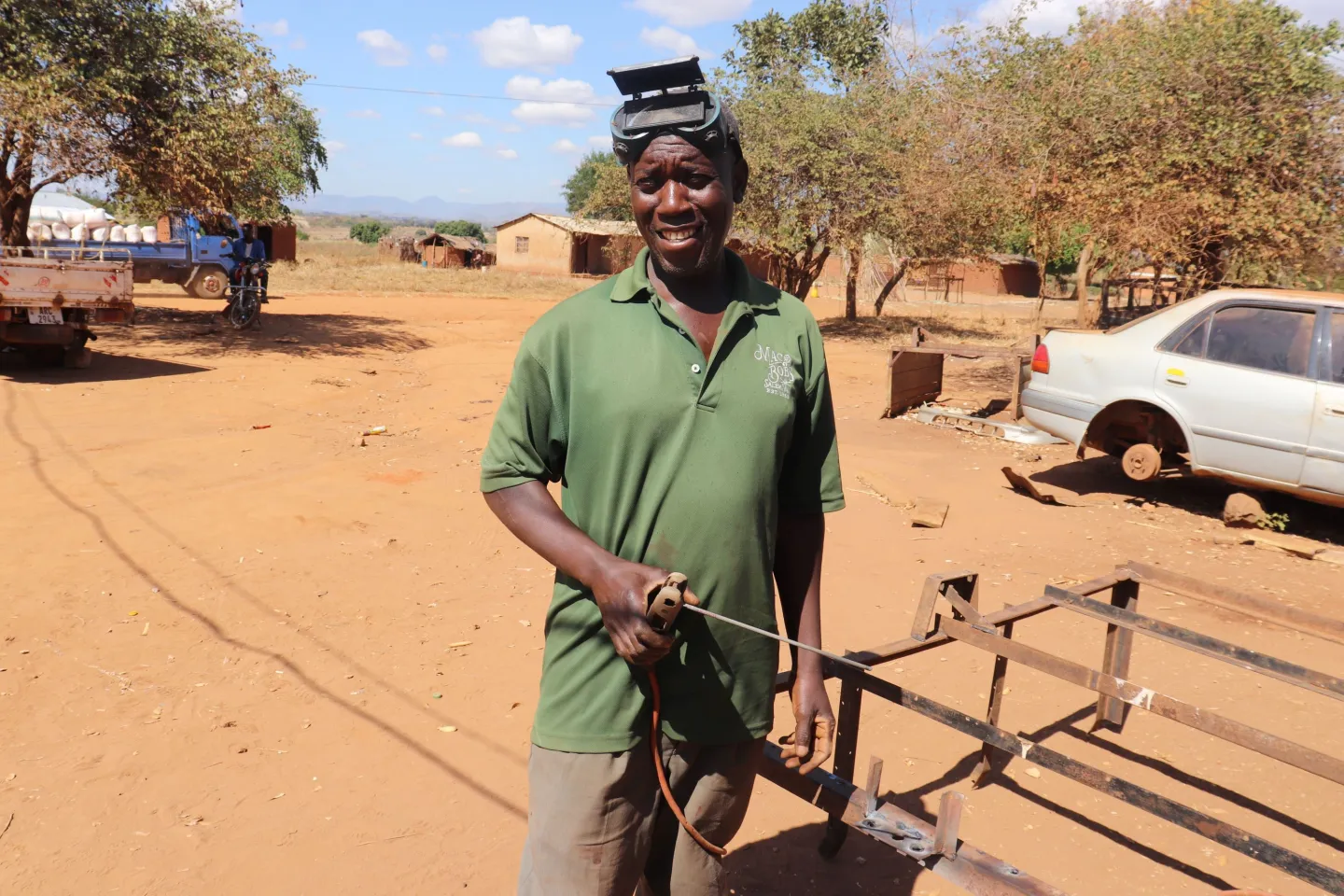
Simon Makowane, a welder in Champion Village of Chipangali District, adds: “We had the skills for metalwork, but not for energy. The solar grid helped, but we still need more knowledge to expand.”
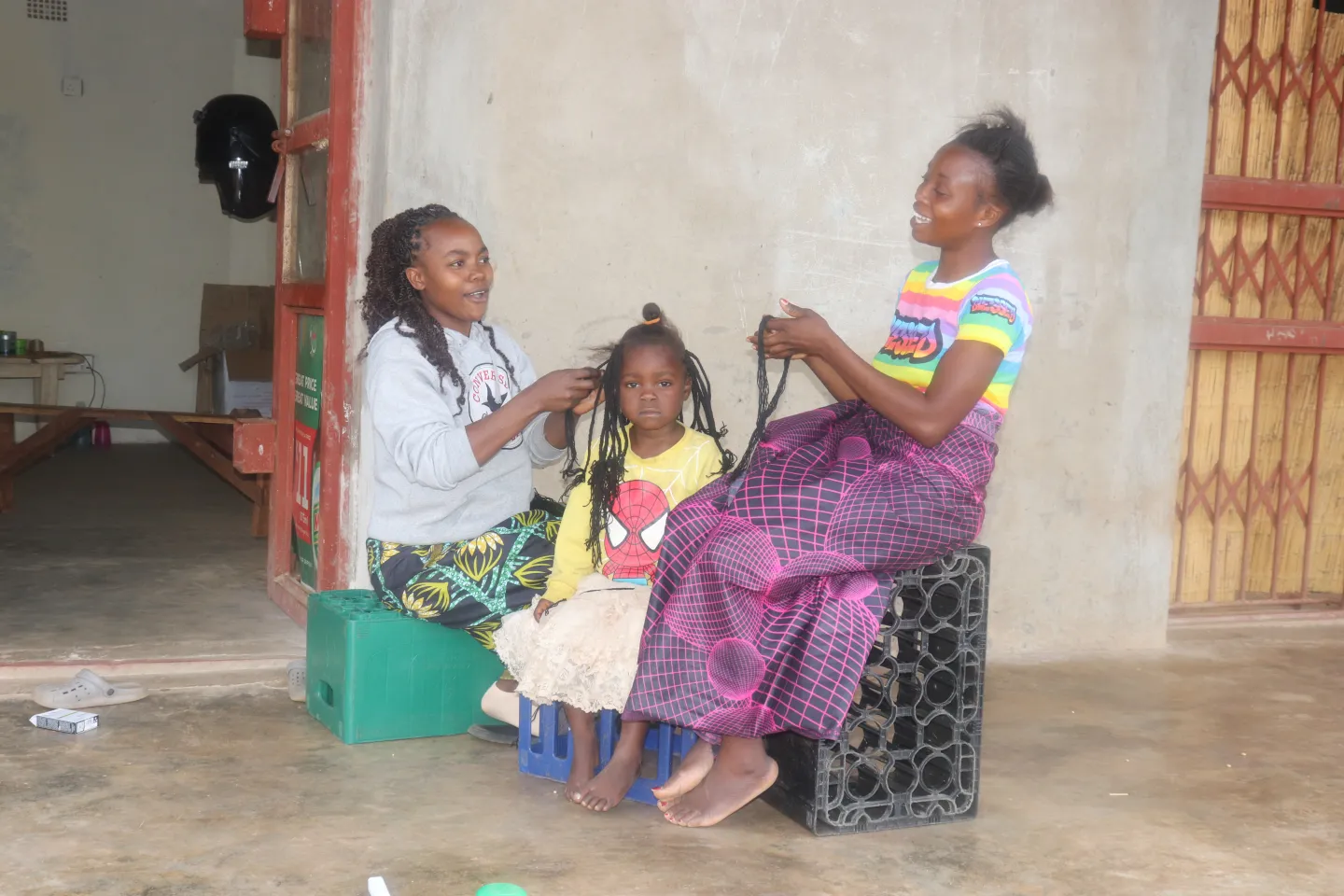
At just 23, Joyce Nyirenda is already a business owner. Her solar-powered salon and barbershop in Chitandika Village of Chipangali District is not only thriving—it is creating jobs.
“We can’t wait for jobs to come to us. We must create them. We need skills to be more productive,” she recounts.
Joyce encourages other young people to embrace clean energy and build their futures: “We need to learn more. Renewable energy gives us a chance—but only if we understand how to use it.”
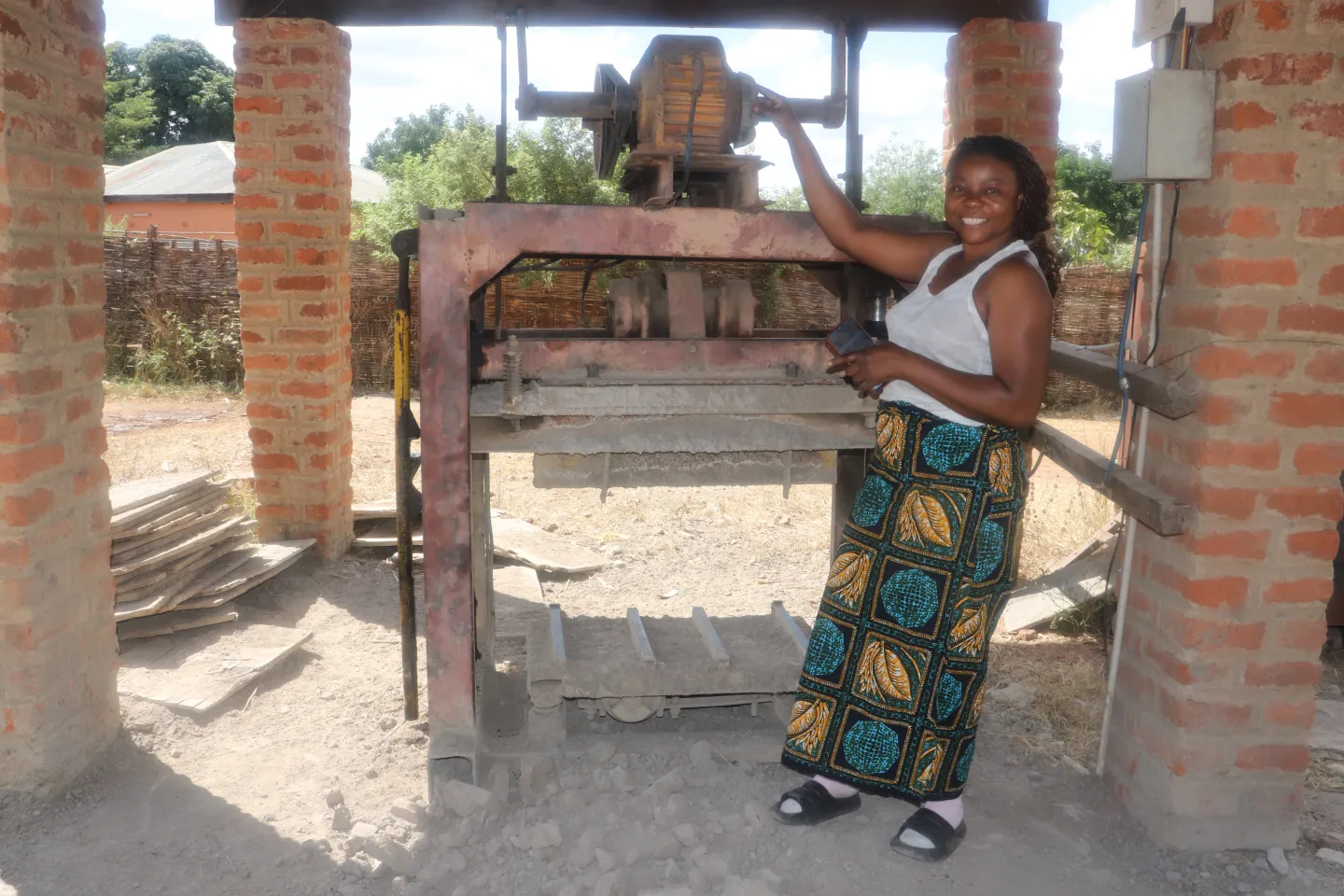
38-year-old Sarafina Nyirenda, a resilient entrepreneur from Chitandika Village of Chipangali District, is using a solar-powered block-making machine to build more than just walls—she’s building a future.
“With solar power, I can work anytime. I feel free. Sometimes, I would engage in entire days of work. We are lacking training and skills to be more productive,” Sarafina recounts. “This changed my life. But others in my village don’t know how to use these tools. We need more support—especially for women.”
But Sarafina’s story is also a call to action. “We need more support—more training, more access to affordable solar equipment. If more women had what I have, our whole community would rise.”
Her words echo the broader goals of the project: to empower local entrepreneurs, especially women and youth, to lead the way in Zambia’s just energy transition.
The Chitandika solar plant now powers over 200 households and several businesses. Yet, many entrepreneurs still rely on trial and error to operate their equipment. Without proper training, they risk damaging systems or losing money.
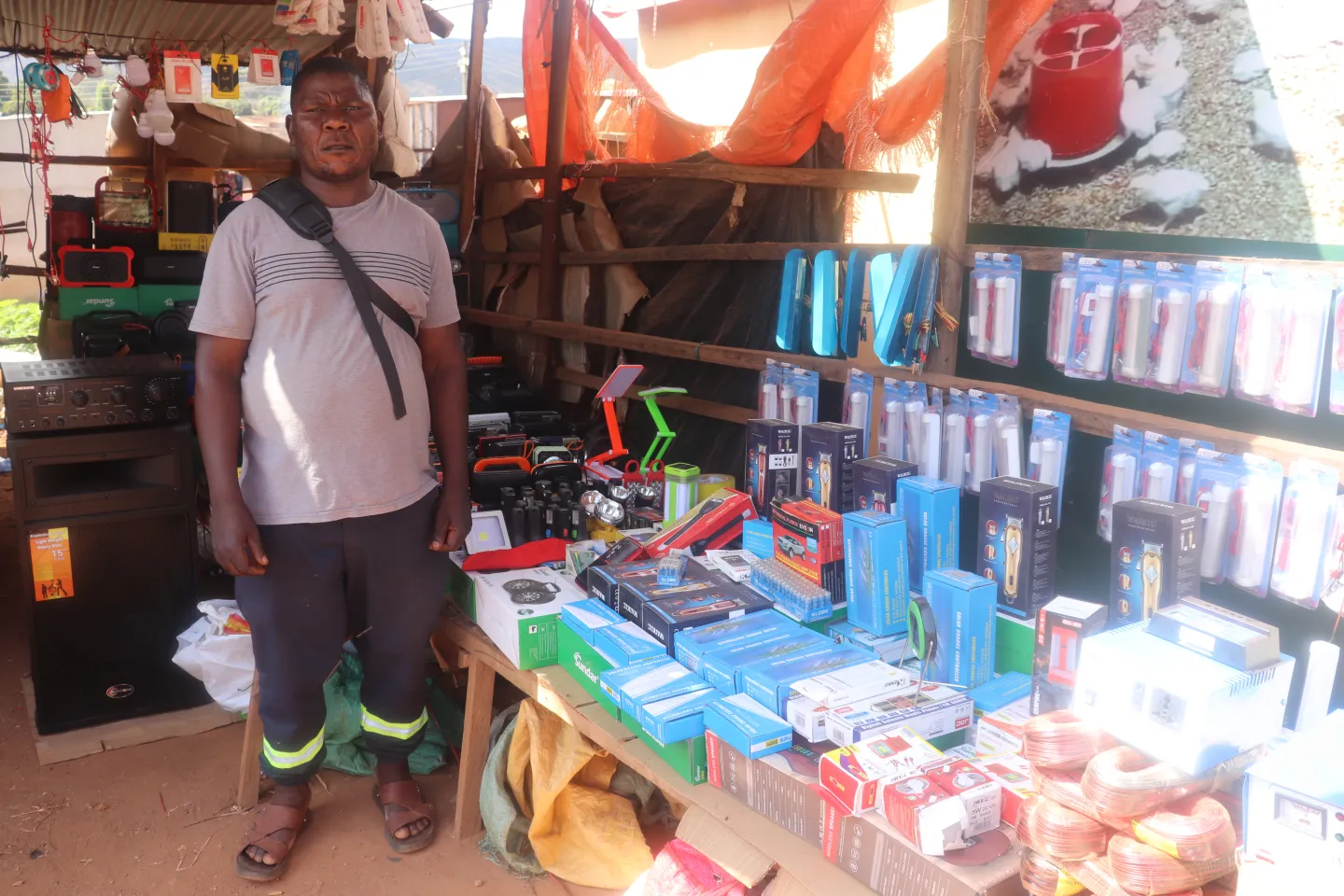
Entrepreneurs like Peter Zulu, a trader in Chipata’s Downtown Shopping area, say the project has been a turning point: “People don’t know how to use or dispose of these products. Now, we need to educate them. That builds trust—and business.”
He adds: “When customers understand the benefits and know how to use the products, they invest. That means more sales for us and a cleaner environment for everyone.”
The Energy Regulation Board (ERB) reveals that while over 70 percent of Zambians still rely on firewood and charcoal for cooking, over 1.2 million people depend on off-grid solar systems. The ERB further indicates that the government aims to raise renewable energy’s share in the national mix from 45 precent to 66 percent by 2030.
Meanwhile, Ministry of Small and Medium Enterprises Development Provincial Senior Cooperative and Enterprises Development Officer, Mr. Chifundo Mbuzi says the project is vital for productivity enhancement, but MSMEs need more help: “We must build business skills and awareness. Otherwise, the energy transition will leave many behind.”
Dr. Lewis Mwape, Eastern Province Deputy Permanent Secretary, highlights the importance of education: “This is not just about energy—it’s about informed choices. Communities must understand how to use and benefit from clean energy.”