

In Cameroon, road rehabilitation is opening pathways to work and services
Through the ILO Employment-Intensive Investment Programme, young women and men are gaining paid work and practical skills while helping improve a key community road in Cameroon's North-West Region.
8 June 2026
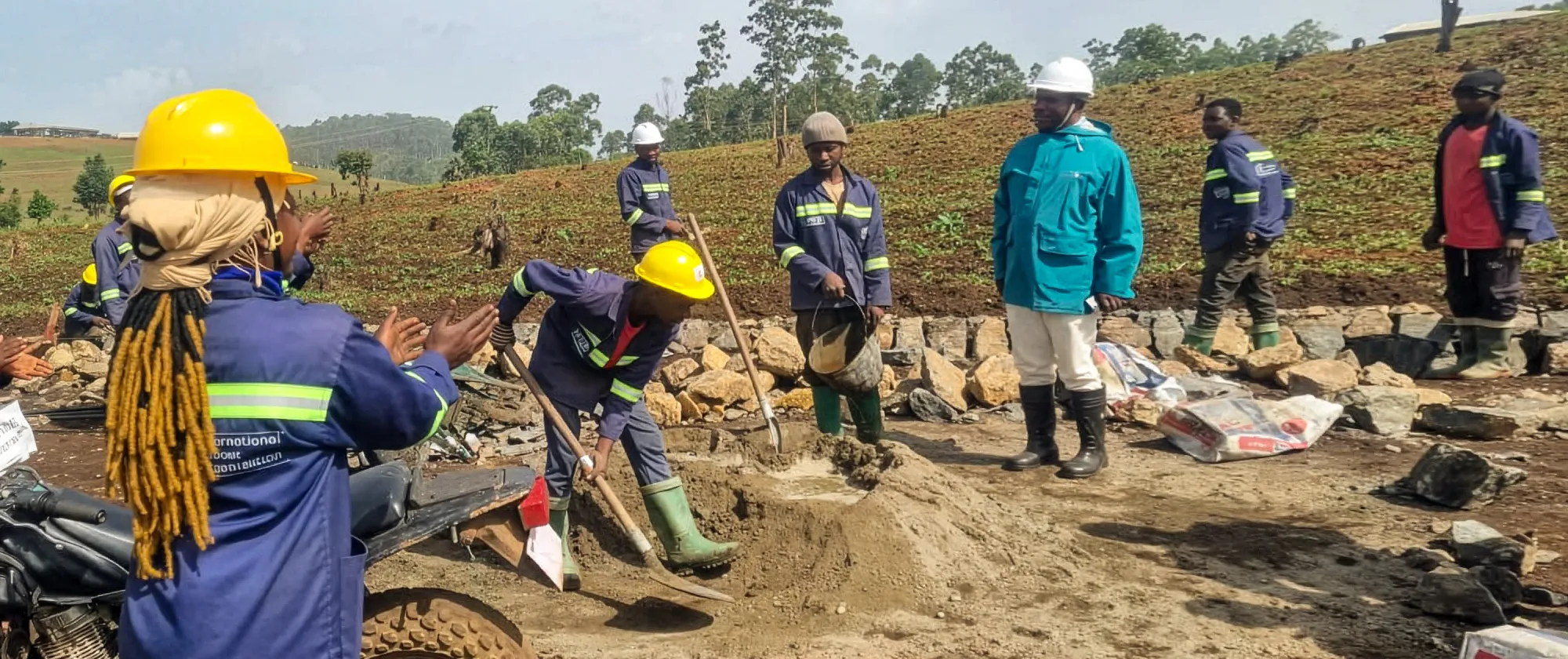
NKAMBE, Cameroon (ILO News) - In Nkambe, a one-kilometre road is becoming more than a transport link. For farmers taking produce to market, traders moving goods, students going to school and families seeking health care, the rehabilitated road is expected to mean safer and more reliable journeys. For 54 young people from the area, including 17 women, the work has also brought paid employment, hands-on training and a chance to build skills they can use beyond the project.
Now I can look at the road and say, I helped build that.
Ngeibi Reina, trainee from Nkambe
The road rehabilitation is being carried out through the ILO Employment-Intensive Investment Programme (EIIP), which supports infrastructure investments that create decent work by using local labour and locally available resources. In a region affected by insecurity and logistical challenges, the project shows how practical investments in community infrastructure can support livelihoods, resilience and local economic activity.
"Before this, I did not know I could do this kind of work. I would work on my farm and sell the proceeds to support my family. Now I can look at the road and say, I helped build that. The money has helped me at home, but the biggest thing is that I have learned skills, and I feel more confident about finding work after this," said one of the trainees, 26-year old Ngeibi Reina from Nkambe.
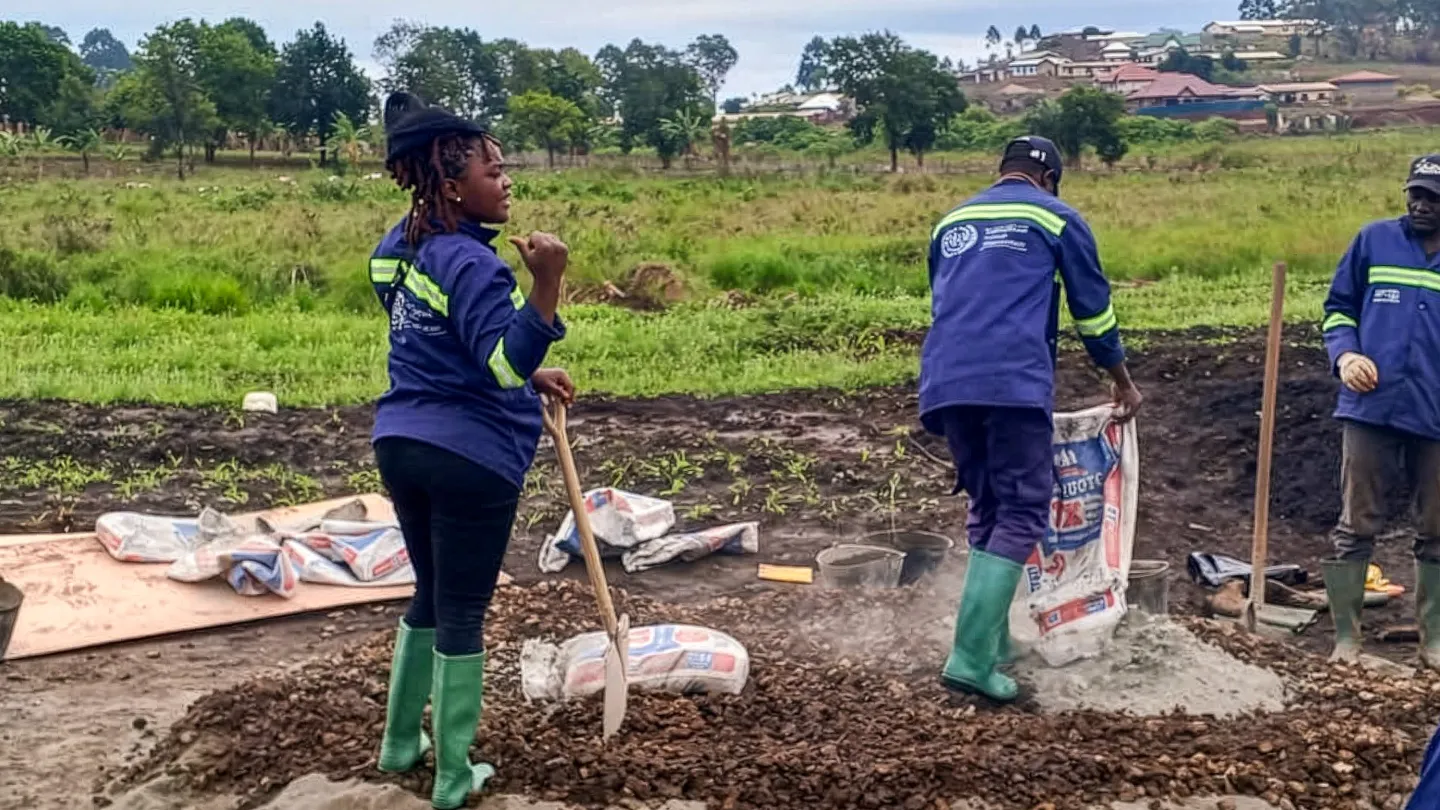
The trainees have learned labour-based road maintenance techniques, including drainage clearing and surface reshaping. They have also worked under occupational safety measures and received stipends aligned with EIIP standards. For many, the project has turned a local infrastructure need into an entry point to practical experience and future employment opportunities.
As work progresses, residents are already seeing improvements on the stretch under rehabilitation. The safer and more reliable 1 km stretch is already reducing travel time, improving access to markets, and making it easier for people to reach schools and health services. For rural communities, these improvements can make a real difference to daily life, especially for women, young people and workers whose incomes depend on mobility.
According to Amos Budzie a 17 years student at the technical school up the hill where the road heads onto; “If you look at the other side of the hill you will see the footpath that we used to take to school. This new road is so much of a blessing to us. Now we can board a bike to school and those with bicycles too can pass easily. There was a marshy section that was not easy to use even on foot during the rainy season, but this has been solved. This will help us reach school early and those whose farms are around this road can easily transport their produce.
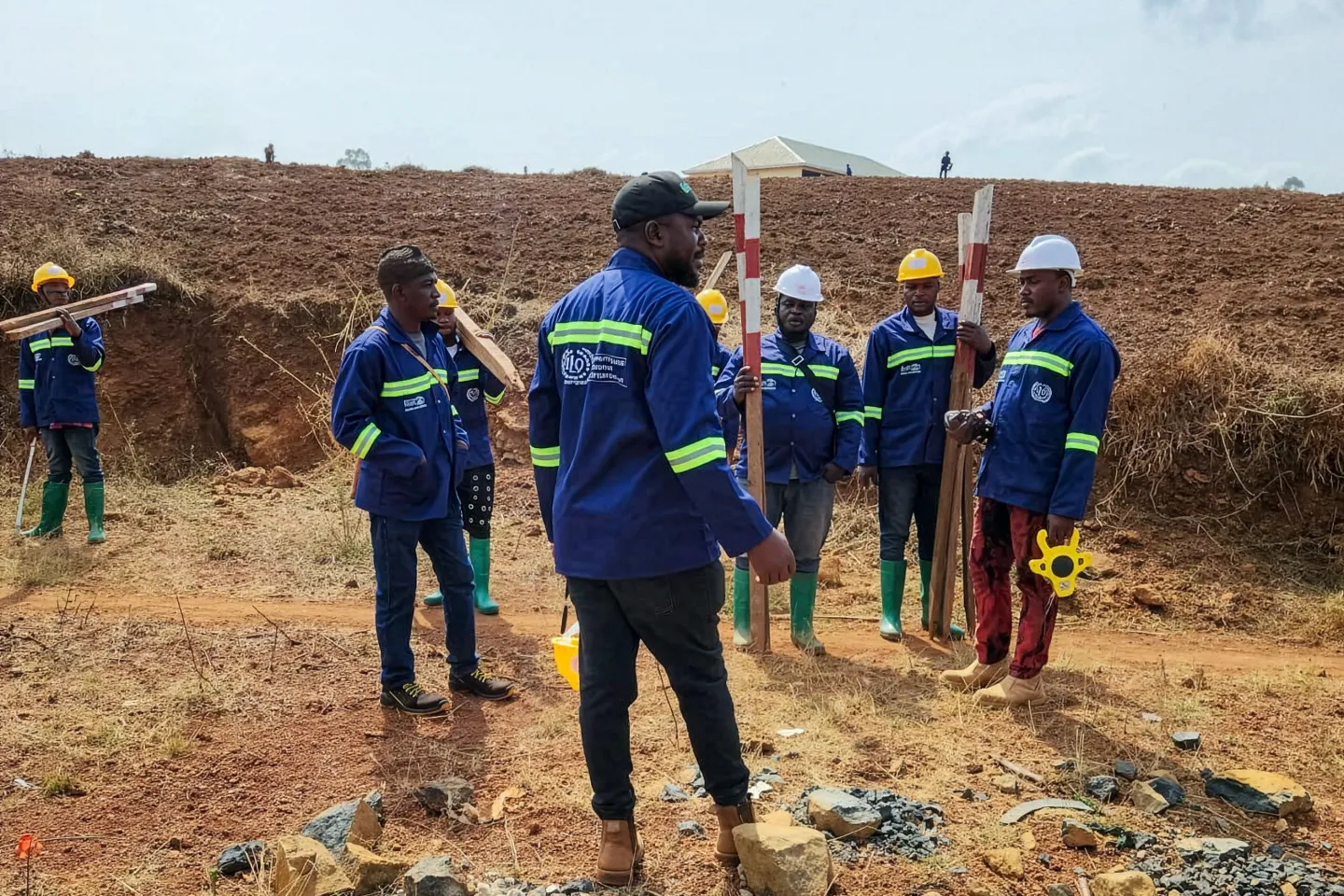
Behind these results is close collaboration between the Ministry of Public Works (MINTP), Nkambe Council and the community. MINTP engineers provide technical guidance to ensure the work meets national standards for labour-based road maintenance. Council representatives support daily supervision, follow worker attendance, listen to community feedback and help address issues quickly.
According to Nde Mba Fiacre, an engineer with the Ministry of Public Works and head of the Monitoring and Evaluation team, "The road matters, but the skills matter too. Our job is to make sure the work is done properly and safely, while giving young people real experience on a site. That means the investment does not end with this one road; some of the knowledge stays in the community."
This local oversight has helped keep the focus on quality, safety and accountability without losing sight of the people the project is meant to serve. It has also strengthened local ownership, with national and council institutions working together to deliver infrastructure that responds to community needs.
The Nkambe experience illustrates how employment-intensive public works can do more than repair infrastructure. When designed around decent work, inclusion and local participation, they can create jobs, transfer skills, improve access to essential services and strengthen confidence in communities facing difficult circumstances.
Related content
Supporting young people’s employability and job creation through the EII approach in Cameroon’s transport sector
Relevant projects
Supporting young people’s employability and job creation through the EII approach in Cameroon’s transport sector