


Occupational safety and health
Building a safety culture in Lebanon’s greenhouse sector
New OSH guidelines and on-site awareness sessions are helping greenhouse manufacturers and installers adopt safer practices across Lebanon.
9 January 2026
BEIRUT (ILO News) - The rapid expansion of greenhouse farming in Lebanon has created new opportunities for local manufacturers and installation teams. However, most structures are assembled by informal or subcontracted workers who operate without clear safety guidance. As a result, manufacturers and installers report frequent incidents arising from unsafe handling practices, poor coordination and the lack of occupational safety and health (OSH) measures tailored to greenhouse construction.
Field consultations conducted by the ILO across greenhouse installation activities highlighted frequent injuries caused by falling structures, unsafe lifting, tool misuse and limited access to affordable personal protective equipment (PPE). Many installation workers reported having no formal training, while supervisors found it difficult to enforce safety practices in environments where tasks are paid on a piece-rate basis or completed under significant time pressure.
“We never had anyone show us how to avoid getting hurt,” said greenhouse installer Mohamad Jaber.
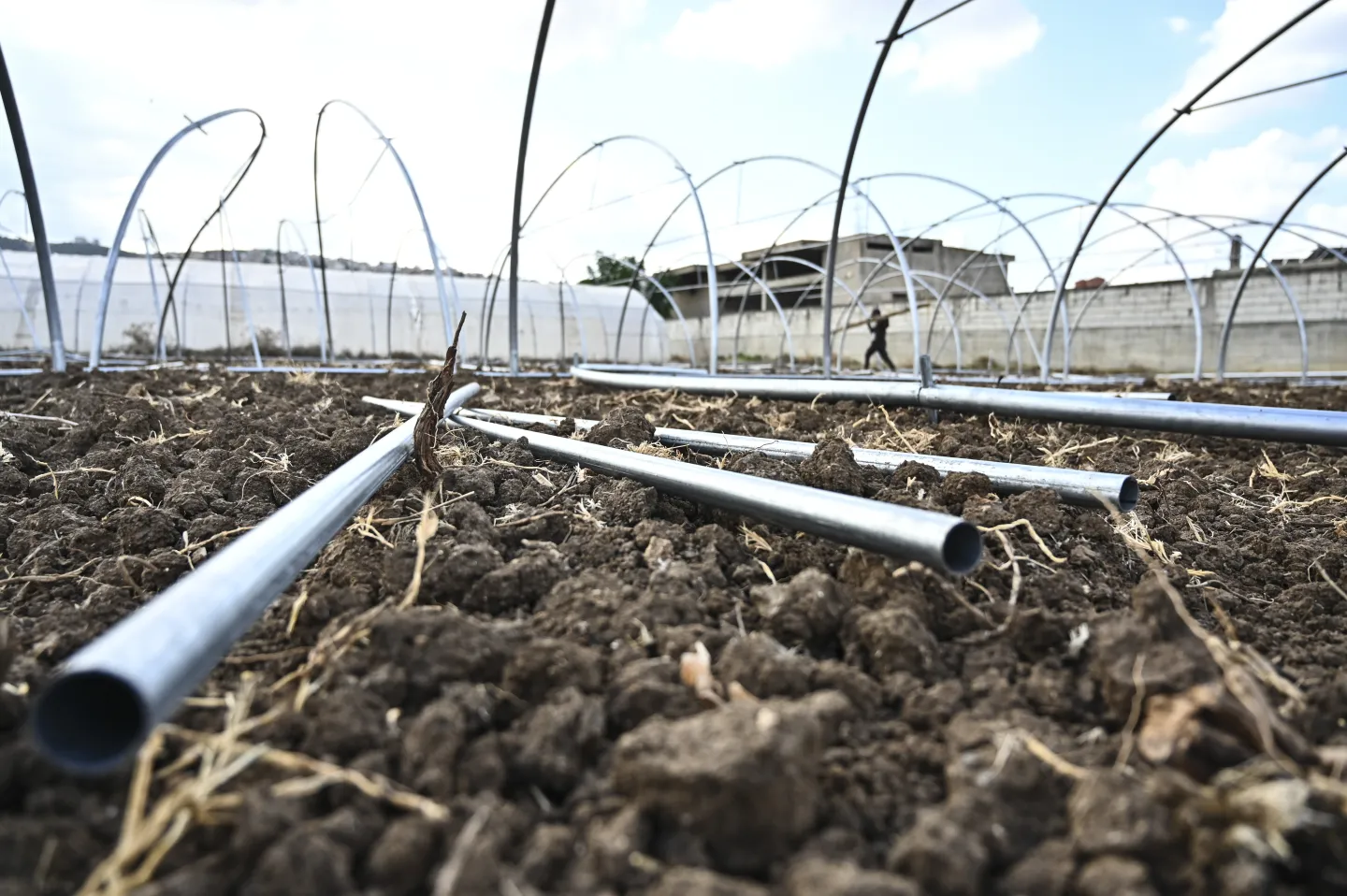
In response, the ILO’s BOUZOUR project, funded by the Swedish International Development Cooperation Agency (Sida), developed dedicated OSH guidelines for greenhouse installation to improve on-site safety, raise awareness among manufacturers and installers, and promote decent work practices in the greenhouse agriculture sector. The guidelines were designed through a participatory process involving agricultural companies, greenhouse manufacturers, installation teams, and OSH specialists to ensure practicality and relevance to local conditions.
Developing practical guidance for safer installation
Field consultations and engagement with installation teams revealed that many installers view injuries such as cuts, burns, and falls as unavoidable aspects of their work. Supervisors often lack reference procedures, and teams frequently rely on makeshift equipment or unsafe handling techniques, particularly under piece-rate arrangements.
These insights informed the development of the safety guidelines, covering key greenhouse installation stages, including site preparation, lifting, cutting, frame assembly and plastic covering. The guidelines translate field observations and lessons learnt into actionable practices for manufacturers, installers and installation supervisors.
Learning safety where it matters: On-site training
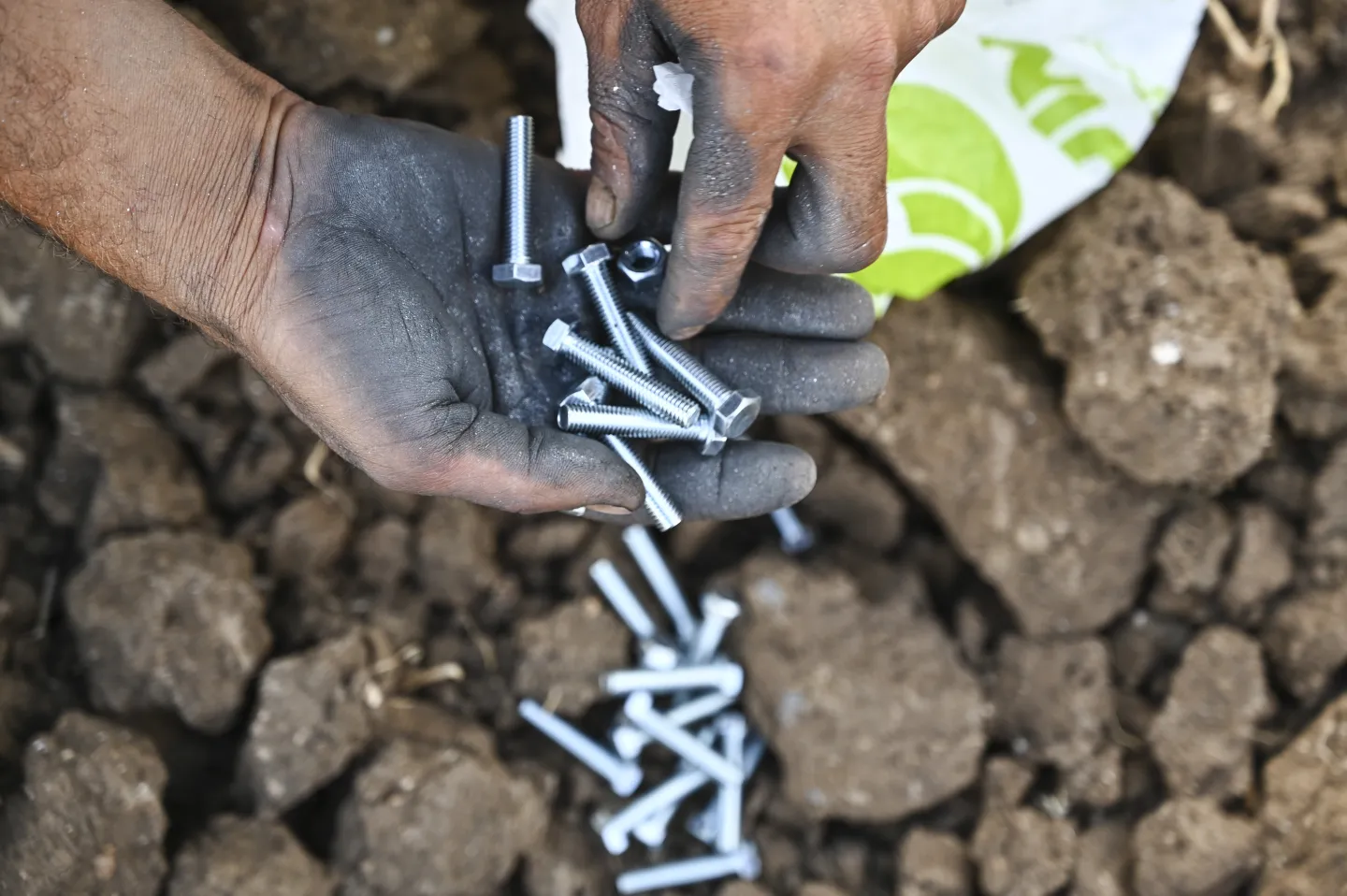
To help workers apply the OSH guidelines, the BOUZOUR team conducted six on-site awareness sessions for more than 75 workers, including 11 women. These sessions enabled workers to identify daily risks and propose practical solutions. Participants openly acknowledged habits such as holding screws in their mouths, removing grinder guards, or climbing unstable ladders - behaviours that became starting points for hands-on demonstrations.
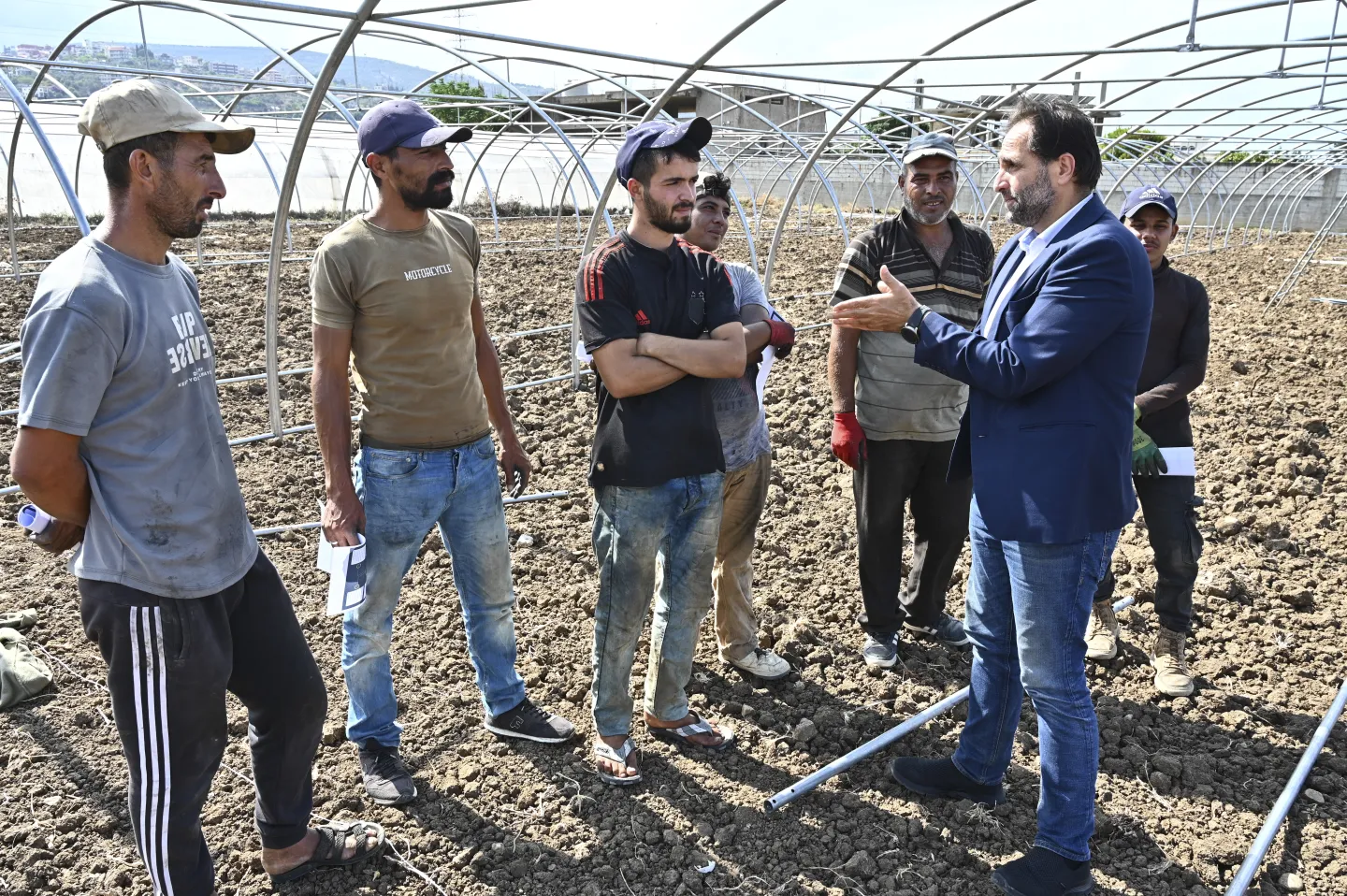
On-site awareness sessions also documented concrete incidents that brought OSH risks into sharp focus. In one incident, a worker accidentally cut a colleague’s abdomen while trimming plastic; in another, two workers were trapped under greenhouse film until they were rescued. These cases illustrate how better planning, stronger teamwork, and basic protection measures can prevent serious injuries.
“Now I start work by checking that the ladder is stable and making sure no one is under the frame,” said installer Zein Alabidin.
For many participants, this was their first structured OSH guidance. Installation supervisors requested that the training cover clear steps for checking tools, coordinating teams, and addressing often overlooked issues such as heat exposure and electrical risks.
From accidents to awareness
During one on-site awareness session, a young installer shared how he accidentally swallowed a screw he was holding in his mouth, requiring emergency surgery and resulting in a month of lost income. The incident was later used as a case study to identify safer alternatives such as using tool belts, sequencing tasks more clearly, and working in pairs. Workers reported a noticeable shift in mindset once the real-life consequences were understood.
“I used to think safety was optional and slowed down the work, but now we see it saves time when no one gets injured,” said Haytham, one of the installers.
Early impact: Putting safety into practice
By the end of the on-site awareness sessions, visible changes were observed. Workers inspected ladders before use, organised tools more systematically, and used gloves and basic PPE whenever available. Supervisors committed to daily safety checks and to keeping first-aid kits on-site. Several manufacturers expressed interest in integrating the new OSH guidelines into their standard operating procedures.
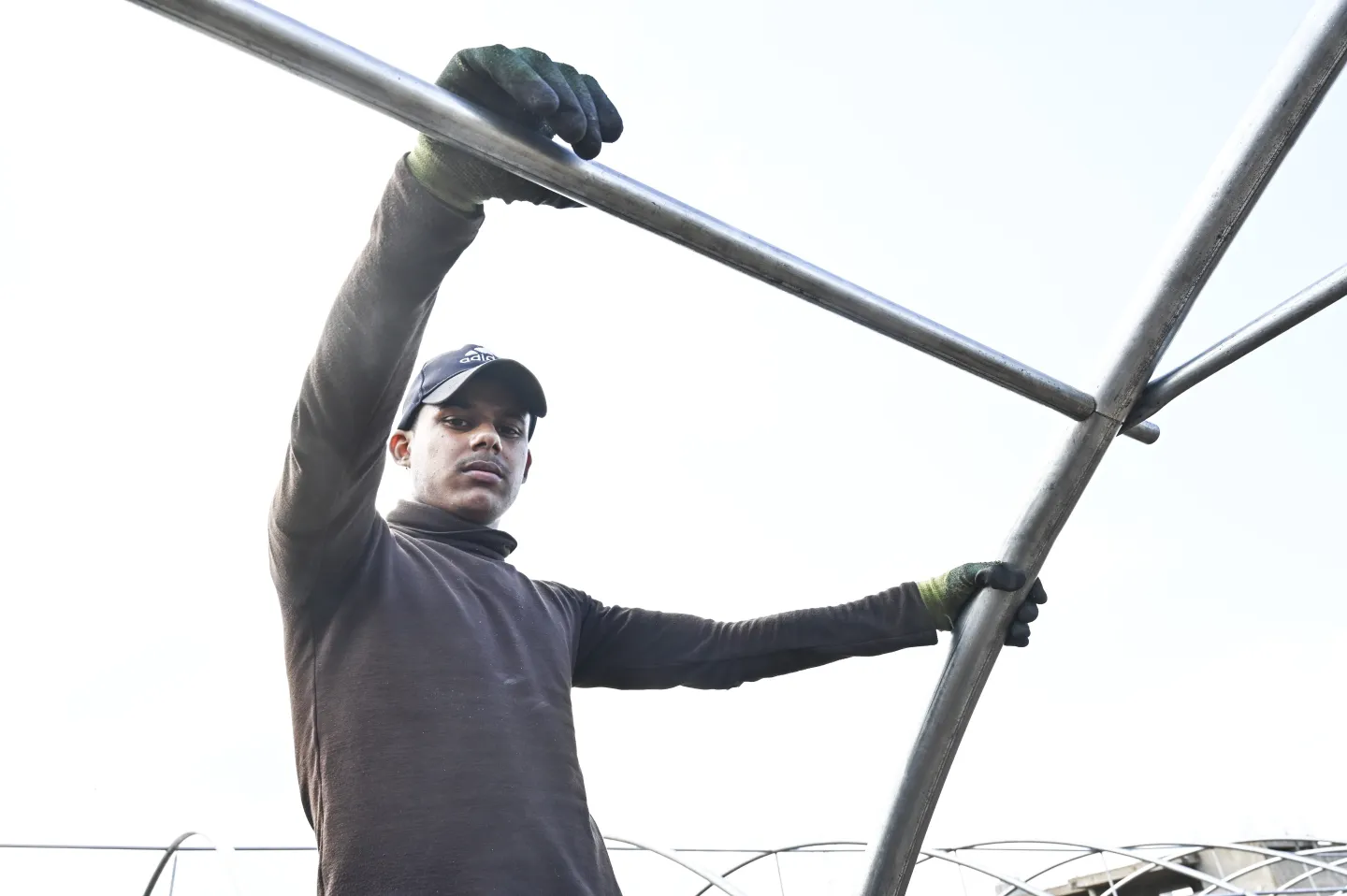
This intervention marks an important step towards institutionalising safety in Lebanon’s greenhouse industry. It ensures that the workers who build agricultural infrastructure are better protected while supporting more sustainable food production.
“We used to think safety was a luxury. Now we see it’s what allows us to keep working,” said Fatima Abdo, who works in installing plastic-film covering.
Related content
Project
Building Inclusive Markets and Decent Work for Syrian Refugees and Lebanese Host Communities (BOUZOUR)
Relevant projects
Project
Building Inclusive Markets and Decent Work for Syrian Refugees and Lebanese Host Communities (BOUZOUR)