

Digital skills and AI
AI training helps turn technical skills into enterprise opportunities
Through ILO’s AI training, Digital-PINAS is helping trainers and vocational learners turn the skills they already have into new businesses, better livelihoods and opportunities for themselves and their communities.
9 October 2026
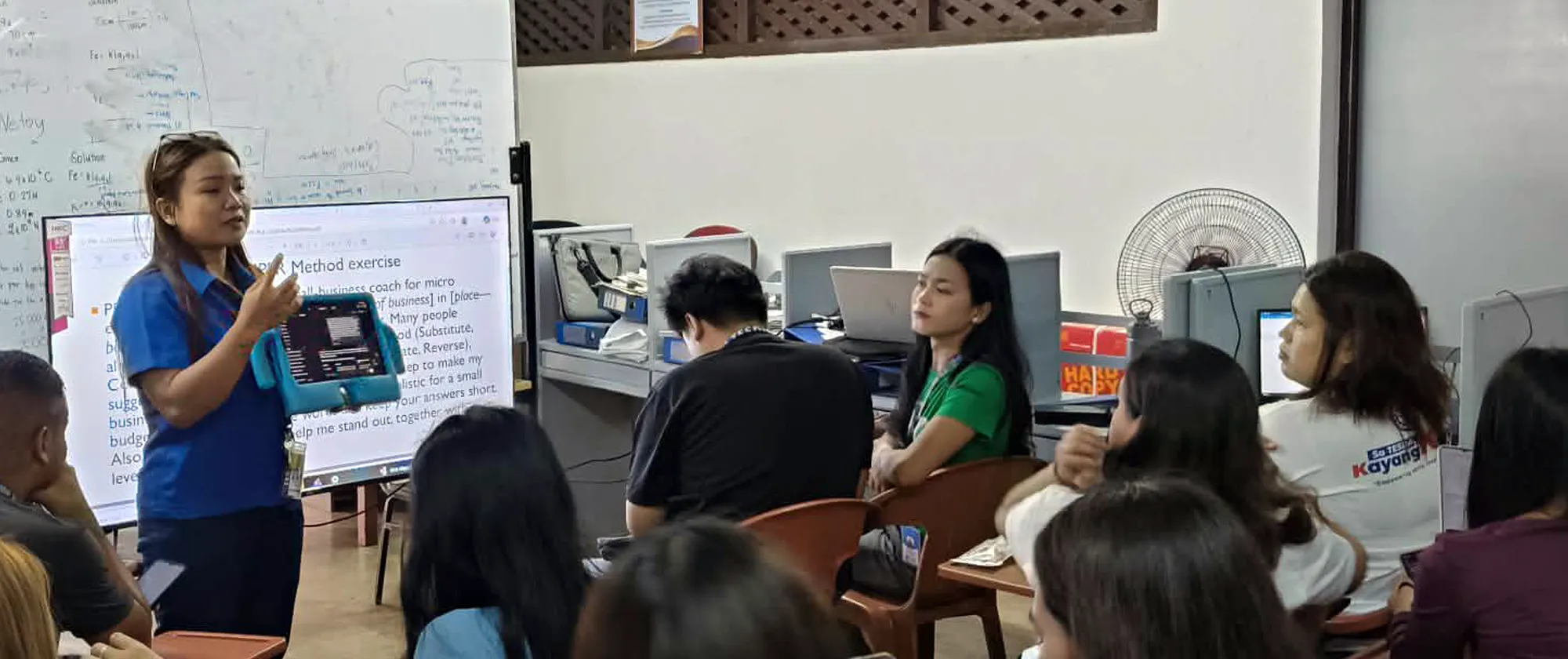
TUGUEGARAO CITY, Philippines - For 14 years, Lea Macababbad has worked in technical and vocational education. She has taught communication, technopreneurship, science and other subjects. But a new tool is changing how she sees the future of skills training in Northern Luzon.
Artificial intelligence (AI) is helping trainees turn technical skills into livelihoods.
For Lea, a Senior Specialist at the Technical Education and Skills Development Authority (TESDA) Region 2, this matters. The region is working to make training more responsive to changing industries and local economic needs.
The International Labour Organization (ILO) training on AI for Digital Novice MSMEs (AI4MSME) under the United Nations Joint Programme on Inclusive, Competitive, and Responsible Digital Philippines (Digital PINAS) gave Lea a practical way to help make that shift.
It showed how simple and accessible AI tools could support people with little digital experience. More importantly, it showed how AI could help trainees turn a skill into a business.
Lea brought the lessons back to TESDA Region 2.
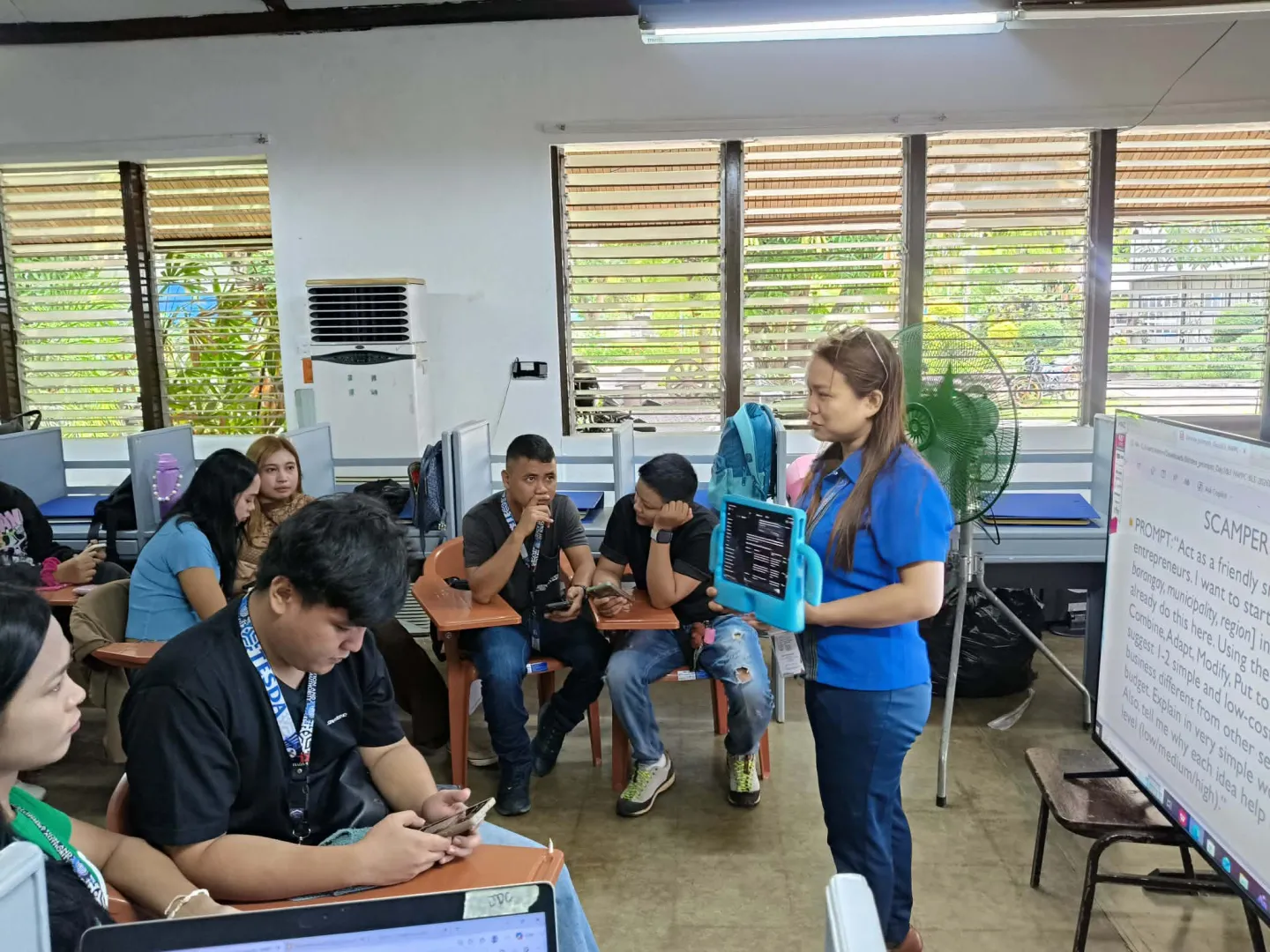
Working with Janina Fabian of the TESDA Regional Office, she helped adapt the AI4MSME content for technical and vocational education and training (TVET). They worked with 25 entrepreneurship trainers, experts and curriculum developers from Cagayan, Isabela and Nueva Vizcaya.
Their goal was clear. AI should not be treated as an extra digital skill. It should help trainees solve real business problems.
“ILO-trained trainers like Lea are champions in Digital-PINAS' pursuit of digital transformation among MSMEs, especially those in the remote areas,” said Katherine Brimon, Senior Programme Officer of Digital-PINAS. “Their work creates the ripple effect that ensures the joint programme's contribution is sustained over time.”
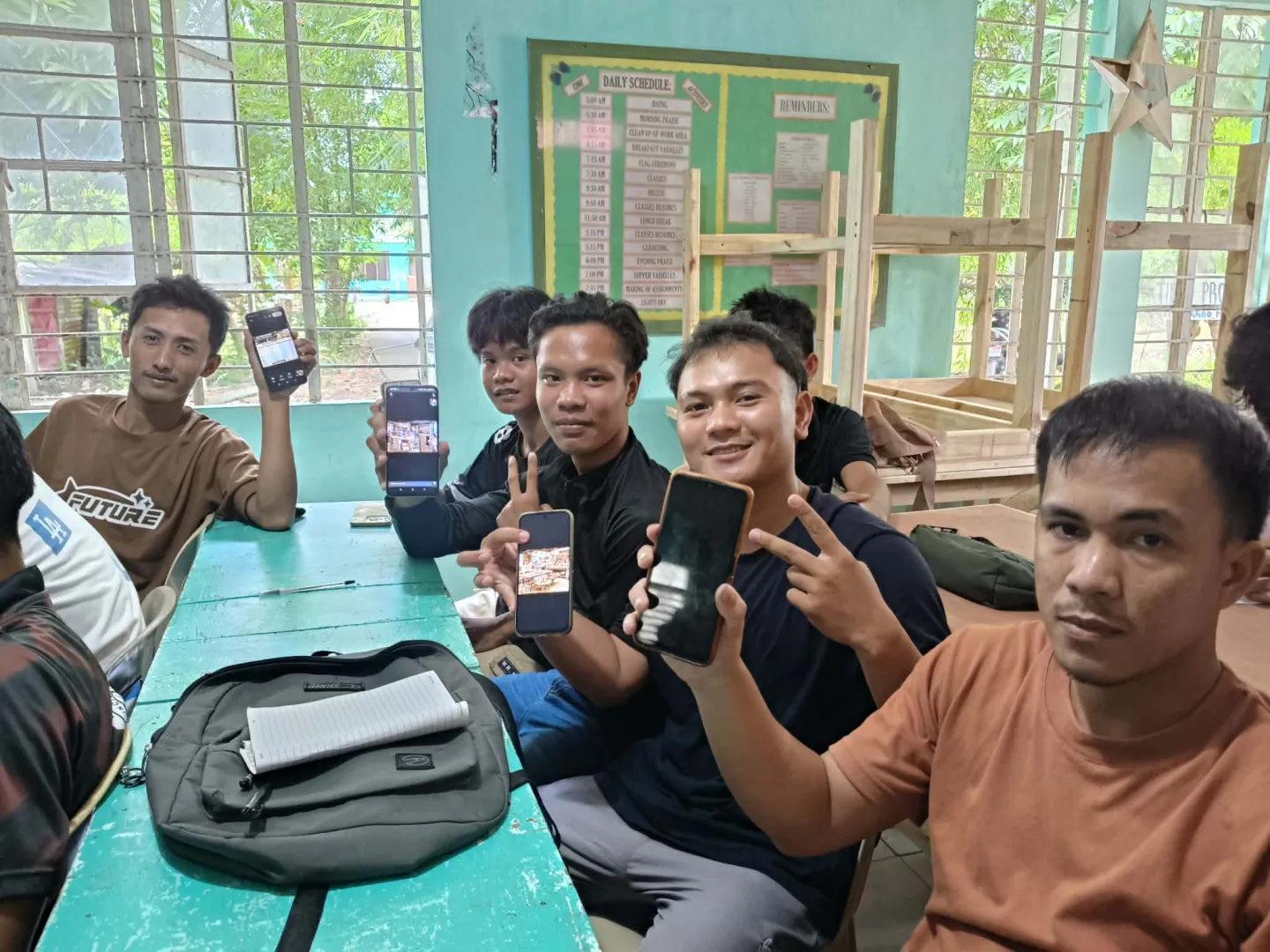
Between July and August 2026, the approach was tested with trainees in Cookery NC II and Electrical Installation and Maintenance NC II.
The change was visible.
Cookery trainees used AI to develop menus, calculate ingredient costs and prepare social media posts. Some began selling homemade food and offering small catering services while still completing their training.
Electrical trainees used AI to draft client proposals, work out prices and package their services more professionally. It gave them tools to consider self-employment after certification.
For Lea, these results showed what could happen when digital skills and vocational training meet.
“AI closed the gap between learning a technical skill and making a living from it,” she said. “It can help trainees move from job seekers to business owners who can eventually create opportunities for others.”
The shift was especially meaningful for trainees who once thought AI was beyond their reach.
Cookery trainee Christine Bello found that AI could help her make faster decisions, improve marketing and become more creative as she developed her food business.
Another trainee, Arlianne Liat, initially believed AI was only for people who were good with technology. Digital tools had frustrated her before. Through the training, she discovered that AI could support, rather than replace, aspiring entrepreneurs like her.
For Lea, these experiences point to a bigger opportunity for Cagayan Valley.
TESDA Region 2 is moving beyond established qualifications towards programmes that respond to emerging economic needs. AI can help make entrepreneurship part of that transition.
The ILO training has also strengthened local capacity. AI4MSME content is being incorporated into General Entrepreneurship Training and Technopreneurship under the Diploma in Electrical Engineering Technology, while a standalone AI micro-credential is also being developed.
For Brimon, this local institutional effort is key to translating Digital-PINAS' support into opportunities for people who may otherwise have limited access to digital tools and training.
“TESDA Region 2's efforts ensure that Digital-PINAS' contribution to MSME digital transformation is actually felt where it is needed most, in remote areas and among budding entrepreneurs,” she said.
The impact, therefore, can extend beyond one classroom or one group of trainees.
In a region where technical skills can become a pathway to self-employment, AI offers another bridge between training and income.
For Lea, technology has value when people can use it to improve their lives.
_____________________
About Digital PINAS
Digital PINAS is a joint programme that supports MSME digitalization by addressing policy, regulatory, and systemic barriers to digital inclusion. It is implemented by ILO, ITC, and UNDP in partnership with the DICT and other government agencies. All joint programmes of the Joint SDG Fund are led by UN Resident Coordinators and implemented by the agencies, funds and programmes of the United Nations development system. With sincere appreciation for the contributions from the European Union and the Governments of Belgium, Denmark, Germany, Ireland, Italy, Luxembourg, Monaco, The Netherlands, Norway, Poland, Portugal, Republic of Korea, Saudi Arabia, Spain, Sweden, Switzerland and our private sector funding partners, for a transformative movement towards achieving the SDGs by 2030.
For further information on the ILO component of Digital PINAS, please see the programme page, or contact ILO Manila.
Relevant projects

Enterprise digitalization
Inclusive, Competitive and Responsible Digital Philippines (Digital-PINAS)