

Article
Advancing climate-smart agriculture and green jobs in Lebanon
Climate-smart irrigation pilot initiatives across Lebanon are helping farmers reduce resource use, lower costs, and improve crop performance
27 February 2026
Lebanon’s agricultural sector is operating under acute water stress due to long-term groundwater depletion, declining surface water availability, and deteriorating irrigation infrastructure. In major production areas such as the eastern Bekaa Valley and the northern Akkar regions, farmers report falling well-water yields, rising pumping costs, and growing salinity levels - factors that undermine productivity and increase production risks. Limited access to modern irrigation tools further compounds these challenges, leaving many farmers dependent on fixed irrigation schedules or visual estimates of soil moisture that often result to inefficient and costly water use.
In response, the ILO’s BOUZOUR project, funded by the Swedish International Development Cooperation Agency (Sida), has introduced climate-smart irrigation solutions to help farmers optimise water use, reduce operating costs, and improve working conditions, while supporting the development of a viable agritech market in Lebanon.
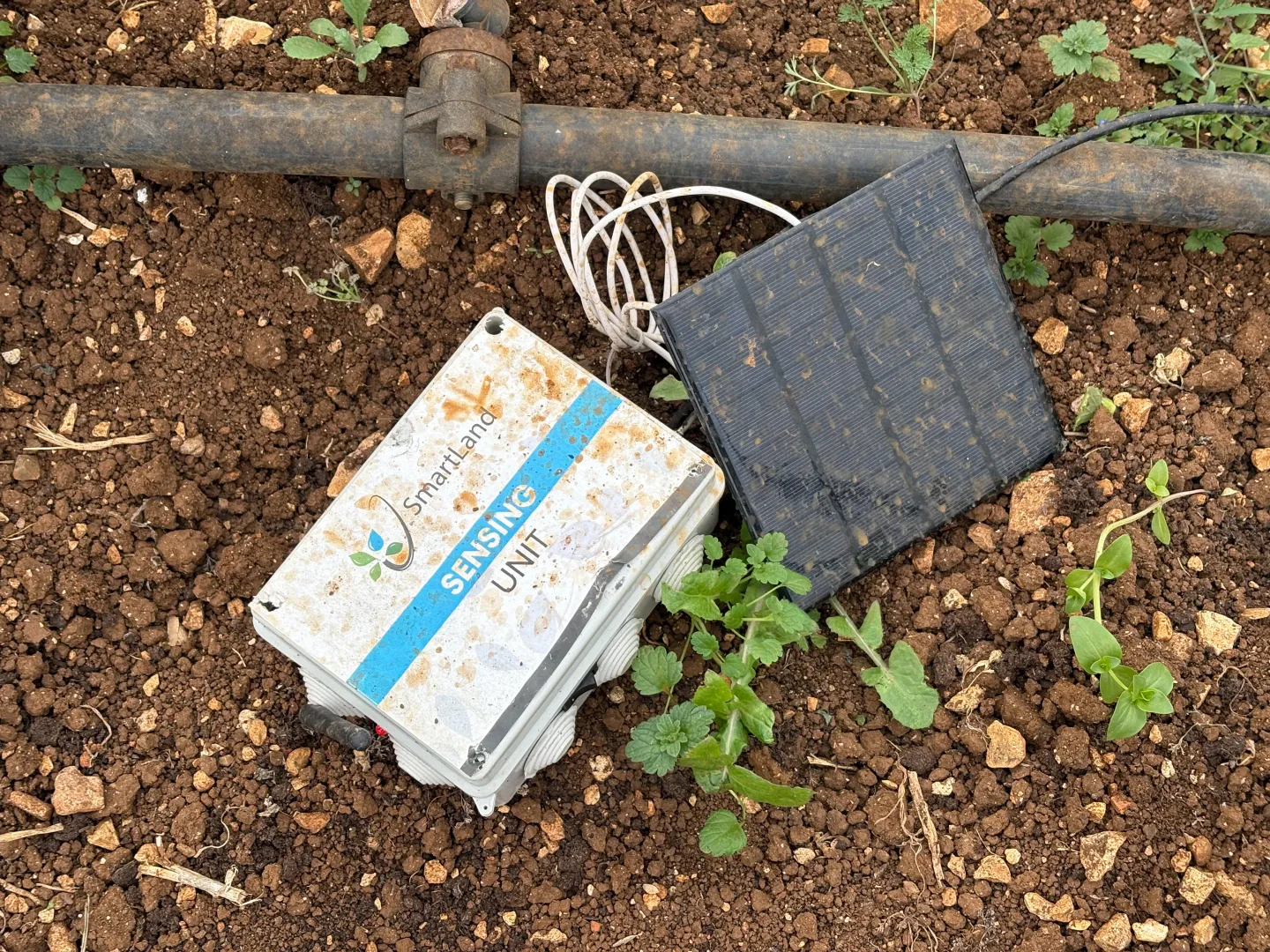
Working with agritech companies, cooperatives and agro-pharmacies, the project deployed systems for sensor-based irrigation and fertigation – or nutrient rich watering - on fifteen farms across the Akkar and Bekaa areas. Each farm operated a pilot plot alongside a traditional farmer-managed control plot, allowing direct comparisons in water use, fertilizer efficiency, crop performance and overall management. This side-by-side approach generated clear field evidence for the economic and agricultural production value of climate-smart irrigation. At the same time, by engaging cooperatives and local agro-pharmacies as dissemination and service points, the project helped make the technology more accessible. These actors informed farmers about the systems, connected them directly to suppliers, facilitated initial discussions on costs and installation, and served as trusted local intermediaries.
The pilots were implemented with SmartLand Agri, a Lebanese enterprise that integrates soil sensors, weather data and automated control systems to guide precise irrigation. Through the collaboration, the company expanded its presence in underserved rural areas and strengthened distribution channels through agro-pharmacies; an entry point where farmers commonly seek advice and information.
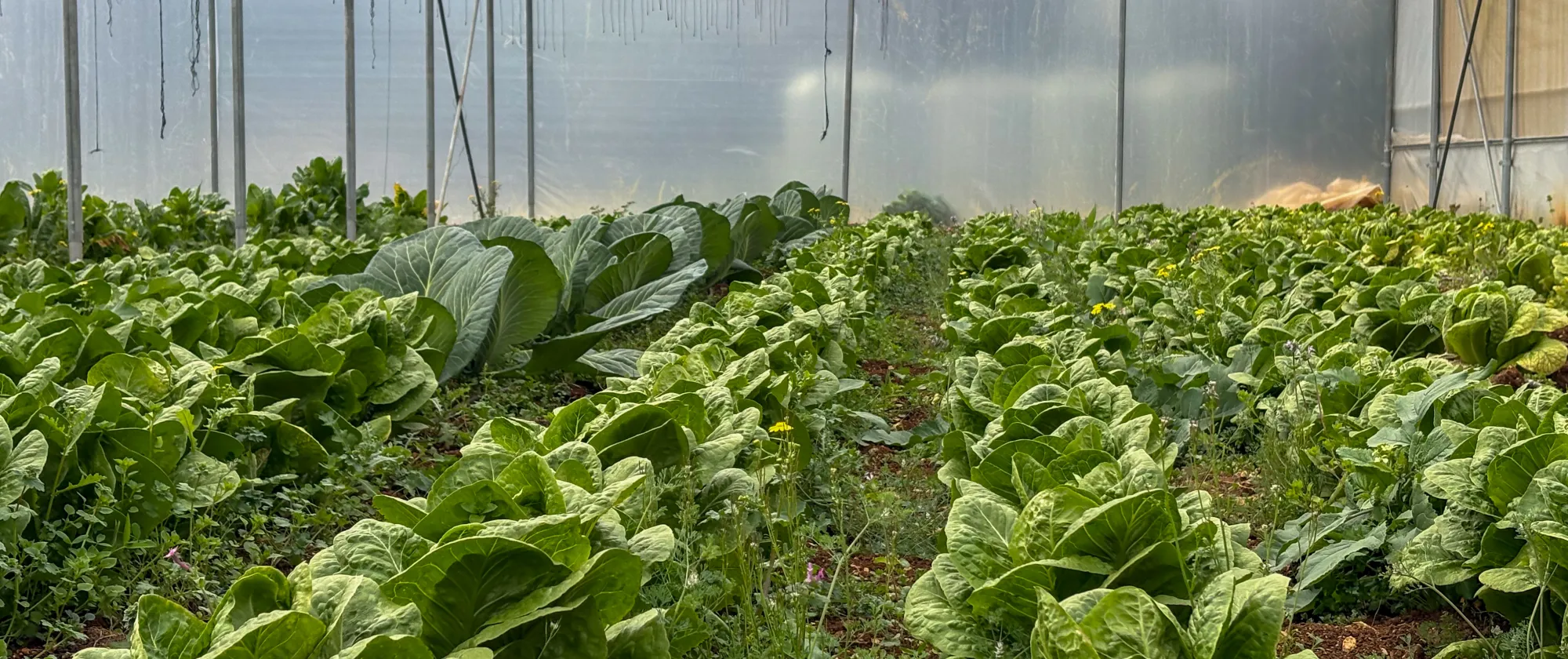
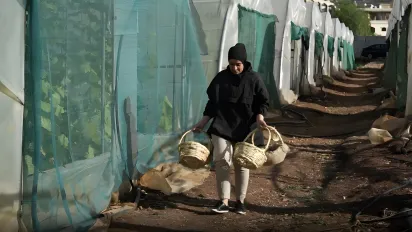
In Akkar, the Jarrouj family tested the technology in six tunnel greenhouses planted with leafy greens and tomatoes. Water, fertilizer and fuel use declined by more than 40 per cent, operational costs were halved, and yields increased by eight per cent.
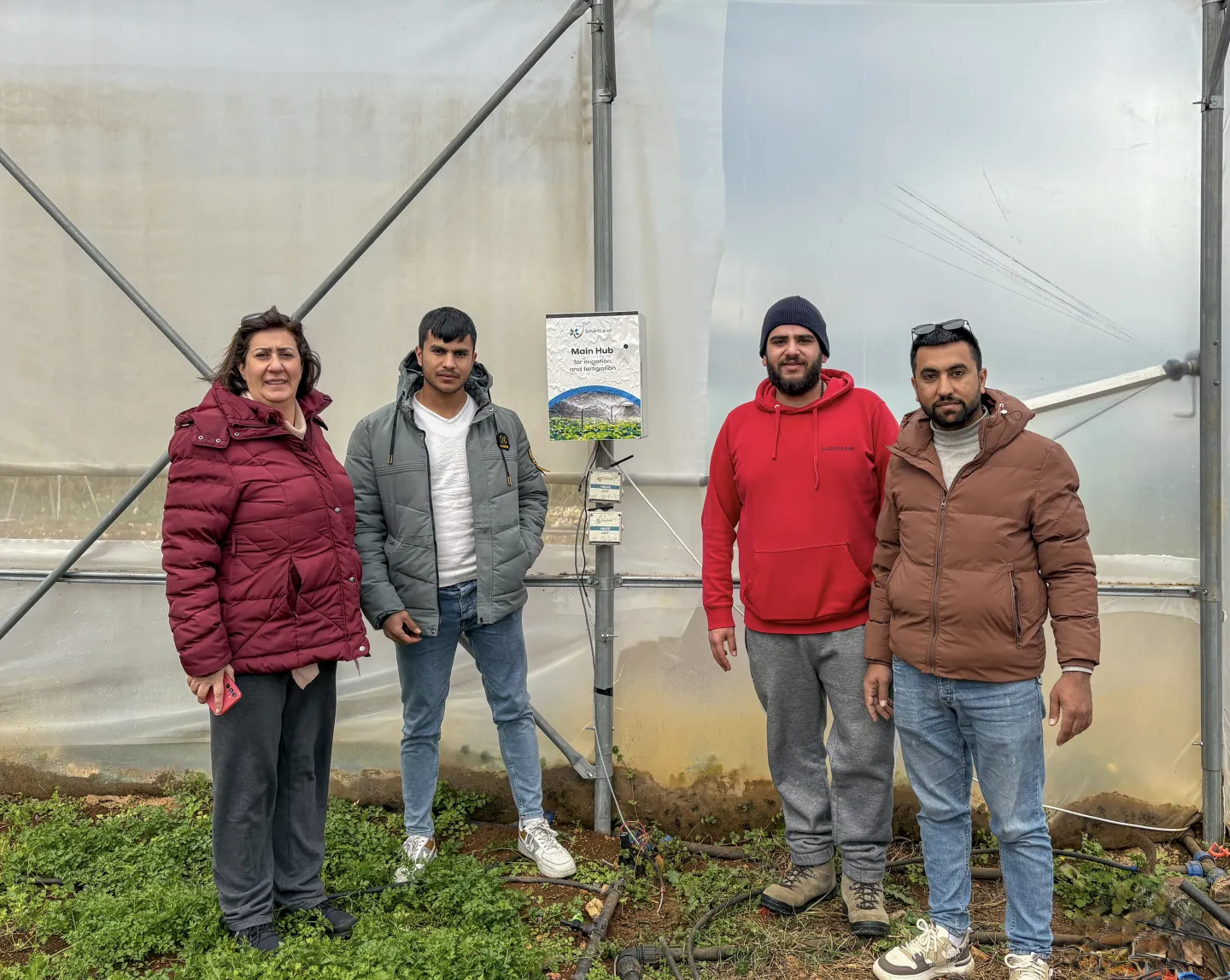
“Before getting this system, we irrigated by guesswork,” explained farmer Alexi Jarrouj. “Now we know exactly what the plants need, especially in a year with unpredictable rainfall.”
Ghiwa Mayta, Agronomist at Plant It, a Lebanese company specializing in modern food cultivation and partnering with the BOUZOUR project to pilot climate-smart solutions and demonstrate their results to farmers, highlighted the benefits for their own operations as well:
“The sensors are user-friendly, and we can now accurately determine how much water and fertilizer our crops require. This is a first step toward advancing climate-smart agriculture in Lebanon.”
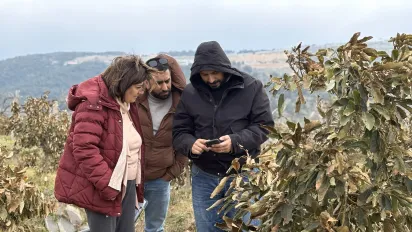
As results emerged, pilot farms quickly became demonstration sites, attracting neighbouring farmers and facilitating peer-to-peer learning.
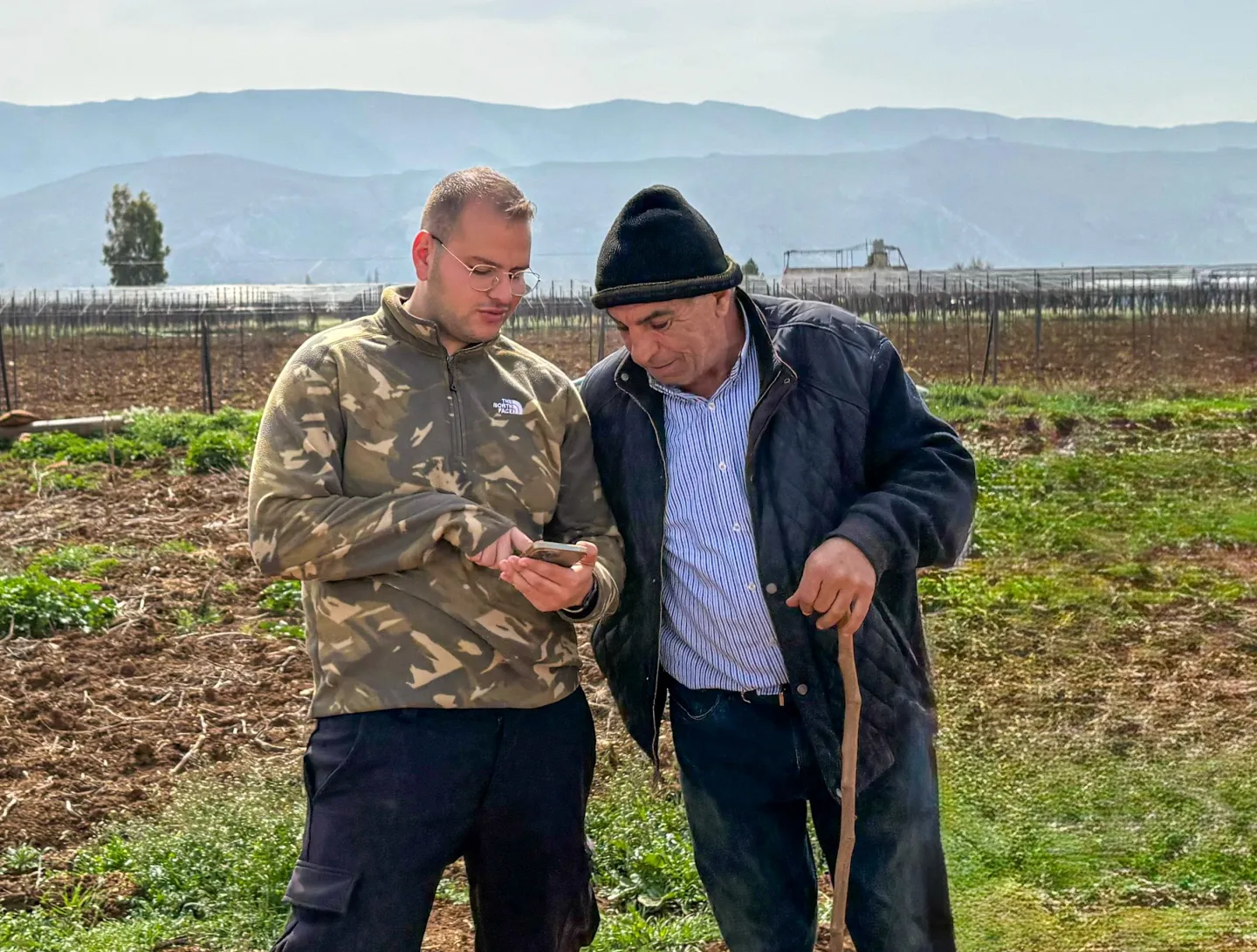
Across all fifteen pilot sites, sensor-based plots delivered measurable improvements. Water consumption fell by 22–40 per cent, reaching up to 50 per cent savings in orchards. Fertiliser use decreased by as much as two-thirds without reducing yields. Crop quality improved, with Class A produce increasing by 16 per cent. Farmers also reported saving 18–25 labour hours per production cycle, easing workflow pressures during peak periods, with time reallocated to farm management tasks such as crop monitoring, maintenance and post-harvest handling. Reduced water pumping time and lower fertilizer application contributed to reduced greenhouse gas emissions, while less manual irrigation and reduced chemical exposure enhanced occupational safety and health for farmers and farm workers.
Project results reached more than 200 farmers and were shared with 100 Ministry of Agriculture extension officers, informing advisory services on climate-smart irrigation and fertigation. Engagement with agritech firms, cooperatives, agro-pharmacies and public extension services strengthened linkages between technology providers, input suppliers and farmers, supporting wider adoption and contributing to longer-term market sustainability.
The pilots also supported the emergence of green jobs by increasing demand for local agritech services, including system installation, monitoring, maintenance, and advisory support. The expansion of climate-smart solutions illustrates how a broader ecosystem of service providers can respond to emerging farmers’ demands.
The BOUZOUR project demonstrates that practical, cost-effective irrigation models can reduce water waste, lower production costs, and improve working conditions, while strengthening agricultural livelihoods and supporting decent work, green jobs, and environmental resilience.
Related content
Project
Building Inclusive Markets and Decent Work for Syrian Refugees and Lebanese Host Communities (BOUZOUR)
ILO Brief
Building pathways for green jobs and climate-smart agritech in Lebanon
Report
Climate-Smart and Water-Efficient Agriculture in Lebanon: Enhancing Productivity, Sustainability, and Decent Work
Relevant projects
Project
Building Inclusive Markets and Decent Work for Syrian Refugees and Lebanese Host Communities (BOUZOUR)