

Employment-intensive investment
Rural Access and Agricultural Marketing Project (RAAMP)
The project aims to improve rural connectivity and agricultural market access across 19 Nigerian states by strengthening sustainable road development, maintenance, and institutional capacity
Duration
1 March 2025 - 30 November 2026
Development partner(s)
World Bank / International Development Association (WB/IDA) and French Development Agency (FDA)
Reference
NGA/24/04/IDA
Location
Nigeria
Contact
Shailendra Kumar Jha, Chief Technical Advisor (CTA), email: [email protected]
Overview
The Rural Access and Agricultural Marketing Project (RAAMP) is a flagship third-generation rural access initiative supported by the International Development Association of the World Bank and the Agence Française de Développement (AFD). The lead agency of the Federal Government is the Federal Ministry of Agriculture and Rural Development (FMARD). Anchored under the Federal Ministry of Agriculture and Food Security (FMAFS), the Federal Project Management Unit (FPMU) is responsible for overall project coordination, implementation of federal level project activities and supervision of state level activities.
The programme aims to enhance rural connectivity and strengthen the enabling environment for sustainable road development, maintenance, and administration across 19 participating states. A total of 19 State Project Implementation Units (SPIUs), under respective state government ministries, are responsible for the physical implementation of the project activities at the state level.
With a total investment envelope of USD 575 million, RAAMP is strategically designed to improve rural access and stimulate agricultural market integration through robust institutional and financial frameworks.
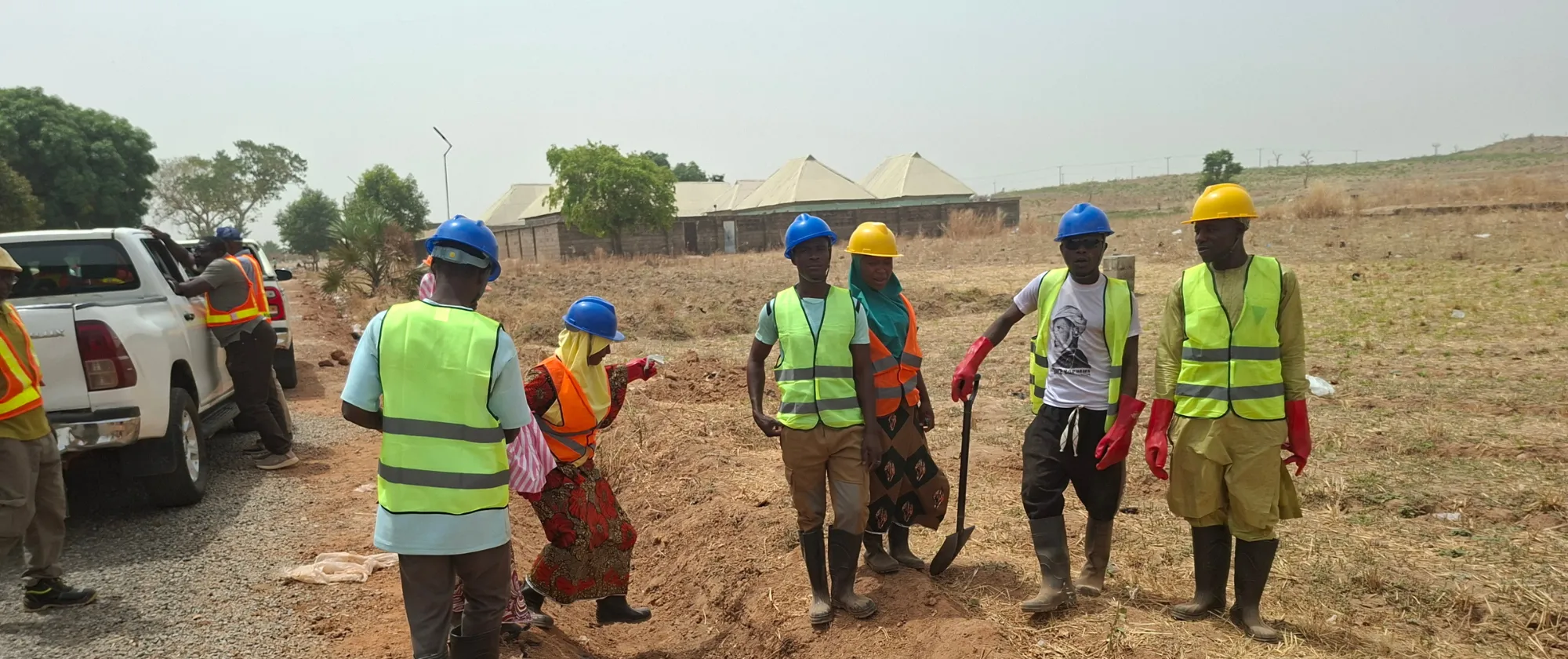
Within this context, the ILO through its Employment Intensive Investment Programme (EIIP) delivers specialized technical assistance in labour-based routine maintenance, spot-improvement interventions, and comprehensive technical and management ‘s current capacity development. The ILO’s mandate is focused on five pilot states Akwa Ibom, Bauchi, Niger, Ogun, and Sokoto where it is implementing demonstrative, high impact models intended to showcase best practices and catalyze scalable, nationwide replication.
Project information
Objectives
The project aims to improve rural access and agricultural marketing in participating states while strengthening the financing and institutional base for effective development, maintenance and management of the rural road network. The project has five development objectives (PDO) in three result areas. The table below provides the five indicators of what will serve to measure the project achievements. ILO Technical Assistance support will contribute to all PDO results but especially to PDO 1, 2 & 5.
| PDO-level Result | PDO-level Indicator |
|---|---|
| Results Area 1: Improved Rural Access | PDO 1: Rural Access (population living within 2km of an all-season road in participating states) |
| PDO 2: Travel time on project improved roads | |
| Results Area 2: Improved Agricultural Marketing | PDO 3: Marketed volume of locally produced agricultural commodities by smallholder farmers in improved agro-logistics centers |
| PDO 4: Satisfaction level of agro-logistics center users | |
| Results Area 3: Effective development, maintenance and management of the rural road network | PDO 5: Proportion of rural roads in good or fair condition |
Activities
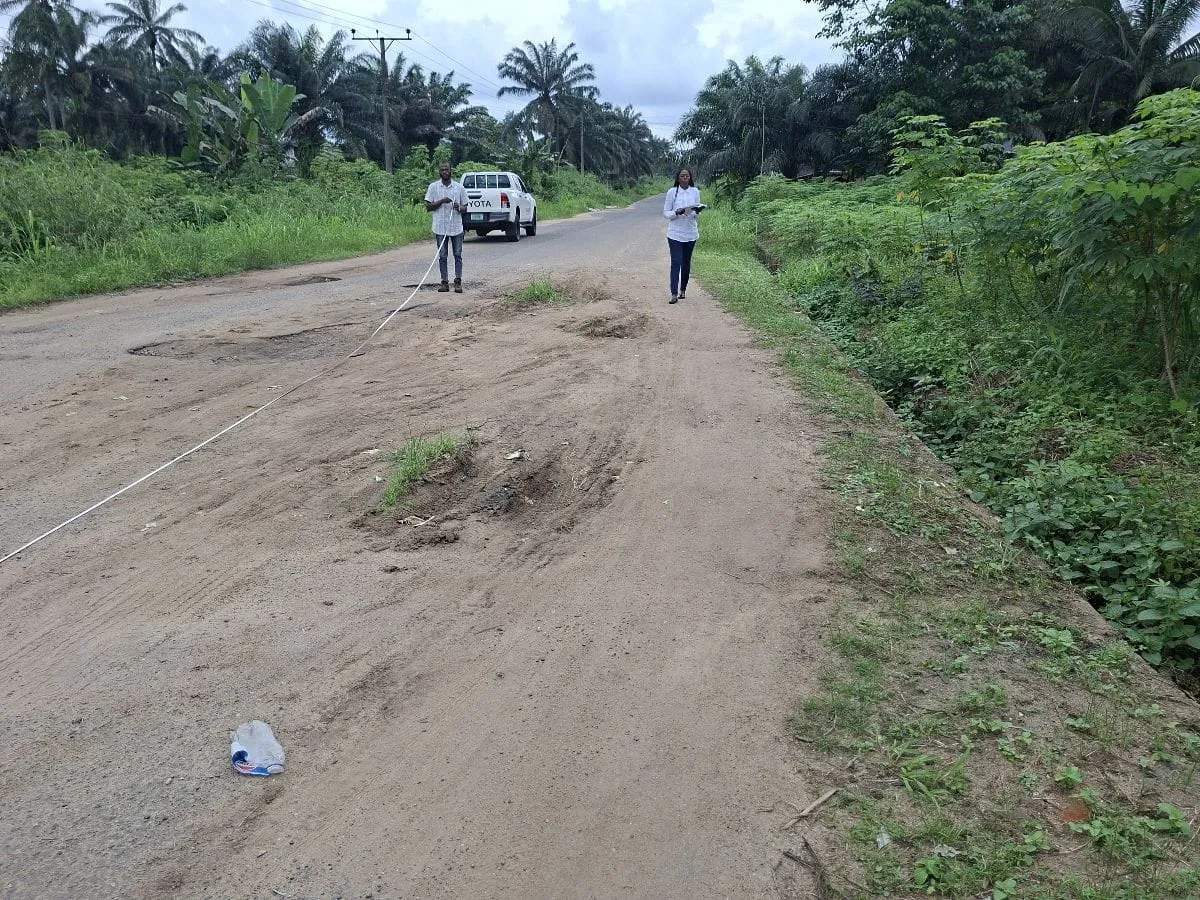
RAAMP has provisions for four road intervention types: upgrading, spot improvement, backlog maintenance/rehabilitation and routine maintenance. Each of the type of road has specific eligibility criteria in addition to availability of fund: (a) Upgrading- socio-economic requirements are satisfied; (b) spot improvement- road wasn’t substantially improved before, currently not maintainable (i.e., extremely poor condition), fulfils the socio-economic requirements for spot improvement; (c) backlog maintenance or rehabilitation- whether major interventions made (e.g., upgrading) before, condition justifies such intervention; (d) routine maintenance- all maintainable road will be subjected to routine maintenance and will get preference over the other three type of interventions mentioned above. Roads that do not satisfy the criteria would not receive any interventions.
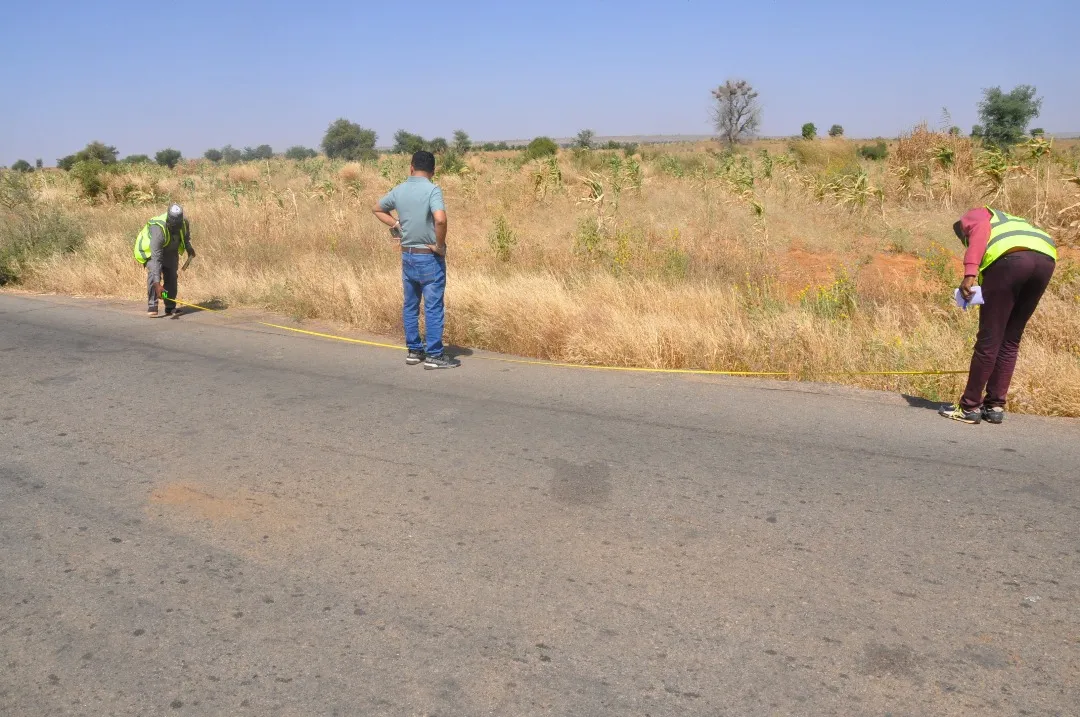
To support evidence-based decision making in the rural road sector, RAAMP has developed a tool, the Nigeria Rural Transport Infrastructure Management System (NiRTIMS), and a mobile application for real time Construction Site Monitoring System (CoSMOS). The NiRTIMS is primarily utilized under the planning module to prioritize road interventions based on technical and socio-economic considerations, thereby ensuring transparency, efficiency, and equitable allocation of resources across participating RAAMP states.
Mechanisms will be developed for operationalization of group-based length person routine maintenance schemes, including associated performance-based payment systems through bank transfers. This will include the use of community labour, micro enterprises, in a manner that adequately includes women and vulnerable groups.
- Provision of specialized technical assistance for the execution of 500 km of labour-based routine maintenance works, including planning, supervision, quality assurance, and integration of data-driven methodologies through NiRTIMS.
- Technical support for the implementation of 250 km of spot-improvement interventions, covering survey, design validation, cost estimation, and field-level guidance to ensure durable, climate-resilient, and socio-economically impactful road upgrading.
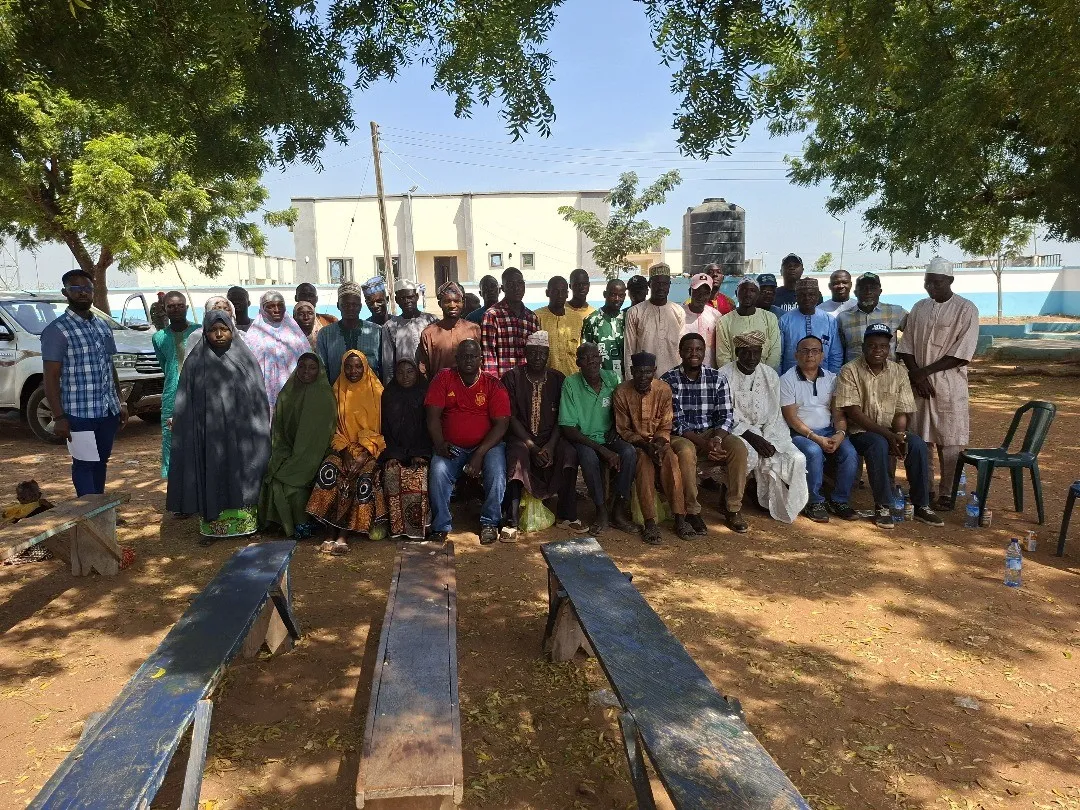
- Capacity development of 672 government and contractor personnel, delivered through structured training programmes, hands-on demonstrations, exposure visits, and institutional strengthening initiatives aimed at enhancing technical, managerial, and operational competencies in rural transport management.
- Development of key operational instruments, including the Road Maintenance Guideline, the Occupational Safety and Health (OSH) Guideline, and the Community-Based Maintenance Contract Template for RAAMP, establishing standardized procedures and compliance frameworks that promote decent work, safety, transparency, and sustainability across all participating states.
- Generation of 200,000 workdays employment where at least 33% must be women and 3% persons with disabilities.
Additional details
The project activities formally began on the ground on 1 June 2025. The total financial outlay of RAAMP is US$ 575m. Contributions from the World Bank and the participating state governments are US$ 280m (49 percent), US$ 230m (40 percent) and US$ 65m (11 percent) respectively.
The project covers 19 states of Nigeria: ten northern states (Kano, Katsina, Sokoto, Kebbi, Bauchi, Plateau, Kwara, Niger, Gombe and Kaduna) and nine southern states (Abia, Akwa Ibom, Kogi, Ogun, Oyo Ondo, Osun, Ebonyi and Ekiti).
Project updates
- Rural Access and Agricultural Marketing Project (RAAMP) Factsheet - December 2025
- RAAMP News brief - August 2026
News and events
- RAAMP Implementation Support Mission highlights decent jobs and resilient rural infrastructure in Nigeria
- Rural roads project to create millions of workdays in Nigeria
- ILO supports inclusive rural road maintenance in Nigeria
- RAAMP Nigeria Stakeholders’ Participation in the Engineering Procurement & Contract Management Training for World Bank funded Projects.
- Empowering inclusion: ILO equips teams to make infrastructure and employment work for everyone
- Building Roads, Building Trust: ILO Puts Communities in the Driver’s Seat of Rural Road Maintenance in Niger State
Relevant links
Related content

EMPINVEST
Employment in Investments Branch