

Building Roads, Building Trust: ILO Puts Communities in the Driver’s Seat of Rural Road Maintenance in Niger State
The ILO is empowering communities in Niger State to take the lead in maintaining rural roads—strengthening local ownership and protecting the infrastructure that supports their daily lives.
28 October 2025
Minna, Niger State, Nigeria (ILO News) — The International Labour Organization (ILO), working closely with the Niger State Project Implementation Unit (SPIU), is deepening community involvement in rural infrastructure by directly engaging local leaders and residents along key road corridors. This initiative is part of the Rural Access and Agricultural Marketing Project (RAAMP), funded by the World Bank and the French Development Agency (AFD).
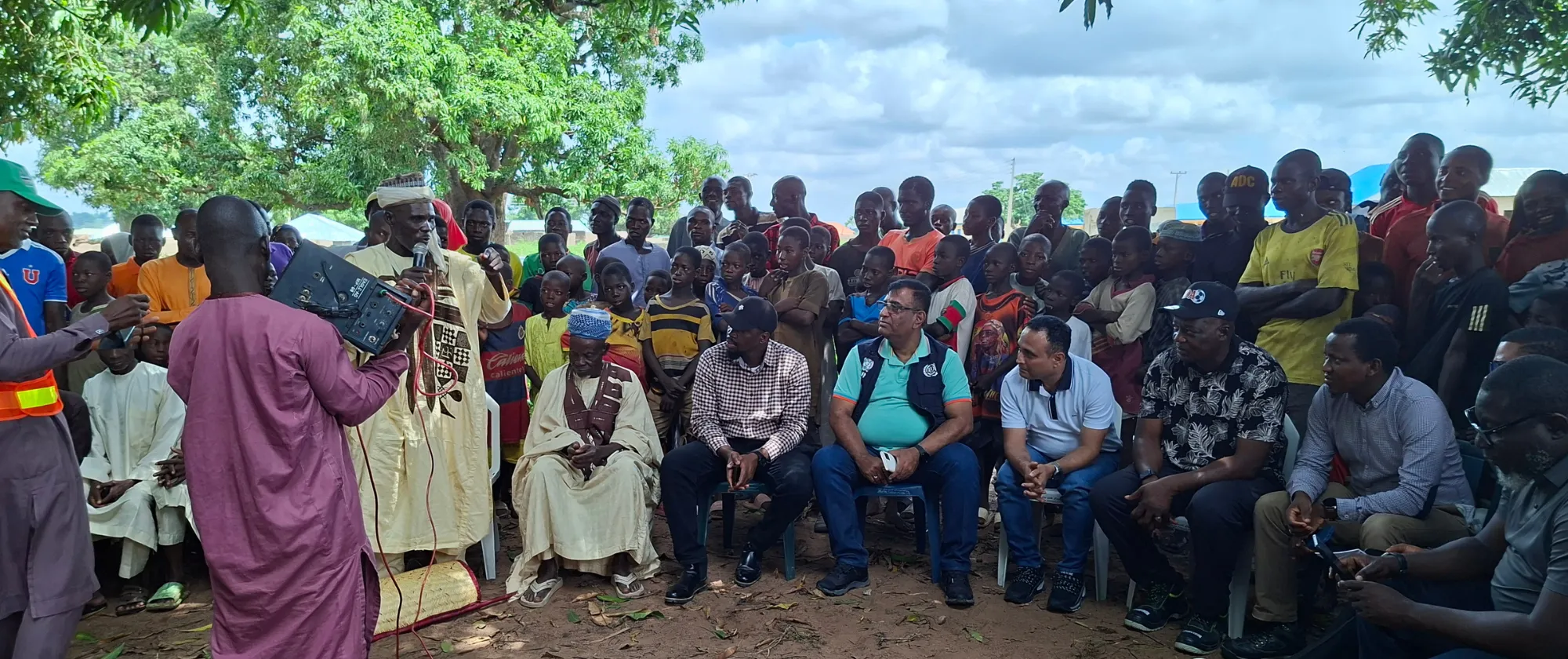
The ILO’s technical team—Engr. Shailendra Kumar Jha (Chief Technical Advisor), Engr. Arun Kumar Yadav (Training and Road Maintenance Technical Officer), and Engr. Thomas Adodo Junior (National Expert – Road Maintenance)—visited communities along the Kataeregi–Ebba–Baddegi, Wushishi–Makusidi–Jangara, and Lefu Shaku–Wabe roads. Their goal: to listen, learn, and build lasting partnerships with the people who depend on these roads every day.
“We came to hear directly from the communities,” said Engr. Jha. “We want to understand their needs, encourage them to take ownership, and work together to ensure these roads are maintained sustainably.”
During the visits, community leaders, women and youth groups, farmers, and traders shared their experiences. They highlighted the urgent need for regular road maintenance—especially during the rainy season—and expressed strong support for forming local monitoring teams to oversee the work.
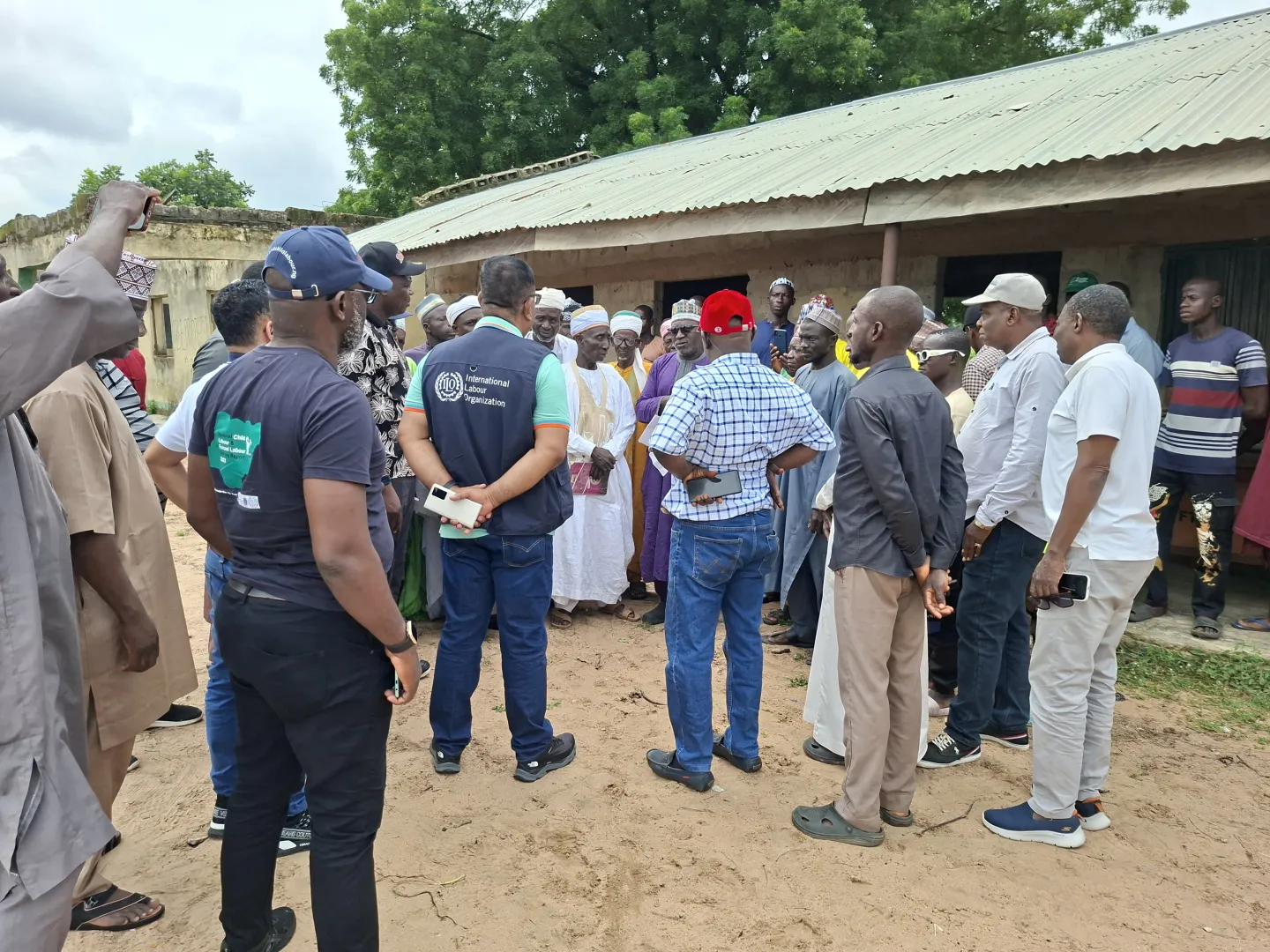
Many participants praised the ILO’s inclusive approach. They said being involved in the process gave them a stronger sense of responsibility and confidence in their ability to protect and sustain their infrastructure.
The key outcomes from the engagement include:
- A clearer understanding of the ILO’s role and how communities can actively participate in RAAMP.
- Strong commitments from local stakeholders to take charge of road maintenance.
- Practical recommendations for training, communication, and feedback systems to ensure transparency and accountability.
- Plans to use local labour, creating jobs and building skills within the communities.
The ILO and SPIU will work with community leaders to co-create action plans, define roles, and schedule hands-on training and consultation sessions. These steps will help turn ideas into action—and ensure that communities continue to lead the way in maintaining the roads they rely on.
This shift marks more than just a new way of building roads—it’s a new way of building trust. By working with communities, not just for them, the ILO is helping connect people not only to markets, but to opportunity, dignity, and shared progress.