

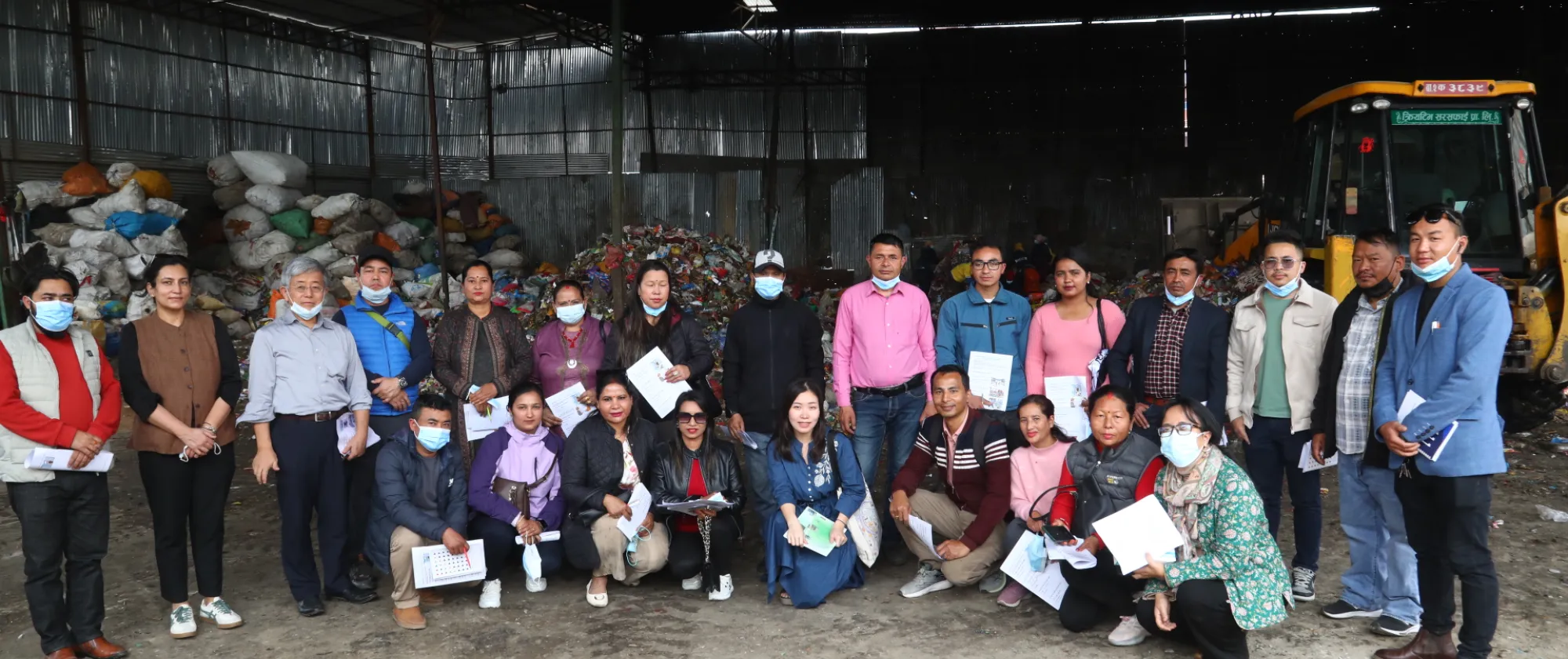
Occupational safety and health
Ensuring safety, health and dignity of waste management workers in Nepal
A two-day ILO Training of Trainers (TOT) workshop brought together 25 employer’s and worker’s representatives to improve workplace safety for waste management workers in Kathmandu, Nepal.
13 March 2025
KATHMANDU (ILO News) –Waste management workers are indispensable for clean, healthy and resilient communities, ensuring that waste is collected, sorted, and disposed of efficiently. Kathmandu Valley alone generates over 1,200 metric tonnes of waste each day.
Yet, despite their essential role, many waste workers remain in precarious employment, lacking job security, fair wages, and protection of their health and safety at work. They frequently encounter dangerous conditions, such as exposure to hazardous substances, sharp objects, and airborne diseases.
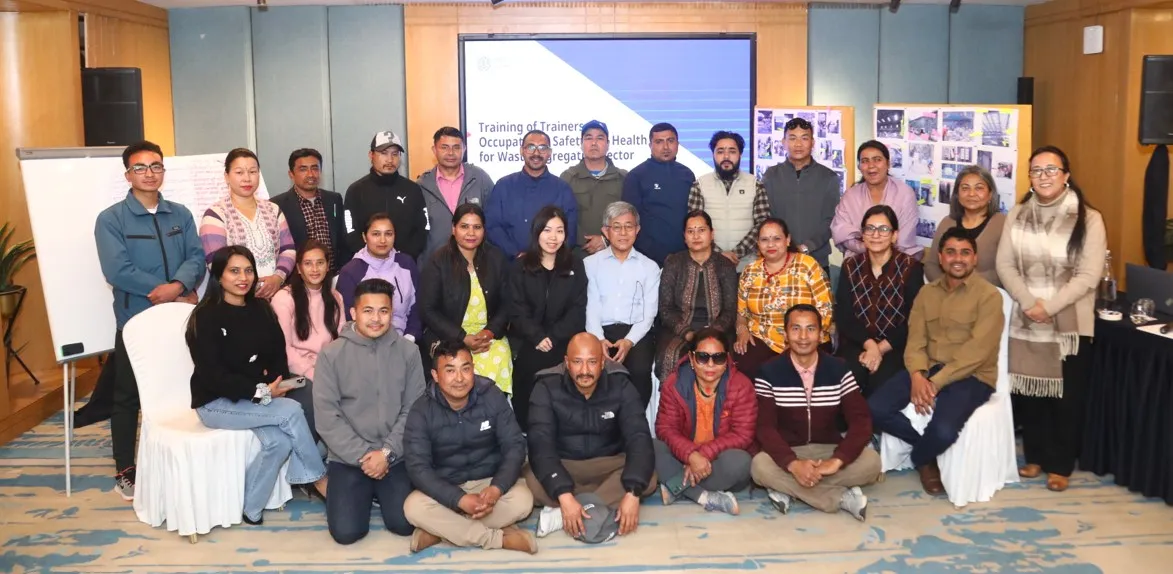
To improve the safety and health of waste segregators, ILO Nepal hosted a two-day Training of Trainers (TOT) workshop in Kathmandu, Nepal on 11-12 March 2025. The training was conducted with the ILO’s Work Adjustment for Recycling and Managing Waste manual to equip the managers and sectoral trade union representatives with practical knowledge and skills to improve the safety, health and efficiency in waste collection and management.
The training brought together 25 representatives from sectoral employer’s organization, the Solid Waste Management Association of Nepal (SWMAN), and two trade unions- All Nepal Federation of Trade Unions (ANTUF) and General Federation of Nepalese Trade Unions (GEFONT).
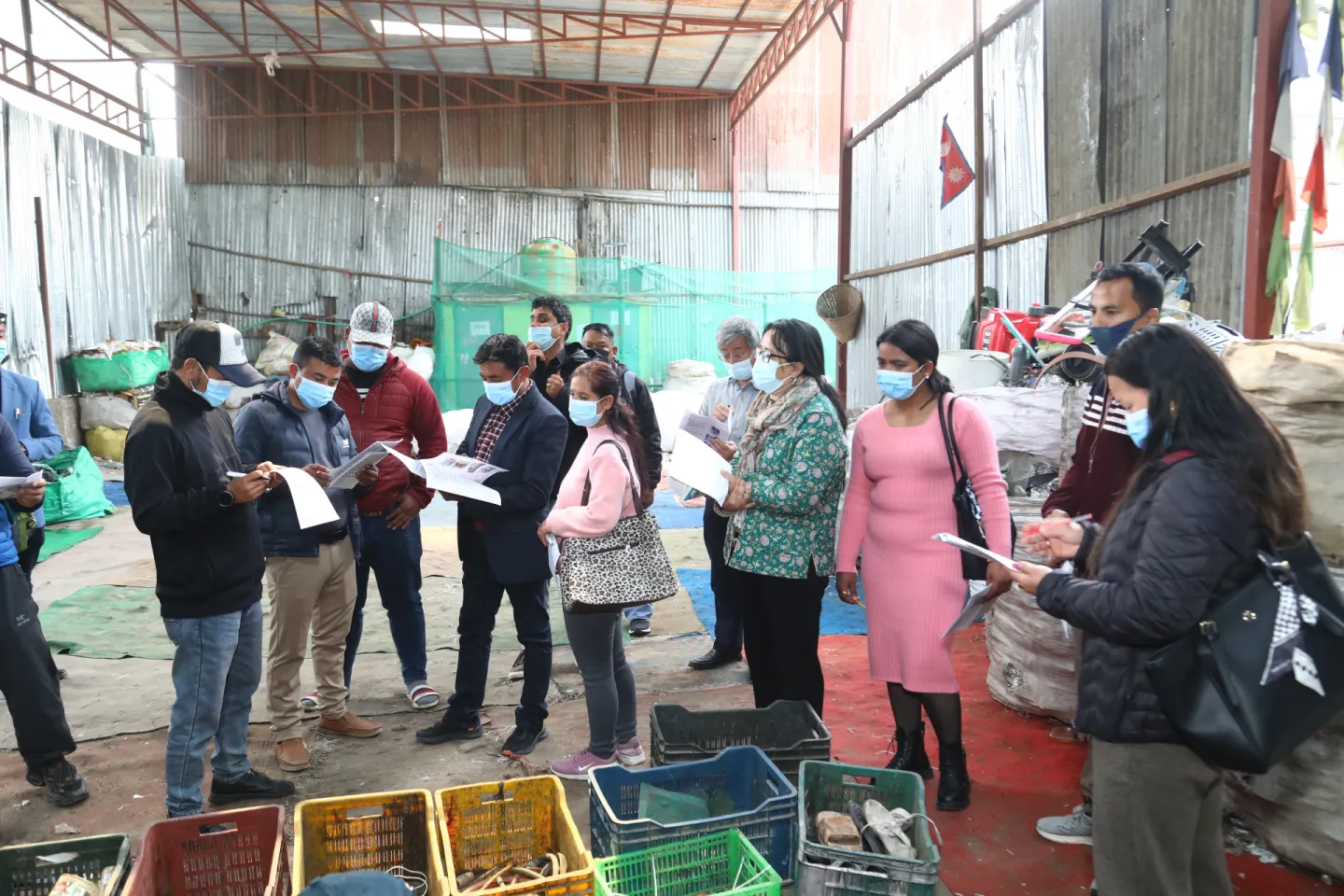
The interactive sessions featured case studies with illustrations, group discussions, a photo contest, and a site visit. On the first day, participants used an action checklist to assess waste segregation practices and facilities at the transfer site, developing proposals for improvement.
The second day followed with a presentation on the Standard Operating Procedure (SOP) to ensure safe and gender-sensitive working practices, as well as strategies for addressing gender issues. Participants also honed their presentation skills to become local trainers and developed action plans with simple, low-cost and practical measures to strengthen workplace safety and well-being of waste management workers.
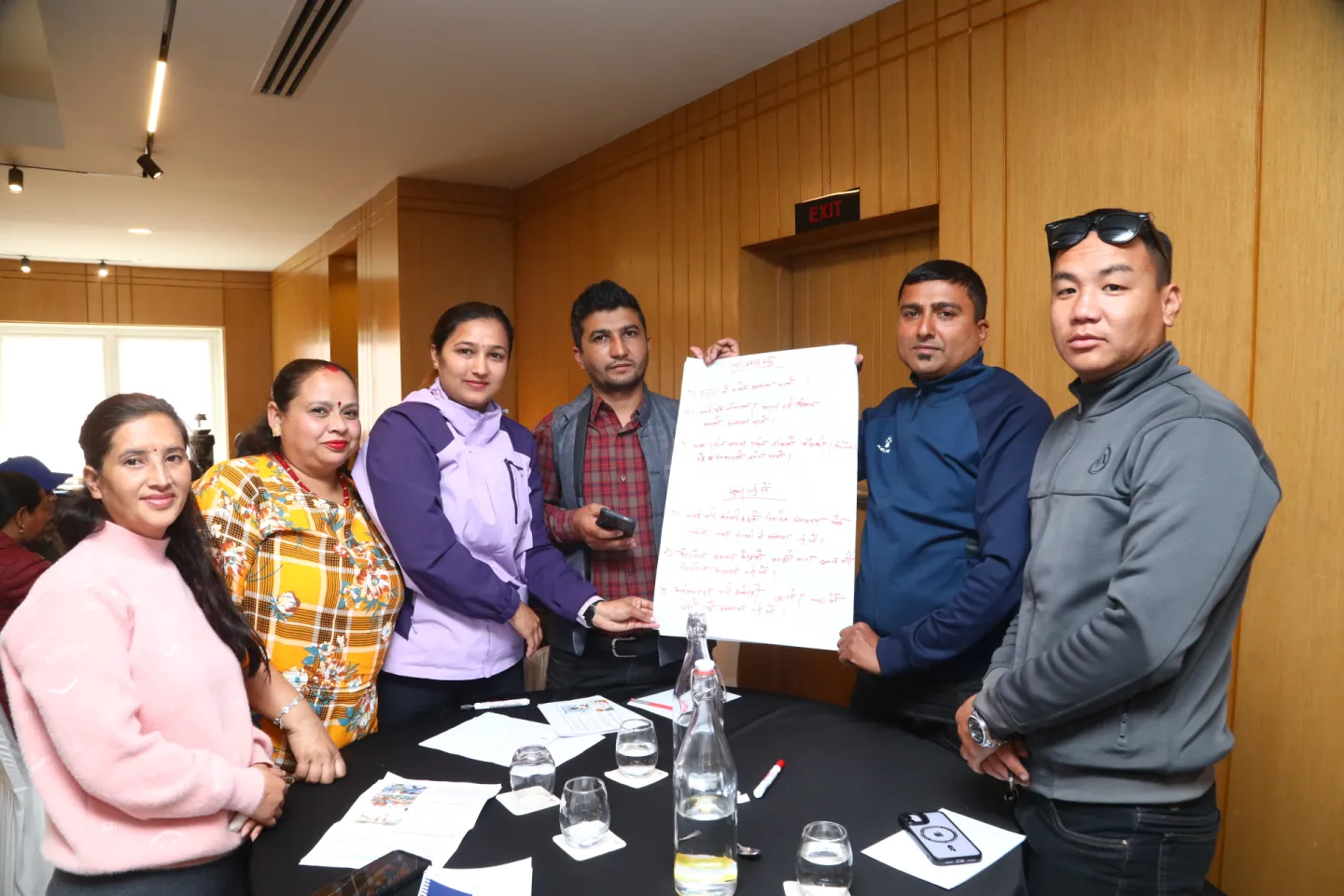
“This training showcased low-cost and innovative solutions to improve the safety and efficiency of our workplace. I am excited to bring back the lessons back to my company and implement them,” highlighted a participant from SWMAN.
The TOT is part of the ILO’s “Promoting Rights and Social Inclusion (PRS) Phase 2 project” which aims to improve the working conditions and rights of informal workers and economic units and support their transition to formality in India, Nepal and Pakistan. In Nepal, it collaborates with ANTUF, GEFONT, SWMAN and municipal authorities to improve the rights, health, safety and dignity of domestic and waste management workers.
For more information, please contact:
Heejin Ahn
Project Technical Officer and Coordinator
ILO Country Office for Nepal