


Y-NEET project
Empowering Youth NEETs in the Southern Mediterranean Region
This regional project aims to improve the situation of young people who are not in employment, education or training (NEETs) by making public policies, practices and services more effective and responsive to their needs across eight countries in the Southern Mediterranean region (Algeria, Egypt, Jordan, Lebanon, Libya, Morocco, the State of Palestine, and Tunisia).
Duration
1 January 2024 - 31 December 2026
Budget
€3 million
Development partner(s)
European Commission (DG NEAR)
Reference
GLO/23/11/EUR
Location
Algeria, Egypt, Jordan, Lebanon, Libya, Morocco, Occupied Palestinian Territory, and Tunisia.
Contact
Jean-Yves Barba, Programme Manager, [email protected]

Disclaimer: Although the project is funded by the European Union, this website and contents are the sole responsibility of the ILO and do not necessarily reflect the views of the European Union.
Quick facts
Over half of the population
in the Middle East and North Africa (MENA) region is under 24 years old.
A quarter of young people
in the labour force are unemployed.
Over 30 per cent
of young people aged 15–24 are not in employment, education or training (NEETs).
NEET rates for young women
are 10 to over 20 percentage points higher than for young men.
Project information
While countries in the Southern Mediterranean region have young NEET rates of up to 30%, with large gender gaps, policy priorities have progressed in recent years. Public employment services are gradually shifting their focus to include NEETs – such as discouraged youth, early school leavers, and young women with family responsibilities – alongside their traditional target groups of educated, unemployed youths.
This shift in strategy towards young NEETs needs to be accompanied by relevant legislation, policies and resources, as well as a shift in mindsets and a strengthening of capacities.
Main Components
The Y-NEET project’s long-term objective is to improve the situation of young NEETs in Southern Mediterranean countries by expanding employment and training opportunities for them, and making public policies and practices more effective and responsive to their needs. The project concentrates on three main outcome areas to achieve its objectives:
- improve knowledge and coordination;
- reinforce and/or develop innovative approaches to reach and support young NEETs;
- pilot adapted approaches in reaching out to and providing relevant employment services for youth NEETs; and
- build on existing policies and initiatives, and contribute to supporting their development, enhancement, coordination, integration and implementation.
For more information about the project, download the project brieffactsheet:
Regional- level actions
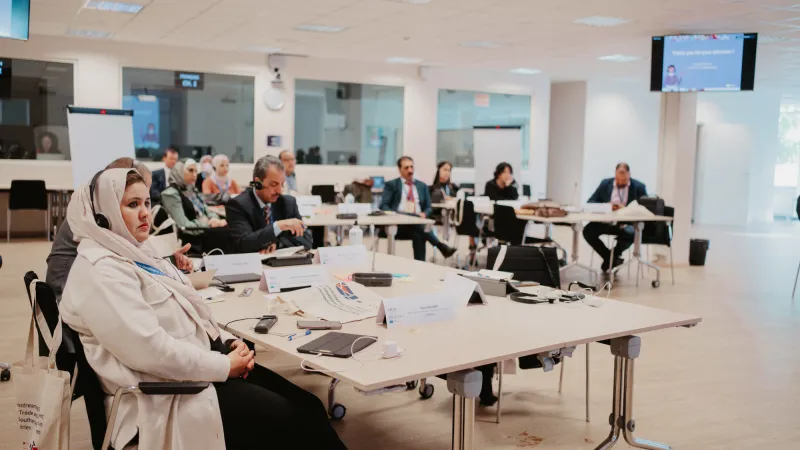
Capacity building
Regional technical trainings and regional knowledge-sharing workshops
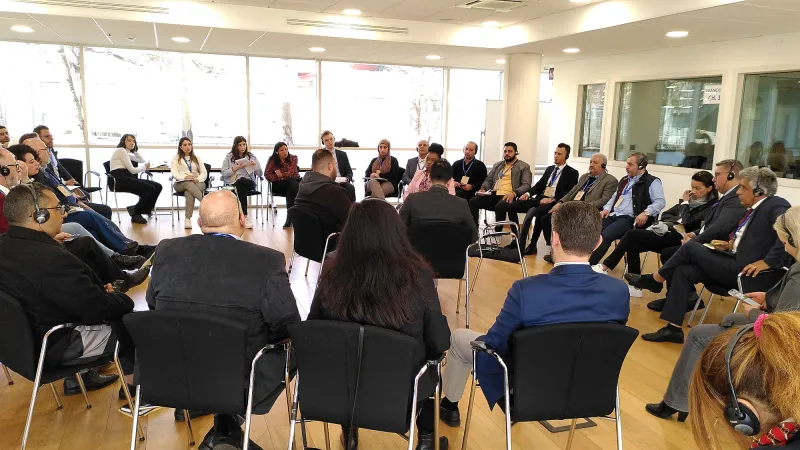
Visites d’apprentissage entre pairs
Means of Action
Under this project, the ILO supports public service providers and their partners to develop the awareness, knowledge and strategies needed to more effectively reach young NEETs by offering a package of tools and training delivered through a Technical Assistance Facility (TAF). The facility features:
- a demand-driven approach;
- a gender-sensitive approach; and
- a focus on green and digital economic pathways, as well as community jobs in rural regions as potential areas for future employment opportunities.
The TAF’s added value lies in its flexibility and tailored-made approach. This is crucial for a gradual adjustment to local contexts, while ensuring a shared direction for the region. The TAF offers a menu of tools, diagnostics, guidance material and training services (in collaboration with the ILO’s International Training Centre in Turin), adapted to partner-specific priorities
The project also includes a regional window to foster the exchange of best practices across the region, while drawing on global best practices in implementing Youth Guarantees and other youth-inclusion experiences in other middle-income countries.






News and stories
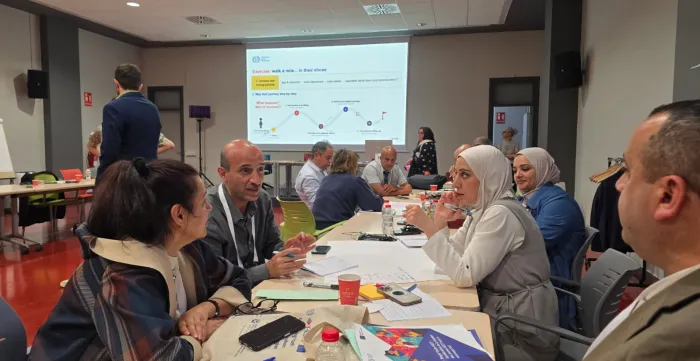
Y-NEET project
Southern Mediterranean countries explore new pathways for young people not in employment, education or training to reconnect with...
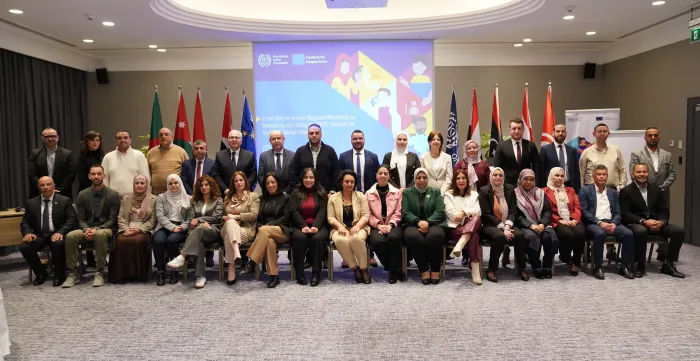
From data to action: Strengthening MENA youth employment policies through better evidence
ILO and EU strengthen regional momentum for Second Chance Schools