

Development cooperation project
Safety + Health for All Plantation Workers in South Asia
Duration
1 January 2021 - 31 December 2024
Development partner(s)
Japan
Reference
RAS/20/08/JPN
Location
India, Nepal, Sri Lanka
Background
Plantations play a critical role in many developing and emerging economies with large rural sectors. Plantations crops and in particular tea, coconut, rubber and cardamom are important agriculture subsectors in South Asia. India is the second largest tea producer in the world, Sri Lanka is the fourth and Nepal is the 21st producer.
Occupational safety and health (OSH) is a major area of concern for the actors in the plantations sector, in particular chemical and biological hazards resulting from the use of agro-chemicals with little or inadequate protection and scarce access to proper water and sanitation. These conditions have contributed to a lack of investment in workers’ living and working conditions, leading to serious social issues and negative health and safety impacts on workers and their family.
Objective
In line with the recommendations and suggestions provided by the constituents, under the global ILO’s flagship programme Safety + Health for All, a sub-regional project was launched targeting Plantation Workers in South Asia. This project, funded by the Japanese government, aims at improving OSH conditions of the workers in the plantation sector in south Asia covering India, Sri Lanka, and Nepal.
The ILO project focused on three objectives:
- Generate and share knowledge on constraints and opportunities to improve the safety and health of workers and prevention discrimination in the plantation sector in South Asia;
- Strengthen national and local institutions to better promote and protect the safety and health of plantation workers in India, Nepal and Sri Lanka;
- Develop or strengthen workplace and industry level practices and initiatives to promote the safety and health of workers, in the plantation sector in India, Nepal and Sri Lanka
The levels of intervention spanned across enterprises or workplaces to sector-wide to national and sub-regional institutions, mechanisms and processes. Interventions took place in both the formalised estates and more informalized smallholdings in agricultural sector, mainly plantation of tea, cardamom, rubber and coconut.
Stakeholders and beneficiaries
The project targeted tripartite constituents (Ministries of Labour, Employers and Workers Organizations) as well as other key partners in the three target countries.
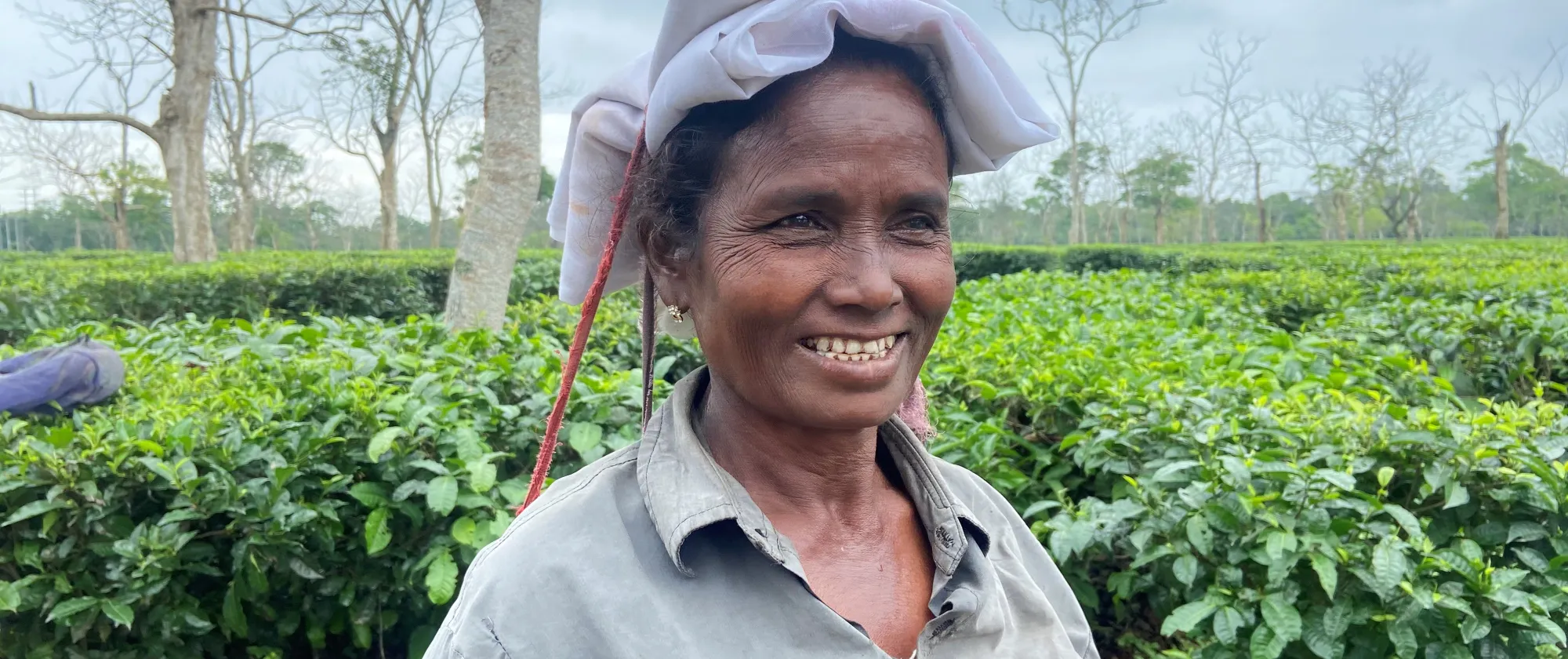
The project reached out to workers (women and men) in the selected plantation sectors in the three countries. These workers were from the large estates, as well as workers engaged in small holdings and informal enterprises in the lower tiers of the supply chains.
Special focus was on women workers, as they represent a significant proportion of the workforce in the plantation sectors in South Asia. They face multiple challenges and discriminations in plantations and processing factories. Such discrimination can entail lower wages, lack of access to jobs, lack of access to social dialogue platforms and ill-treatment in business transactions. Women also have the burden of caring out unpaid care work at home. Last but not least, women are particularly vulnerable to poor health care facilities and related maternal health issues.
Related content
Major accomplishments
Safety and Health for All Plantation Workers in South Asia

Compendium of good practices from India, Nepal and Sri Lanka
Building a safe and healthy working environment in South Asian plantations