

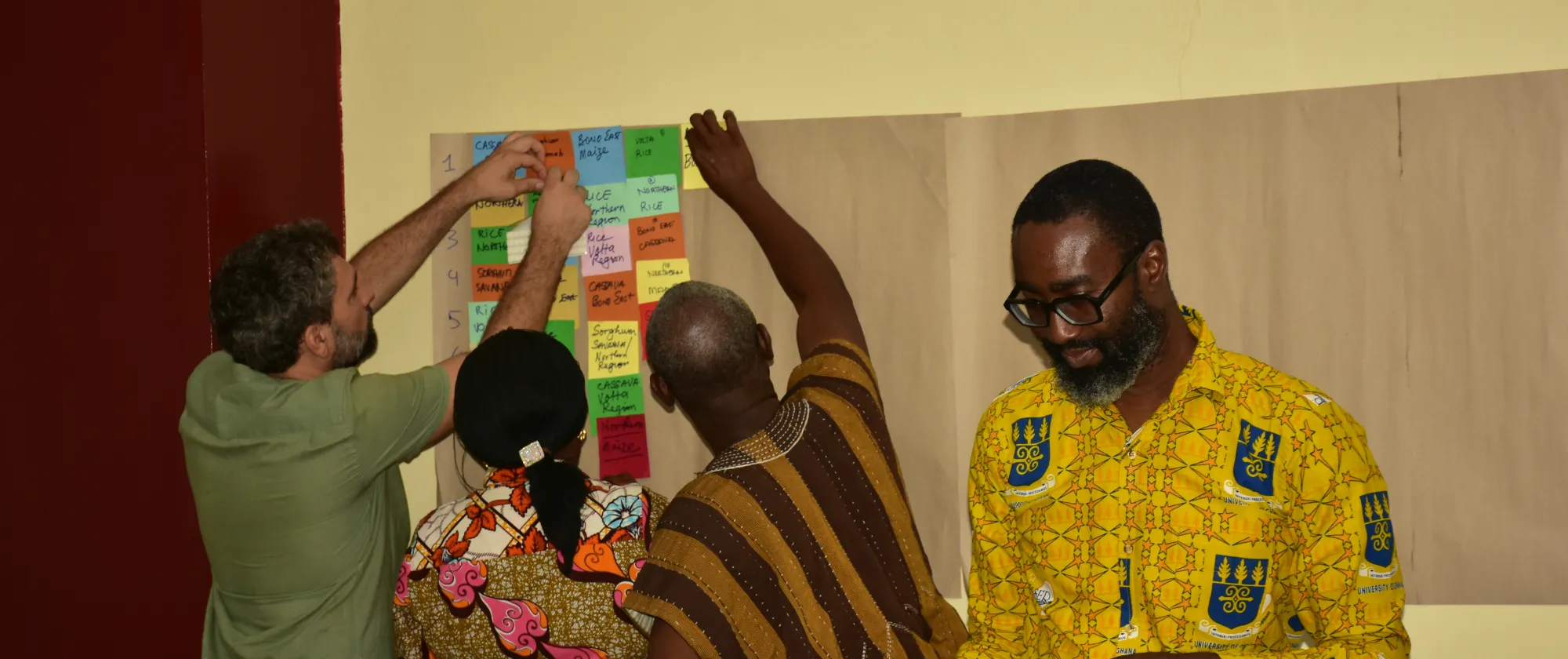
JobAgri Workshop
National stakeholders convene in Accra to propel JobAgri Ghana forward
Accra, May 22, 2024 – In a significant step towards enhancing decent employment in and through Ghana’s agricultural sector, national stakeholders gathered in Accra to chalk out the implementation methodology of the JobAgri project. The joint initiative spearheaded by the African Union Commission, Food and Agriculture Organization of the United Nations (FAO), Centre de Cooperation Internationale en Recherche Agronomique pour le Development (Cirad), and the ILO aims to bridge the knowledge gap on the decent work content of agricultural and agri-food sector development models through innovative data and integrating employment and agricultural policy paradigms through dialogues.
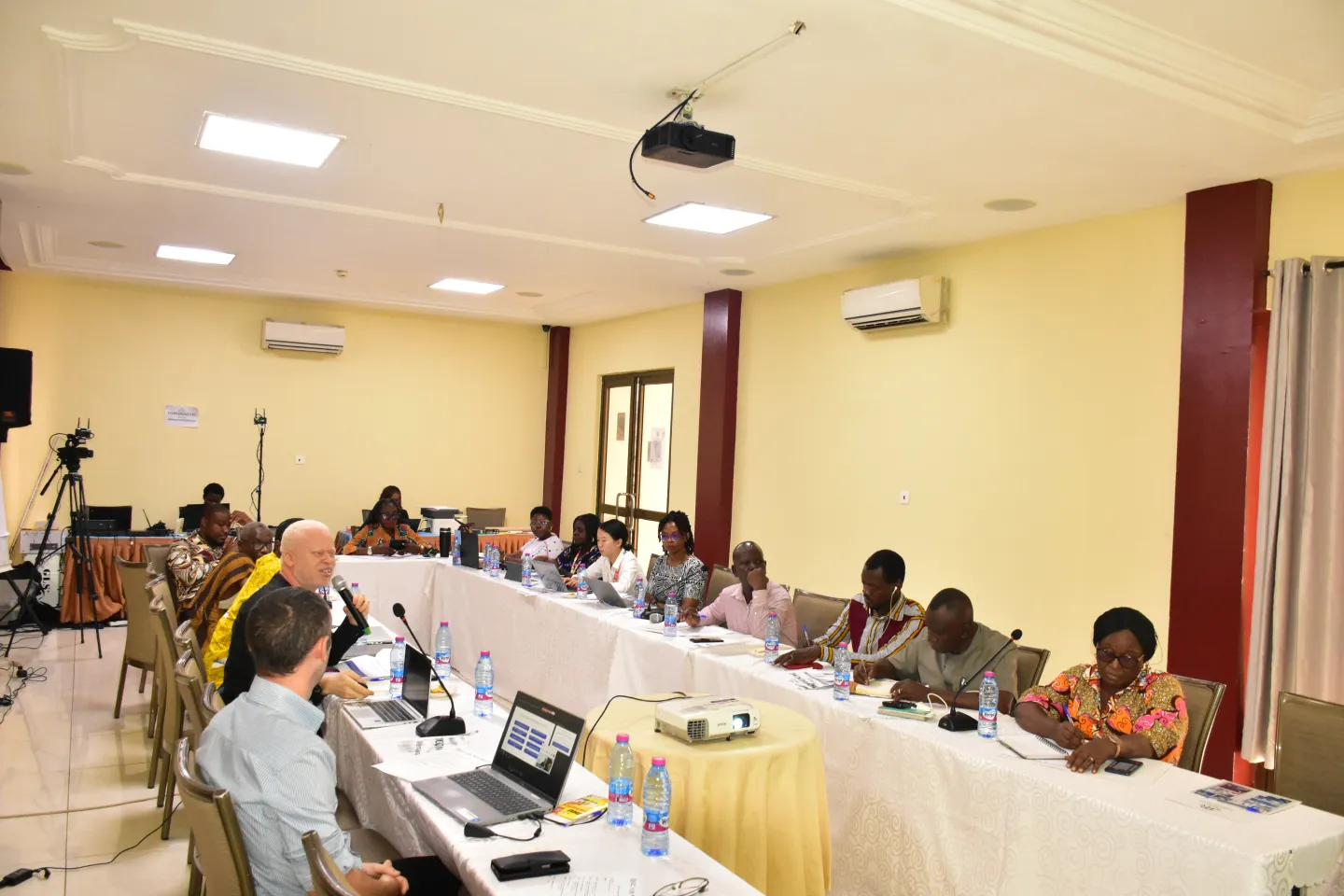
The national stakeholders included the Ministry of Employment, and Labour Relations (MELR), Ministry of Food and Agriculture (MoFA), Ghana Institute of Statistical, Social and Economic Research (ISSER), Ghana Trades Union Congress (TUC), Ghana Employers' Association (GEA), Ghana Statistical Services (GSS), Peasant Farmers Association of Ghana (PFAG), and the Farmers Organization Network in Ghana (FONG).
Addressing Employment Challenges in Ghana’s Agricultural Sector
Ghana, like many African nations, relies heavily on its agriculture and agribusiness sectors for job creation and economic growth. Despite significant economic progress over the past two decades, this growth has not been mirrored by a corresponding increase in employment. Structural changes have been slow, and agriculture remains a cornerstone of job and wealth creation in the country. With Ghana’s labour force projected to grow by 10.2 million people over the next 20 years, addressing employment in agriculture is more crucial than ever.
Bridging Policy Gaps
Employment is a national priority in Ghana, as evidenced by initiatives like the “Planting for Food and Jobs” program launched by the Ministry of Food and Agriculture (MoFA) in 2017. However, employment and agriculture policies often operate in isolation, leading to a lack of comprehensive knowledge about the agricultural production chain and value chain. This gap makes it challenging to identify development options that generate quality jobs. JobAgri aims to fill this void by producing new data on the employment content of various agricultural development models, involving national actors at every stage.
Collaborative Efforts and Future Plans
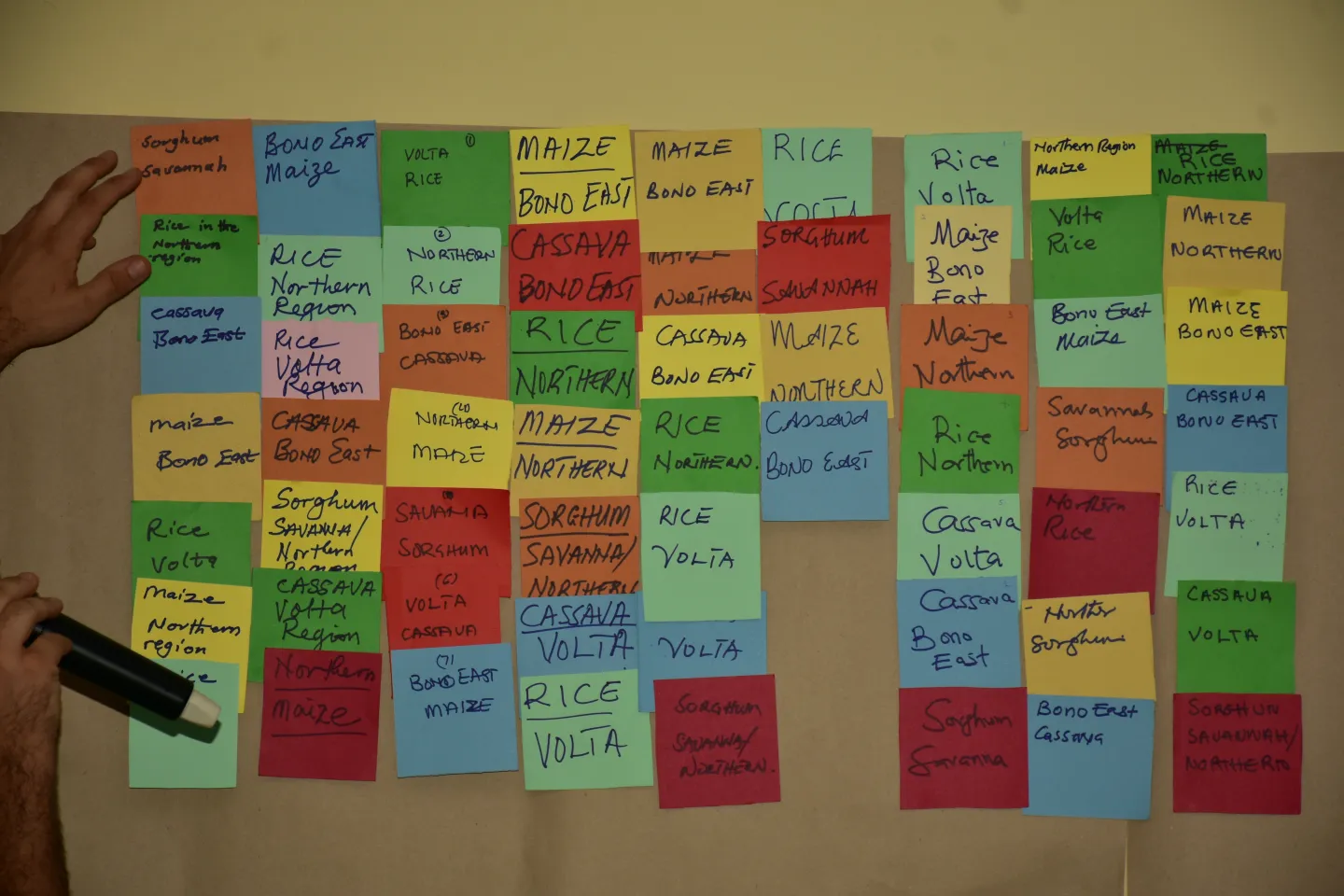
The technical workshop marked the beginning of the knowledge production process. Participants discussed the conceptual and methodological approaches and identified key employment issues in the agricultural sector. They emphasized the importance of job quantity, working conditions, and occupational health and safety (OSH). An initial ranking of regions and products for the project’s focus was also established.
In the coming weeks, the JobAgri team will conduct a comprehensive survey involving 1,000 farms, 300 downstream actors, and 600 workers. This survey aims to document both the quantitative and qualitative aspects of work across different scales of production and marketing activities.
The JobAgri project represents a collaborative effort to enhance the agricultural sector’s capacity to provide productive, decent jobs in Ghana. By addressing the knowledge gap and involving national stakeholders, the project aims to contribute significantly to policy dialogue and the development of sustainable employment solutions in agriculture.
Stay tuned for more updates on the progress of the JobAgri project and its impact on Ghana’s agricultural employment landscape.
Relevant projects
Project
JobAgri Ghana: Shaping better policies based on innovative data in agri-food sector
Project
JobAgri: Better employment and agricultural policies in Africa