

ILO Voices | Rights at work
A voice for women cotton workers in Pakistan
Former child labourer Hafeeza Mai leads a trade union in Pakistan, empowering women in the cotton sector to claim their rights, demand equal pay and protect their children from child labour.
6 March 2026
My name is Hafeeza Mai. I am 45 years old and I’m from Basti Pinjran in Punjab, Pakistan.
When I was a child, I wanted to go to school, but instead my parents sent me to pick cotton. I was so young. My sisters and I worked, while our brothers were sent to school.
We worked all day as a family and earned only 150 rupees (US$0.55) for a maund of cotton (40 kg). I was bitten by insects and suffered many injuries while working in the fields – more than I can even describe. Once, I was badly injured near an electricity pole in the field.
When I was 14, my parents decided it was time for me to marry.
I refused, but they insisted. I told them, ‘You never educated me, never guided me, and never prepared me for life.’ My mother said, ‘Don’t refuse. This is our tradition.’
I cried because I did not understand what marriage even meant. I thought marriage was simply sitting together, like siblings do.
When my husband came close to me on the first night of our marriage, I fell ill with fear. The fever lasted day and night, and my health collapsed.
Later, my husband understood what had happened and regretted it, realizing how young and innocent I had been.
Marriage and labour crush a childhood.
Hafeeza Mai, President, United Agriculture Workers Union
Marriage and labour crush a childhood. All I had ever wanted was an education and freedom from cotton picking. The dreams denied to me, I tried to fulfil through my four children. That is why I sent them to school.
Then my husband fell ill, remaining bedridden for 16 years until he passed away. I was still very young at the time. All my children were forced to leave school and work in the cotton fields.
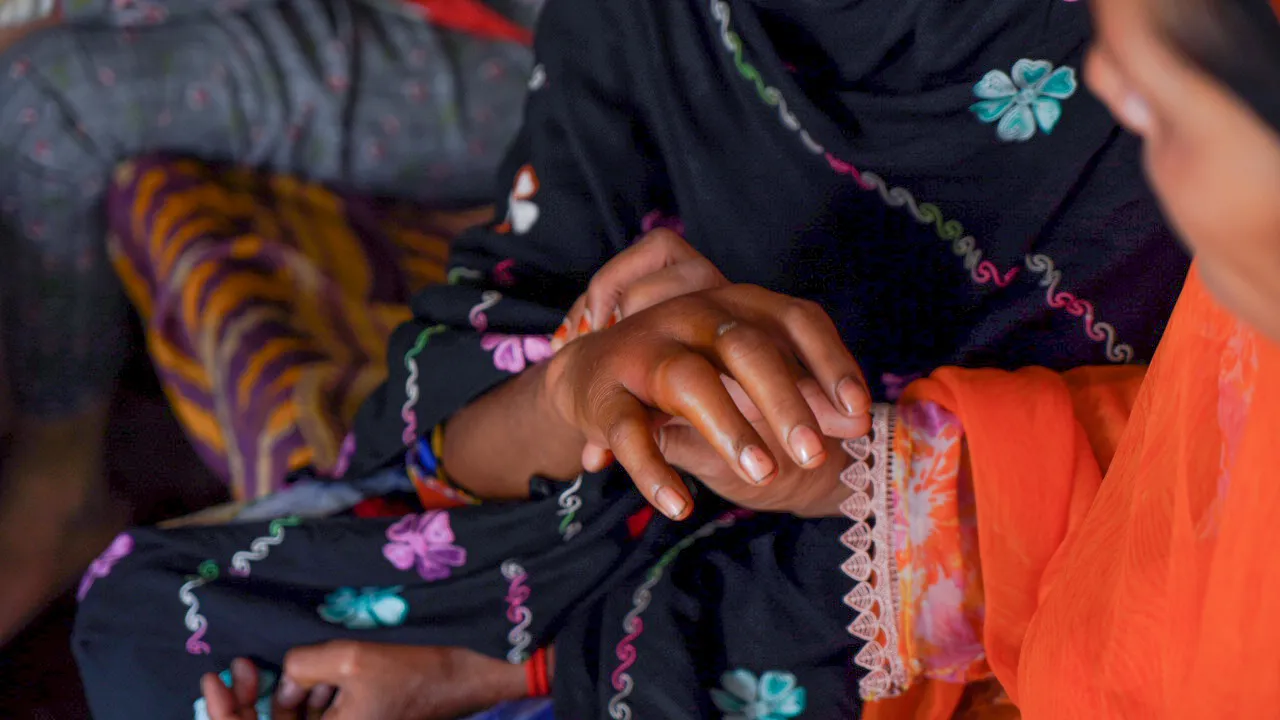
During that time, the International Labour Organization came to our area. They supported cotton pickers like me, making it possible for our children to go to school.
I made sure my children studied to the end of secondary school. The ILO provided books, uniforms, bags and learning materials. Even shoes were provided.
Together, the women cotton pickers formed a union, and for the first time, I felt real hope.
Hafeeza Mai, President, United Agriculture Workers Union
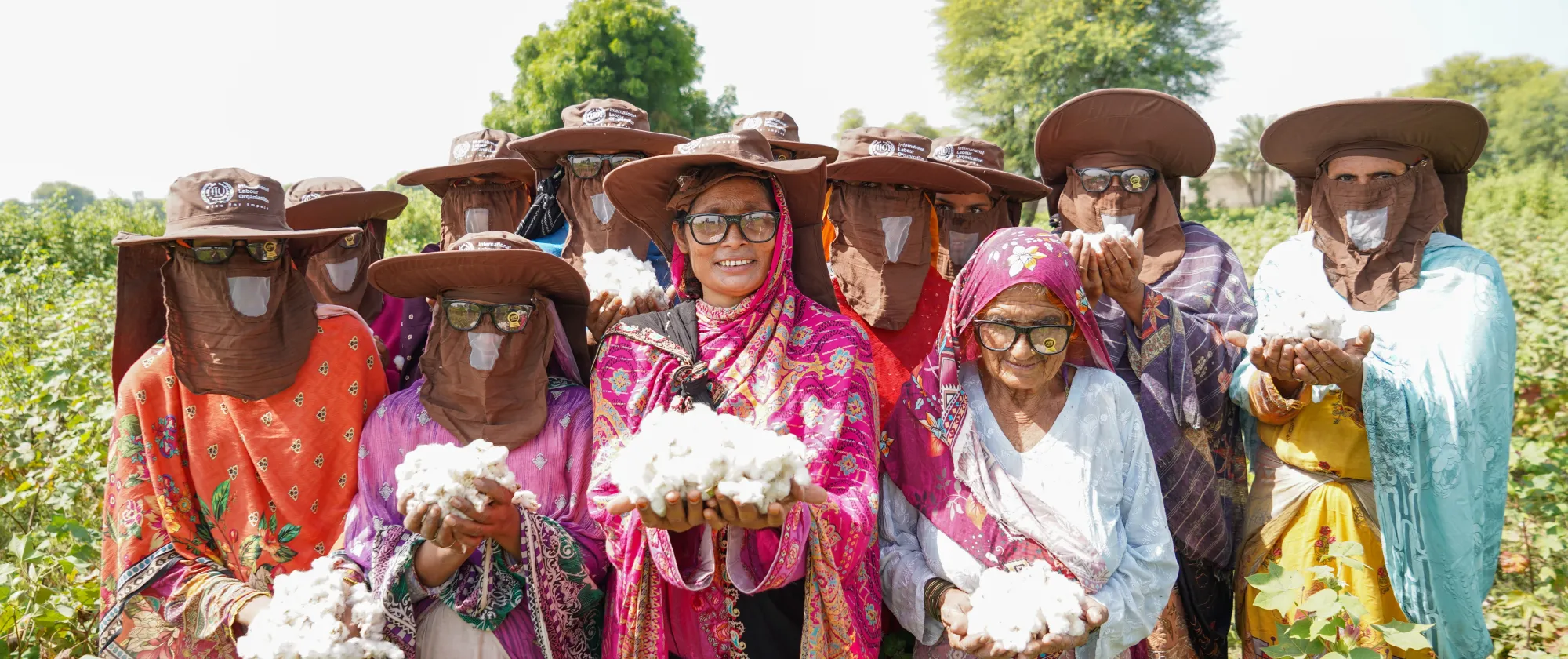
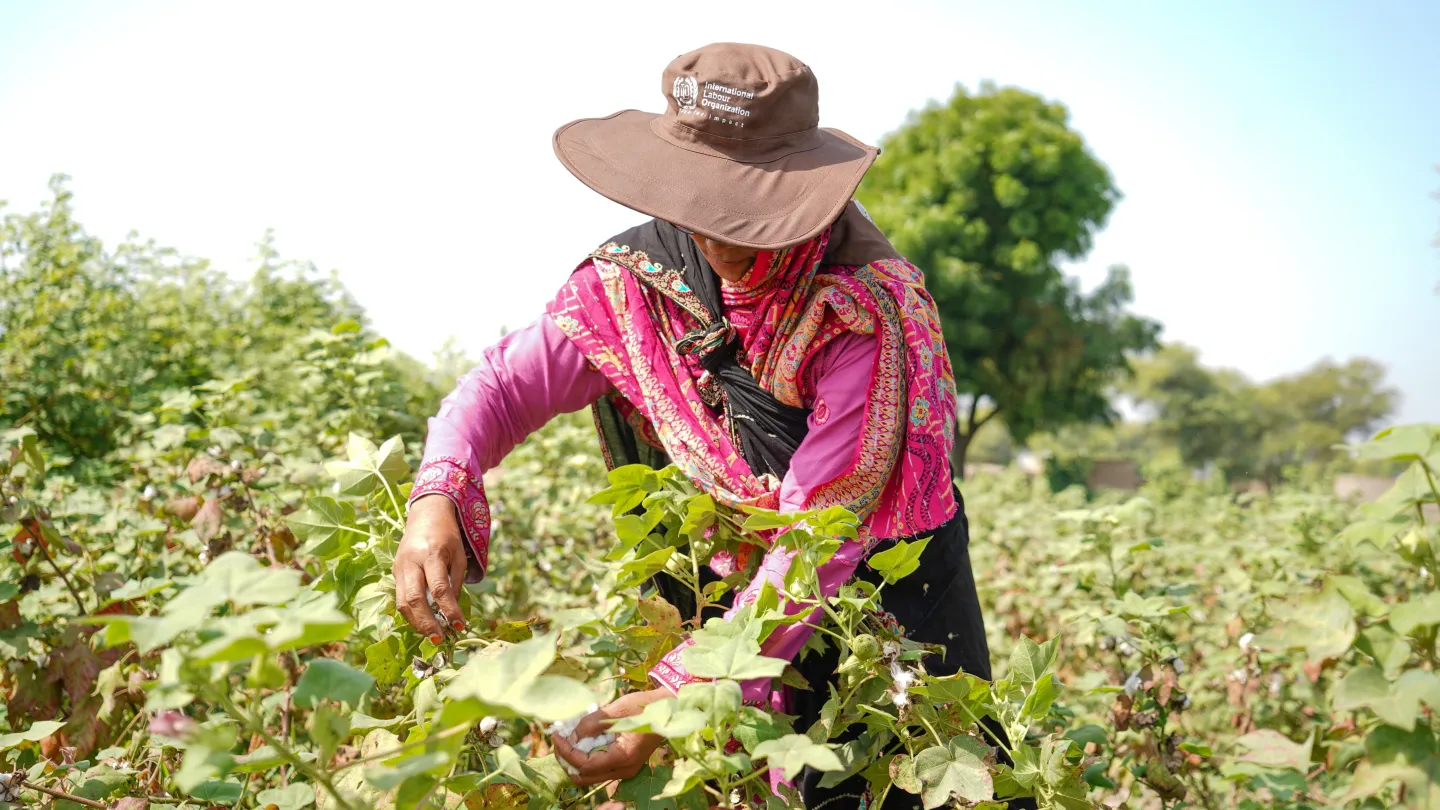
Most workers in the cotton sector are women. It’s exhausting work, poorly paid and in the past our wages were often delayed for months.
In those days, we did not have proper clothing for working in the cotton fields. After long hours of working, our hands would itch, our eyes would burn, and our fingers would sometimes bleed. We often felt dizzy.
We thought the fertilizers were made of white sugar. We did not understand how harmful the sprays were. Children would mistake the spray bottles for water and become ill.
Awareness came only after we connected with the ILO. We learned basic safety measures and our rights. We learned that these chemical sprays damage skin and cause lasting harm. Spraying became more regulated and safer.
Through ILO trainings we also learned to organize and realised that one person alone cannot bring change.
Together, the women cotton pickers formed a union, and for the first time, I felt real hope. Through the union, we bring women together and talk about the problems faced by cotton pickers.
I am now the President of the union, and I know that when we stand together, we can resolve our problems.
I go door to door and tell women how cotton picking affects our health and the many difficulties we face while doing this work. I encourage them to send their children to school and to stand up for their rights.
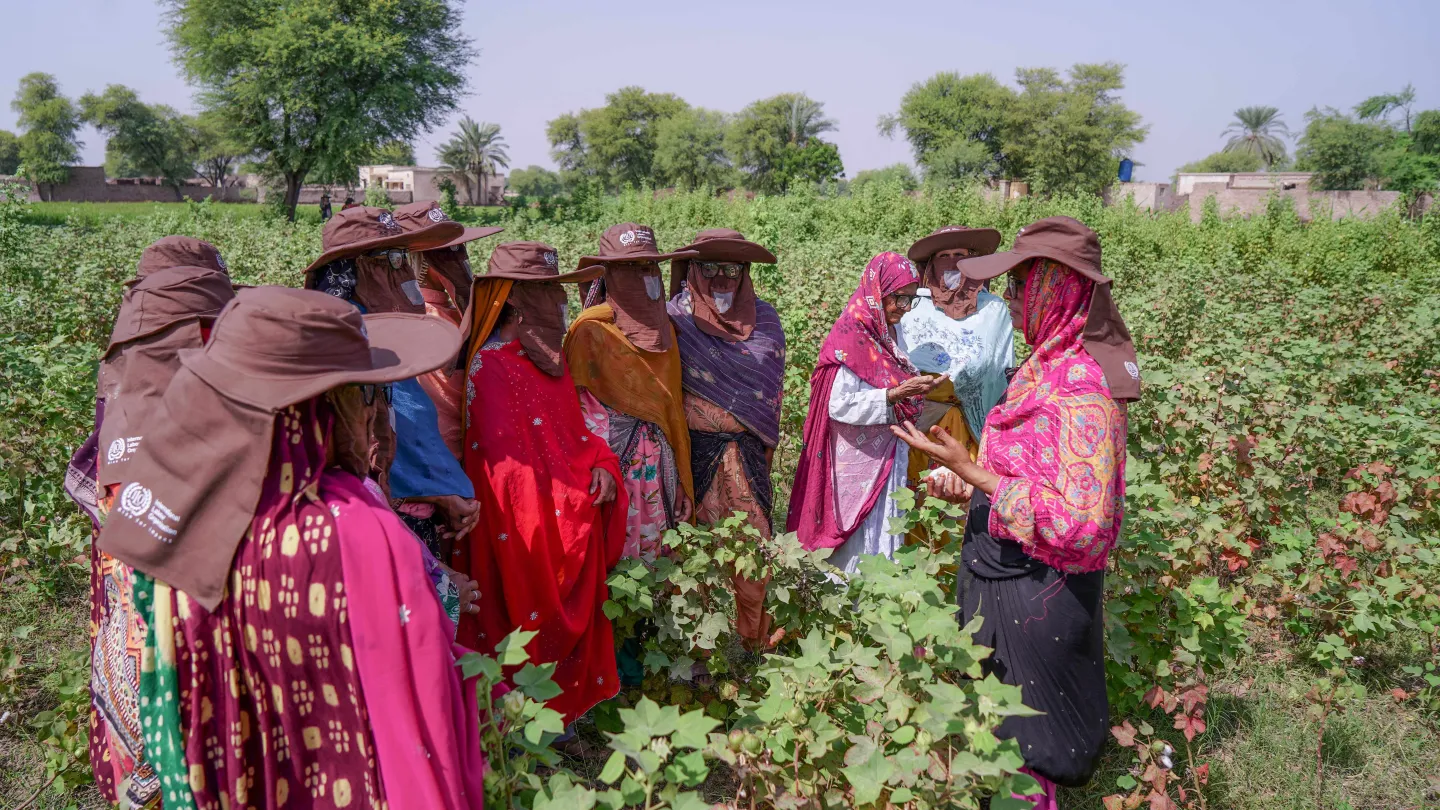
I speak to women who have kept silent for years. We talk openly about violence – from landlords, relatives, and even husbands.
Before the union, our lives were filled with fear. Landlords would threaten us, sometimes bringing guns and knives, and we could not tell anyone or do anything about it.
There is also a lot of discrimination between men and women’s work. Men would earn about 1,000 rupees (US$ 3.58) as daily wages working on cotton cultivation, but women earned only 350 rupees (US$1.25) based on the amount of cotton they picked working the whole day. We believe equal work should receive equal pay.
The union helps us in many ways and protects us, especially when wages are denied. Now women go together to the landlord when our rights are not respected.
Abuse and disorder in the fields have declined, and women now have access to basic facilities, such as washrooms. Our working conditions are safer than before.
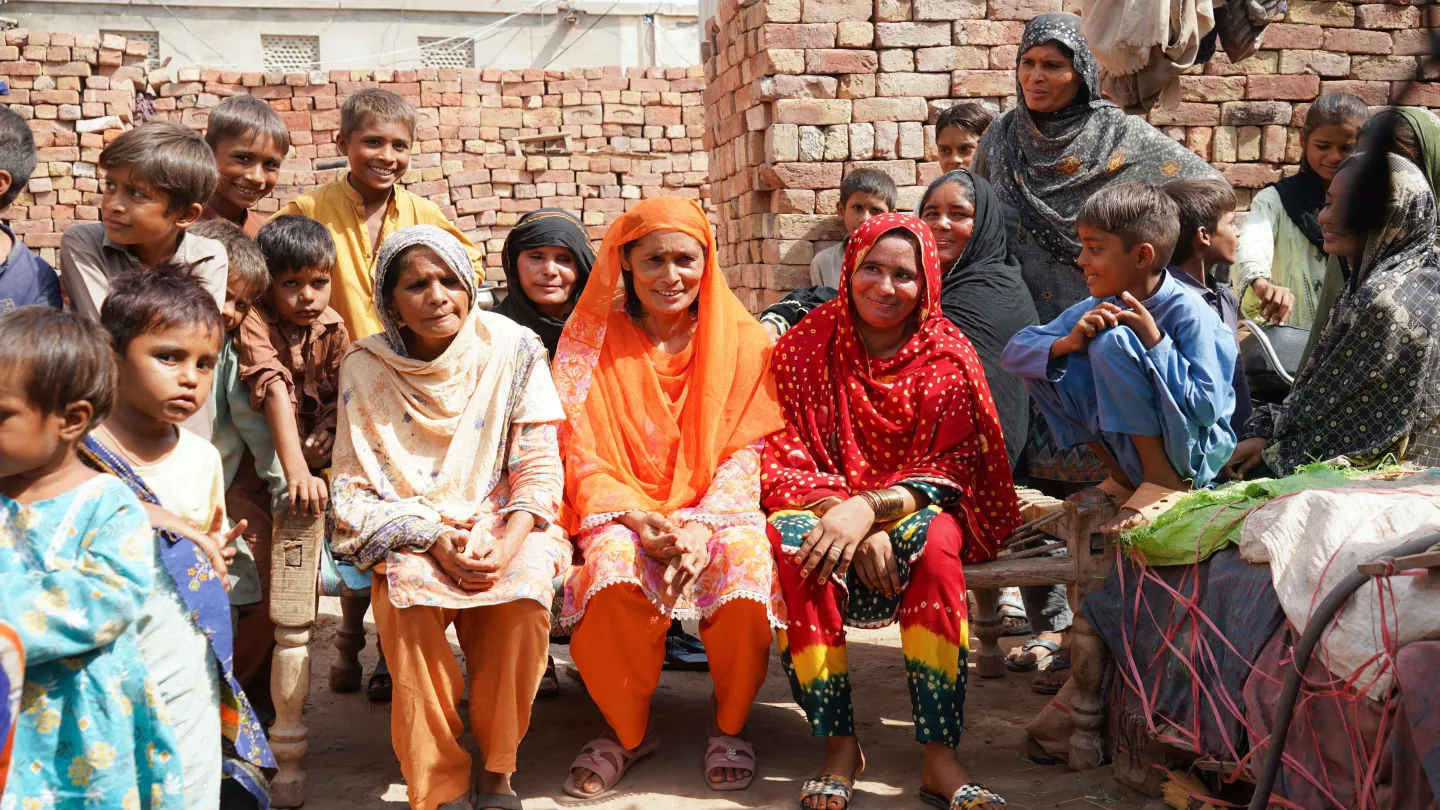
For most of my life, I did not have the courage to raise my voice. Now as head of a trade union it makes me very happy to know that around 1,200 women stand with me.
My message to them is simple: know your rights and speak up for them. Educate your children so that the injustices we faced at a young age do not happen to them.
Fast facts
- Hafeeza Mai is a beneficiary of the ILO project ‘RISE for Impact: Fundamental Principles and Rights at Work in the Cotton Supply Chain – A New Phase, A New Vision’.
- The project operates in Pakistan, India and Uzbekistan, and is funded by INDITEX.
- Pakistan is the world’s fifth largest cotton producer, and its crops feed global textile supply chains – making decent work in the sector critical for workers and international markets alike.
- The project promotes decent work by implementing an integrated approach to all five fundamental principles and rights at work in Pakistan's cotton supply chain.
- These include freedom of association and the effective recognition of the right to collective bargaining, elimination of all forms of forced or compulsory labour, effective abolition of child labour, elimination of discrimination in respect of employment and occupation, and a safe and healthy working environment.
- It is mainly women who harvest cotton in Pakistan. Through collective action supported by the ILO RISE for Impact project, women cotton workers have formed and joined unions, strengthened safety practices, addressed wage and gender discrimination, prevented child labour and increased school enrolment for children.
- March 8, 2026, marks International Women’s Day, with a focus on ‘Rights. Justice. Action. For ALL Women and Girls’.
Find out more
Related content
ILO Voices
Relevant projects
Informality
RISE for Impact: Fundamental Principles and Rights at Work in the Cotton Supply Chain – A New Phase, A New Vision (PAKISTAN)