

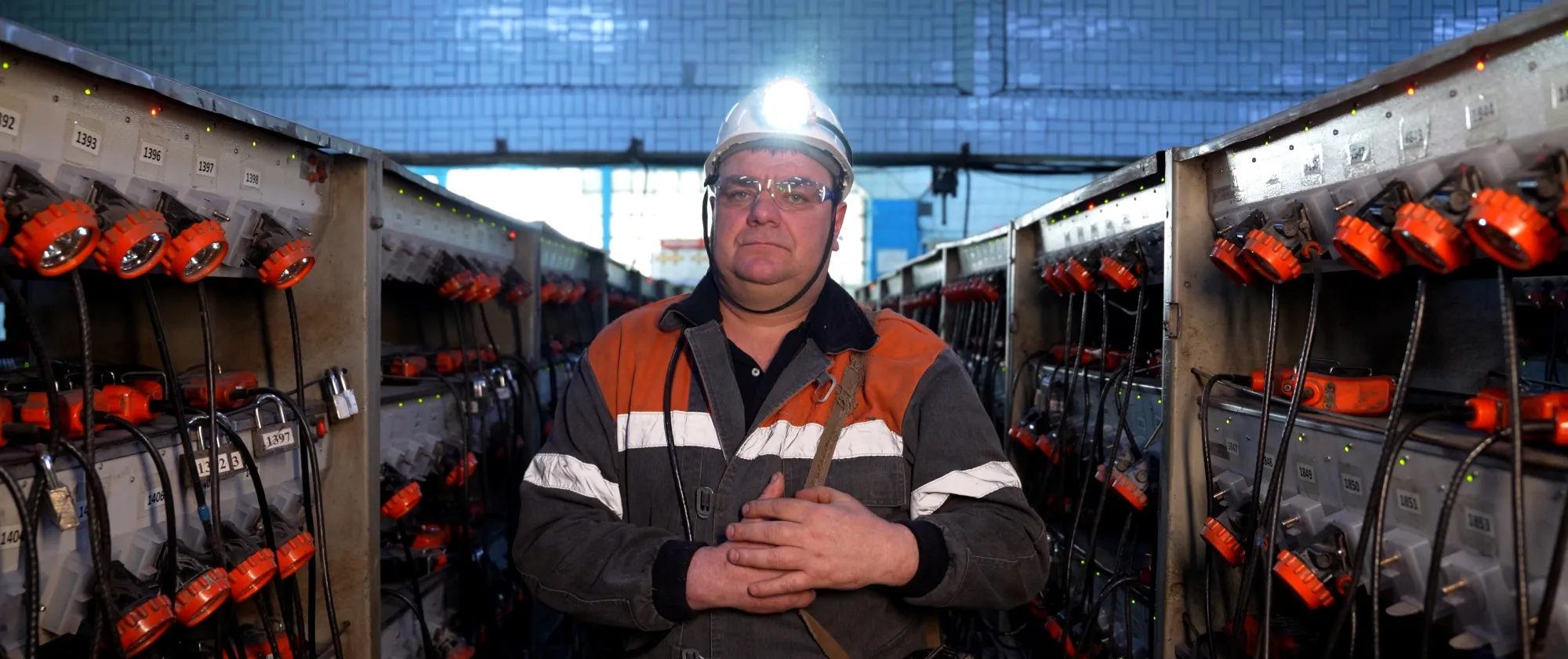
ILO Voices | Occupational safety and health
A mine doesn’t forgive mistakes
After 19 years as a miner, Ivan Katolik knows how important it is to put safety and health first. ILO training is strengthening his role in promoting workers’ voices and safer mining in Kazakhstan.
28 August 2026
I think everyone remembers their first descent into a mine.
You could tell how I felt just looking at me – my mouth was wide open and my head was spinning 360 degrees. It wasn't exactly fear, but a sense of danger was definitely present – a constant feeling of being on alert.
As we descended, I felt the pressure change and my ears pop. The roadway, the tunnels, the water running through drainage ditches, the tracks, the arch supports – everything was new to me.
I’d heard so many miners’ stories, about someone getting buried, someone getting crushed. I was trying to process everything and wondered “what if this happens to me”?
My mentor said, “Keep your eyes open, because anything can happen at any moment. A rockfall, or some kind of cave-in. No one is immune to it, because ground pressure is a very serious matter. Look where you’re going before you take a step.”

Nineteen years later, I’m a brigadier in the section that maintains and repairs the mine roadways. Due to geological conditions, these tunnels can get crushed. Nothing can pass through. We clear the rubble, re-support the walls and restore it to its original shape.
It’s incredibly demanding work. Our shift lasts six hours. Sometimes you’re working in tight places, and you can’t stand up straight.
Every single job or role in a mine is dangerous. On the conveyors, the rollers rotate and they can catch your arm and pull you in. We also have drilling rigs, which use rotating machinery. Coal dust is incredibly dangerous as it’s highly explosive. We also have to monitor the air quality for increases in gas levels. Every risk you can think of is there in the mine.
A mine doesn't forgive mistakes. Not at all. It never forgives a single one.
Ivan Katolik, miner and technical safety inspector
There’s also the phenomenon where your self-preservation gets dulled.
You become so confident, such an expert in your trade, that you start working on autopilot, almost half-asleep, without really paying attention or taking a second to stop and think.
It’s one of the biggest problems for skilled specialists with a lot of tenure doing the same routine. But a mine doesn't forgive mistakes. Not at all. It never forgives a single one.
It’s exactly because of that I’ve-done-this-a-thousand-times attitude that things can go wrong – and then the thousand-and-first time arrives.
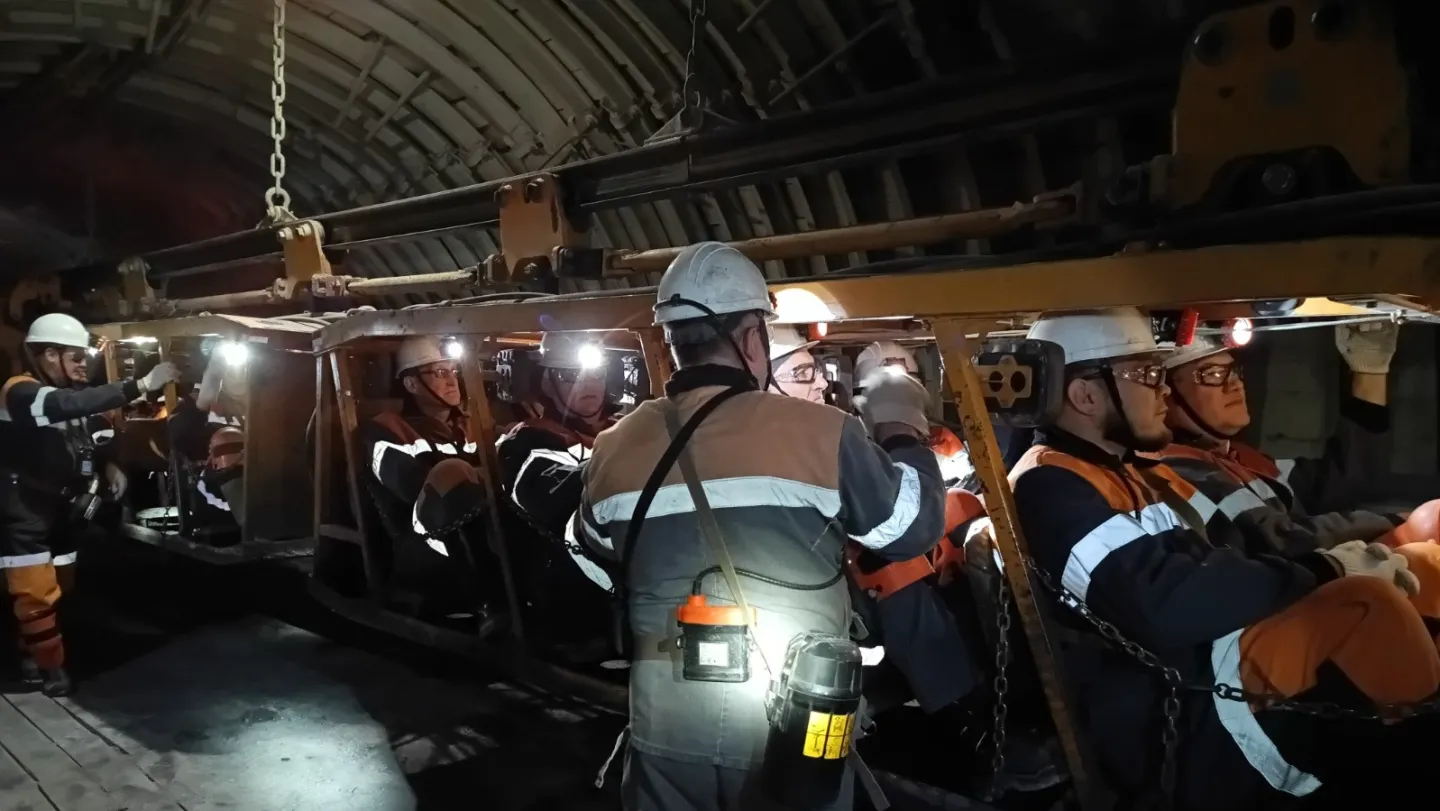
When you join the team, you’re assigned a senior colleague as a mentor. This is the person who shapes your entire mindset on safety. I had a good mentor. He gave me a lot of pointers about the job.
In turn, I’ve had students and interns of my own. I tried to pass on to them what my seniors passed on to me, along with what I’ve learned myself.
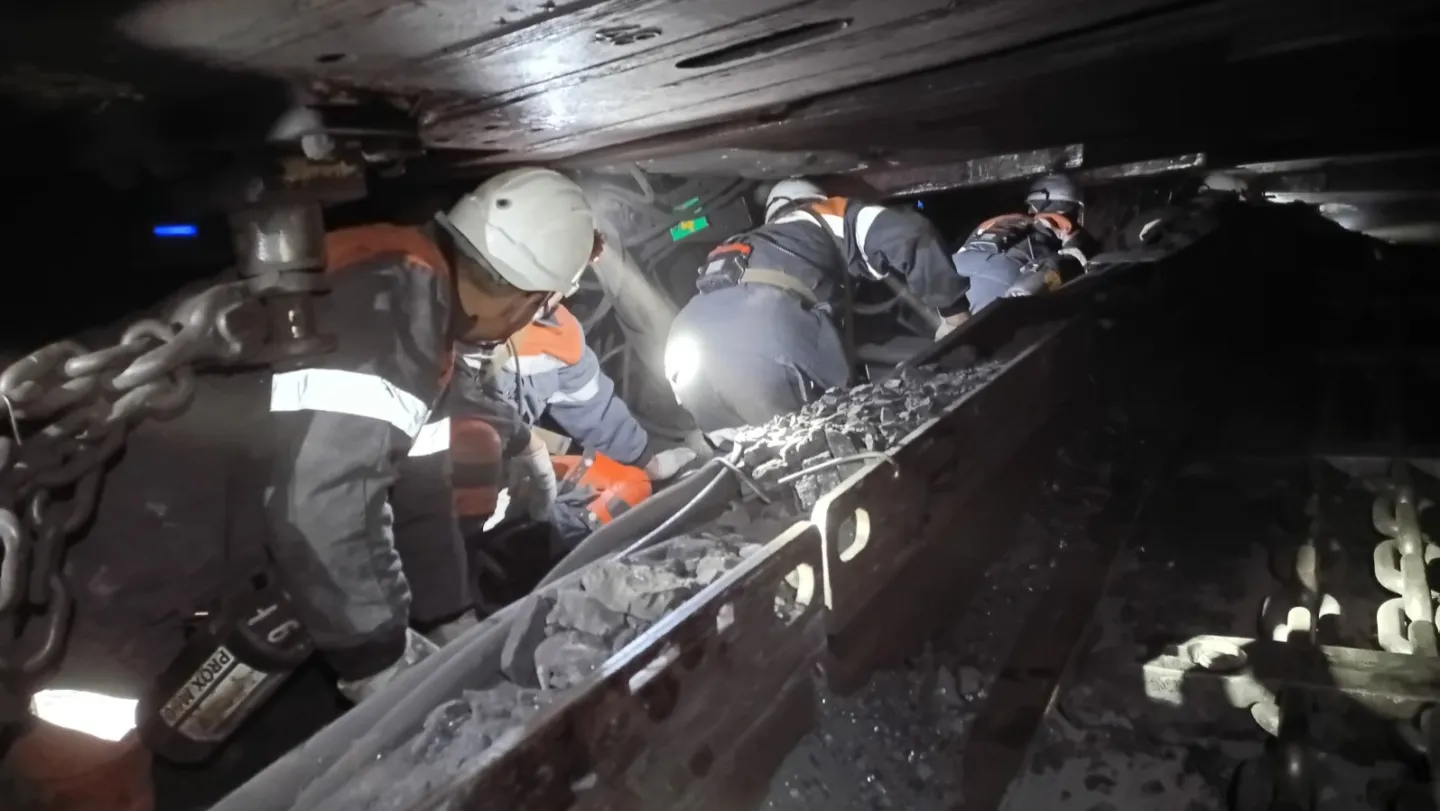
For the past three years I’ve also been a trade union technical safety inspector at the mine. There are two of us: myself and my colleague, Ivan Pryazhnikov.
When we get to the working face, we meet with the tunnelling crew, the brigadier, and the workers. You talk with them – ask how things are, how’s the equipment, what’s the morale like? What are they missing? Are there enough people?
The Health and Safety Department also has their inspectors. We’re not competing – we’re complementing one another. And that works really well when it comes to safety.
Sometimes someone just misses something or walks right past it. We – or the Health and Safety Department – simply point out that oversight. That check is vital for occupational safety and health. Because you never know – a tiny, seemingly insignificant problem can lead to a catastrophe. And the work we do is meant to prevent that disaster from ever happening.
I don't know how it is at other companies, but here, it works. And I believe that’s exactly how it should be. Anyone here can raise an issue. It’s not frowned upon – in fact, it’s encouraged.
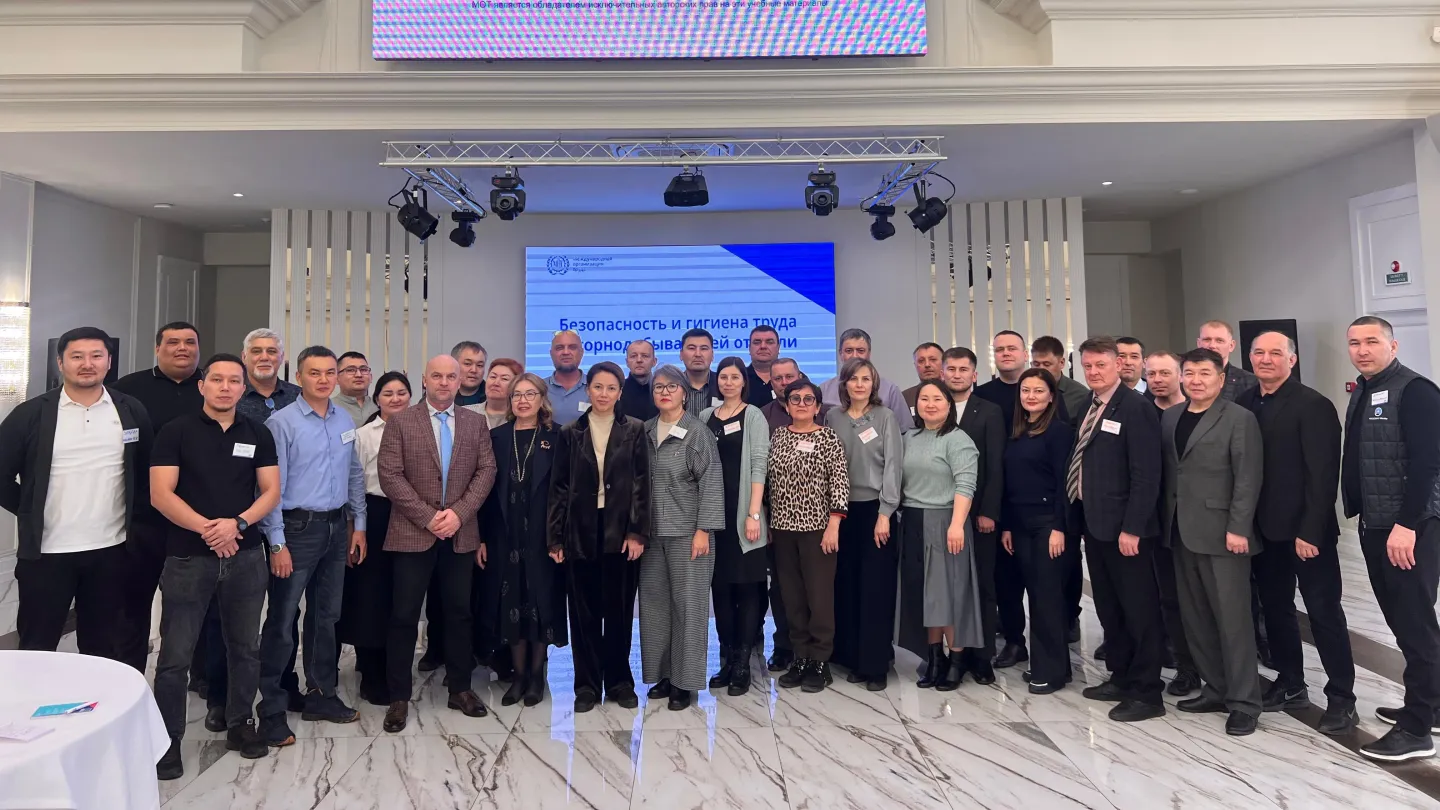
Recently, I took part in two trainings on occupational safety and health organized by the International Labour Organization (ILO). I really liked it. There were people participating from mines across Kazakhstan.
We analysed various situations, going through them in an interactive format. We were able to speak openly about what worked and what didn’t work in underground conditions.
What I liked was the lecturer’s response. She took notes on everything. She said, “We might revise this because of what you are telling us.” This open dialogue was a surprise to me.
Anyone here can raise an issue. It’s not frowned upon – in fact, it’s encouraged.
Ivan Katolik, miner and technical safety inspector
I realised there’s a serious organization out there. If we're struggling, we can reach out, and they’ll explain everything. It’s a massive support system.
I’ve become more confident. We’re working side-by-side now: the ILO and our technical inspection unit at the Korgau trade union of coal miners.
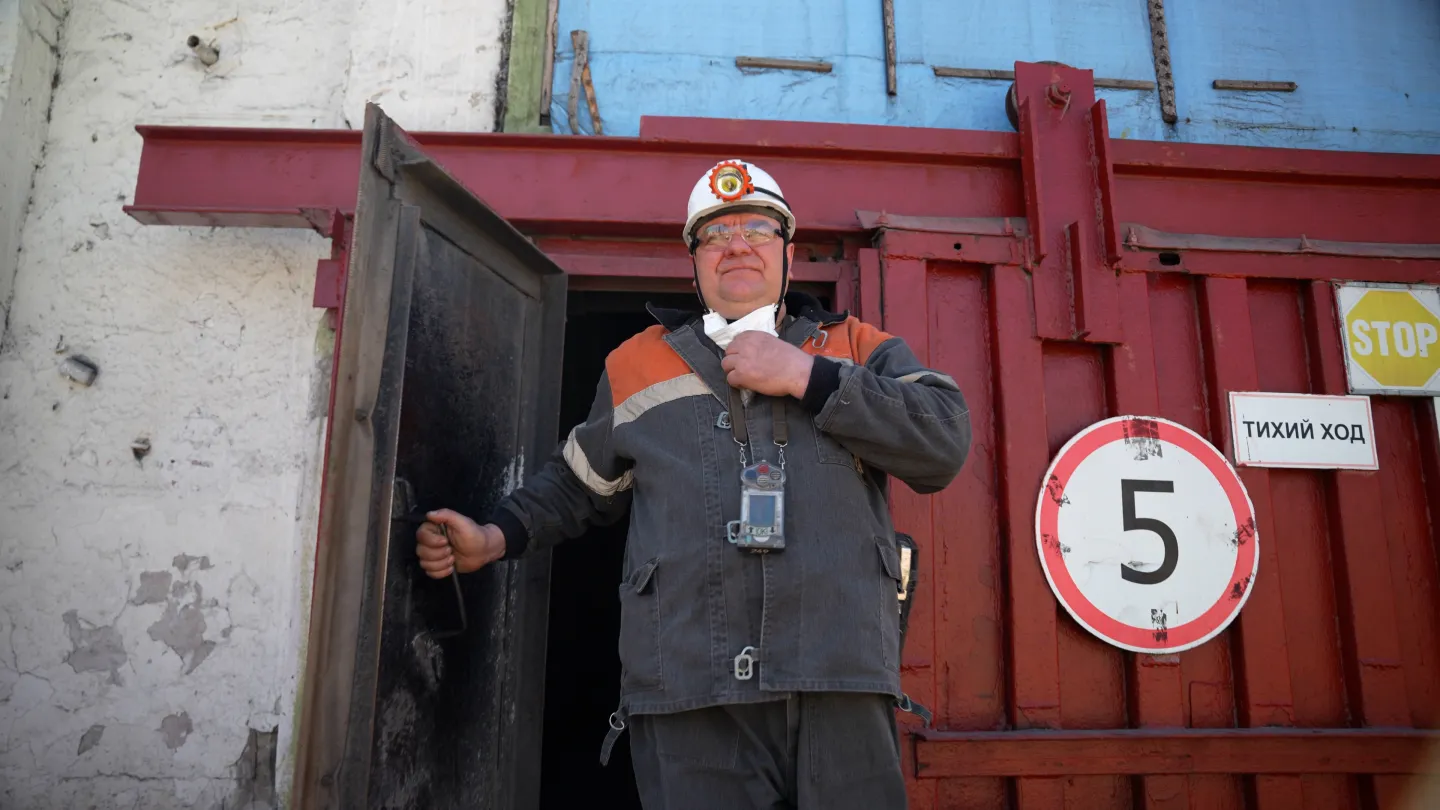
To any miner just starting out, I’d like to say this:
Work safely, work with your head. Think before you do anything. Listen to your senior colleagues, keep your eyes open, and watch your step.
We have a saying which for us is like a toast – words to live by: ‘may the number of descents equal the number of ascents’.
Fast facts
- ‘Promoting occupational safety and health through social dialogue in the mining sector in Kazakhstan’ is an ILO initiative funded through the ILO Regular Budget Supplementary Account (RBSA).
- The initiative aims to strengthen occupational safety and health (OSH) in Kazakhstan’s mining sector through social dialogue, prevention and greater worker participation.
- Workers’ and employers’ representatives participated in a workshop on ILO Conventions in 2025 and specialized ILO training on occupational safety and health in mining in 2026.
- The ILO Safety and Health in Mines Convention, 1995 (No. 176) sets out responsibilities of employers and workers for preventing and controlling risks in mines. It establishes workers’ rights to report hazards, participate in inspections and be represented on safety and health matters.
Find out more

Project page
Promoting occupational safety and health through social dialogue in mining sector in Kazakhstan
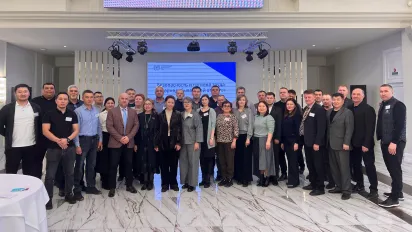
Kazakhstan pilots regional training on occupational safety and health in mining
Sector portal
Mining
Global Coalition for Social Justice
Related content
ILO Voices
Relevant projects
Development Cooperation Project
Promoting occupational safety and health through social dialogue in mining sector in Kazakhstan