

Our impact, their story
Why we helped build Kenya’s first fodder curriculum
In this first-person story, Erick J.O. Ahenda, County Director of Livestock Production in Kajiado, explains why Kenya needed its first standalone fodder curriculum and what it could mean for livestock keepers and young people.
15 September 2026
By Erick J.O. Ahenda, County Director of Livestock Production, Kajiado
For as long as I have worked in this office, I have watched Kajiado’s livestock keepers do something remarkable with very little. They raise cattle, sheep and goats across some of Kenya’s toughest rangelands, relying almost entirely on whatever grass the season provides.
Kenya’s livestock sector is central to the rangelands economy. It contributes about 4.4 per cent of national GDP and 14.2 per cent of agricultural value added and employs half of the country’s agricultural labour force. Yet for all that importance, the sector has long carried a quiet burden: feed.
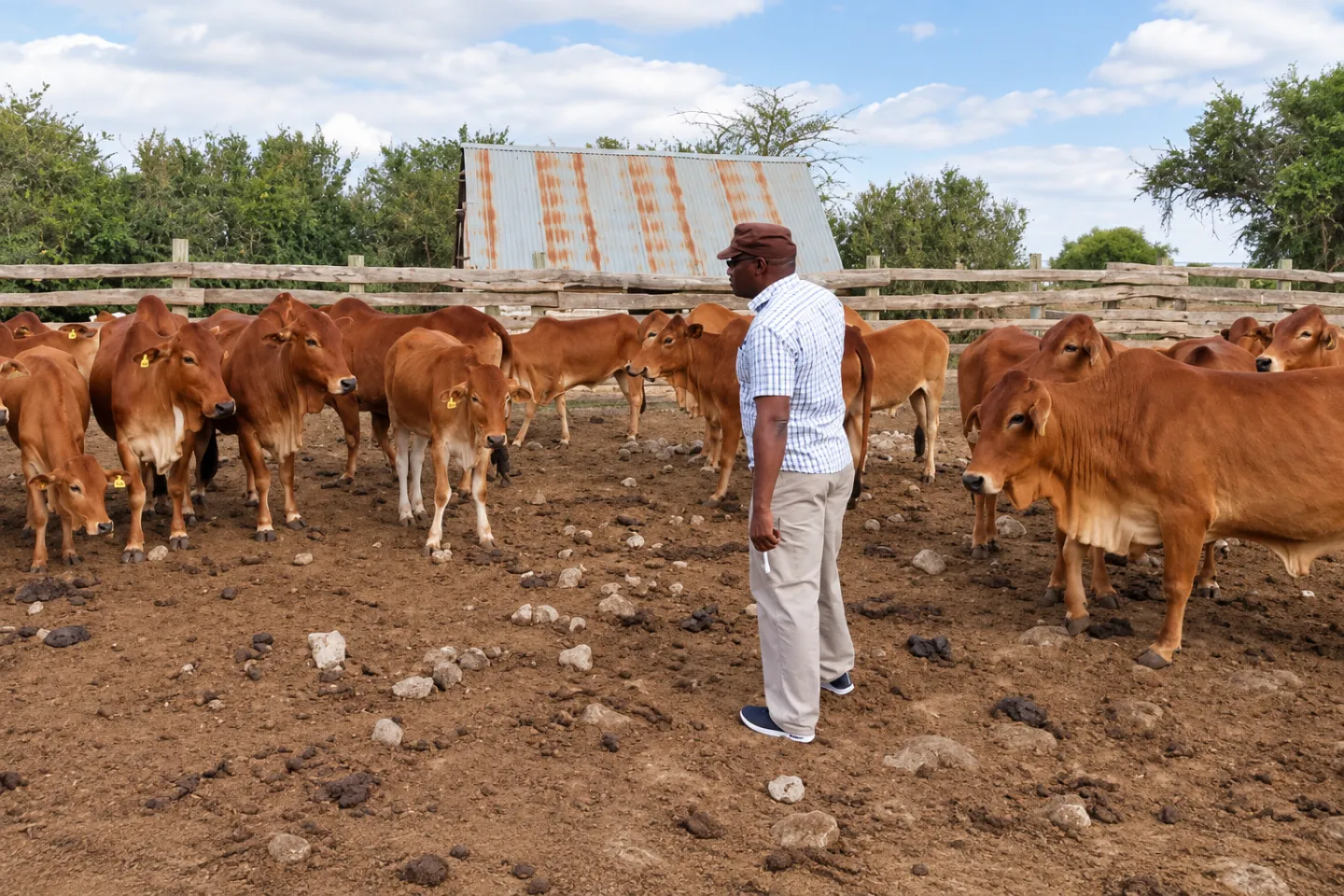
Kenya needs about 30 million metric tonnes of fodder each year but produces only around 10 million. Here in Kajiado, where more than 80 per cent of the land is dry rangeland, this gap is not abstract. It is standing hay lost in the field before anyone can use it. It is herders moving further during drought, watching pasture disappear faster than before.
For generations, fodder was seen as something the land gave us, not something to grow, store and manage as a business.
That is why, when the International Labour Organization’s Public-Private Development Partnership project came to Kajiado with the idea of supporting a formal fodder curriculum, I did not need much convincing. I had seen the gap season after season.
When the National Industrial Training Authority, the ILO and partners from Nakuru, Narok and Kajiado came together, I made sure our directorate was involved from the beginning. We were not there simply to endorse a document at the end. We were there to help shape it.
And the process did not start in a meeting room. It started on the ground.
We visited vocational training centres, fodder farms, livestock cooperatives and storage facilities to understand what people already knew and what they needed to learn.

What we found confirmed what many of us already knew. Where fodder was taught, it was usually a small part of a general livestock production course. There was no standalone fodder curriculum in Kenya.
At the same time, producers were already out there doing the work, learning through extension officers, from one another or online. Some knew how to grow fodder but did not keep production or financial records. That becomes a problem when you want to access finance or show that what you are doing is a viable business.
Those realities became the basis for the curriculum.
A drafting team brought together a fodder producer, county technical officers, agricultural and curriculum specialists. Alongside me, our Livestock Officer, John Kolei Nasieku, represented Kajiado throughout the process.
We mapped the work involved in fodder production, from choosing seed to storing the final product, and reviewed the draft with producers, county representatives and technical experts.
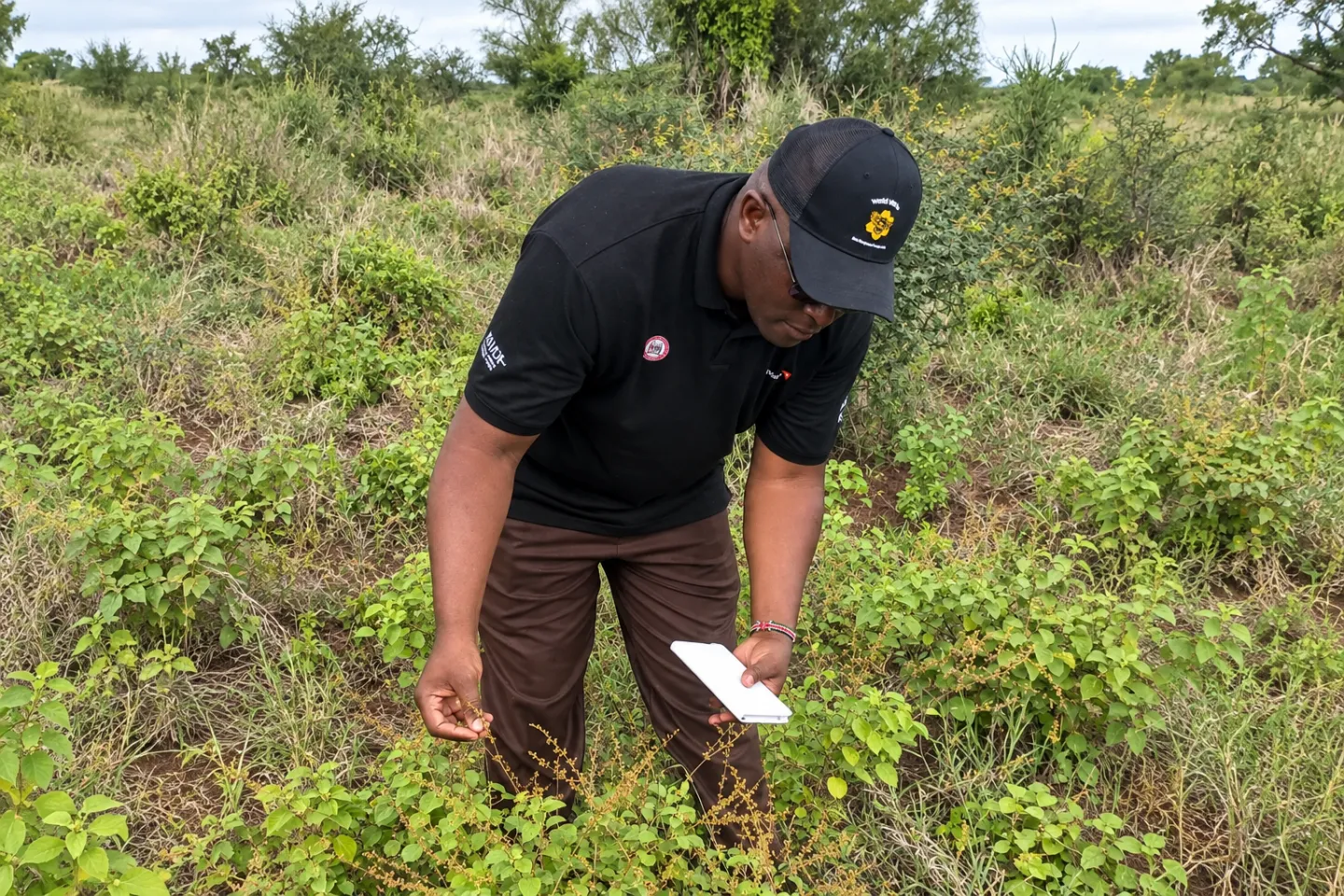
I share this detail because this was not a curriculum written behind a desk. It was built from what we saw on the ground and refined by people who know the sector.
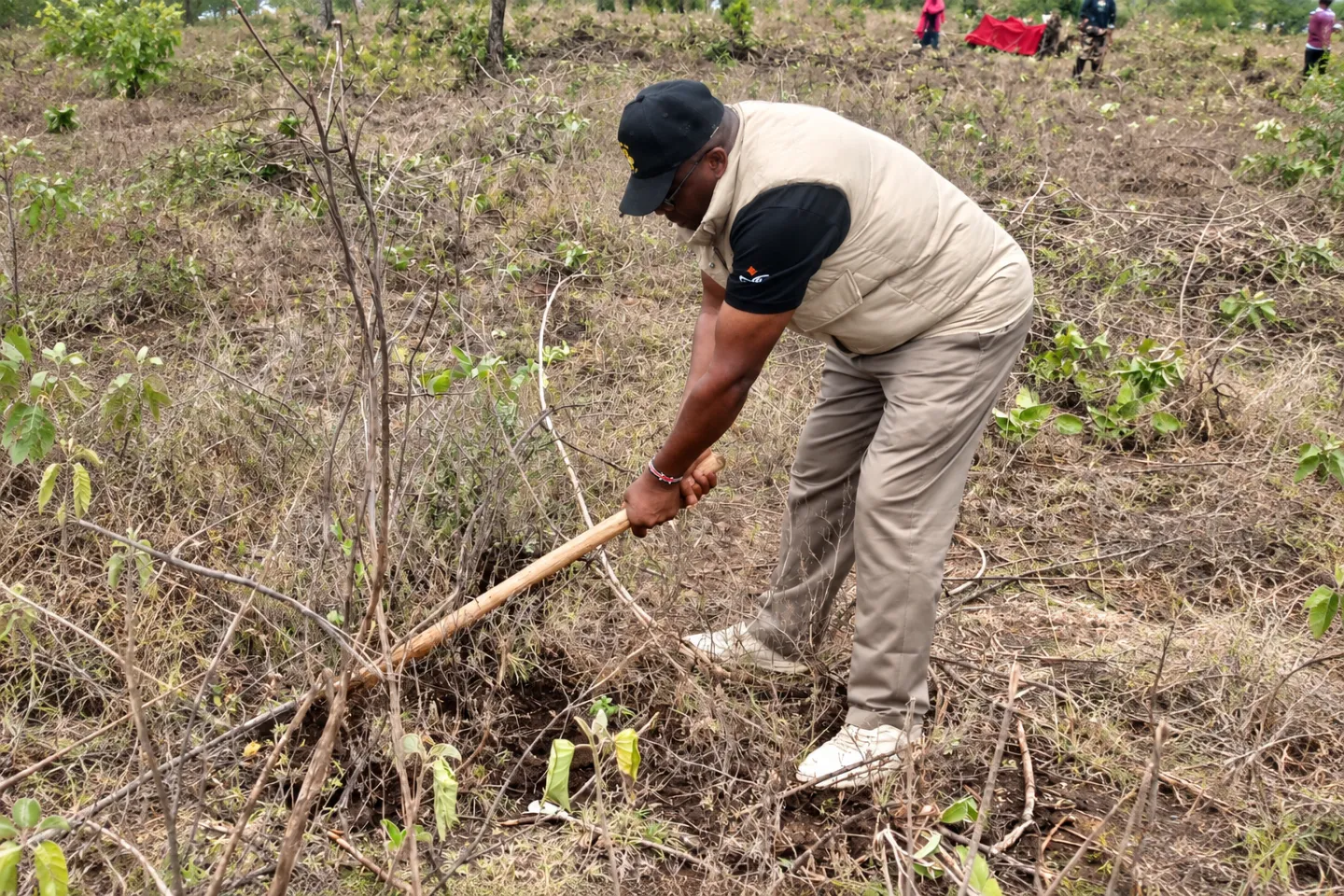
For Kajiado, that was important. You cannot simply take training designed for another context and expect it to work here. We needed drought-tolerant fodder varieties suited to our rangelands, as well as practical skills in growing, harvesting and conserving fodder for when pasture becomes scarce. And we needed to teach people how to turn those skills into a business.
One part of the curriculum is particularly important to me: Recognition of Prior Learning.
We already have young women and men in Kajiado who know how to grow, cut, bale and store fodder. They learned by doing, sometimes over many years. The problem is that they may have nothing on paper to prove what they know.
Recognition of Prior Learning means that experience can count. Their skills can be assessed and formally recognized, making a difference when they are looking for work, trying to grow a business or simply trying to show that this is a real profession.
In three to five years, I hope to see this curriculum established in our vocational training centres and more young people choosing fodder production as a livelihood. I would like to see less hay going to waste, more fodder stored for the dry season and more people earning an income from producing it.
Of course, a good curriculum is only the beginning. We still have to convince young people that fodder production is a serious opportunity. We need trainers who understand the work in practice, not only in theory. And once people have the skills, they need a way to move from learning to earning.
But having a curriculum gives us somewhere to start. For the first time, there is a clear way to train people specifically in fodder production and to recognize the skills of people already doing the work.
For generations in Kajiado, we thought of fodder as something the land gave us. Now we have an opportunity to see it differently: as something people can learn to produce, conserve and sell.
If we get that right, this curriculum will be more than a document. It can help people make a living and help livestock keepers prepare for the seasons when the grass is no longer there.
About the project
The International Labour Organization’s Public-Private Development Partnership (PPDP) Phase II project, funded by the Swedish International Development Cooperation Agency (Sida), works in Nakuru, Kajiado and Narok counties to promote inclusive, decent employment and productive livelihoods. The project brings together public institutions, private sector actors and communities to strengthen market systems in the fodder and tourism sectors, with a focus on creating better opportunities for women, people living with disabilities and young people.
Related content

Skills development
Skills assessments in Kenya reveal training gaps and opportunities
Skills development
Kenya turns skills evidence into new curricula
Relevant projects
Public-private development partnerships for inclusive decent employment and productive livelihoods