

Skills development
Kenya turns skills evidence into new curricula
New occupational curricula in Kenya’s tourism and fodder sectors show how labour market evidence can help training providers equip young people and workers with skills that employers need.
12 February 2026
NAIROBI (ILO News) – New occupational curricula in Kenya’s tourism and fodder sectors are set to help align training more closely with the skills employers need, following evidence gathered from workers, enterprises, training providers and local institutions.
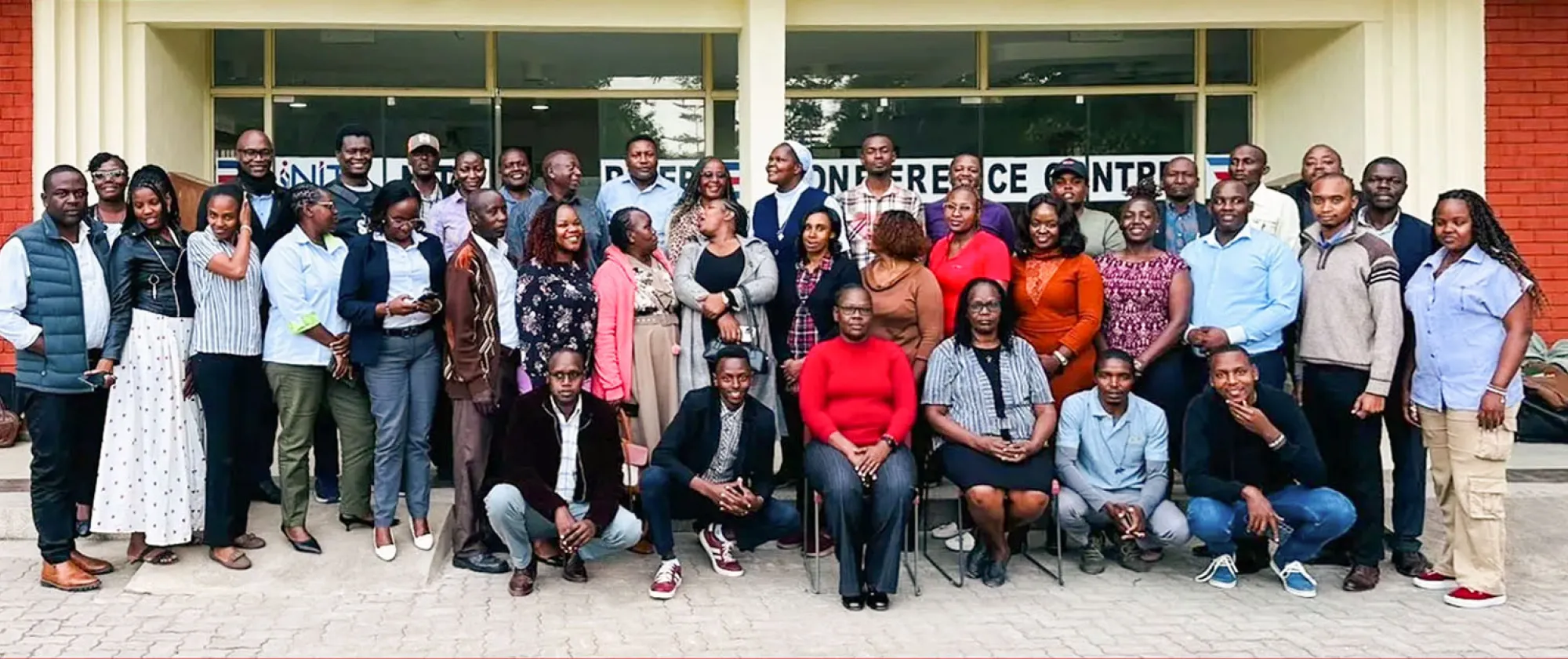
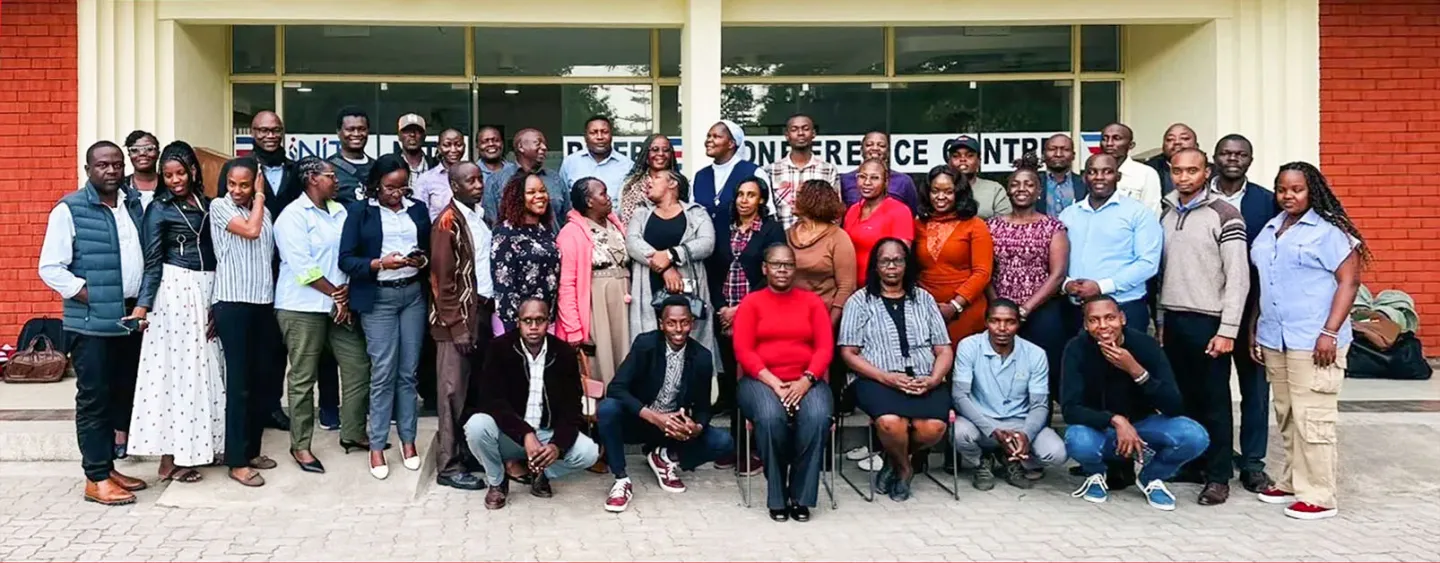
The curricula, covering Fodder Production Technicians, Front Office Operators and Tour Guide Operators, were validated during a stakeholder forum held on 29 May 2026 at the National Industrial Training Authority (NITA) Athi River Conference Facility.
The forum brought together representatives from the Kenya Association of Tour Operators, county governments of Kajiado, Nakuru and Narok, and other industry and training stakeholders. Many of the institutions involved had also contributed to earlier skills gap assessments supported by the Public-Private Development Partnership (PPDP) Phase II project.
Those assessments identified gaps in customer service, language skills, digital marketing, tour guiding, fodder production, machinery operation and quality assurance. They also showed that employers were willing to work more closely with training providers to address these gaps.
“This process shows what can happen when training reform starts by listening to the people who understand the labour market best,” said Millicent Otom, Manager of Industrial Training, NITA. “Employers, workers, young people and training institutions helped identify the gaps. Now those findings are being translated into practical curricula that can open pathways to better skills, stronger enterprises and decent work opportunities.”
This process shows what can happen when training reform starts by listening to the people who understand the labour market best.
Millicent Otom, Manager of Industrial Training, NITA.
From evidence to action
The validation of the curricula marks an important step in turning labour market evidence into practical training tools.
The PPDP Phase II project, funded by the Swedish International Development Cooperation Agency (Sida), supported the process by helping generate evidence and convene partners. The curricula themselves were developed and validated through NITA’s established mandate and sector-based processes, with input from employers, county officials, industry bodies and training actors.
This approach reflects the project’s focus on strengthening systems rather than creating parallel solutions. By working through national institutions and market actors, the process aims to support reforms that can continue beyond the life of the project.
Three curricula responding to real skills gaps
Each curriculum responds to skills gaps identified by employers and other stakeholders.
The tour guide operator curriculum addresses the need for stronger guiding skills, including multilingual communication, ecological interpretation and safety-related competencies. These areas are increasingly important as tourism employers seek workers who can serve diverse visitors and meet professional standards.
The front office operator curriculum responds to gaps in customer service, workplace etiquette, language skills and digital readiness identified by hospitality employers.
The Fodder production technician curriculum is especially significant because fodder production has not previously had a dedicated standalone curriculum in Kenya. The new curriculum covers production, mechanization and quality assurance skills, including areas such as silage-making, machinery use and feed quality.
It also includes a pathway for Recognition of Prior Learning, which can help workers who already have practical experience in the sector gain formal recognition for their skills.
Linking training to the world of work
Following validation, the next step will be to prepare trainers to deliver the new content.
A trainers’ manual has already been developed for the three curricula, providing instructors with a common standards-based reference. Training of trainers will help lecturers and instructors from selected technical and vocational education and training institutions in Nakuru, Kajiado and Narok deliver the curricula in classrooms, farms and tourism settings.
The curricula will then be piloted in selected institutions. This will allow partners to test the content, teaching materials and work-integrated learning models before wider rollout.
The broader rollout will also focus on improving the way learners gain practical experience.
In the fodder sector, this means aligning attachments with production cycles such as harvesting, baling and ensiling. In tourism, it means strengthening links between training institutions and employers so that learners can gain relevant experience during active tourism periods.
The recognition of prior learning pathway could also support young people, women and other workers who have gained skills informally but do not yet hold formal certification.
By connecting evidence, curricula, training institutions and employers, the process offers a practical example of how skills systems can respond to changing labour market needs.
For workers and learners, this could mean clearer routes into recognized occupations. For employers, it could mean a stronger pipeline of workers with relevant skills. And for Kenya’s tourism and fodder sectors, it could support more productive, inclusive and sustainable growth.
About the project
- The International Labour Organization’s Public-Private Development Partnership (PPDP) Phase II project, funded by the Swedish International Development Cooperation Agency (Sida), works in Nakuru, Kajiado and Narok counties to promote inclusive, decent employment and productive livelihoods.
- The project brings together public institutions, private sector actors and communities to strengthen market systems in the fodder and tourism sectors, with a focus on creating better opportunities for women and young people.
Related content

Skills development
Skills assessments in Kenya reveal training gaps and opportunities
Relevant projects
Public-private development partnerships for inclusive decent employment and productive livelihoods