

Skills for transition to formality
19 September 2024
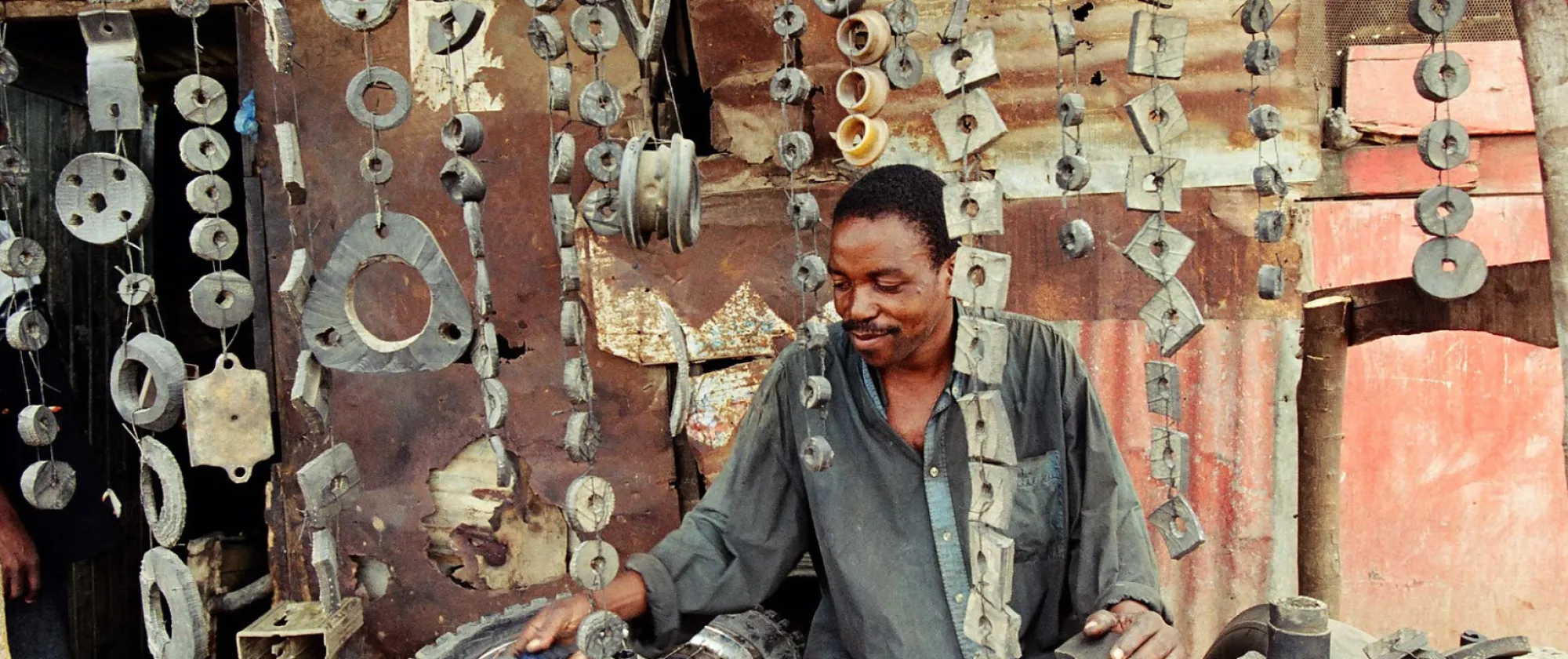
Most young people around the world do not have the chance to attend formal institutions of learning. The capacity of formal education and training systems is often limited due to inadequate training infrastructures and the relatively high costs of full-time, centre-based training. Consequently, large numbers of youth are learning and then working in the informal economy. Informal apprenticeship systems that transmit the skills of a trade to a young person in a micro- or small enterprise have operated for generations in many countries. They are considered by far the most important source of skills training in Africa and South Asia. ILO approach to upgrading informal apprenticeship systems can address the weaknesses of the informal apprenticeship system and improve their potential to help young people transition into decent work, fostering improvements from within the scheme.
Furthermore, women and men in the informal economy often do not possess a formal proof of their skills. Skills acquired informally are not visible and hence are often not recognized by employers. Transitions to the formal labour market and further learning opportunities can therefore be facilitated if skills are assessed and recognized through Recognition of Prior Learning processes
Key resources
Resource guide for Africa
Upgrading informal apprenticeship
Promoting quality apprenticeships in the informal economy
Employment Working Group
Improving skills and lifelong learning for workers in the informal economy
Area of work
Recognition of Prior Learning
ILO Working paper 49
How to strengthen informal apprenticeship systems for a better future of work?
Literature Review
Lifelong Learning in the Informal Economy
Statistical Brief
Apprentices in countries with large informal economies
Policy brief
Strengthening apprenticeships for transitions to formality
Projects
Project
SOLIFEM - Dialogue social pour la formalisation et l'employabilité dans le voisinage méridional
Project
Formalizing access to the legal labour market through Recognition of Prior Learning (RPL) and certification for Syrians and Jordanians...