


Working meeting in Madrid with a delegation from China about working on digital platforms
On the occasion of the study visit to Spain of a Chinese delegation on the social protection of workers on digital platforms, the ILO Office for Spain, together with the ILO Office in Beijing, organized a working meeting with representatives of the Spanish social partners.
10 June 2024
MADRID (ILO News) - In the context of social dialogue and to learn their views on the pioneering Spanish regulation on platform work and the challenges posed by its implementation in the country, the ILO Office for Spain has held a working meeting with the Spanish social partners: the Spanish Confederation of Employers' Organizations (CEOE), the Spanish Confederation of Small and Medium Enterprises (CEPYME), the General Union of Workers (UGT) and Workers' Commissions (CCOO). The meeting was held on June 6 at the headquarters of the Economic and Social Council (CES).
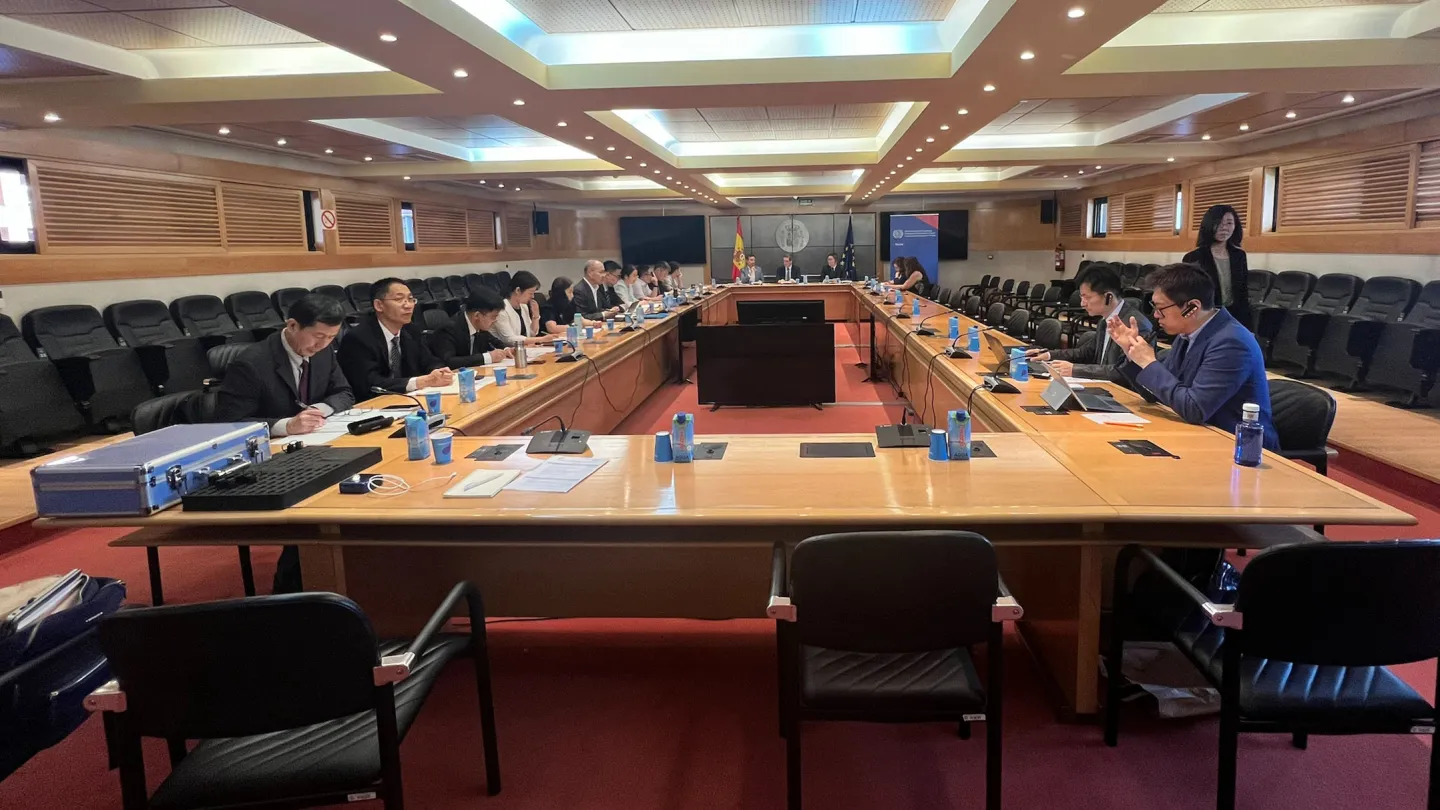
The Chinese delegation was composed of authorities representing the Ministry of Human Resources and Social Security of that country, as well as representatives of employers' and trade union organizations and the ILO Beijing office.
The Chinese delegation's mission was part of a study visit to the European Commission's DG-EMPL, the Belgian Federal Public Service (FPS Social Security) and the Spanish Ministries of Labor and Social Economy and Inclusion, Social Security and Migration. The purpose of the visit was to help the Chinese delegates gain an overview of the Social Security system in the EU, Belgium and Spain, and to understand recent policy and legal reforms to improve social protection coverage for digital platform workers including the recently approved new regulation on platform work in the EU.
The head of the Chinese delegation highlighted that platform work affects more than 80 million workers in China and therefore reforms are needed to prevent them from being excluded from access to retirement pensions and other social security protection mechanisms in the future.
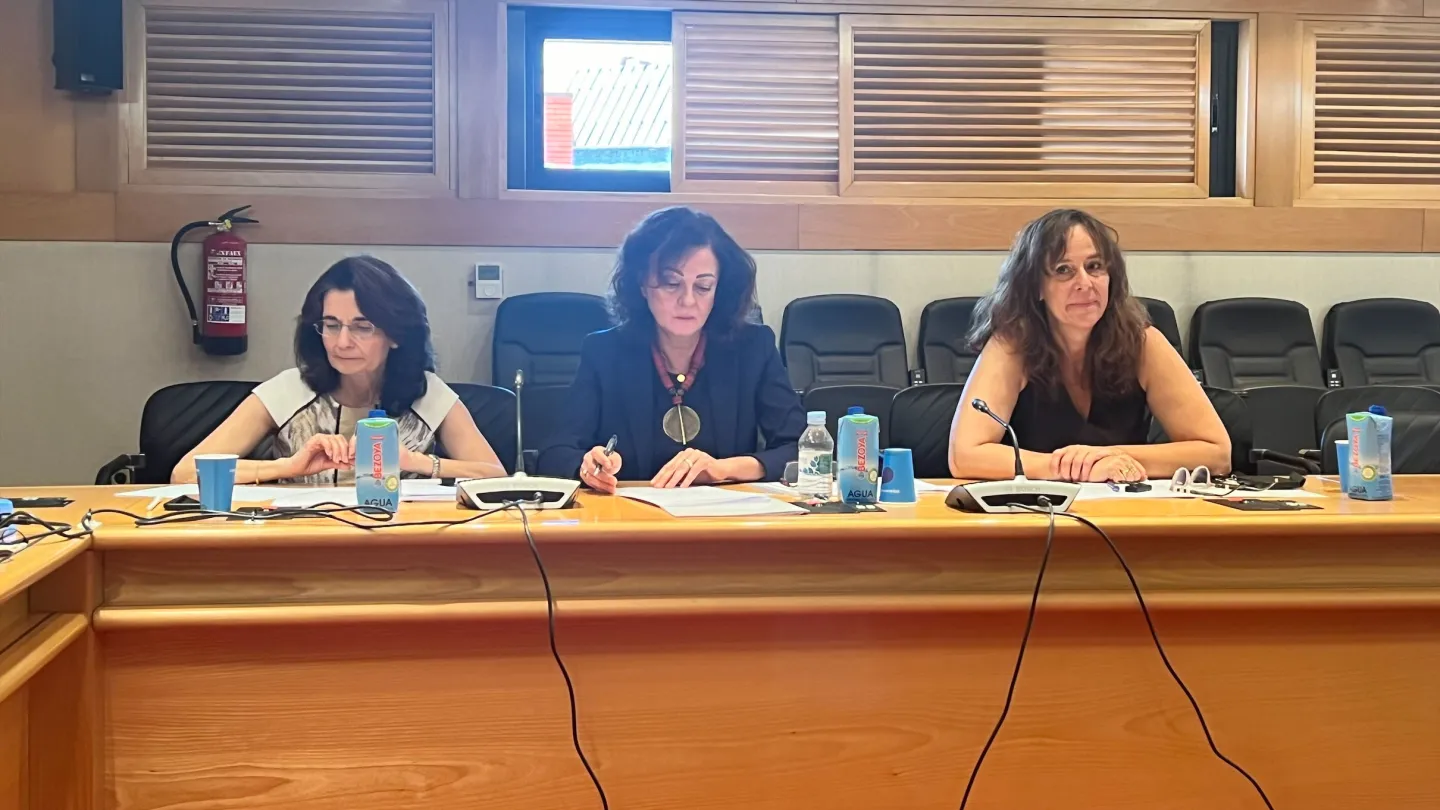
Spanish legislation has been a pioneer in achieving decent work and adequate social protection for digital platform workers, specifically for delivery workers known as "riders". The regulation establishes the rebuttable presumption of labor of digital platform workers, determining that the outsourcing and subordination is marked by the algorithm and the means of production, thus picking up the Spanish jurisprudence on the matter. It also establishes obligations in terms of information and transparency towards the legal representation of workers.
The Director of the ILO Office for Spain emphasized that the Spanish regulation was the result of a social dialogue agreement. He also highlighted the discussions held on platform work within the ILO and the agreement adopted for the inclusion of this issue on the agenda of the International Labor Conferences of 2025 and 2026, with a view to the eventual approval of a global ILO standard.
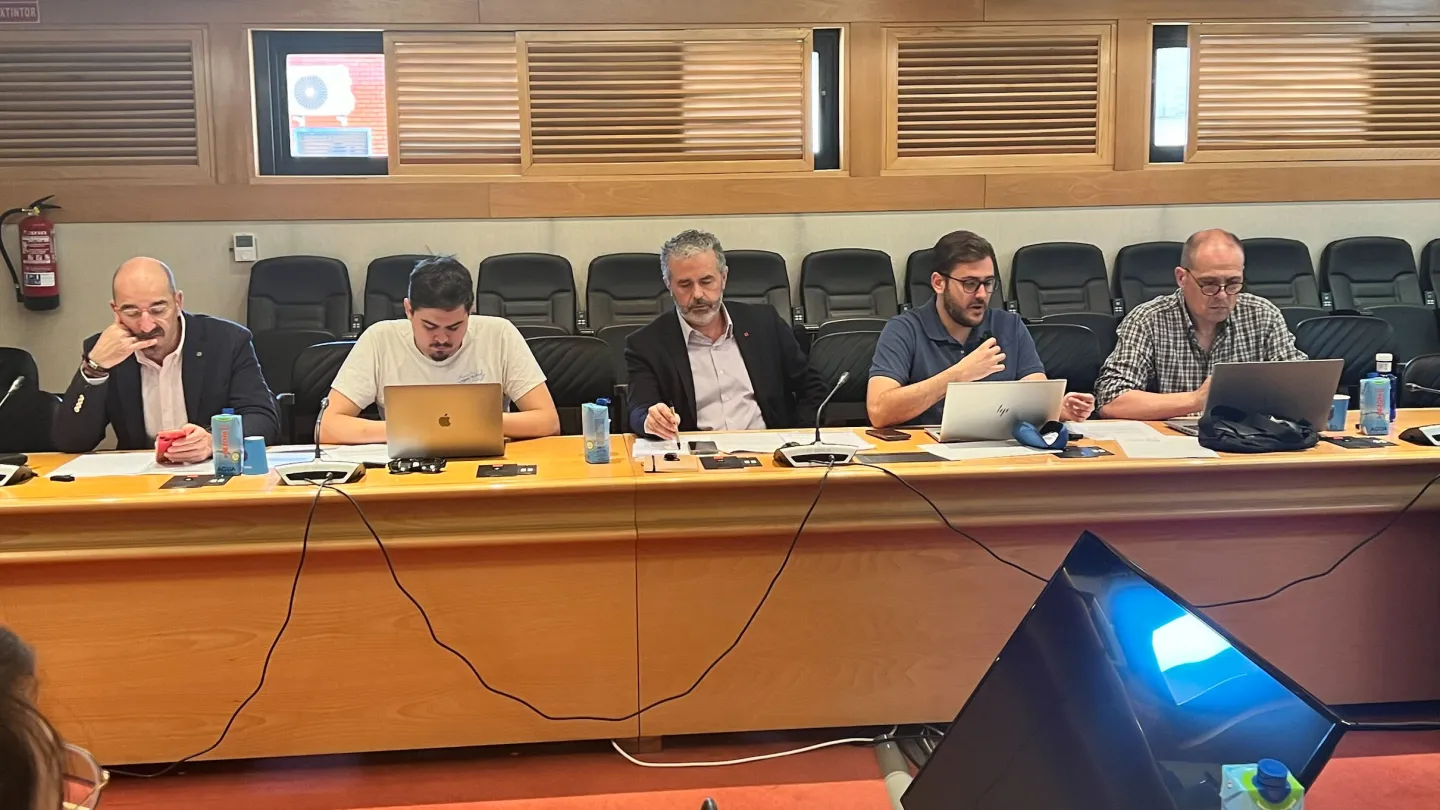
On the employers' side, the CEOE and CEPYME representatives highlighted how some of their companies are dedicated to working on digital delivery platforms and the obligations that the new European directive may also entail for employers. They also pointed out the convergence in Spain between social security systems for the self-employed and employees, which is also the result of social dialogue.
For their part, the trade union representatives, UGT and CCOO, underlined the fact that, with the presumption of employment, the parties responsible for the obligation to pay contributions are now the companies, which means greater protection for the workers of digital platforms. They also stressed the need for human supervision of algorithms and the advisability of setting up a public supervisory body.
This protection for digital platform workers is complemented by ILO standards on decent work and social protection applicable to all workers.