

Viet Nam readies itself to support an ageing society, with decent work, skills, and social protection at its core
A new Government decision encourages collaboration with ILO to help support longer working lives, reskilling, and protection for older workers.
1 October 2026
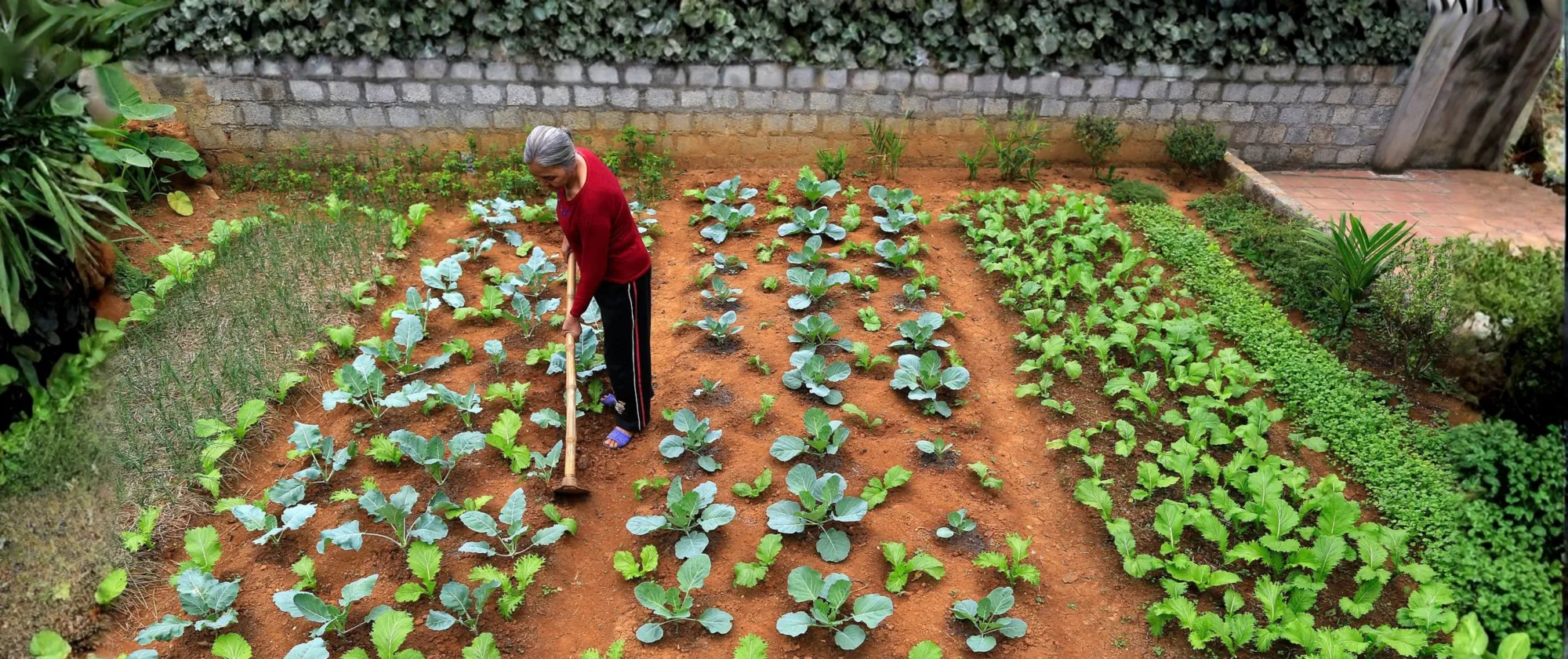
HANOI (ILO News) – As Viet Nam marks the International Day of Older Persons on 1 October, a five-year plan is in place to draw on international expertise as its population grows older, including cooperation with the International Labour Organization (ILO). As set out in a decision taken by Vietnamese Prime Minister on 3 September, the plan covers the years from 2026 to 2031 and looks to the ILO for support on labour market policies, longer working lives, reskilling, age-inclusive workplaces, lifelong learning and the protection of older workers.
The Prime Minister’s decision is intended to help the country adapt to population ageing, ease pressure on social security and on labour supply, and gradually build a care economy suited to Viet Nam's conditions. It builds on a national strategy on older persons approved in February 2025, which considers older citizens as a key economic and social factor and aims for at least half of older people who want to work and are able to do so, to have jobs by 2030. The Law on Population (No. 113/2025/QH15), adopted by the National Assembly on 10 December 2025 and in force since 1 July 2026, adds a legal footing by committing the State to support older people in work, employment and social security, and in their participation in start-ups, economic development and digital transformation.
"The ILO has worked side by side with the Government of Viet Nam for decades, and we welcome this decision as an important step in preparing for an aged society," said Sinwon Park, Director of the ILO Country Office for Viet Nam. “As people live and work longer, the priority must be to ensure that older workers have access to decent jobs, opportunities to update their skills, and adequate social protection. The ILO stands ready to bring its experience in these areas to support Viet Nam as it puts the new scheme into practice.“
As people live and work longer, the priority must be to ensure that older workers have access to decent jobs, opportunities to update their skills, and adequate social protection.
Sinwon Park, Director of the ILO Country Office for Viet Nam
The scheme responds to a shift already visible in Viet Nam's labour market. According to the National Statistics Office (2025), more than one in five Vietnamese will be over 60 within a decade, marking the country's official transition into an aged society. Indeed, a large number of people aged 65 and above are still working, approximately 2.6 million in 2024 according to the National Statistics Office, which makes it important to ensure the quality of their jobs, decent working conditions, and adequate social protection.
Skills and workplaces will shape how far older people can keep contributing to the workforce, since digitalization, artificial intelligence, global economic integration, and the shift to a greener economy are changing what jobs require. Older workers need access to lifelong learning and to employers who recruit, train and retain them.
Extending pension and social insurance coverage, and ensuring that systems remain adequate and sustainable, is also essential to giving people income security in older age. Older people also have a part to play in the care economy that is taking shape, where their experience can make them peer supporters and community-based service providers for other older people, alongside their role as beneficiaries of care. For this to work, care jobs need to be decent, with proper training and social protection.
You may also be interested

Country portal
Viet Nam
Social protection
Building stronger labour journalism to inform Viet Nam's future of work

Care at work
Greater investment in care could create almost 300 million jobs

Social protection
From protection to empowerment: Social security and inclusion of persons with disabilities