


Digitalization
Tripartite dialogue in Kazakhstan explores the impact of emerging technologies on decent work
ILO staff from across the subregion, Regional Office, the International Training Centre of the ILO and tripartite constituents exchange views on digital transformation, skills development and policy responses.
5 March 2025
ALMATY, Kazakhstan (ILO News) – The rapid advancement of artificial intelligence (AI), quantum computing, and digital technologies is reshaping labour markets worldwide. Recognising both the opportunities and challenges of digital transformation, the International Labour Organization (ILO) met with the Government, employers, and workers' organizations in Almaty, Kazakhstan, on 25 February 2025 for a high-level panel discussion on ensuring a just transition in the digital economy.
Harnessing technology for inclusive and fair labour markets
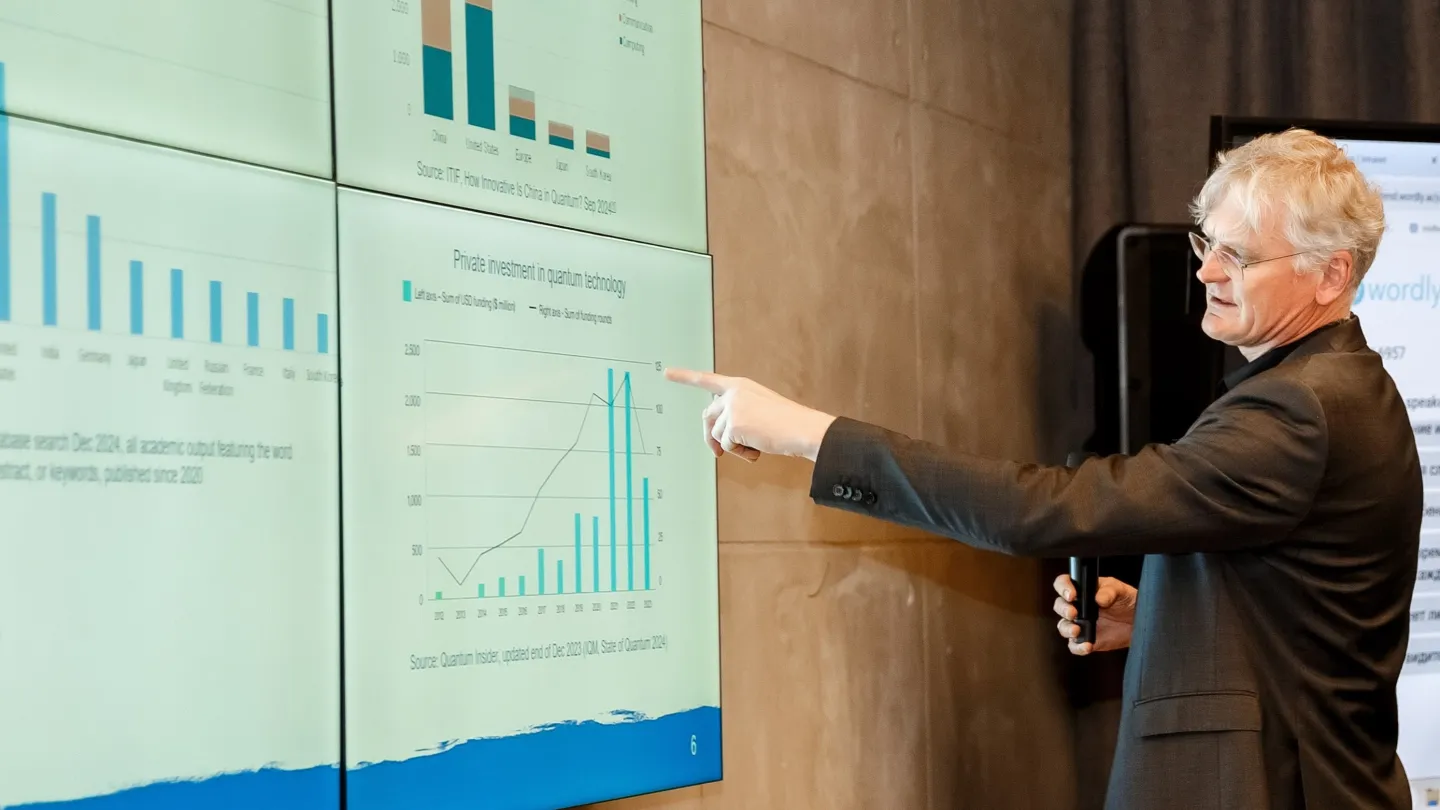
Discussions centred on maximizing the benefits of technological change while addressing risks such as job displacement, ethical considerations, and digital inequalities. Participants explored how AI and quantum computing are already transforming skills development, social protection, and labour market governance, including the use of digital solutions in workplace safety, labour inspections, and employment services.
The discussion focused on Kazakhstan’s national initiatives to regulate emerging technologies while ensuring they contribute to job creation and social justice. First Vice Minister of Labor and Social Protection of the Population of Kazakhstan Akmadi Sarbassov highlighted that discussions on digitalisation and emerging technologies are “more relevant than ever”. He noted that while digitalization will inevitably put pressure on the labour market, Kazakhstan must keep pace with global trends.
Mikhail Pouchkin, Director of the ILO Office for Eastern Europe and Central Asia, stressed the need to bridge the technological divide, noting that access to technology and training must be ensured for all workers to promote decent work opportunities.
ILO Regional Director Beate Andrees underscored the need for a just digital transition, noting that ILO’s Strategic Plan for 2026–29 highlights the role of digital transformation, particularly AI, as a driver of inclusive growth. She reaffirmed the ILO’s commitment to supporting countries in navigating digitalization for decent work and AI governance.
Tripartite perspectives on the future of work
The panel discussion, moderated by ITCILO Director of Training Andreas Klemmer, featured representatives from Kazakhstan’s Ministry of Labor and Social Protection of Population of the Republic of Kazakhstan, the National Confederation of Employers “PARYZ”, and the Federation of Trade Unions. Beate Andrees and Mikhail Pouchkin shared insights on the implications of digitalisation for the future of work.

ILO staff from across the subregion actively contributed, engaging panellists with direct questions and reflections on their experiences. This ensured a highly interactive session, allowing for a meaningful exchange of ideas between ILO experts and tripartite constituents.
Satybaldy Dauletalin, Chairman of the Federation of Trade Unions of Kazakhstan, reflected on both the opportunities and risks of rapid technological advancements, particularly in labour relations, stating: “It is essential that governments start shaping legal, economic, and social strategies now to stabilise employment and protect workers in response to these emerging challenges.”
The discussion underscored the role of social dialogue in shaping national policies that harness technology for fair and inclusive labour markets.
AI is a tool for human progress.
Zhumabek Zhanykulov, Chairman of the Presidium of the National Confederation of Employers “PARYZ” of Kazakhstan
“AI is a tool for human progress. For businesses, it offers opportunities to enhance productivity, but strong human governance is needed,” said Zhumabek Zhanykulov, Chairman of the Presidium of the National Confederation of Employers “PARYZ” of Kazakhstan.
ILO’s support for Kazakhstan’s digital
The panel was part of a broader ILO engagement in Kazakhstan, which includes ongoing collaboration with the Government, employers’ and workers’ organizations on OSH reforms, skills development and social dialogue.
The discussion also builds on the ILO-Kazakhstan Roadmap for Promoting Decent Work 2024–25, which prioritizes labour law reforms, stronger occupational safety and health measures and enhanced tripartite collaboration to advance social justice in a changing world of work. As digitalization continues to shape labour markets, future cooperation frameworks could further integrate policies that ensure technological change supports decent work and reduces inequalities.
Insights from this session will inform future ILO initiatives, including efforts to promote just transitions, fair and inclusive policies, and a human-centred approach to technological change.