


Training strengthens leadership capacities of women and young trade unionists
Practical leadership, advocacy and social dialogue skills help women and young leaders shape trade union decisions and build more inclusive, representative unions
1 August 2026
AMMAN (ILO News) – Members of the General Federation of Jordanian Trade Unions (GFJTU) Women’s and Youth Committees gained practical leadership, advocacy and campaigning skills to strengthen their ability to bring workers’ concerns forward, participate more effectively in social dialogue and trade union decision-making, and contribute to more inclusive and representative trade unions.
The support was delivered through a training organized by the International Labour Organization (ILO), in partnership with the GFJTU, under the second phase of the “Trade Union Power for a More Inclusive and Gender-Equal World of Work” project. The training equipped women and young trade union leaders with tools to build alliances, craft compelling messages, engage in policy and collective bargaining, and help translate workers’ demands into tangible change.
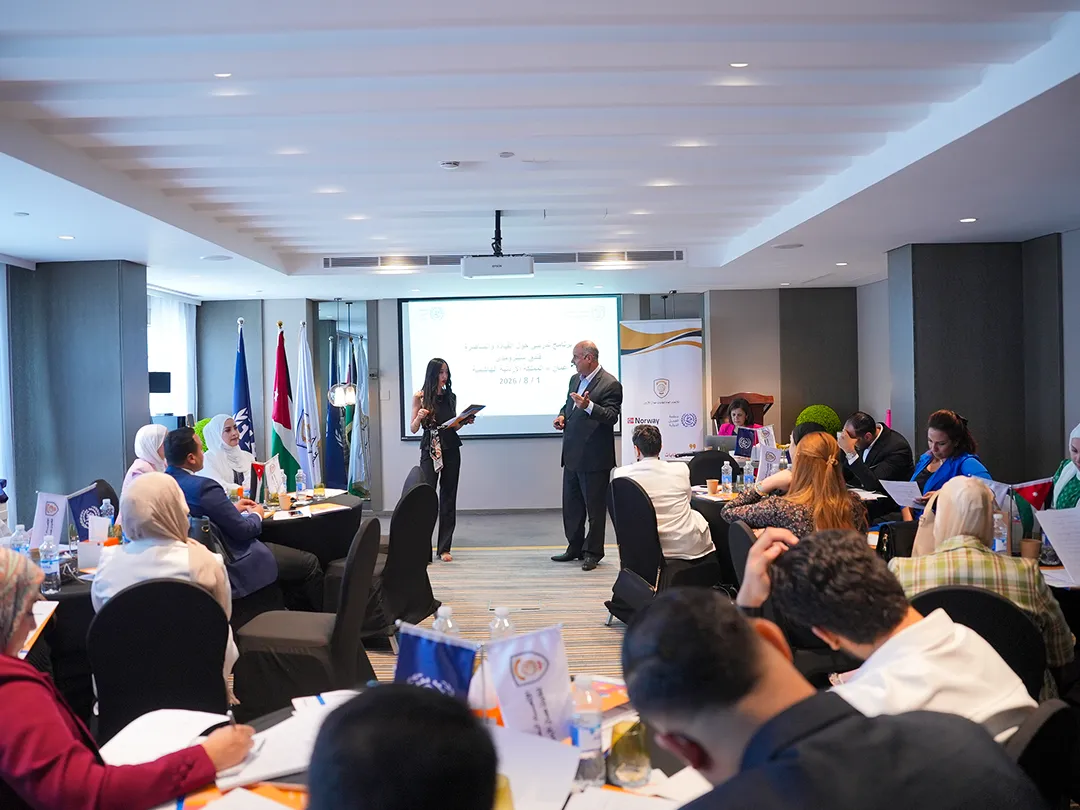
In her opening remarks, Reem Aslan, the ILO Decent Work for Women Programme manager, emphasized that trade union leadership goes beyond organizational positions and titles and is rooted in the ability to drive change, build trust, listen to others and turn challenges into opportunities.
“Leadership is not a position or an organizational title; it is the ability to drive change, build trust, listen to others and turn challenges into opportunities”, Aslan said.
She added that the ILO, in partnership with the GFJTU, continues to support the capacity development of trade union leaders and strengthen the participation of women and young people, based on the conviction that trade unions that reflect the diversity of their membership are better able to represent their members and defend their rights.
Aslan noted that strengthening women’s participation in trade union leadership goes beyond numerical representation. It contributes to amplifying the voices of women workers and integrating issues such as equality, social protection, occupational safety and health, and work-family balance into trade union priorities.
She also stressed the important role of young people in advancing the trade union movement, emphasizing that they are “not only the leaders of the future, but also the leaders of today,” bringing new ideas, modern tools and the ability to reach workers in emerging sectors and the digital economy.
“Investing in women and young leaders is an investment in the future of the trade union movement itself”, Aslan said, noting that leadership and advocacy skills are practical tools that enable trade union leaders to build alliances, craft compelling messages, bring workers’ concerns to decision-makers and translate demands into tangible change.
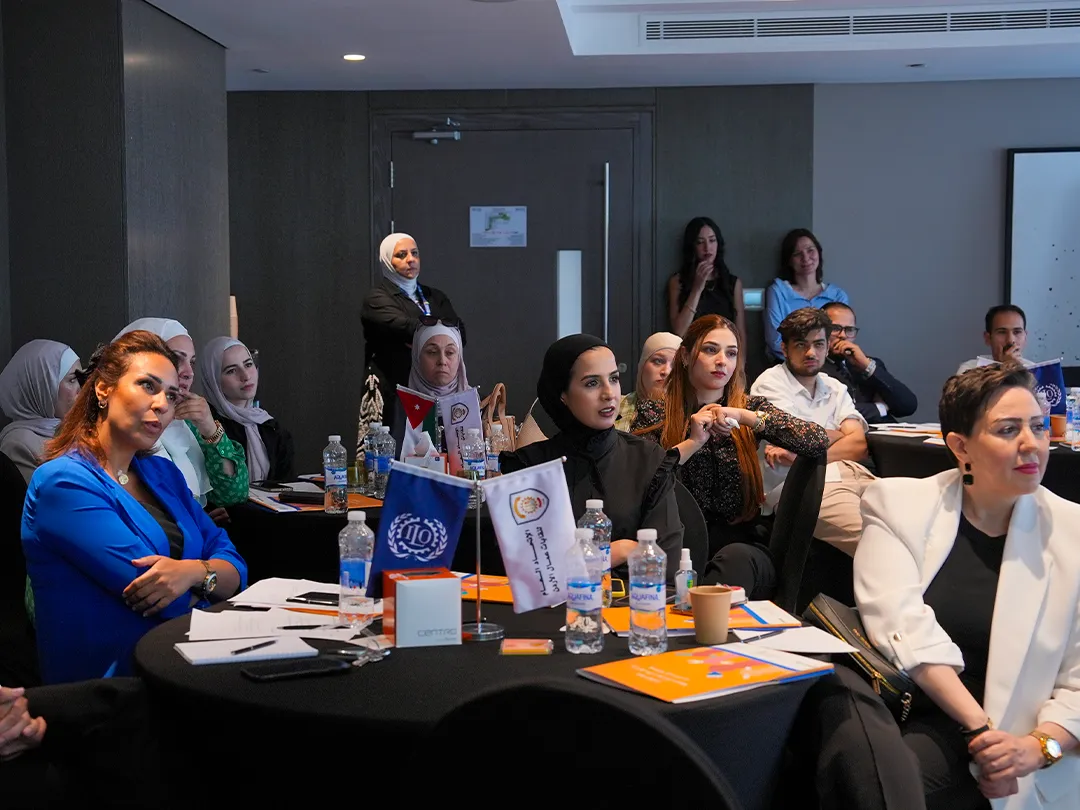
The training is grounded in the principles and international labour standards underpinning trade union action and social dialogue, including ILO Convention No. 87 on Freedom of Association and Protection of the Right to Organise and Convention No. 98 on the Right to Organise and Collective Bargaining, alongside ILO standards on equality, non-discrimination and safe and respectful working environments.
For his part, Khaled Fanatseh, President of the GFJTU, said the training was the first activity under the second phase of the project and reflected a strong commitment to investing in trade union leadership, particularly among women and young people, as key actors in leading the next phase and driving change within trade unions.
Fanatseh added that the Federation views its Women’s and Youth Committees as genuine partners in advancing trade union work and as leaders capable of bringing forward new perspectives, fostering a culture of participation, and promoting equality, justice and meaningful representation in decision-making. Such efforts, he said, contribute to building a more inclusive trade union movement that is responsive to labour market challenges.
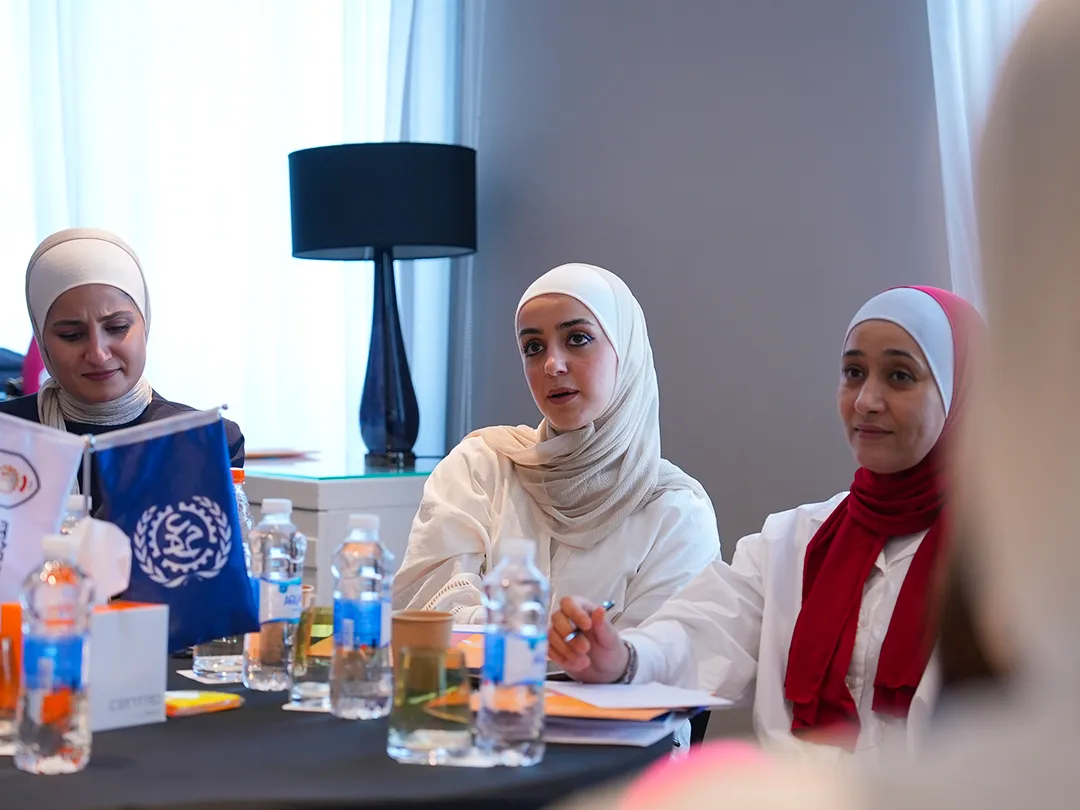
The training, facilitated by labour expert Ali Al-Hadid, featured a series of interactive sessions and practical exercises focused on developing leadership skills and strengthening participants’ capacities in advocacy and policy engagement. It also addressed skills related to social dialogue, collective bargaining and effective communication.
Using a participatory approach combining presentations, discussions, practical exercises and role-playing, the training enabled participants to apply the concepts and skills acquired to situations reflecting the realities of trade union work and the challenges facing workers.
The training also included a presentation on the internal leadership and protection policies developed and adopted by the GFJTU with ILO support. The presentation highlighted the key provisions and objectives of the two policies and their role in fostering a safe and inclusive trade union environment, strengthening protection principles and increasing women’s participation in trade union work.
The training is part of broader efforts by the ILO and its partners to foster a more inclusive and representative trade union movement and strengthen the ability of women and young people to assume influential leadership roles and participate effectively in social dialogue and decision-making. These efforts contribute to strengthening the protection of workers’ rights and advancing social justice and decent work for all.
The activity was implemented under the “Equality@Work” project, carried out by the ILO Decent Work for Women Programme with the support of the Government of Norway.
Related content

Project
Equality@Work : Advancing Healthy, Safe and Diverse Labour Force in Jordan
Relevant projects
Project
Equality@Work : Advancing Healthy, Safe and Diverse Labour Force in Jordan