

Child Labour
Toward a Child Labor-Free Supply Chain: Honduras Trains Its Rural Youth in Specialized Coffee Processing
24 April 2026
The ILO-led CLEAR Supply Chains Project is working to increase opportunities for decent work for adults and young workers in the coffee value chain to prevent child labour.
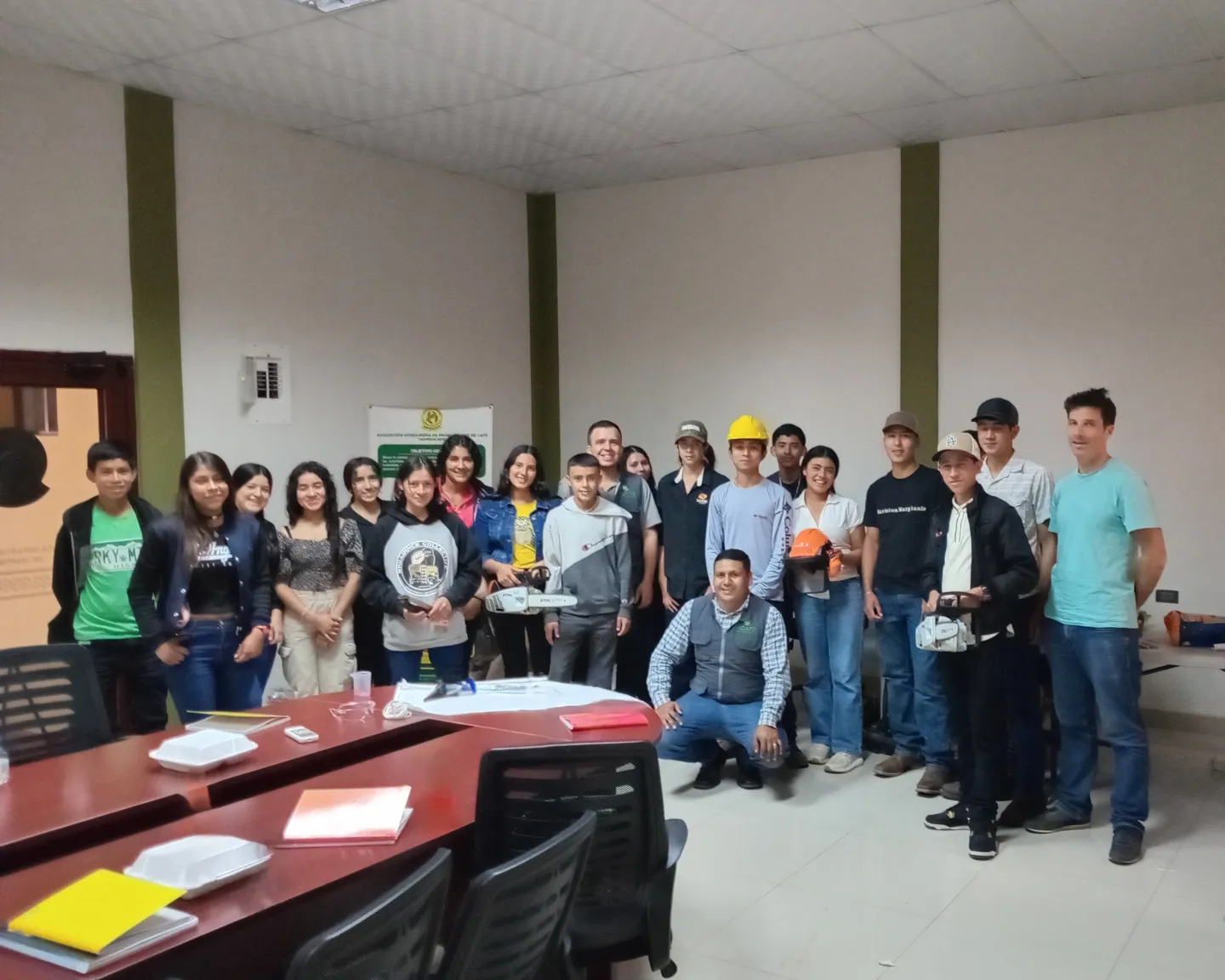
Tegucigalpa, HONDURAS (ILO News) – In a joint effort to transform the reality of the agricultural sector and provide decent alternatives for young people, the International Labour Organization (ILO) and the Honduran Coffee Institute (IHCAFE), through the Higher School of Coffee (ESCAFE), are successfully moving forward with the development of a technical training program for young people entitled “Provider of Agronomic Management Services for Coffee Cultivation.” This program was designed considering the main findings of the study Rapid Assessment of Skills Demand and Supply in the Coffee Value Chain in Honduras.
The training began in March 2026 and has succeeded in recruiting and selecting a group of 49 young people (29 women and 20 men) between the ages of 15 and 17 from the municipalities of Lepaera and Gracias, in the department of Lempira. This process has also included the support and certification of the National Vocational Training Institute (INFOP), ensuring that participants acquire validated competencies for labour market insertion or for starting their own agricultural services enterprises.
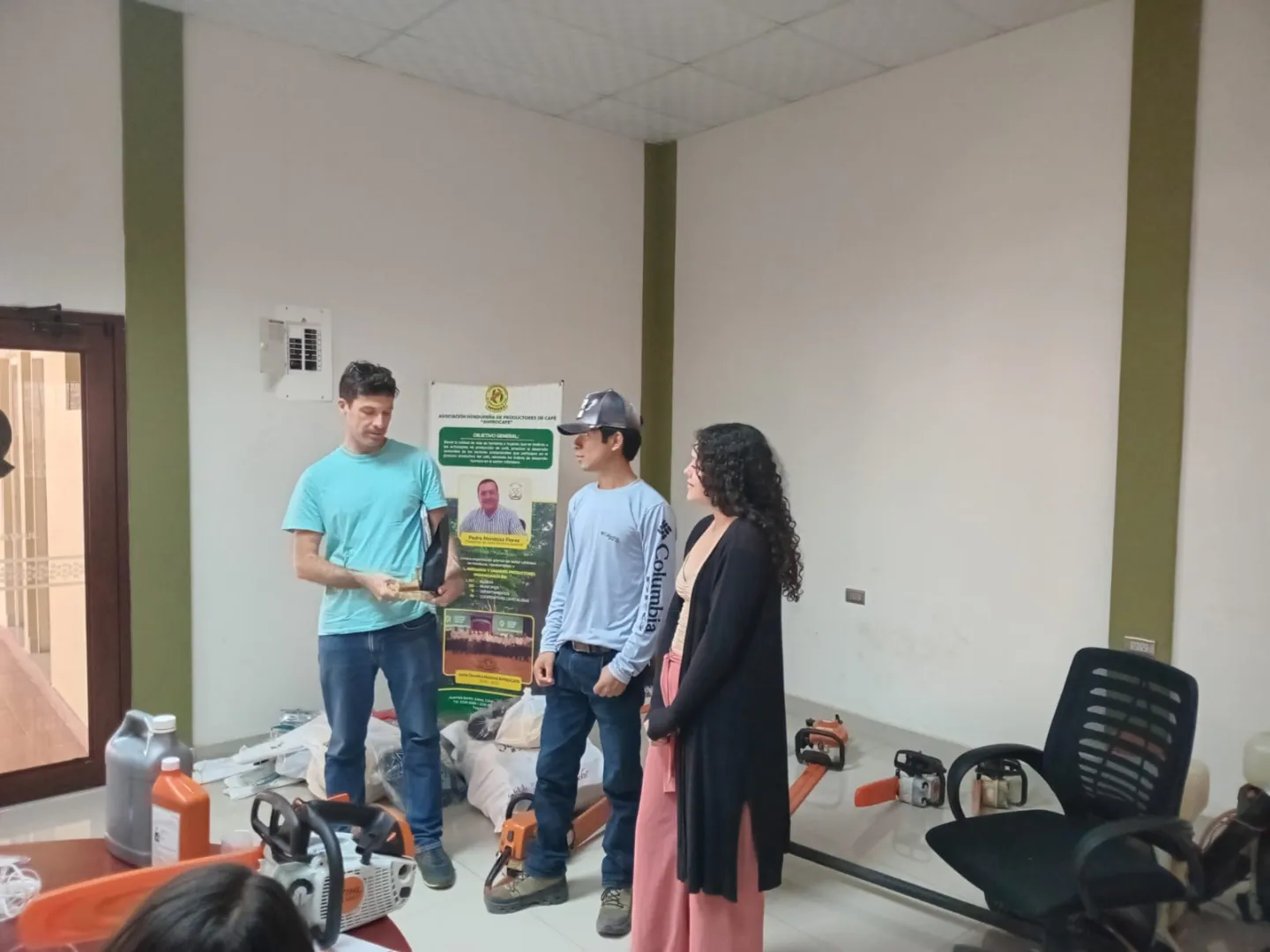
The training stands out for its practical approach, based on the “learning by doing” methodology, in which 80% of the training takes place directly in the field and the remaining 20% in theoretical sessions. The program is structured comprehensively through six specific modules designed to equip participants with certified competencies.
The training curriculum includes Module 1: Occupational Safety and Health in Agricultural Work, focused on personal protection and workplace safety; Module 2: Tissue Management, which teaches pruning and renovation practices; Module 3: Soils and Nutrition of Coffee Plantations, aimed at nutritional plans based on soil analysis; Module 4: Integrated Pest Management, for sustainable phytosanitary control; Module 5: Basic Management of the Coffee Farming Enterprise and Entrepreneurship, focused on profitability and business management; and finally Module 6: Competency Certification, a process to be coordinated with INFOP to officially validate the skills acquired.
The program seeks not only to strengthen the productivity of coffee farms, but also to address the structural causes of child labour. In this regard, IHCAFE emphasizes that this training process is aimed at promoting sustainable family farming and improving the income of coffee-growing families, ensuring that child labour is not promoted at any time, but rather the comprehensive and professional development of adolescents.
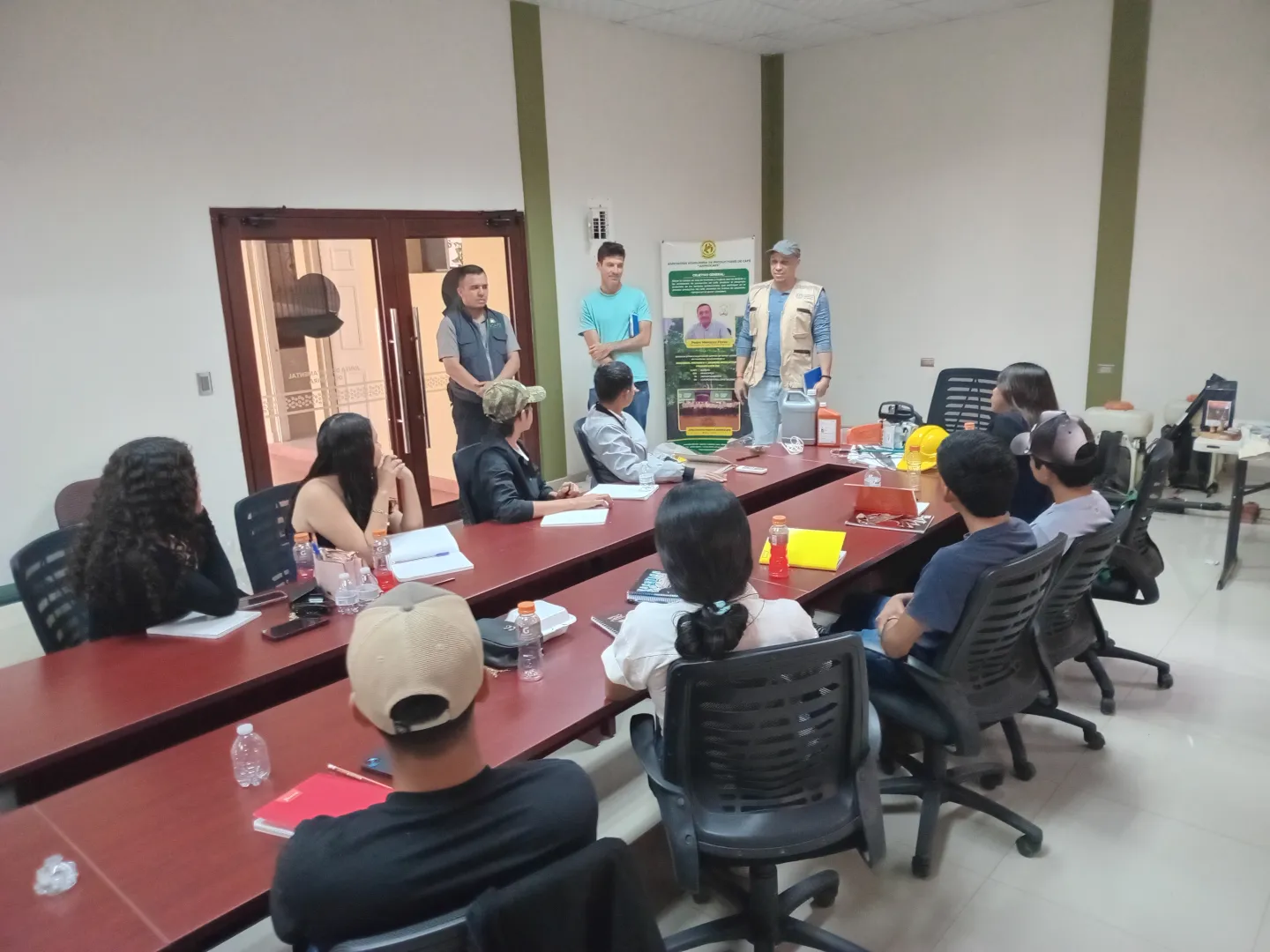
It is worth to mention that the positive development of this training has been made possible thanks to a strong network of strategic partnerships. Institutions such as the COLOSUCA Commonwealth, cooperatives, and local technical schools have joined enthusiastically to motivate and follow up with participants.
With a total duration of six months, this training program plans to certify a new generation of experts in August 2026 who will face challenges such as climate change and the shortage of skilled labour. In this way, Honduras reaffirms its commitment to the eradication of child labour and the creation of decent employment opportunities for its rural youth.
For more information about the CLEAR Supply Chains Project in Honduras, visit the ILO CLEAR Supply Chains project page.
Related content

Child labour
CLEAR Supply Chains: Ending child labour in supply chains
Relevant projects
Child labour
CLEAR Supply Chains: Ending child labour in supply chains