

Tajikistan trade unions turn foresight into action
The Federation of Independent Trade Unions of Tajikistan with ILO support sets policy priorities for 2027–2030 to strengthen trade union action and participation in social dialogue.
11 September 2026
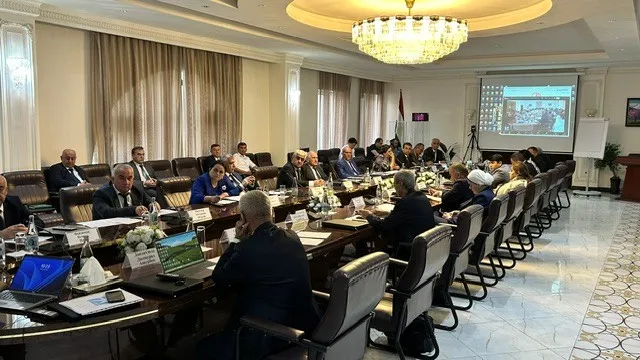
DUSHANBE (ILO News) – The Federation of Independent Trade Unions of Tajikistan (FITUT), with support from the Bureau for Workers’ Activities (ACTRAV) of the International Labour Organization (ILO), has taken steps to strengthen its institutional capacity and prepare for major labour market transformations.
On 10–11 September 2026, FITUT leaders, representatives of affiliated sectoral unions and senior staff met in Dushanbe for a national seminar on “Strengthening trade union capacity for evidence-based policy formulation, strategic foresight and effective participation in social dialogue”. The activity was designed to help FITUT anticipate changes in the world of work and translate evidence into longer-term trade union strategies and policy proposals.
Opening the seminar, FITUT President Karakhon Chillazoda highlighted the importance of continued cooperation with the ILO/ACTRAV in strengthening the Federation’s institutional and policy capacity. He noted that Tajikistan’s economic development is accompanied by rapid technological change and transformations in the structure of the labour market. He stressed the need for unions to adapt their approaches, strengthen their analytical and institutional capacities and develop forward-looking policies to effectively represent workers’ interests in a changing economy.
Sergejus Glovackas, ACTRAV Desk Officer for Europe and Central Asia, emphasized evidence-based policy development, strategic foresight, international labour standards and effective social dialogue as important tools for trade unions to anticipate labour market transformations and strengthen workers’ voice in shaping future national labour and social policies.
The presentations and facilitated discussions connected emerging global challenges with the institutional and policy priorities of FITUT. Participants examined the outcomes of the 114th International Labour Conference, including the new Decent Work in the Platform Economy Convention, 2026 (No. 193), the Resolution on social dialogue and tripartism and the Resolution on the ILO transformative agenda for gender equality in the world of work. Discussions also addressed labour market data, digitalization and artificial intelligence, platform work, international labour standards, climate change and just transition, responsible business conduct, human rights due diligence and labour rights in global supply chains.
A central component was the practical application of ACTRAV’s Strategic Foresight methodology. Working with scenarios adapted to Tajikistan, participants explored how potential disruptions – including changes in labour migration, climate and water stress, rapid deployment of artificial intelligence and shifts in regional investment and trade – could affect workers, labour market institutions and trade unions. The exercise encouraged FITUT to identify emerging risks and opportunities and consider how the organization itself needs to adapt.
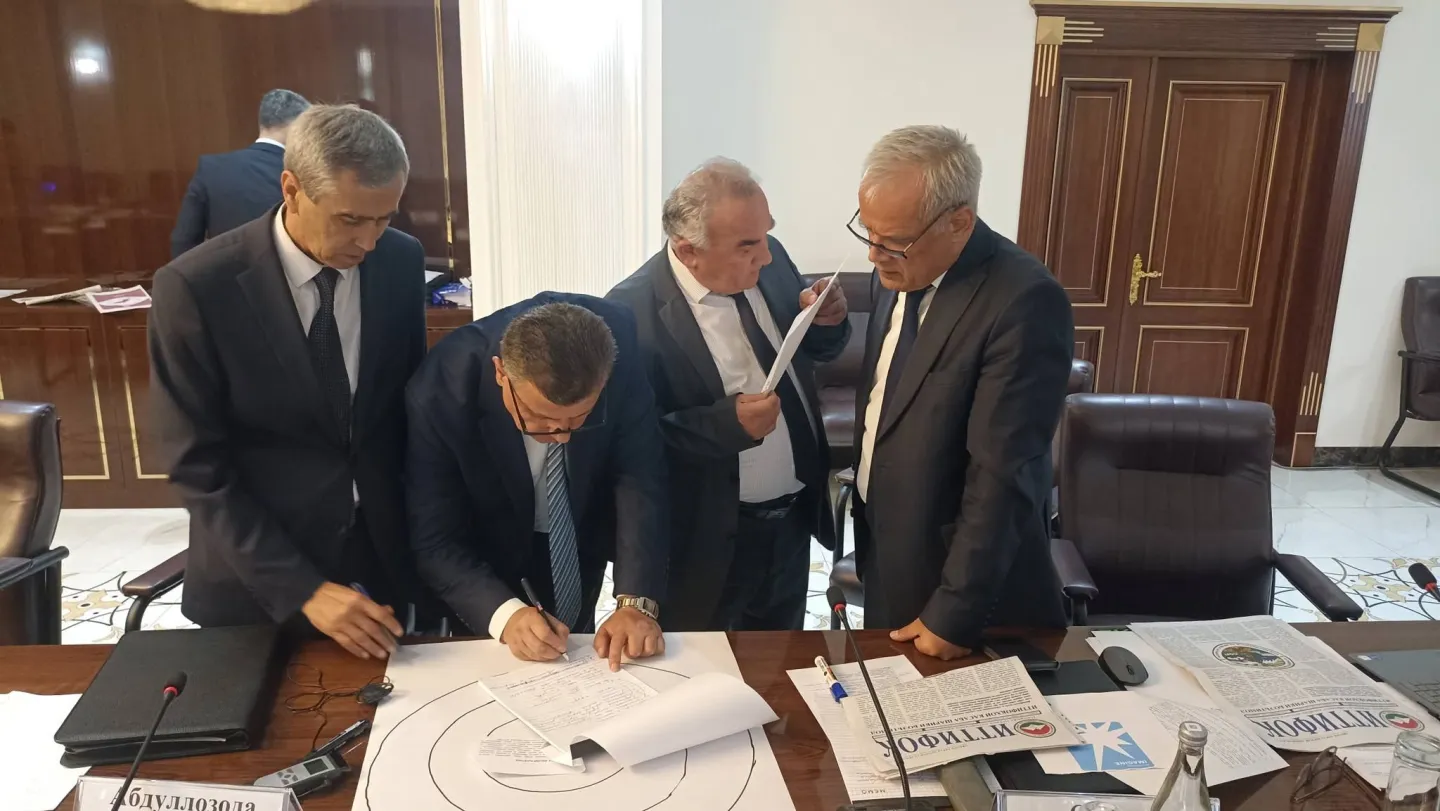
The seminar concluded with concrete institutional follow-up. FITUT decided to further develop a 2027–2030 Plan of Action, incorporating strategic foresight, stronger use of labour market evidence, social dialogue and collective bargaining, international labour standards, digitalization and platform work, occupational safety and health, formalization, just transition and responsible business conduct into its future work.
The seminar outcomes are also expected to inform FITUT’s preparations for the discussions on the forthcoming National Tripartite General Agreement. Among the policy options identified by FITUT are promoting ratification of the Promotional Framework for Occupational Safety and Health Convention, 2006 (No. 187) and the Violence and Harassment Convention, 2019 (No. 190), as well as initiating a tripartite assessment of the feasibility of ratifying Convention No. 193.
Other priorities include stronger trade union participation in Tajikistan’s climate and just transition policies, including relevant nationally determined contribution (NDC) processes, and greater engagement in responsible business conduct and labour rights due diligence.
Additional details
References
- DOI: n/a