


Child and forced labour
Successful presentation on independent monitoring of 2024 cotton harvest held in Tashkent
Government representatives, employers, trade unions, and civil society gathered in Tashkent to review findings from independent monitoring of the 2024 cotton harvest, reaffirming Uzbekistan’s commitment to tackling labour rights violations and enhancing transparency in the sector.
20 February 2025
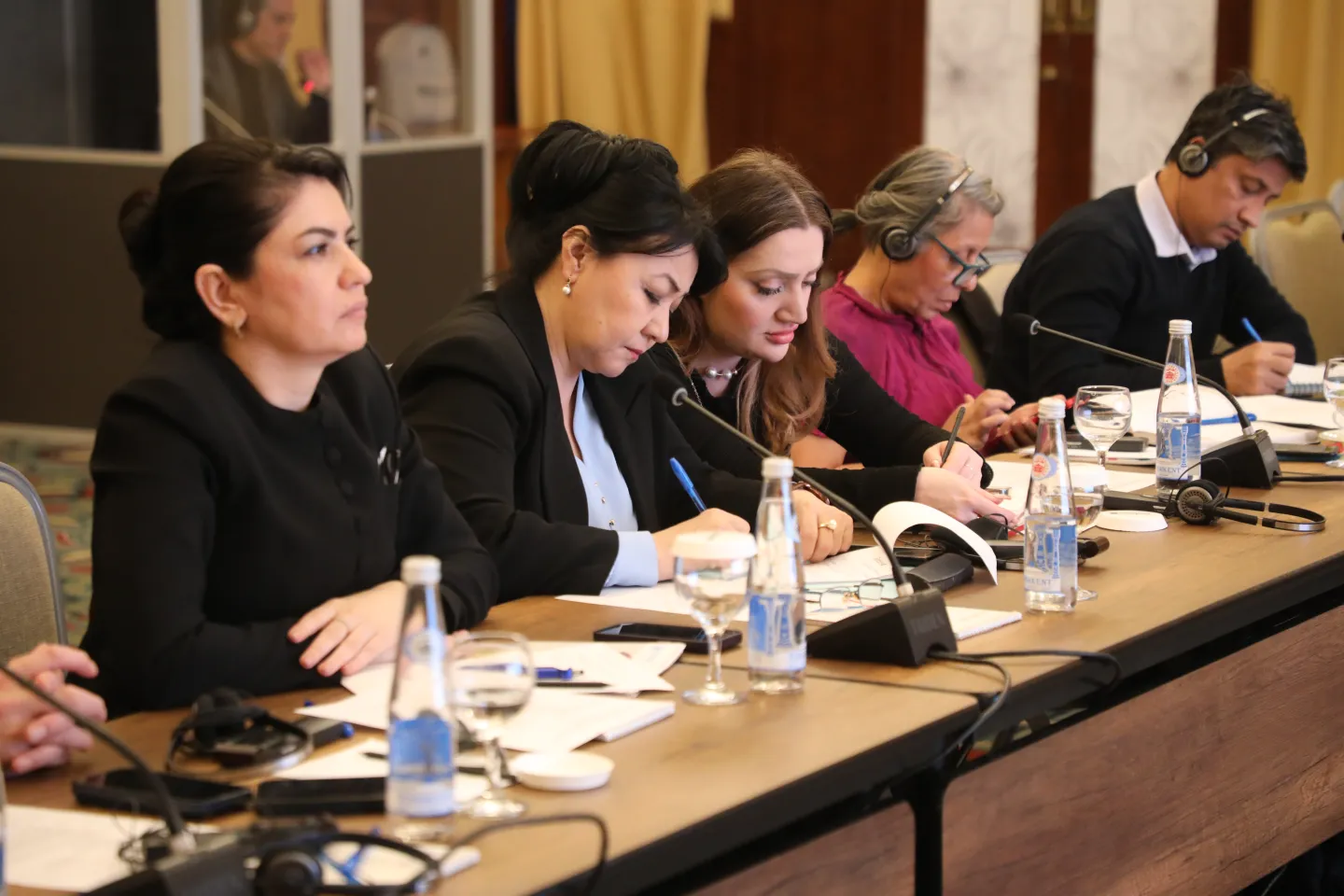
TASHKENT (ILO News) - An impactful presentation focusing on the independent monitoring of Uzbekistan's 2024 cotton harvest was held in Tashkent on 18 February 2025. The event was attended by high-level officials, including Ms. Gulrukh Niyazmetova, representative of the Senate, Ms. Rano Turdiboeva, Deputy Minister of Employment and Poverty Reduction (MEPR), Ms. Eka Margishvili, Executive Director of the Confederation of Employers, Mr. Makhmudjon Isaev, Head of the Federation of Trade Unions (FTUU), along with representatives from the donor community and various relevant organizations.
Monitoring efforts: a multi-pronged approach
In Uzbekistan, cotton harvest monitoring is a multi-layered process. The Government, State Labor Inspectors, FTUU, and civil society activists each conduct their own monitoring initiatives to assess the labour conditions in cotton fields, with a focus on decent working conditions, including child and forced labour. During the event, representatives from the MEPR, FTUU, and civil society activists presented the findings of their respective monitoring efforts during the 2024 harvest season.
The results were largely consistent across the board, with reports indicating that while there is no systematic use of child and forced labour, isolated instances still occurred. Stakeholders agreed that such violations must continue to be tackled through ongoing monitoring and awareness-raising and education campaigns aimed at those involved in cotton cultivation and harvesting.
MEPR feedback mechanism: transparency and trust in the system
Another topic of discussion was the MEPR’s feedback mechanism. The MEPR offers a 24-hour helpline “1282” and a Telegram bot “Munosibmehnat.uz” for the public to report labour rights violations. By the end of October 2024, a total of 283 complaints had been received via these channels. These complaints addressed issues such as forced labour, inadequate working conditions, and delayed payments to cotton pickers.
Despite these challenges, the Ministry’s efforts were commendable. More than 350 labour inspectors monitored over 22,000 organizations, farms, and cotton fields to ensure compliance with labour laws. The inspection results showed positive outcomes, with 37 complaints resolved and significant efforts made to educate workers and employers. However, there were 35 unresolved complaints, and administrative action was taken against several officials for violations.
One of the key recommendations from the 2024 Independent Monitoring Report was to enhance transparency in the process of handling complaints. Providing clear information on how complaints are addressed and what actions are taken would increase public trust in the bodies responsible for protecting workers’ rights. It was also suggested that civil society could play a larger role in managing and improving feedback mechanisms. Civil society organizations can help gather information from workers and employers, document violations, and assess the effectiveness of existing policies.
The need for further labour standards
The discussion also highlighted a pressing need for the development of higher labour standards within the cotton industry. The representative from FTUU called for the establishment of clear standards for field cotton mills and protective equipment for cotton pickers. These measures would help to ensure better working conditions for the labourers and improve safety standards within the cotton sector.
A commitment to continued monitoring
The final recommendation from the event underscored the importance of continuing independent monitoring efforts. Civil society activists agreed that their ongoing involvement in monitoring would demonstrate Uzbekistan's commitment to adhering to international labour standards and promoting decent working conditions for cotton harvesters.
Ms. Alkadevi Morarji Patel, a representative from the World Bank, also expressed support for these efforts. She indicated that the World Bank is committed to finding a sustainable solution for monitoring of the cotton harvests as well as capacity building for strengthening the compliance culture with enterprises, further solidifying the international community’s backing of these important labour rights initiatives.
Looking ahead
In conclusion, the presentation highlighted the critical role of independent monitoring in improving labour conditions in Uzbekistan’s cotton industry. Through continued collaboration between civil society, government agencies, and international organizations, Uzbekistan can demonstrate its commitment to eradicating forced labour and child labour while fostering a safer, more equitable work environment for cotton pickers.
This successful event emphasized that with sustained effort and transparency, meaningful progress can be made in improving the lives of workers in Uzbekistan’s cotton sector, benefiting not only the country’s economy but also the well-being of its citizens.
The independent monitoring is being supported through the ILO's Branch on Fundamental Principles and Rights at Work and by the Multi-Donor Trust Fund, which was established by the World Bank with support from the European Union, the United States, Switzerland and GIZ.