

Occupational Safety and Health
Sri Lanka's plantation leaders commit to rebuilding safe and healthy tea estates after Cyclone Ditwah
An ILO initiative funded by the Japan’s Social Safety Net (SSN) fund links boardroom commitments with action in the fields and factories of Nuwara Eliya and Badulla badly affected by Cyclone Ditwah.
10 September 2026
COLOMBO (ILO News) – Chief executives of Sri Lanka’s leading plantation companies have committed to making occupational safety and health (OSH) a core part of how the tea sector is run.
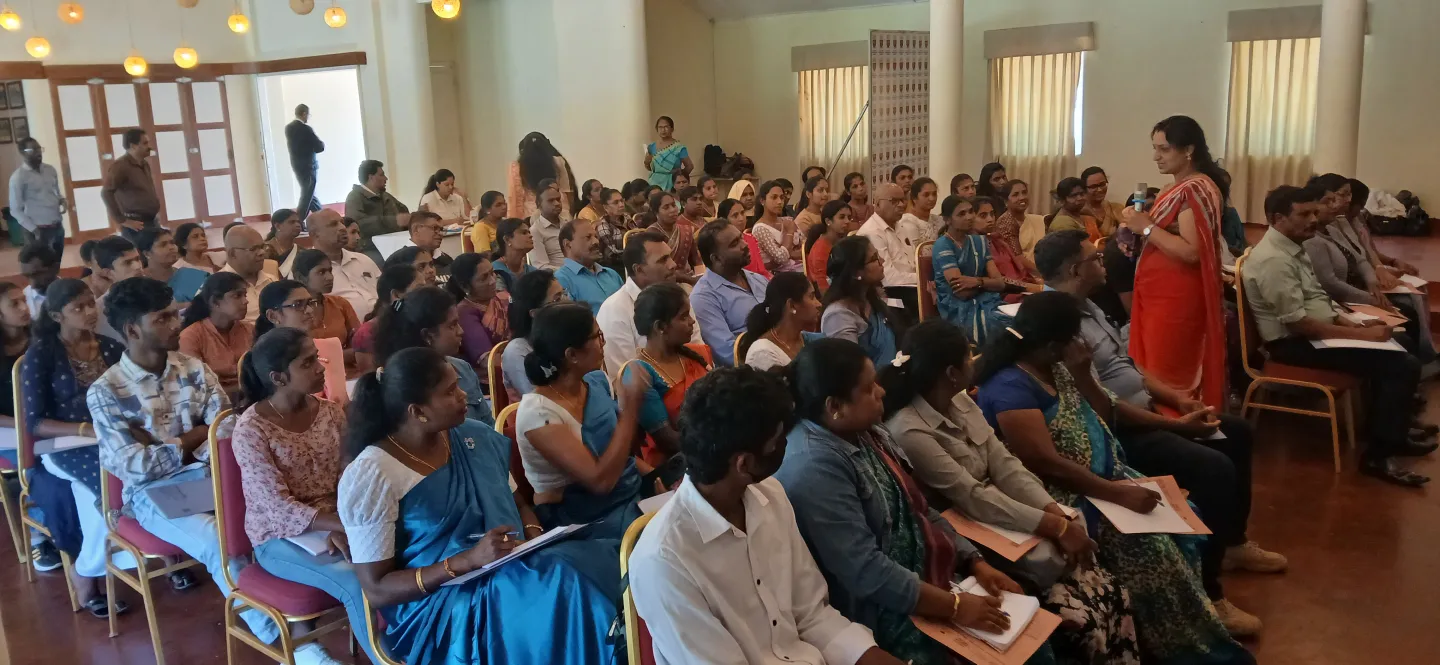
At the CEOs Forum 2026, held in Colombo on 3 September 2026, more than 50 senior leaders endorsed a roadmap to improve occupational safety and health on selected estates in Badulla and Nuwara Eliya, two districts hit hard by Cyclone Ditwah in November 2025. They included leaders from Regional Plantation Companies (RPCs), state plantation entities, the Planters' Association and the Plantation Human Development Trust (PHDT) under the authority of the Ministry of Labour.
The forum was convened under the ILO project “Promoting the Right to a Safe and Healthy Working Environment in Sri Lanka”, implemented in partnership with PHDT and funded by the Japan’s Social Safety Net (SSN) fund.
Cyclone Ditwah showed how exposed our workers and estates are. As we rebuild, we have a chance to build back with safety and health at the core. By endorsing this roadmap, we are putting safety and health on the boardroom agenda and holding ourselves accountable for results in the field. Dr Roshan Rajadurai Managing Director of Hayles plantations
The forum is part of a wider effort that has reached more than 250 people across the sector. It began in August in Nuwara Eliya, where 30 PHDT operational leads were trained as master trainers with support from the ILO and the Ministry of Health. They learned the ILO’s participatory methods, which help workers and managers identify practical, low-cost improvements together.
We must not duplicate efforts but instead unite stakeholders, buyers, consumers, and the public to create a safer, friendlier environment. Safety and Health is a shared responsibility. Together, we can protect this industry and give confidence to the children of plantation workers by ensuring a secure future. PHDT’s Director General, Lal Perera
In the week after the forum, 73 estate superintendents and managers also received guidance covering their legal duties and the management of risks from machinery, chemicals and boilers. A further 59 field and factory officers, who supervise daily plucking and tea processing, were trained on the safe handling of chemicals, the use of personal protective equipment and machine emergency stops.
Baseline assessments in Nuwara Eliya found that, while estate OSH committees existed on paper, most were not functioning. They are now being re-established as bipartite worker-management bodies chaired by estate managers and supervisors have already been mandated to convene the committees within 30 days.
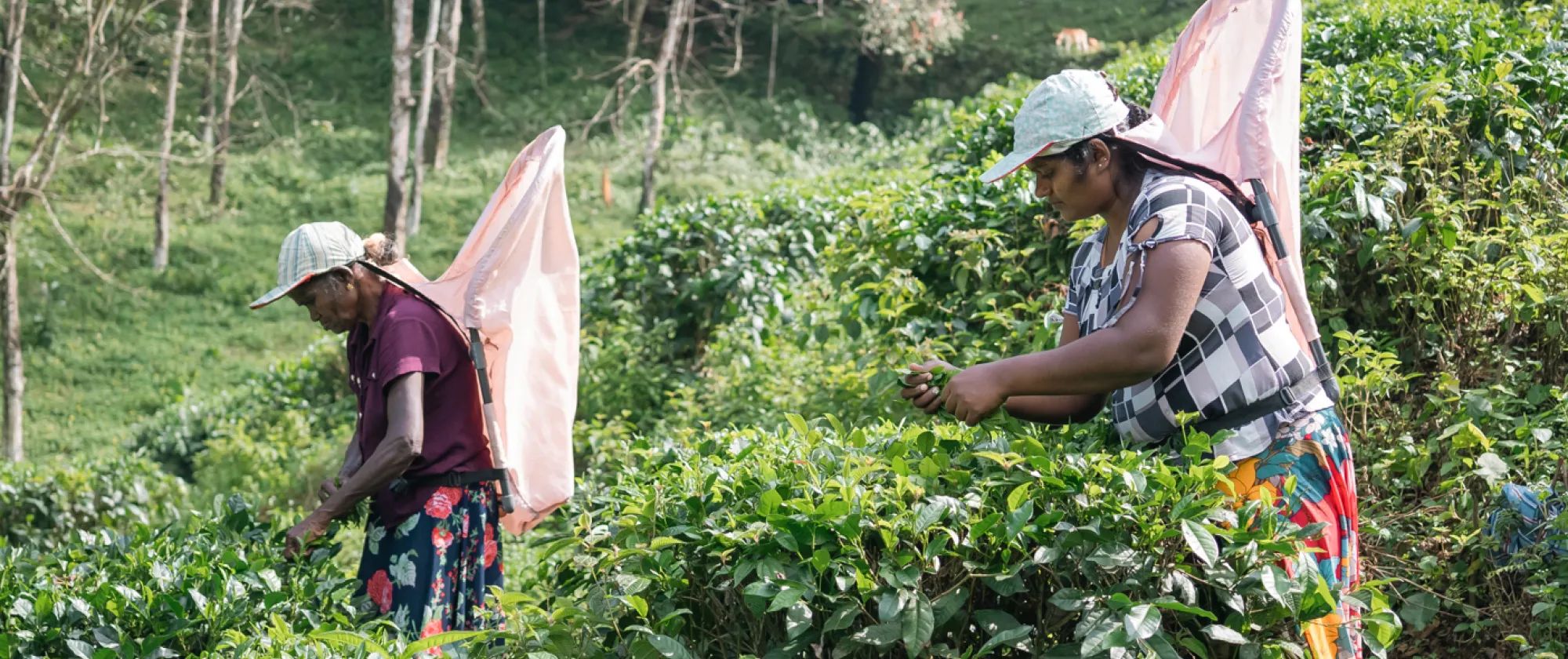
Estate teams are already making improvements that need no major investment, such as better tool grips, improved lighting in tea factories and shaded rest areas in the fields.
Cyclone Ditwah highlighted the psychosocial risks that plantation workers and their families can face, particularly in times of crisis and disruption. Recovery gives us an opportunity not only to rebuild, but to strengthen how we protect workers. With the commitment of the sector’s chief executives, we can make mental health and well-being an integral part of a safe and healthy working environment across the plantation sector. Joni Simpson, Director of the ILO Country Office for Sri Lanka and the Maldives
The initiative also addresses psychosocial risks, including mental health and gender-based violence (GBV). On 10 September 2026, 99 welfare officers, estate medical assistants, community development officers and youth volunteers worked with PHDT, the ILO and the Nuwara Eliya Medical Officer for Mental Health. Together they set up confidential referral pathways for mental health support and GBV prevention. This matters in plantation communities, where workers and their families often live on the estates where they work.
Additional details
References
- DOI: N/A
Related content
Social safety nets
ILO/Japan Fund for Building Social Safety Nets in Asia and the Pacific (SSN Fund)
Relevant projects

Project
Resilient plantations: Advancing workers’ safety, health, and livelihood recovery