

Six Indonesian trade union confederations promote a greater investment in care economy
The ILO supports six Indonesian trade unions to actively promote issues related to care work in Indonesia through an advocacy campaign and a social media training programme.
1 August 2024
Advocating Mother and Child Welfare Bill
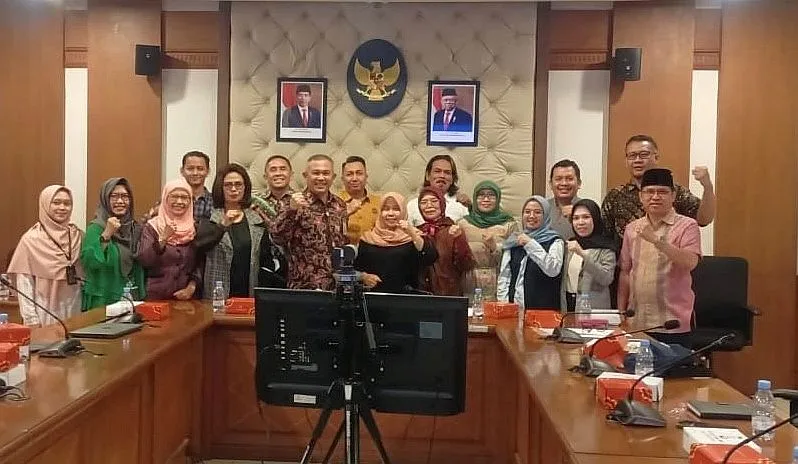
The ILO has supported the initiative of six trade union confederations to jointly examine and review the Mother and Child Welfare Bill through a series of workshops conducted last year in 2023. Throughout the consultative discussions, the six confederations agreed to develop an alliance to propose improvements of the Bill named: The Alliance of Trade Unions for the Improvements of Mother and Child Welfare Bill (AKUKIA). The proposed improvements included the integration of the ILO’s 5R Care Economy Framework and social protection scheme.
The proposed improvements were compiled in the form of Trade Unions’ Position Paper on Mother and Child Welfare Bill. Elly Rosita Silaban, President of the All Indonesian Union Confederation (KSBSI), called for leaders of AKUKIA to be united in order to voice workers’ concerns on priority issues of the Bill, especially on the protection of maternity rights and realization of decent work for care workers.
As an immediate follow-up the development of the position paper, representatives of AKUKIA conducted courtesy and advocacy meetings to submit their position paper to high-level officials of the Ministry of Manpower, Ministry of Women's Empowerment and Child Protection and National Social Security Council (DJSN) last December. Meanwhile, the courtesy meeting with the Parliament’s Commission VIII is scheduled this year.
During the advocacy meetings, the AKUKIA declared their support and provided improvements for the Bill as follows: 1. Support the 6-month maternity leave to allow mothers providing their babies with exclusive breastfeeding; 2. Support 40 days of paternity leave considering that childcare is not only mothers’ responsibility but fathers; 3. Support the proposed potential funding schemes to cover maternity and paternity leaves; 4. Proposed the affordable and accessible child care for women workers covered by the Bill; 5. Proposed the availability of lactation corners with adequate facilities at workplace provided by companies; 6. Support the realization of decent work for care workers; 7. Proposed the extension of the Bill’s coverage to women workers in informal economy; and 8. Proposed the opportunities for all stakeholders to discuss the substance of the Bill.
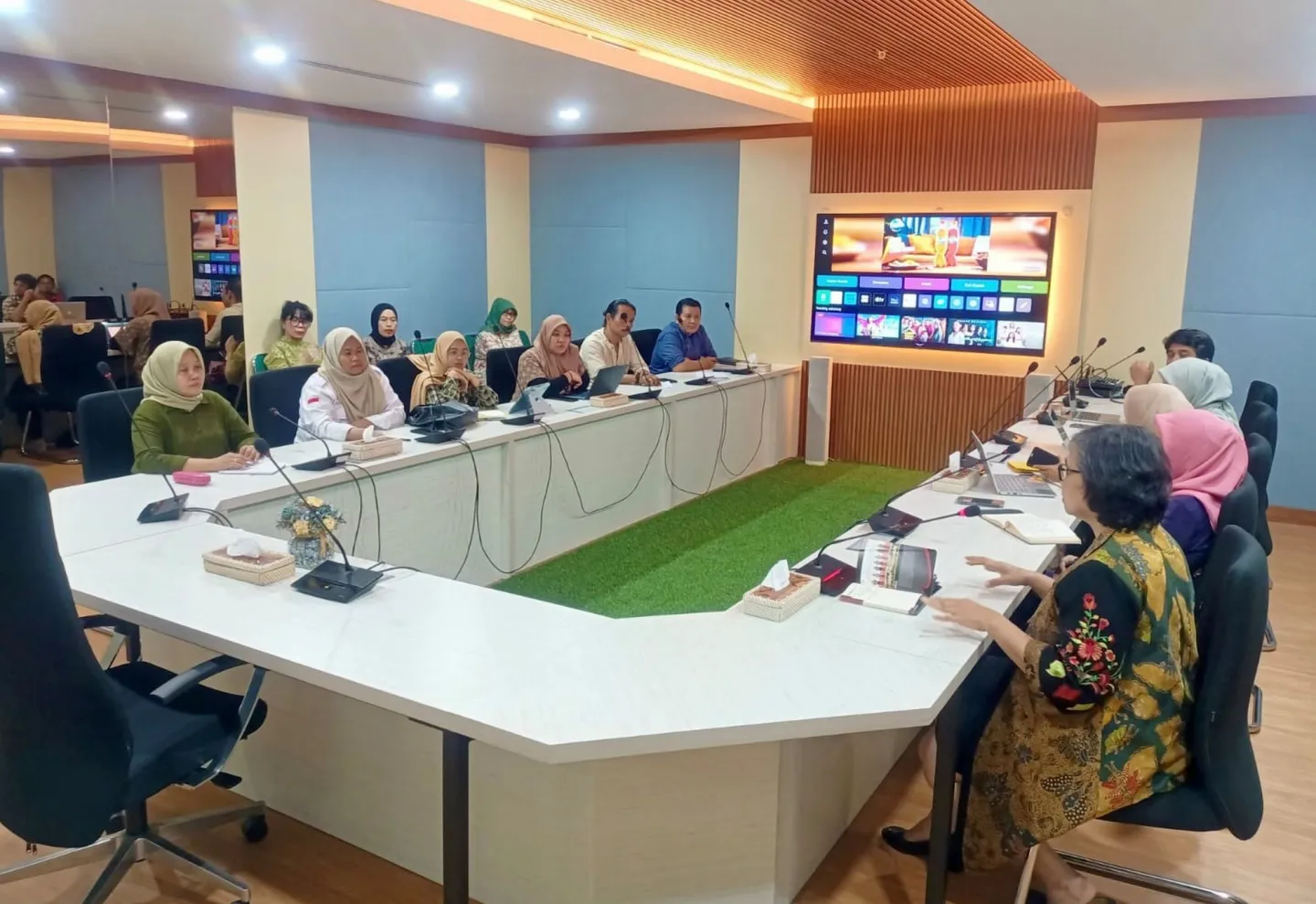
Digital Communications Training for Trade Unions on Care Work
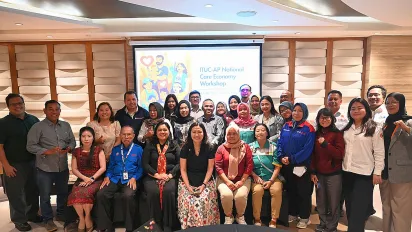
Thirty representatives of trade unionists participated at ILO’s two-day digital training programme, “Trade Union Digital Communication Strategy Training: Socialization of the Care Economy through Social Media”, last January in Jakarta. Jointly conducted with with VosFoyer, a creative agency for an integrated marketing strategy, the training programme aimed to build the capacities of trade unions in implementing and conducting social media campaign and to raise their understanding about the importance of effective social media campaign for their policy advocacy activities, especially on issues related to care economy and Bill on Maternal and Child Welfare.
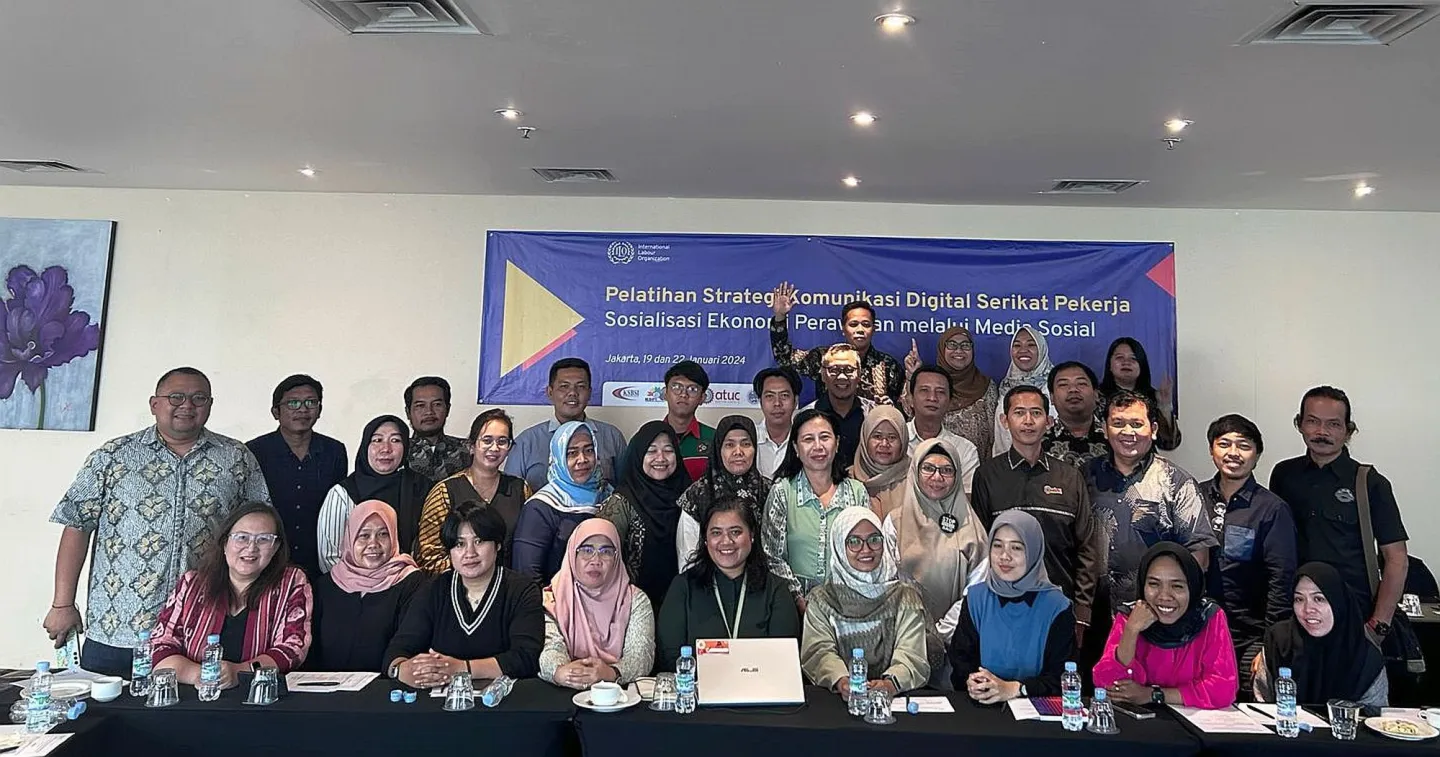
During the training, the participating unionists learnt technical skills on social media and content development, social media analytical insight for monitoring, basic photography/videography using mobile phone, simple graphic designs using free applications and tools. The training programme combined theoretical session with practical exercises in which the participants were assigned to create short video contents and messages related to ILO’s 5R Care Economy Framework.
As a follow up to the training, the participating trade unionists have developed various contents raising different care work issues. Two participants from the Confederation of All Indonesian Workers’ Union-Reconciliation (KSPSI Rekonsiliasi), Rizky Yudha and Tri Ruswati, for example, created contents on their TikTok accounts regarding workers’ self-establishment of day care at their office and the important role of domestic workers to support our daily care work responsibilities.
Related content
Project
The Care Economy in Indonesia
Care economy
Trade unions play a vital role in advancing the care economy in Indonesia
Relevant projects
Project
The Care Economy in Indonesia